

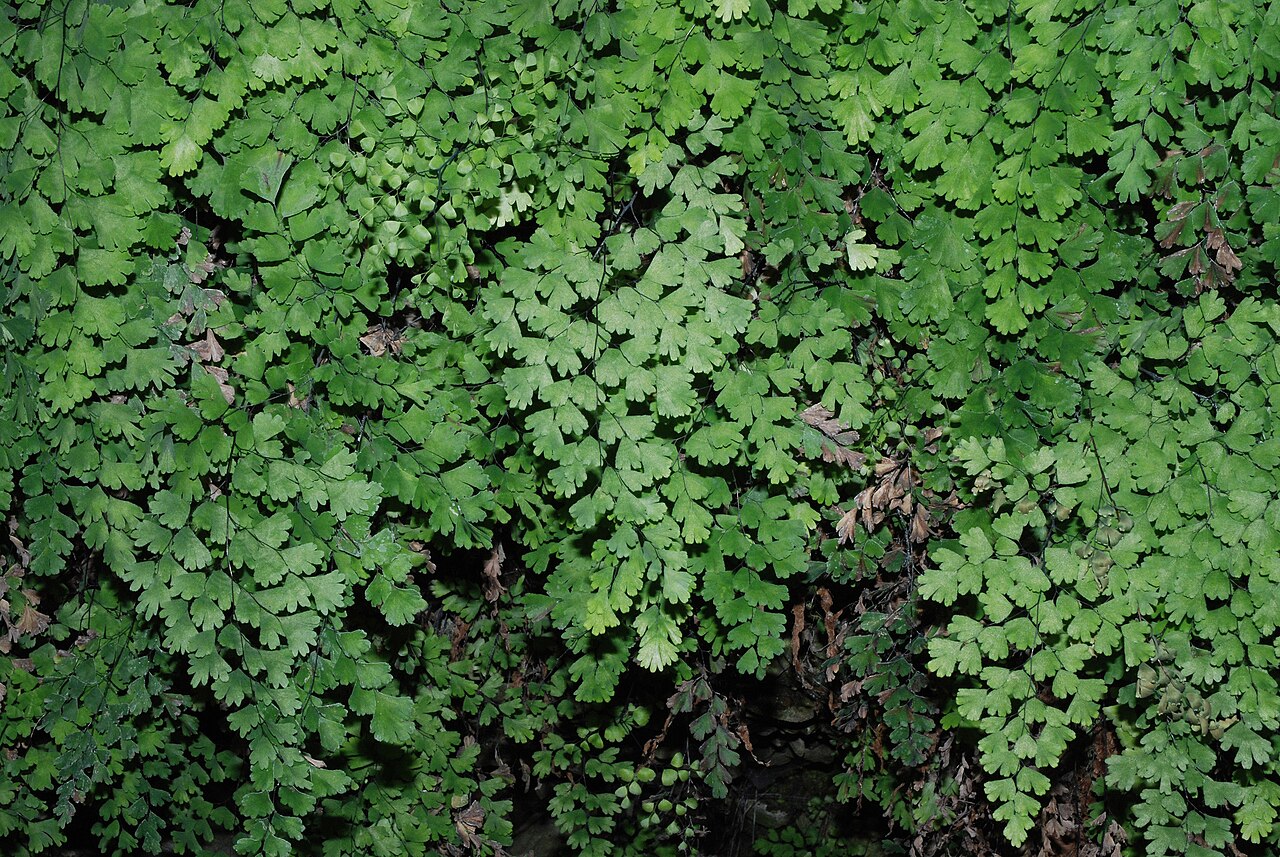
Photo: Matt Lavin from Bozeman, Montana, USA (CC BY-SA 2.0), via Wikimedia Commons
Desert Biscuitroot
Lomatium foeniculaceum
Desert Biscuitroot (Lomatium foeniculaceum) is a landscape plant valued for its form and structure as much as its bloom. Desert Biscuitroot is sized and grown for a real yard, not a show bench. Match it to full sun to part shade and water it in for the first season while roots establish. One caveat: like any plant, its published range is a guideline, not a guarantee, for the specific microclimate of your yard. Given a spot that matches its light and water needs, it is a dependable, low-drama addition to the yard.
See live prices from nurseriesHave a pro plant itWhere to buy Desert Biscuitroot
Live listings from independent Shopify nurseries. Prices come straight from each store; add to your cart here and pay the store directly at checkout.
Hardiness range
A hardiness zone is not on file for this plant yet, and a ZIP-level fit check is not available for it.
How it does in your yard
Related plants


Questions
Is Desert Biscuitroot native to the United States?
USDA PLANTS data does not record Desert Biscuitroot as native to the United States.
What USDA hardiness zone does Desert Biscuitroot need?
A minimum hardiness zone is not on file for Desert Biscuitroot yet.