
American Dunegrass
Photo: Krzysztof Ziarnek, Kenraiz (CC BY 4.0), Wikimedia Commons
 Dream Landscaper
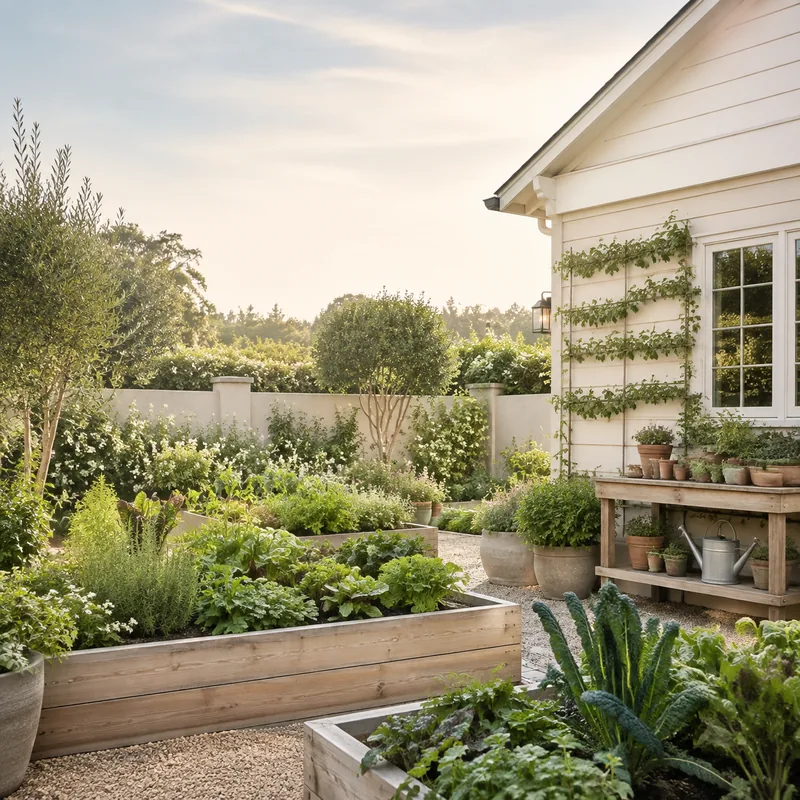
Native grasses do two jobs most ornamental lawns cannot: they hold a slope without irrigation, and they read as intentional even when they go dormant and brown for winter. The bunchgrasses and sod-formers here range from buffalograss, bred as a genuine low-water lawn alternative, to alkali sacaton and cordgrass for wet, salty, or alkaline ground where turf simply fails. Cut most of these back once a year rather than mowing weekly, and expect a full, established look by the second growing season rather than the first. Combine a grass with a shade tree from our shade-trees category for a planting that reads as a real landscape, not a specimen bed.
See also: Shade trees, Shrubs.
Photo: Krzysztof Ziarnek, Kenraiz (CC BY 4.0), Wikimedia Commons


Photo: Matt Lavin from Bozeman, Montana, USA (CC BY-SA 2.0), Wikimedia Commons
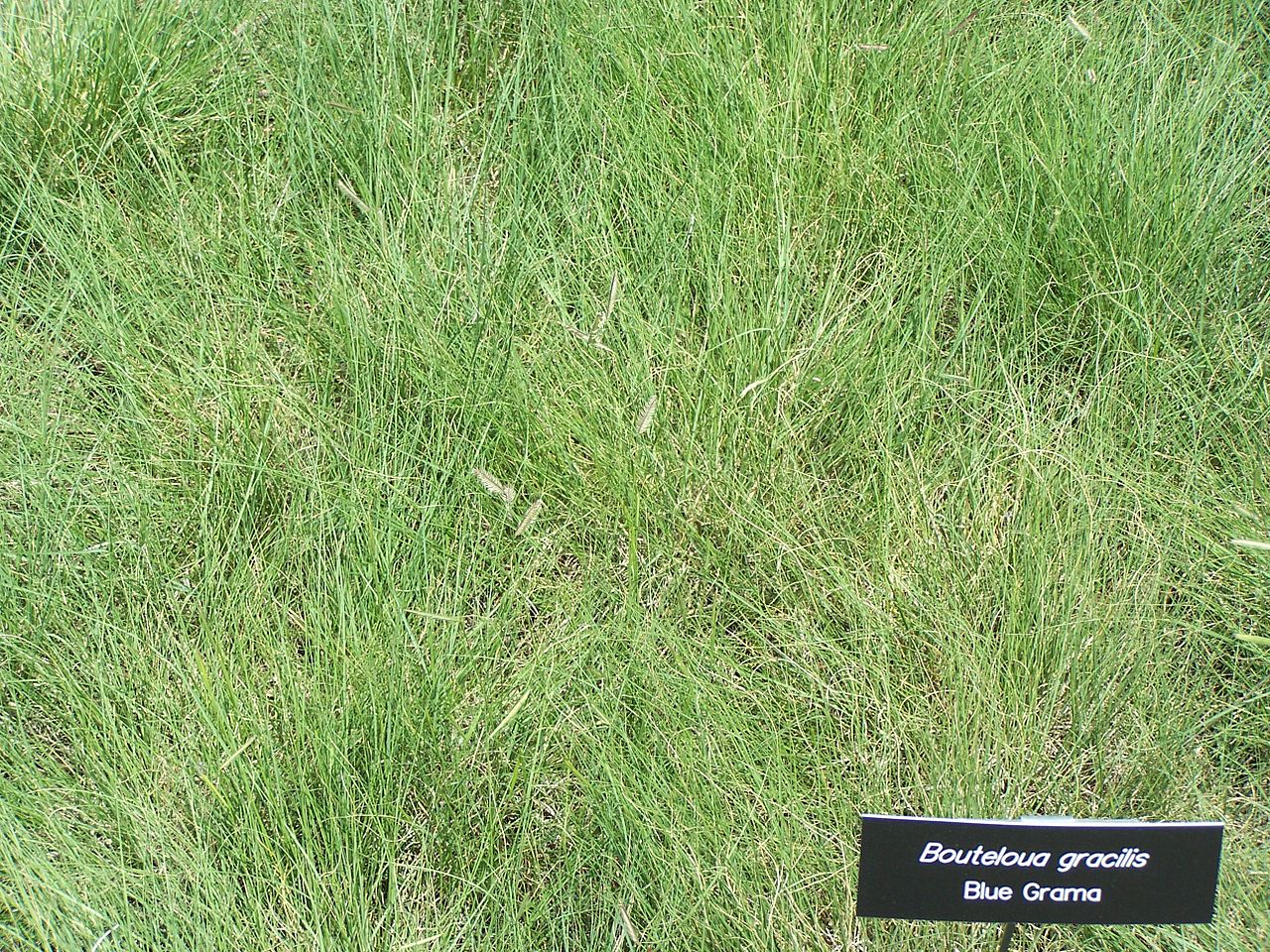

Photo: Harry Rose from South West Rocks, Australia (CC BY 2.0), Wikimedia Commons


Photo: Gordon Leppig & Andrea J. Pickart (Public domain), Wikimedia Commons


Photo: Forest & Kim Starr (CC BY 3.0), Wikimedia Commons


Photo: Andrés González (CC BY-SA 4.0), Wikimedia Commons

Photo: James Schnable (CC BY-SA 4.0), Wikimedia Commons


Photo: Jason Hollinger (CC BY 2.0), Wikimedia Commons


Photo: Matt Lavin from Bozeman, Montana, USA (CC BY-SA 2.0), Wikimedia Commons

Photo: Doug Goldman. USDA-NRCS-NPDT United States, NC, Guilford Co., Greensboro, cultivated. October 21, 2011. (Public domain), Wikimedia Commons


Most of the grasses stocked here are rated high drought tolerance once established, typically after one full growing season, and need supplemental water only in extended drought beyond their documented range.
Late winter, before new growth starts, is the standard window; cutting earlier removes winter structure and habitat value, and cutting after new growth starts risks damaging the new blades.