

Allegheny Blackberry
moderate water
Photo: Joshua Mayer (wackybadger) (CC BY-SA 2.0), Wikimedia Commons
 Dream Landscaper
This category is native serviceberries, chosen for genuinely edible early-summer fruit as much as for their reliable white spring bloom, not the citrus and stone fruit most people picture under "fruit tree." Birds compete hard for the berries, so net a young plant its first fruiting years if you want a harvest for yourself. Each listing states mature height and hardiness zone; several serviceberry species and varieties are stocked because their range and eventual size differ more than the shared common name suggests. See the coming-soon list below for the stone and pome fruit trees we do not have envelope data for yet.
See also: Shade trees, Shrubs.
Photo: Joshua Mayer (wackybadger) (CC BY-SA 2.0), Wikimedia Commons

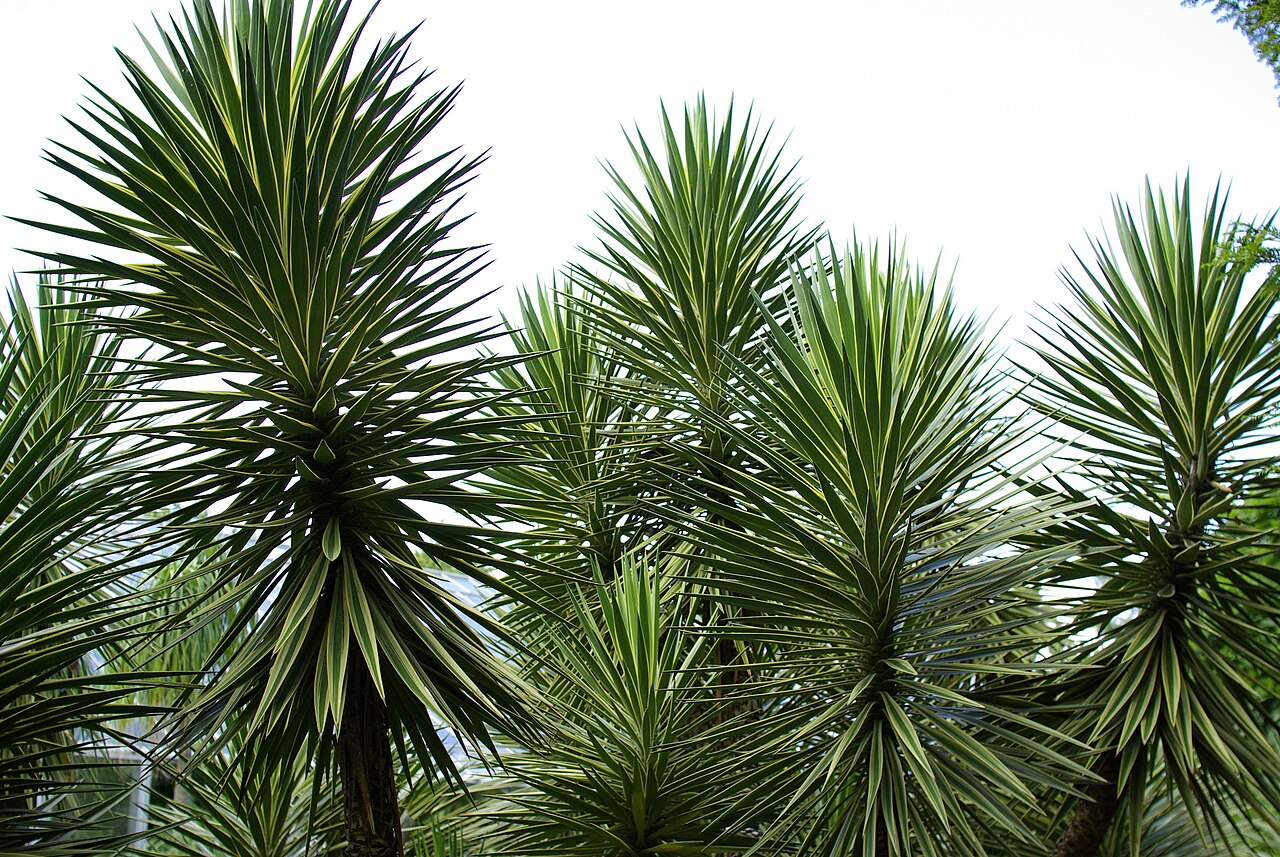


Photo: Christian Hummert ( Ixitixel ) (CC BY-SA 3.0), Wikimedia Commons


Photo: NY State IPM Program at Cornell University from New York, USA (CC BY 2.0), Wikimedia Commons


Photo: Photo by and (c)2007 Derek Ramsey ( Ram-Man ) (CC BY-SA 2.5), Wikimedia Commons


Photo: Jason Taellious from Olympia, USA (CC BY-SA 2.0), Wikimedia Commons


Photo: W.D. Brush. Provided by National Agricultural Library. Originally from US Forest Service. United States, DC, Washington. (Public domain), Wikimedia Commons


Photo: USGS Bee Inventory and Monitoring Lab from Beltsville, Maryland, USA (Public domain), Wikimedia Commons


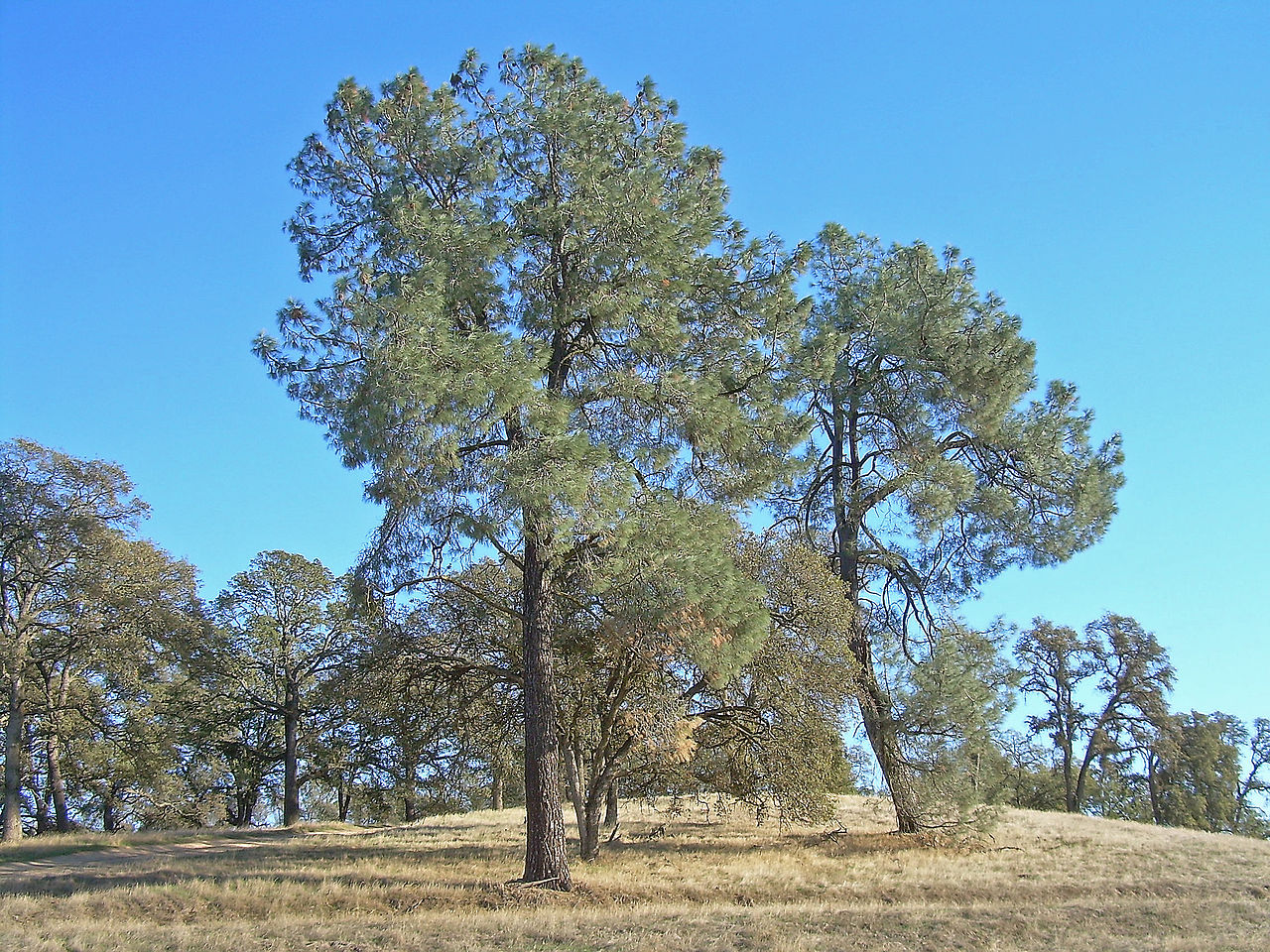


Photo: oliveoligarchy from California, United States (CC BY 2.0), Wikimedia Commons


Photo: Jim Morefield from Nevada, USA (CC BY-SA 2.0), Wikimedia Commons


Photo: Harry Rose from South West Rocks, Australia (CC BY 2.0), Wikimedia Commons


Photo: Jim Morefield from Nevada, USA (CC BY-SA 2.0), Wikimedia Commons


Photo: No machine-readable author provided. Curtis Clark assumed (based on copyright claims). (CC BY-SA 2.5), Wikimedia Commons
These are on our list to stock next, based on real search demand. Join the waitlist and we will tell you the moment any of them ship.
Most serviceberry species are self-fertile and will fruit on their own, though planting more than one can improve fruit set; check the specific species listing for anything unusual.
Netting the plant just as fruit begins to ripen is the most reliable method; birds typically find ripening berries before a home gardener does.