
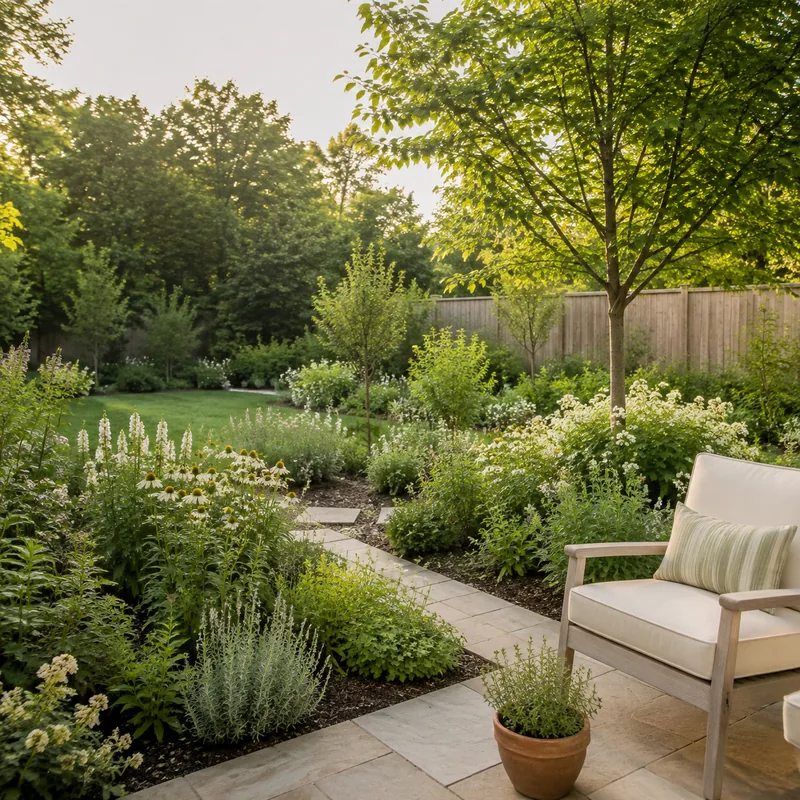

Desert and dryland plants are chosen for surviving reflected heat off stucco and pavement, not just for low water use in the brochure sense. Agave, sotol, brittlebush and creosote bush here are stocked because each has a documented heat ceiling and drought tolerance in the underlying USDA and climate data, which is what the fit check on every listing actually compares against your ZIP. Give these plants sharp drainage over anything else; more desert natives die of wet feet in a well-meaning irrigation zone than of underwatering. Pair with a native grass for ground cover that will not compete for water.
See also: Shade trees, Shrubs.
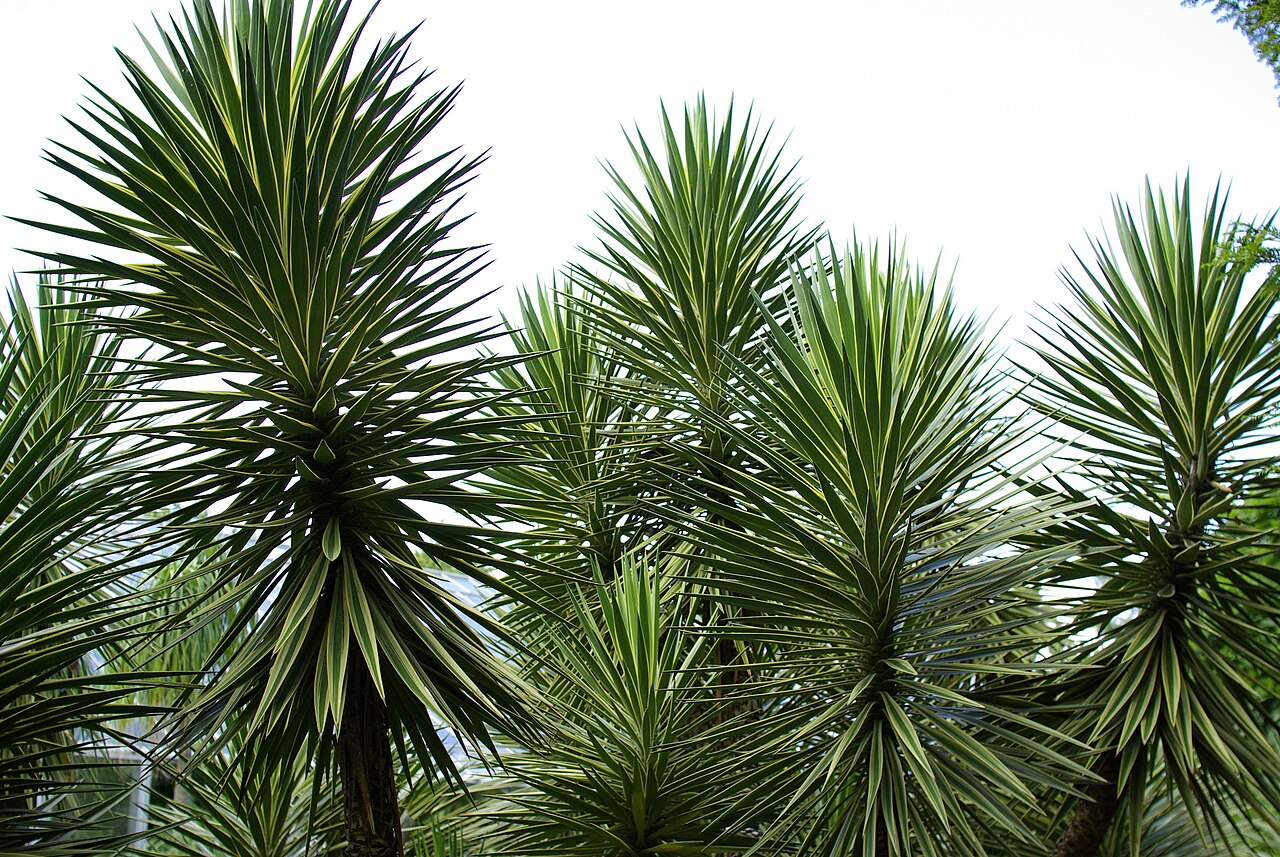


American Black Currant
very_low water
Photo: Christian Hummert ( Ixitixel ) (CC BY-SA 3.0), Wikimedia Commons


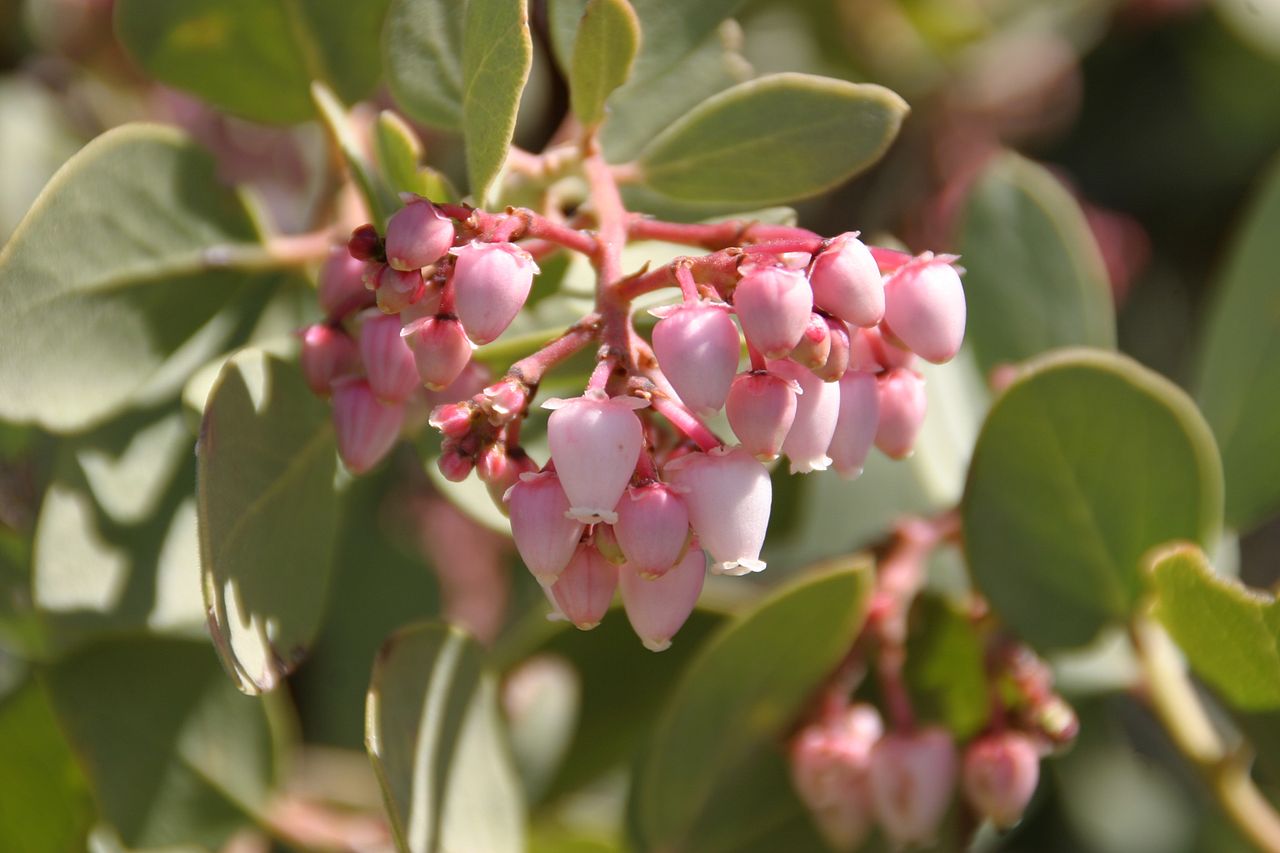


Bog Birch
low water
Photo: Culbertson Jennifer, U.S. Fish and Wildlife Service (Public domain), Wikimedia Commons

Bud Sagebrush
low water
Photo: Matt Lavin from Bozeman, Montana, USA (CC BY-SA 2.0), Wikimedia Commons

Butterfly Milkweed
low water
Photo: Frank Mayfield from Chicago area, USA (CC BY-SA 2.0), Wikimedia Commons
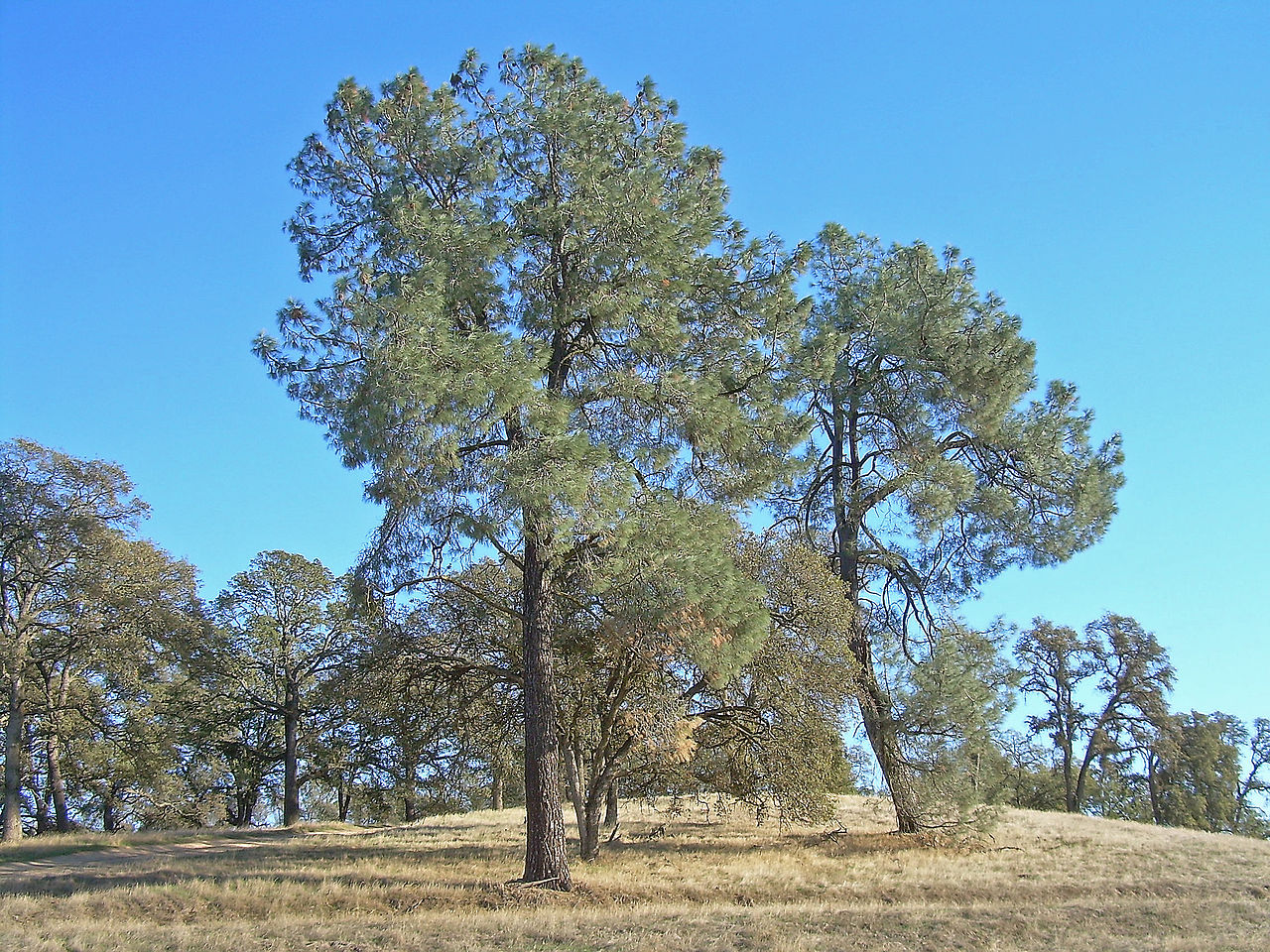


Cliff Fendlerbush
low water
Photo: Andrey Zharkikh from Salt Lake City, USA (CC BY 2.0), Wikimedia Commons


Coastal Doghobble
low water
Photo: Photo (c)2007 Derek Ramsey ( Ram-Man ) (GFDL 1.2), Wikimedia Commons


Colorado Four O'Clock
low water
Photo: Jim Morefield from Nevada, USA (CC BY-SA 2.0), Wikimedia Commons


Coming soon
These are on our list to stock next, based on real search demand. Join the waitlist and we will tell you the moment any of them ship.
- King Palm Tree
- Palm Fruit
- Coconut Palm
- Palm Tree Fruit
- Palm Tree Roots
- California Fan Palm
- Acai Palm
- Desert Trees
Questions about desert & dryland
Do desert plants need any water at all once established?
Established desert natives in this category generally survive on rainfall alone in their native range, but a deep, infrequent watering during the first one to two years after planting speeds establishment and reduces transplant loss.
Why do desert plants die in irrigated landscapes?
The most common cause is root rot from summer irrigation meant for nearby lawn or ornamental beds; desert natives generally need sharp drainage and no supplemental water once established, so mixing them into a regularly irrigated zone is the single most common way to lose one.