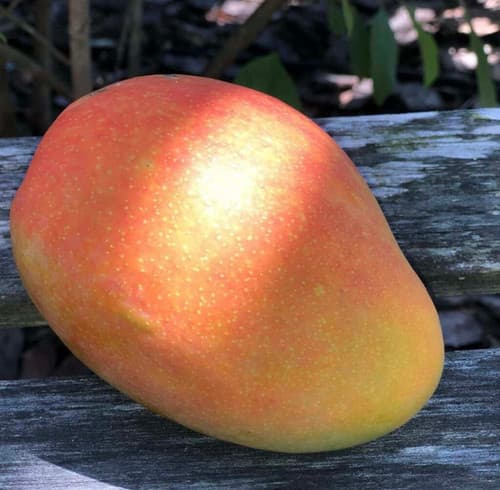
Angie Mango
Mangifera indica
Angie Mango is for gardeners who want a harvest with a story, not another anonymous patio plant. The Angie mango is named after Angie Whitman, the wife of Bill Whitman, a famous rare fruit explorer and collector. The Angie mango is a dwarf mango variety that is yellow to orange in color when ripe, with a sweet flavor and an average weight of 14 ounces. Dream Landscaper pairs those variety notes with the practical details that matter after delivery: heat, drainage, pollination, pruning and honest cold limits.
$59 shipping in the continental U.S. Free shipping at $175. We cannot ship live plants to California, Alaska, or Hawaii.
What makes Angie Mango worth growing?
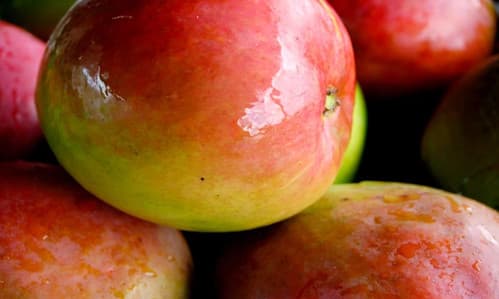
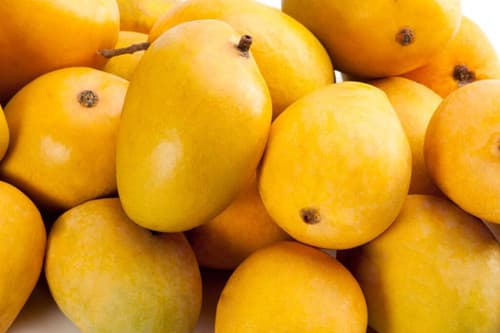
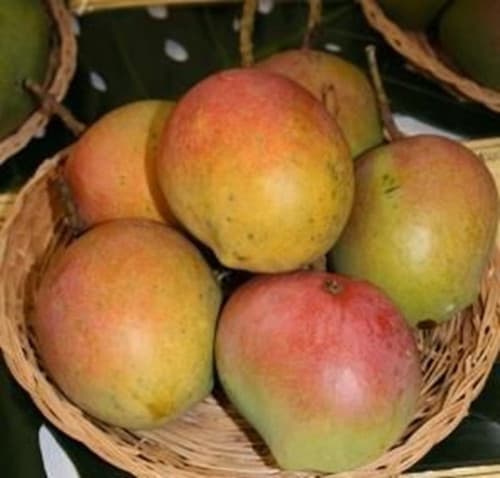
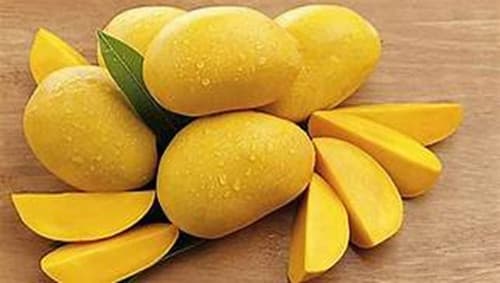
The Angie mango is named after Angie Whitman, the wife of Bill Whitman, a famous rare fruit explorer and collector. The Angie mango is a dwarf mango variety that is yellow to orange in color when ripe, with a sweet flavor and an average weight of 14 ounces. The fruit is oblong in shape, with yellow fiberless flesh that is tangerine orange in color. The Angie mango has a firm texture with little fiber and a lot of juice. It has notes of rich spice, resin, and stone fruit, and its flavor is similar to the Alphonso mango and the Carrie mango. The Angie mango tree is semi-dwarf and easy to manage through yearly pruning. The trees can reach heights of 10–15 feet tall with a canopy spread of up to 15 feet. The Angie mango is a cross between the Edward and Carrie mango, and some say you can taste flavors from both parents in the Angie mango. The practical catch is simple: tropical fruit rewards the right site more than heroic maintenance. Give it drainage, sun, root room and a cold plan before the first freeze warning.
Fruit quality
- Flavor and texture
- Variety-dependent sweetness, acidity, fiber and resin notes
- Typical harvest
- Summer into early fall, depending on variety and climate
- Best use
- Pick and ripen according to the variety, then taste it fresh before deciding what belongs in smoothies, desserts or the neighbors' hands.
Tree character
- Botanical group
- Mangifera indica
- Mature size
- Often 10-30 ft with pruning, larger if left alone
- Pollination
- Usually self-fertile, though another mango can improve set
Care without theater
- Light
- Full sun, with heat and airflow
- Soil
- Fast-draining sandy loam; never a wet planting hole
- Water
- Deeply while establishing, then let the upper soil dry between waterings
- Cold reality
- Frost tender
See the fruit and the tree in real gardens
Angie Mango questions
How much does Angie Mango cost?
Angie Mango is $90.00 before shipping and tax. Continental U.S. shipping is $59 below $175 and free when the tropical-tree merchandise subtotal reaches $175. We cannot ship live plants to California, Alaska, or Hawaii.
What climate does Angie Mango need?
USDA 10-11; protect young trees below 40°F. Frost tender. Local microclimates still matter, so cold protection may be needed near the edge of the range.
How should I plant Angie Mango?
Full sun, with heat and airflow. Use fast-draining sandy loam; never a wet planting hole and water deeply while establishing, then let the upper soil dry between waterings. Keep the original root flare at or slightly above grade.
Will Angie Mango fruit by itself?
Usually self-fertile, though another mango can improve set