
Why Fall Tree Planting Beats Spring: The Root-Growth Reason
Fall gives a newly planted tree warm soil, cooler air, and time to build roots before summer arrives. Here is how to plant one now in Austin without drowning it, burying the trunk, or wasting money on a hole full of fancy soil.
September 19, 2026
By Valeria Navarro
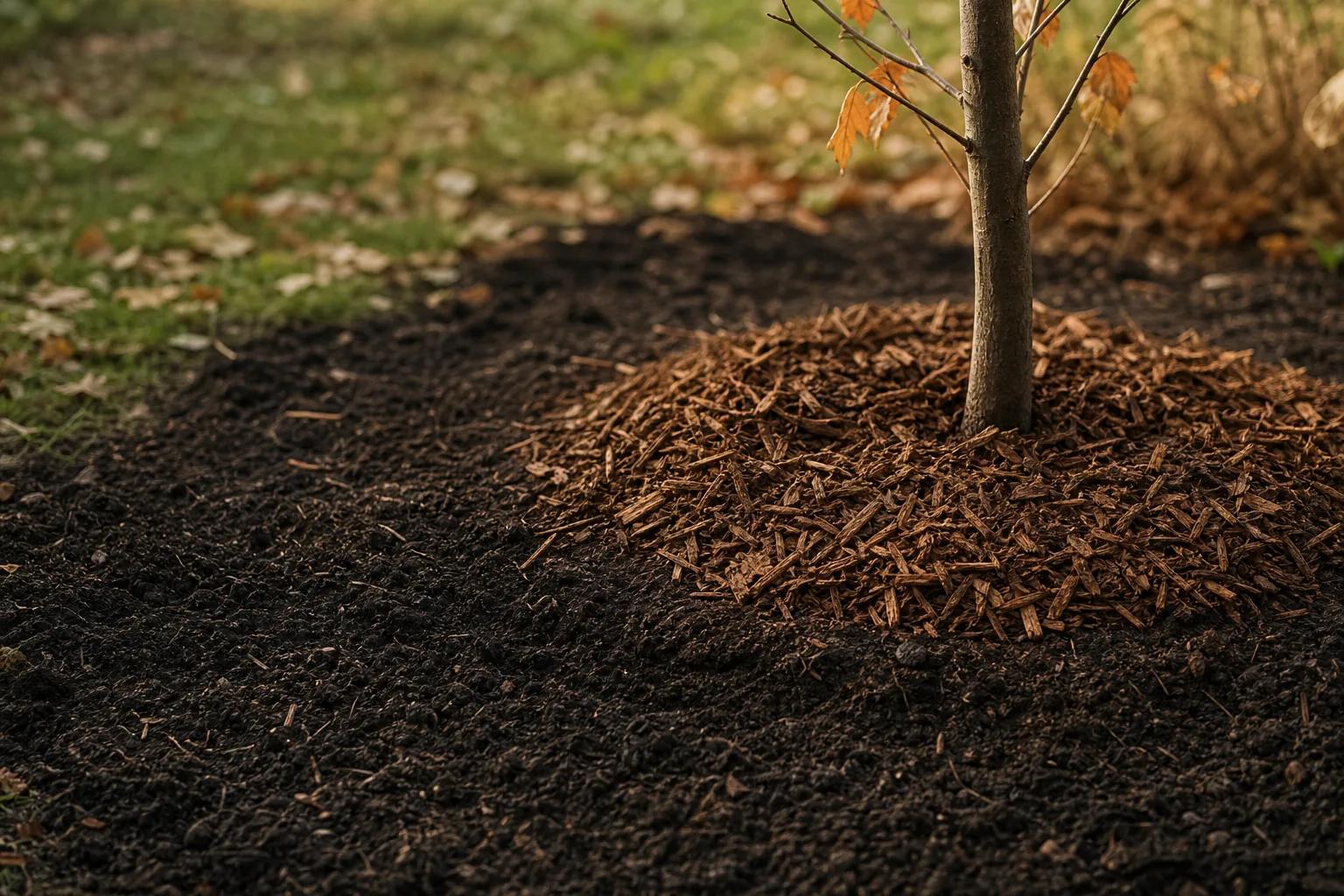
Fall tree planting beats spring because the soil stays warm after the air cools, so roots can grow while the tree’s top growth slows or goes dormant. That gives the tree an underground foundation before summer heat and water demand arrive.
I take that deal every time. In Austin, where a new tree may face alkaline clay, limestone, water restrictions, and a long run of heat, roots are the part I want working first. The leaves can wait.
Why does fall planting help tree roots?
Fall planting helps tree roots because the ground can hold summer warmth while the air becomes cooler, giving roots a favorable growing medium without asking the leafy top of the tree to work as hard. The cooler air also reduces moisture loss, so the tree can establish underground before the following summer’s heat and water demand.
That is the whole argument. Not autumn color. Not a cute garden-calendar trick. Root growth.
Research on fall planting describes warm soil and cooler air as a strong combination for root development, with trees able to establish their root systems before summer arrives (From the Ground Up).
The top may look quiet. That does not mean the tree is doing nothing. In fall, many trees move toward dormancy, so the visible growth slows while the root zone can continue developing in warm, moist soil (Evergreen of Johnson City).
Everyone says spring is the season of new beginnings. In practice, spring planting gives a new tree less time to build roots before summer heat starts asking for water. Spring can work, but fall gives the root system a head start, and that is the advantage I would spend money on.
When should I plant a tree in Austin this fall?
Plant a tree in early to mid-fall, choosing a crisp, frost-free day while the soil is still holding warmth. For an Austin garden, that usually means aiming for September or October rather than waiting until the first hard cold arrives, then continuing to check soil moisture through fall instead of watering by the calendar.
Do not wait for the air to feel fully cold. The point is the difference between the air and the soil. The air moderates first. The ground keeps some of summer’s warmth.
I would skip a planting day when the ground is waterlogged, when a freeze is forecast, or when you cannot water the root ball thoroughly afterward. A frost-free day is the useful rule here, not a magic date.
Give the new tree several fall weeks to settle before winter becomes the main concern. Check the soil once a week during dry weather. If it is drying, water deeply enough to settle the planting area. If it is already wet, leave the hose alone. Winter overwatering is one of the fastest ways to turn a good fall plan into a soggy mess.
Who is fall tree planting for, and who should wait?
Fall tree planting suits a homeowner who can plant during early to mid-fall, water during dry periods, and watch moisture through winter. It is especially useful for a yard facing a hot summer, restricted irrigation, or a tree that needs time to establish before high water demand returns. Wait if you cannot monitor it after planting.
This is for the person standing in the garden now with a workable planting site, a hose, and enough time to check the tree weekly. It is also for the homeowner who would rather build roots before the next brutal season than gamble on a rushed spring planting.
Wait if the planting area stays wet, the tree is badly root-bound, or you are about to leave town for several weeks. A new tree is not a set-it-and-forget-it decoration. It needs water when the soil dries and less water when winter keeps the soil damp.
I learned this difference the hard way. In Miami, my abuela’s pots sat on hot concrete, and sandy fill drained before I finished watering. Austin clay does the opposite, holding water and then setting like a brick, so I pay much closer attention to moisture than I did on that patio.
If you are still deciding where the tree belongs, use the plant database to check mature size and site needs before you dig. The right planting season cannot rescue the wrong location.
How wide and deep should the planting hole be?
Dig a hole wide enough for the tree’s root ball, but keep the planting depth tied to how the tree was growing in its container or nursery soil. Set the tree at that same depth unless a specific recommendation says slightly deeper, then backfill with native soil and water thoroughly to settle it.
Width gives the new roots room to move into surrounding soil. Depth is where people get nervous and start improvising. Do not bury the trunk because the hole looks too shallow, and do not leave the root ball perched above the surrounding grade.
Before you dig, place the tree in the hole and check its depth from several angles. The top should match the tree’s original growing depth. If the root ball is exposed or the trunk disappears into soil, stop and adjust.
The trade-off is simple. A wide hole takes more digging now. A narrow hole makes the roots fight compacted edges later. I would rather spend an extra half hour with a shovel than spend a whole season wondering why the tree is struggling.
Should I mix compost into the backfill soil?
Use native soil as the main backfill and mix compost lightly rather than replacing the site soil with a rich imported blend. Native soil keeps the root ball connected to the ground the tree must eventually occupy, while a heavy amendment can create a different moisture environment around the roots and costs more without fixing a poor planting depth.
The research guidance is clear about backfilling with native soil mixed lightly with compost. Lightly is doing real work in that sentence. This is not permission to fill the hole with a wheelbarrow mountain of compost.
Austin soil already has an attitude. Clay can hold moisture for a long time, while limestone and calcareous ground can make digging unpleasant. A bagged soil product may feel easier to work with, but the trade-off is money and a backfill pocket that may behave differently from the surrounding soil.
I would spend that money on a sound tree and careful watering instead. If the site is impossible to dig or drains poorly, fix the site problem before planting. Compost is not a magic apology for bad drainage.
How much should I water and mulch a fall-planted tree?
Water the newly planted tree thoroughly after backfilling, then continue watering during dry fall periods while checking the soil rather than following a rigid schedule. Add 2 to 4 inches of organic mulch over the root zone, but keep it a few inches away from the trunk so the base stays uncovered.
Mulch earns its place here. It conserves moisture and insulates the root zone, helping the soil stay warmer after the air turns cold (Chicago Tribune). That supports the root-growth reason for planting now.
Use leaves, shredded bark, or straw if that is what you have. Leaves are inexpensive but can mat together. Shredded bark lasts longer but costs more. Straw can blow around and look untidy after a windy day. Every mulch has a downside, so choose the one you will actually maintain.
Keep the mulch a few inches from the trunk. A mulch volcano is not extra care. It is a damp pile pressed against bark, and it hides the trunk flare you need to see.
Water deeply enough to settle the soil immediately after planting. Then check during dry weather. The mistake is not always too little water. In winter, overwatering can be just as careless, so adjust based on moisture instead of your guilt.
Is fall really better than spring for planting a tree?
Fall is better than spring for most home tree planting because warm soil supports root development while cooler air lowers moisture stress, giving the tree time to establish before summer. Spring remains a workable backup when fall conditions are missed, but it asks the tree to build roots while heat and water demand arrive sooner.
Here is the honest comparison. No season makes a bad site good, and a tree planted badly in October is still badly planted. Fall simply gives me the better sequence: roots first, heat later.
| Planting option | Best reason to choose it | Honest downside |
|---|---|---|
| Early to mid-fall | Warm soil and cooler air support root establishment before summer | You must monitor moisture through fall and avoid winter overwatering |
| Spring | Useful if fall planting was missed or the site was not ready | The tree has less time to establish before summer heat and water demand |
| Late fall near a freeze | Can be the only available window in a busy calendar | Cold arrives before the tree gets much establishment time |
That is why I would not delay a ready planting site just because spring feels more familiar. Familiar is not the same as favorable. If you have a frost-free fall day, a suitable hole, and a way to water, plant now.
For a simple site plan before you buy materials, get a concept for your yard and check that the tree’s future size fits the space. The trade-off is a few minutes planning now versus pruning, moving, or replacing a tree later.
What mistakes ruin a fall tree planting?
The common fall planting failures are burying the tree too deeply, digging a hole that is too narrow, skipping the first thorough watering, piling mulch against the trunk, and continuing to water heavily through a wet winter. Each mistake interferes with the root establishment that makes fall planting worthwhile.
Here is my short inspection list:
- Check depth. The tree should sit at the same depth it had in its container or nursery soil, unless a specific recommendation says otherwise.
- Check width. The hole needs to be wide enough for the root ball, not merely deep enough to make the tree stand up.
- Check the backfill. Use native soil with a light amount of compost, not a hole packed with a completely different soil product.
- Check the water. Water thoroughly after planting, then respond to dry periods.
- Check the mulch. Keep 2 to 4 inches over the root zone and a few inches away from the trunk.
- Check winter moisture. If rain has kept the soil wet, do not add more water just because the tree is new.
My favorite rule is also the least glamorous: touch the soil before you turn on the hose. Your tree does not care that it is Tuesday. It cares whether the root zone is dry, damp, or saturated.
How long should I care for a tree planted in fall?
Care for a fall-planted tree through dry periods until spring leaf growth shows that it has moved into its next active season, while continuing to adjust watering to site moisture. Do not automatically reduce attention after one rainy week, and do not keep watering heavily through winter when the soil is already wet.
The first season is about observation. Look at the soil. Look at the mulch. Look at whether water is settling the root ball or racing away from it. Then make the smallest correction that solves the problem.
After new leaf growth appears in spring, regular watering can be reduced according to the site’s moisture needs, as the research guidance notes. That does not mean abandoning the tree in the first hot spell. It means the tree has reached a new checkpoint.
I have killed enough basil to know that a calendar is not care. A date can tell you when to plant, but the soil tells you when to water. In an Austin yard, that distinction saves more plants than optimism ever will.
What is the main root-growth reason fall beats spring?
The main reason fall beats spring is that soil can remain warm while air temperatures cool, allowing roots to develop while the tree’s above-ground growth slows or becomes dormant. Cooler air also reduces moisture stress, so the tree can establish before summer heat and water demand arrive.
Can I plant a tree in October in Austin?
Yes, you can plant a tree in October in Austin if the day is frost-free, the soil can be worked, and you can water thoroughly afterward. October fits the early to mid-fall window I prefer, but the exact day matters less than avoiding frozen or waterlogged conditions and monitoring moisture afterward.
How deep should a fall-planted tree go?
A fall-planted tree should go into the soil at the same depth it occupied in its container or nursery soil, unless a specific recommendation says slightly deeper. Dig the hole wide enough for the root ball, use native soil with light compost, and do not bury the trunk to compensate for a shallow-looking hole.
How much mulch should I put around a new tree?
Put 2 to 4 inches of organic mulch around a new tree, covering the root zone while leaving a few inches of bare space around the trunk. Leaves, shredded bark, and straw can all work, but leaves may mat, bark costs more, and straw can blow away.
Should I water a tree through winter after fall planting?
Water a tree through winter only when the soil is drying, not automatically after every calendar week. Fall-planted trees need water during dry periods, but overwatering is a risk when winter moisture remains in the ground. Check the soil and adjust rather than treating every new tree as permanently thirsty.
Is spring planting still possible if I miss fall?
Spring planting is still possible if you miss fall, but it gives the tree less time to establish before summer heat and water demand arrive. Plant at the correct depth, use native soil with light compost, water thoroughly, and monitor moisture closely so the tree is not stressed during its first hot season.
Want a plan for your own yard?
Tell us the space and we will put a planting plan together for it. Start at get my concept, or browse what actually grows where you are over on plants.
Frequently asked questions
What is the main root-growth reason fall beats spring?
The main reason fall beats spring is that soil can remain warm while air temperatures cool, allowing roots to develop while the tree’s above-ground growth slows or becomes dormant. Cooler air also reduces moisture stress, so the tree can establish before summer heat and water demand arrive.
Can I plant a tree in October in Austin?
Yes, you can plant a tree in October in Austin if the day is frost-free, the soil can be worked, and you can water thoroughly afterward. October fits the early to mid-fall window I prefer, but the exact day matters less than avoiding frozen or waterlogged conditions and monitoring moisture afterward.
How deep should a fall-planted tree go?
A fall-planted tree should go into the soil at the same depth it occupied in its container or nursery soil, unless a specific recommendation says slightly deeper. Dig the hole wide enough for the root ball, use native soil with light compost, and do not bury the trunk to compensate for a shallow-looking hole.
How much mulch should I put around a new tree?
Put 2 to 4 inches of organic mulch around a new tree, covering the root zone while leaving a few inches of bare space around the trunk. Leaves, shredded bark, and straw can all work, but leaves may mat, bark costs more, and straw can blow away.
Should I water a tree through winter after fall planting?
Water a tree through winter only when the soil is drying, not automatically after every calendar week. Fall-planted trees need water during dry periods, but overwatering is a risk when winter moisture remains in the ground. Check the soil and adjust rather than treating every new tree as permanently thirsty.
Is spring planting still possible if I miss fall?
Spring planting is still possible if you miss fall, but it gives the tree less time to establish before summer heat and water demand arrive. Plant at the correct depth, use native soil with light compost, water thoroughly, and monitor moisture closely so the tree is not stressed during its first hot season.
Free, no obligation
Ready to design your dream landscape? Start here.
Tell us where you are and we will start a free profile for you, with plants that actually survive your climate and a real sense of what the build would cost.