
When to Pick Olives for Table Curing Versus Oil
Green, turning, and black olives are not interchangeable harvest stages. Pick by size, color, and firmness, because the olive you cure for the table is a different product from the olive you send to the press.
September 27, 2026
By Valeria Navarro
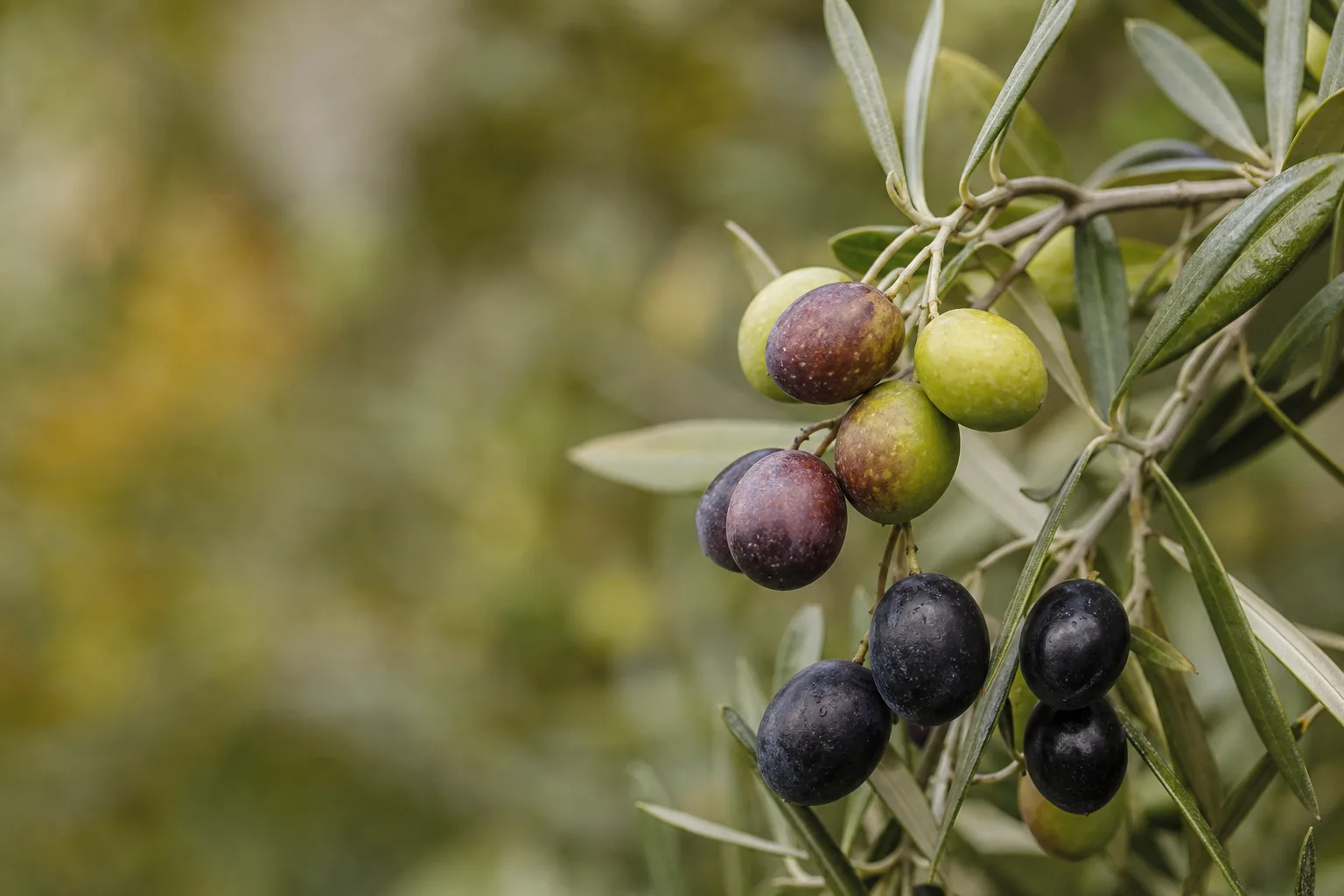
When should you pick green olives for table curing?
Pick green olives for table curing when they have reached mature size, usually 2 to 3 centimeters long, but still have glossy green skin and firm flesh. That stage commonly arrives 6 to 8 weeks after the flowers drop. Do not wait for softness. Soft green fruit is already losing the texture that makes a good table olive.
Green is not simply an immature version of an oil olive. It is its own product. The flesh is dense, the bitterness is strong, and the finished olive can hold a pleasant snap after curing.
Use your fingers. A mature green olive should feel full-sized and solid, not hard as a pebble and not yielding under light pressure. If the skin has started looking dull or yellowed, you are leaving the earliest table stage.
Everyone says to pick by the calendar. In practice, the calendar loses to your tree, because bloom timing, heat, and local weather shift the harvest. In Austin, I would rather inspect five olives from different parts of the canopy than trust a date printed on a planting tag.
Can you eat olives at the green stage?
You can harvest olives at the green stage for table curing, but you should not eat them straight from the tree. Fresh green olives are intensely bitter and need a water cure or brine cure, started promptly after picking, before they become a useful food.
That bitterness is not a sign that you picked badly. It is part of the raw fruit. The mistake is treating a freshly picked olive like a tomato and tasting one at the sink, then deciding the tree is hopeless. I have killed basil with more confidence than that, and olives deserve a little more patience.
A water cure can draw bitterness out through repeated water changes, but it asks for attention and time. A brine cure is more forgiving about your schedule, though it still requires clean handling and patience. Either way, bruised fruit deteriorates faster, so handle green olives gently and begin the process soon after harvest.
A useful table-cure reference describes olives chilling overnight in salt water before the next step, which supports the basic rule that fresh fruit should move quickly into its curing process rather than sit warm in a bowl. Read the salt-water curing guidance, and follow a tested recipe for the complete method.
When should you pick turning olives for a milder table olive?
Pick turning olives when the skin is changing from green toward purple or reddish color but the fruit is still firm. This is usually 2 to 3 weeks after the best green stage. Turning fruit gives a milder table olive than fully green fruit, while preserving enough firmness for curing.
Look for color that is beginning, not finished. One side may show purple while the shoulder remains green. That is the window. If the whole olive is dark and soft, you have crossed into the oil harvest conversation.
Turning olives are less dramatic to judge than green ones because the color changes unevenly across a tree. Walk around it. Fruit on the sunny outside may color before olives tucked inside the canopy, so harvest in batches if you want one consistent jar.
The trade-off is texture. Turning fruit can taste gentler after curing, but it may not keep the same crisp bite as the firmest green harvest. You gain a softer flavor profile and lose some margin for rough handling.
Should olives for oil be fully black before harvest?
Olives for oil should be uniformly deep black with flesh that yields slightly to gentle pressure. This stage usually arrives 4 to 5 months after bloom, when oil content peaks. Pick for pressing or crushing promptly, because fully ripe fruit is softer and more vulnerable to bruising and quality loss.
Black means mature here, not rotten. The skin should be dark across the fruit, and the flesh should feel slightly yielding rather than collapsed. If the olive leaks, smells fermented, or has damaged areas, separate it instead of mixing it into your oil harvest.
Oil fruit is not judged by whether it looks pretty in a bowl. It is judged by maturity, oil content, and how quickly it reaches the mill or crusher. An olive harvest guide notes that the final timing depends on weather, with one harvest commonly taking place in early October, so the tree gets the last word. See the harvest timing example.
Do not expect black olives to give you the firm, bright table texture of green fruit. That is the trade-off. You gain more mature oil potential and a softer fruit, but you sacrifice the clean snap and easy handling that make green olives suited to curing.
What is the difference between green, turning, and black olives?
Green, turning, and black olives are three different products, not three labels for the same harvest. Green fruit is firm and strongly bitter, turning fruit is changing color and usually milder after curing, and black fruit is soft enough for oil production when its skin is uniformly dark.
| Harvest stage | What to look for | Best use | Honest downside |
|---|---|---|---|
| Green | Mature size, glossy green skin, firm flesh | Table curing | Strong bitterness and more curing work |
| Turning | Purple to reddish color beginning, fruit still firm | Milder table curing | Less crisp and harder to harvest uniformly |
| Black | Uniformly dark skin, slightly yielding flesh | Oil pressing or crushing | Bruises easily and is poor for crisp table olives |
Here is the simple position I use in my own garden: pick green or turning olives for the table, and leave black olives for oil. Trying to split one harvest between every purpose usually gives you a mixed bowl with mixed results.
The stages overlap slightly. A tree can hold green fruit in its shaded center while exposed fruit is already turning. That is normal. Sample from several branches, and let your intended use decide which fruit you pick first.
Who is this olive harvest advice for, and who should ignore it?
This advice suits a homeowner with fruit for a small table cure or a local oil pressing service, especially someone who can inspect the tree weekly in fall. Ignore the oil guidance if you have only a few olives and no practical way to press them promptly, because fully ripe fruit sitting for days can become a frustrating, bruised pile.
Choose green or turning harvest if your goal is jars for your household, gifts, or a firm bite with dinner. Choose black harvest if you have enough fruit to justify pressing, a nearby mill, or a coordinated group harvest.
A single backyard tree may not produce enough oil to make pressing worthwhile. The fruit may be perfectly mature and still yield a small amount. That is not failure. It is the cost of asking one ornamental-sized tree to act like an orchard.
This is also for people willing to watch the tree instead of demanding one perfect Saturday. If work, travel, or weather gives you only one harvest day, green table olives offer a little more handling tolerance than soft black fruit, though they still need curing promptly.
How should you harvest olives in fall?
Harvest olives by hand in the early morning, when the fruit is cool, and place them gently into shallow containers. Green and turning olives should go directly toward curing, while black oil olives should go toward pressing or crushing as soon as possible to limit bruising and oxidation.
Do not drop ripe olives into a deep bucket. The weight on the bottom bruises fruit, especially at the black stage. Use a shallow basket, crate, or tray, and keep the fruit out of direct sun while you finish the tree.
Hand picking costs time. Mechanical shaking is faster, but it can bruise branches and fruit, and a homeowner usually does not need that drama for one tree. If you use a pole, the trade-off is speed versus damage, so reserve it for fruit you will process quickly and inspect carefully.
Fall weather can turn on you. In Central Texas, a hot afternoon can warm a harvest fast, while an early cold snap can change your schedule. I learned this rhythm again after moving from Miami, where sandy fill drained before I finished watering, to Austin clay that holds water and then sets like a brick. Olive timing here is observation, not wishful thinking.
What should you do with olives you pick today?
Sort today’s olives by color and firmness before choosing a use. Start curing green and turning olives promptly, and arrange pressing for black olives without storing them for several days. If you are unsure, record the harvest date, photograph the fruit, and compare samples from the same tree next week.
Keep green, turning, and black fruit in separate containers. One soft black olive can stain the decision for the whole bowl, and mixed maturity makes both curing and pressing less predictable.
For a table project, choose a tested water or brine recipe and follow its salt, water, container, and timing instructions exactly. Brine is not a magic fix for neglected fruit. Its trade-off is that it needs patience and careful process, not just a pinch of salt tossed into a jar.
For an oil project, call the mill before harvest. A harvest guide notes that early October is a typical milling period in one location, but weather has the final say, so a local mill’s schedule matters more than a generic date. Browse our plant database if you are comparing olive types, or get a concept for your yard if you are deciding where an olive tree belongs before planting one.
What are the most common olive harvesting mistakes?
The most common mistake is choosing one color rule for every purpose. Pick green and turning olives for table curing, black and slightly yielding olives for oil, and do not let a strict calendar replace inspection of size, firmness, and skin color.
Another mistake is waiting for every olive on the tree to match. Sun exposure changes ripening speed. Harvesting in two or three passes can give you better results than forcing shaded green fruit and sunny black fruit into the same project.
People also wait too long after picking. Soft oil olives are not pantry decorations. They need prompt crushing or pressing. Green and turning olives need prompt curing, too, because time at warm room temperature makes bruising and spoilage more likely.
Finally, some gardeners ignore the amount of fruit they have. If you have one small tree, table curing may be the practical choice. If you have several mature trees and access to a mill, oil becomes more sensible. The right harvest is the one that matches your quantity, your time, and your kitchen.
How long after flowering should I pick green olives for curing?
Pick green olives for curing about 6 to 8 weeks after the flowers drop, once the fruit reaches roughly 2 to 3 centimeters and remains glossy green and firm. Use those numbers as a checkpoint, not a command. Weather and tree conditions can shift the exact date, so inspect the fruit before harvesting.
How long should I wait for turning olives?
Wait about 2 to 3 weeks beyond the ideal green harvest, until the skin begins changing toward purple or reddish color while the flesh stays firm. Turning olives are suited to a milder table cure, but the harvest window is uneven, so sample fruit from sunny and shaded branches before picking.
Are fully black olives better for table curing or oil?
Fully black, slightly soft olives are better suited to oil production than crisp table curing. Their mature stage can bring peak oil content, but the fruit bruises more easily and loses the firm texture expected from green table olives. Pick black fruit only when you can arrange prompt pressing or crushing.
Can I mix green, turning, and black olives in one batch?
You can mix them physically, but you should not if you want predictable results. Green, turning, and black olives have different firmness, bitterness, and processing needs. Sort them first, then cure green and turning fruit together only if your recipe allows it, while sending black fruit toward oil.
What time of day is best for picking olives?
Early morning is the best harvest time because the fruit is cooler and can move into curing or pressing before it heats up. Use shallow containers, handle the olives gently, and keep them shaded. The trade-off is that morning picking takes planning, but it reduces the rough handling that damages soft fruit.
How do I know whether my olives are ready for oil?
Olives are ready for oil when the skin is uniformly deep black and the fruit yields slightly under gentle pressure without smelling fermented or showing serious damage. This often occurs 4 to 5 months after bloom, but climate changes the calendar. Judge color, firmness, and prompt access to pressing together.
Want a plan for your own yard?
Tell us the space and we will put a planting plan together for it. Start at get my concept, or browse what actually grows where you are over on plants.
Frequently asked questions
How long after flowering should I pick green olives for curing?
Pick green olives for curing about 6 to 8 weeks after the flowers drop, once the fruit reaches roughly 2 to 3 centimeters and remains glossy green and firm. Use those numbers as a checkpoint, not a command. Weather and tree conditions can shift the exact date, so inspect the fruit before harvesting.
How long should I wait for turning olives?
Wait about 2 to 3 weeks beyond the ideal green harvest, until the skin begins changing toward purple or reddish color while the flesh stays firm. Turning olives are suited to a milder table cure, but the harvest window is uneven, so sample fruit from sunny and shaded branches before picking.
Are fully black olives better for table curing or oil?
Fully black, slightly soft olives are better suited to oil production than crisp table curing. Their mature stage can bring peak oil content, but the fruit bruises more easily and loses the firm texture expected from green table olives. Pick black fruit only when you can arrange prompt pressing or crushing.
Can I mix green, turning, and black olives in one batch?
You can mix them physically, but you should not if you want predictable results. Green, turning, and black olives have different firmness, bitterness, and processing needs. Sort them first, then cure green and turning fruit together only if your recipe allows it, while sending black fruit toward oil.
What time of day is best for picking olives?
Early morning is the best harvest time because the fruit is cooler and can move into curing or pressing before it heats up. Use shallow containers, handle the olives gently, and keep them shaded. The trade-off is that morning picking takes planning, but it reduces the rough handling that damages soft fruit.
How do I know whether my olives are ready for oil?
Olives are ready for oil when the skin is uniformly deep black and the fruit yields slightly under gentle pressure without smelling fermented or showing serious damage. This often occurs 4 to 5 months after bloom, but climate changes the calendar. Judge color, firmness, and prompt access to pressing together.
Free, no obligation
Ready to design your dream landscape? Start here.
Tell us where you are and we will start a free profile for you, with plants that actually survive your climate and a real sense of what the build would cost.