
When Should You Pick Apples for Eating or Storage?
Use color, firmness, and a gentle lift as observations, not guarantees. The supplied research does not establish a reliable schedule for storage apples, eating apples, starch tests, seed color, or ease of separation, so this guide shows what you can safely conclude today and what remains unverified.
September 29, 2026
By Valeria Navarro
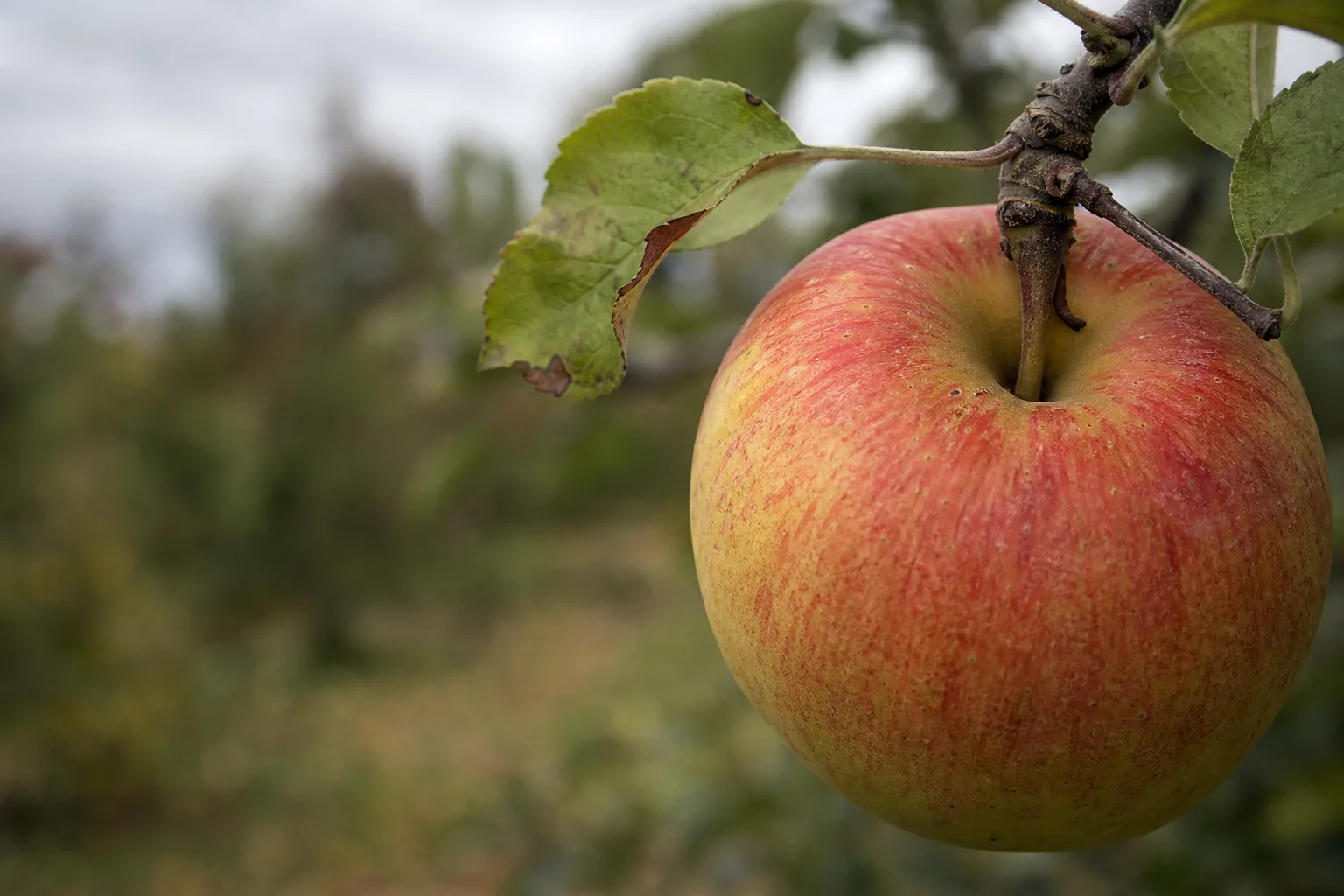
Pick apples for eating when they show good color and feel firm, using the fruit’s condition as your practical check. Storage apples may need a different harvest moment, but the supplied sources do not provide a dependable date, temperature, starch reading, seed color, or separation test, so do not treat those signs as proven rules.
When should you pick apples for eating right now?
For an apple you plan to eat soon, choose fruit with good color and firm flesh, then use its condition rather than an invented calendar date. Safeway gives that direct buying guidance, but it does not provide a home-orchard picking schedule, so I would treat color and firmness as useful observations, not proof of perfect maturity. Safeway’s fruit guide supports that limited conclusion.
Stand beside the tree and inspect several apples, not just the prettiest one. Good color matters because it is the only appearance cue in the supplied research that directly addresses apples, while firmness gives you a second check.
Do not squeeze hard. A bruise or soft spot changes the fruit you are evaluating, and Safeway specifically says to avoid bruised or soft apples. That is a quality check, not a harvest timetable.
My position is simple: for immediate eating, pick the fruit that looks good and feels firm. For storage, stop pretending the same check answers the whole question. It does not.
Why are storage apples picked at a different moment from eating apples?
Storage apples and eating apples should be treated as two separate decisions because the supplied sources do not give one harvest rule for both uses. An eating apple is judged here by visible color and firmness, while no supplied source establishes when an apple has the right internal condition for storage, so the storage decision remains unverified.
That distinction is the argument I would put on the garden gate. If you want dinner tonight, you are choosing eating quality. If you want fruit to hold, you are making a storage decision that needs evidence about the specific variety and conditions, and the research provided does not supply it.
The NC State botany material explains that starch is a primary storage carbohydrate in plants, but it does not connect that fact to apple harvest timing or storage life. The science is real; the leap from “apples contain starch” to “pick when starch reaches this level” is not supported by that source. Read the NC State botany explanation.
In my Austin garden, I would rather admit a missing answer than send you outside with a fake number. We have enough surprises here already, from clay that holds water to a February freeze that still lives in every gardener’s memory.
Can color and firmness tell you when an apple is ready?
Color and firmness can help you choose an apple that appears fresh and usable, but the supplied research does not say they identify the exact harvest moment. Safeway says to look for good color and fruit that is firm to the touch, while also avoiding bruising and soft spots. That is practical selection advice, not a storage-readiness test.
Look across the tree. If one apple has good color and firmness while another is pale or soft, record the difference instead of declaring the whole tree ready. You are gathering observations, not applying a proven maturity chart.
The honest trade-off is speed versus certainty. Color and firmness are quick and free, but they cannot answer the storage question from the evidence we have. A laboratory-style test would sound more impressive, yet a method is only useful if its threshold has actually been established for the fruit in front of you.
Everyone says a visual cue should settle the matter. In practice, it only helps you sort what looks ready to eat from what clearly does not. That is still useful. It just is not the whole harvest decision.
What does a starch test tell you about apple picking?
A starch test may show that starch is present or changing, but the supplied research does not state how to perform one on an apple, what color result means “pick,” or whether a result predicts storage. NC State describes starch as a primary storage carbohydrate in plants, yet it gives no apple-picking threshold, so I cannot responsibly name one.
This is where garden advice often gets too confident. A technical word enters the conversation, and suddenly everyone is told to pick at a particular stain color. That specific instruction is absent from the sources supplied for this article.
The trade-off is clear. A starch test sounds precise, but without a validated procedure and cutoff for your apple variety, it can create false confidence. Skipping the test costs you curiosity, not a proven harvest signal.
If you still want to observe starch as a home experiment, label the result as an observation. Do not use it as the sole reason to strip the tree, especially for fruit you hope to store.
Should seed color decide when you pick an apple?
No supplied source supports seed color as a dependable apple-picking signal. The Andra Farm page discusses apple seed germination in three to four weeks and says first harvest from seed-grown apple plants may take four to seven years, but it does not connect seed color with eating readiness, storage readiness, or a picking date. See the apple seed information.
That is a useful boundary. A source can discuss seeds without validating every seed-based garden rule. Seed color may be something you notice, but the research here does not tell you what color to seek or how consistently it works.
The downside of relying on seed color is wasted fruit and misplaced certainty. You could cut open several apples, find mixed results, and still not know whether the fruit belongs in the kitchen or a storage box.
I learned this sort of restraint on my abuela’s Miami patio, where sandy fill drained before I finished watering. Austin taught me the opposite lesson. Clay can hold on too long, so a confident shortcut is still a shortcut, not a guarantee.
Does an apple come off easily when it is ready?
The supplied sources do not establish ease of separation as a reliable apple harvest test. They give no instruction to twist, lift, or pull the fruit, no timing window, and no connection between a clean separation and either eating quality or storage life. Treat easy removal as an observation rather than a proven rule.
The trade-off is physical damage. Any hands-on test can bruise fruit or injure a spur if you pull too hard, and Safeway’s advice to avoid bruised or soft apples makes that downside worth taking seriously, even though the source does not discuss picking technique.
If you inspect separation, handle one apple gently and stop if resistance is high. Do not turn that moment into a dramatic tug-of-war. Your goal is to inspect fruit, not prove a theory with a broken branch.
I would never use ease of separation alone to decide that a whole tree is ready for storage. The evidence supplied simply does not carry that far.
Who is this apple-picking advice for, and who should ignore it?
This advice suits a home gardener standing beside a small apple tree in fall who needs to sort fruit for eating now versus fruit intended for storage. It also suits anyone comparing color, firmness, starch, seed color, and separation without a verified local schedule. Ignore it as a complete storage protocol if you need variety-specific harvest dates or controlled storage guidance.
For a first-time homeowner, the value is knowing what the evidence can actually answer. Good color and firmness can help you choose fresh-looking fruit. They do not provide a complete storage plan.
For an experienced grower, the value is the warning label. Your own records may be excellent, but they are not contained in the supplied research, and I will not dress up an unlisted threshold as universal advice.
For a tree that has only recently begun fruiting, be especially careful about overreading a single apple. The Andra Farm source’s four-to-seven-year statement concerns first harvest from seed-grown plants, not the readiness of a particular apple today.
What should you do with apples you pick today?
Today, separate apples by intended use, inspect color and firmness, remove any fruit with bruising or soft spots from your best-quality group, and write down what you observed. Do not claim that seed color, starch, or easy separation proves storage readiness, because the supplied sources provide no such threshold or schedule.
Here is the small, useful routine I would follow in the garden:
- Choose a few representative apples from different parts of the tree.
- Record whether each has good color and feels firm.
- Set aside fruit with bruises or soft spots for immediate attention rather than your storage group.
- If you inspect seeds, starch, or separation, record those as observations only.
- Label the fruit “eat soon” or “storage question,” not “proven storage ready.”
| Option | What the supplied evidence supports | Honest downside |
|---|---|---|
| Eat soon | Good color, firm feel, and no bruising or soft spots | Does not establish a harvest date or storage life |
| Store | A separate decision from immediate eating | No supplied source gives the correct picking moment or storage conditions |
| Starch observation | Starch is a plant storage carbohydrate | No apple test method, result threshold, or storage prediction is supplied |
| Seed-color observation | You can observe the seeds | No source links seed color with harvest readiness |
| Ease-of-separation observation | You can notice how the fruit comes away | No source validates it, and rough handling can bruise fruit |
If you want help choosing an apple tree or companion planting for your yard later, use the plant database. If you are planning the whole space rather than making today’s harvest call, you can get a concept for your yard, but neither tool replaces a verified variety-specific harvest guide.
What are the most common mistakes with apple harvest tests?
The biggest mistakes are treating an observation as a rule, using one apple to judge a whole tree, and assuming storage fruit follows the same timing as fruit eaten immediately. Color and firmness have limited support here; starch, seed color, and ease of separation do not have a supplied threshold, so each should be handled with caution.
Another mistake is using a source for a claim it does not make. The NC State page discusses plant starch, not an apple starch chart. The Andra Farm page discusses germination and first harvest age, not seed color. Safeway discusses selecting fresh apples, not orchard harvest timing.
Do you need to pick every apple today because fall has arrived? No. The season alone is not a documented answer in the supplied material. Check the fruit, record what you see, and seek guidance specific to the variety and intended use before committing a storage crop.
Here is the comparison I want you to remember: eating apples can be selected by visible quality, while storage apples require a different, currently unanswered decision. That is less flashy than a magic test. It is also more honest.
What should you remember about picking apples for storage?
Pick eating apples when they show good color and firmness and have no bruises or soft spots, but do not use those signs as a complete storage rule. The supplied research does not validate a specific date, temperature, starch result, seed color, or ease-of-separation threshold for storage apples.
When should you pick apples for eating right now?
Pick apples for eating when they show good color and feel firm, while avoiding fruit with bruises or soft spots. That guidance comes from Safeway’s apple-selection advice, not from a harvest calendar. Inspect several apples, because one attractive fruit does not prove the entire tree is ready.
Why are storage and eating apples picked at a different moment?
Storage and eating apples represent different goals, so they should not automatically share one harvest moment. The supplied sources support color and firmness for choosing fresh apples, but they do not provide the storage timing, variety-specific threshold, or conditions needed to say exactly when storage fruit should be picked.
Can color and firmness tell you when an apple is ready?
Color and firmness can help you choose an apple that looks fresh and usable. They do not, based on the supplied research, identify an exact orchard harvest date or prove storage readiness. Use them as practical observations, then keep the storage decision separate.
What does a starch test tell you about apple picking?
The supplied research only establishes that starch is a primary storage carbohydrate in plants. It does not provide an apple starch-test method, a result to look for, or a picking threshold. Therefore, a starch observation cannot be presented here as a proven storage or eating harvest signal.
Should seed color decide when you pick an apple?
No. The supplied apple seed source discusses germination in three to four weeks and first harvest from seed-grown plants in four to seven years, but it does not connect seed color with harvest readiness. Seed color may be recorded, but it should not decide the picking moment by itself.
Does an apple come off easily when it is ready?
The supplied sources do not validate easy separation as an apple harvest test. They give no technique, timing window, or connection to storage quality. If you notice how fruit separates, record it as an observation and handle the apple gently, because bruising works against the fresh-fruit quality guidance.
That is the whole answer, amiga. Use the signs we can support, name the gaps we cannot, and do not let a confident garden myth boss you around in the orchard.
Want a plan for your own yard?
Tell us the space and we will put a planting plan together for it. Start at get my concept, or browse what actually grows where you are over on plants.
Frequently asked questions
When should you pick apples for eating right now?
Pick apples for eating when they show good color and feel firm, while avoiding fruit with bruises or soft spots. That guidance comes from Safeway’s apple-selection advice, not from a harvest calendar. Inspect several apples, because one attractive fruit does not prove the entire tree is ready.
Why are storage and eating apples picked at a different moment?
Storage and eating apples represent different goals, so they should not automatically share one harvest moment. The supplied sources support color and firmness for choosing fresh apples, but they do not provide the storage timing, variety-specific threshold, or conditions needed to say exactly when storage fruit should be picked.
Can color and firmness tell you when an apple is ready?
Color and firmness can help you choose an apple that looks fresh and usable. They do not, based on the supplied research, identify an exact orchard harvest date or prove storage readiness. Use them as practical observations, then keep the storage decision separate.
What does a starch test tell you about apple picking?
The supplied research only establishes that starch is a primary storage carbohydrate in plants. It does not provide an apple starch-test method, a result to look for, or a picking threshold. Therefore, a starch observation cannot be presented here as a proven storage or eating harvest signal.
Should seed color decide when you pick an apple?
No. The supplied apple seed source discusses germination in three to four weeks and first harvest from seed-grown plants in four to seven years, but it does not connect seed color with harvest readiness. Seed color may be recorded, but it should not decide the picking moment by itself.
Does an apple come off easily when it is ready?
The supplied sources do not validate easy separation as an apple harvest test. They give no technique, timing window, or connection to storage quality. If you notice how fruit separates, record it as an observation and handle the apple gently, because bruising works against the fresh-fruit quality guidance.
Free, no obligation
Ready to design your dream landscape? Start here.
Tell us where you are and we will start a free profile for you, with plants that actually survive your climate and a real sense of what the build would cost.