
What Tree Is It? A Practical Way to Identify the Tree in Your Garden
Standing under a tree in fall and wondering what it is? You can narrow it down by observing its leaves, fruit, bark, size, and purpose, then compare the likely choices before planting or pruning.
September 29, 2026
By Valeria Navarro
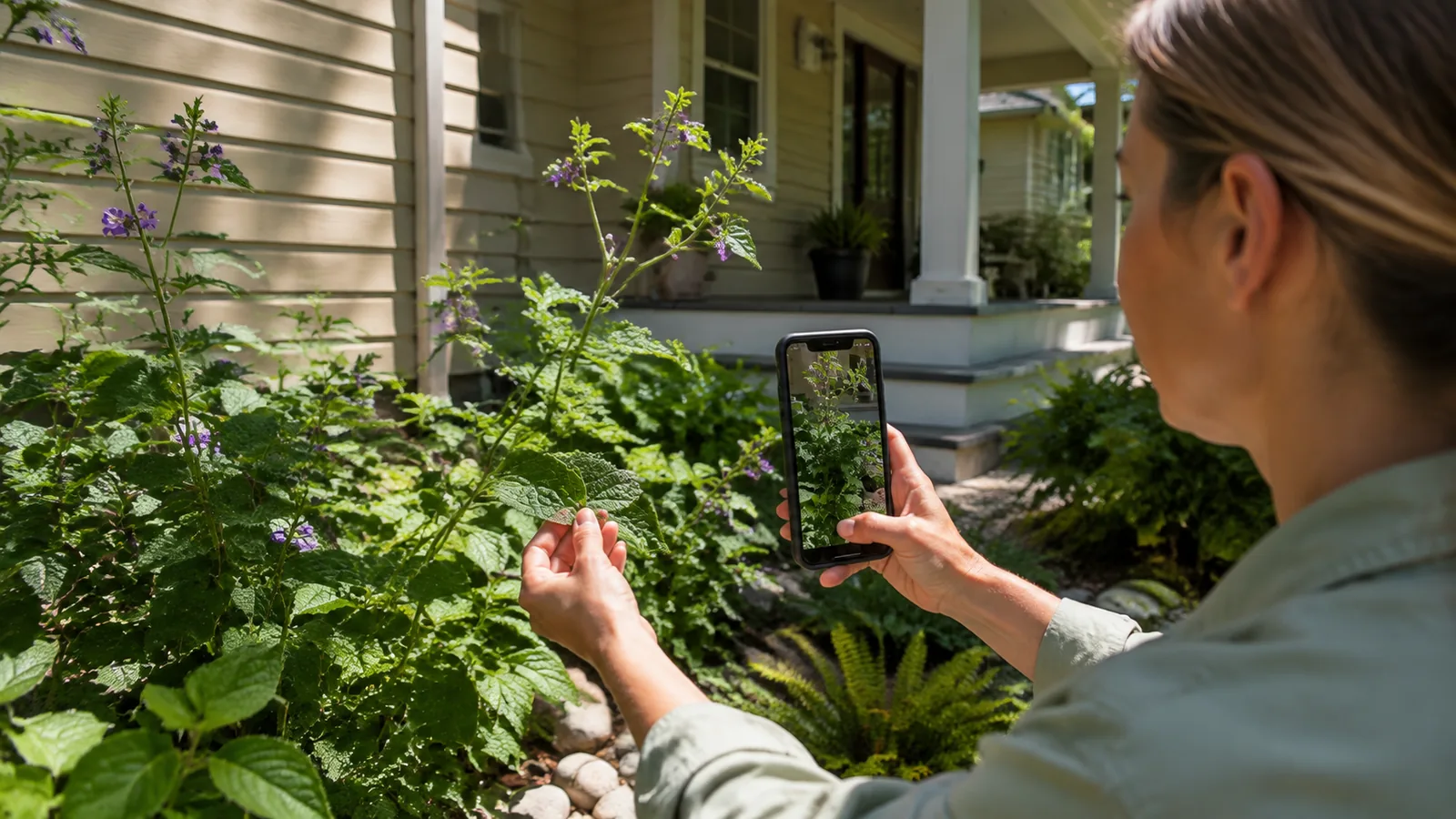
The phrase “what tree is it” is not enough to identify a tree safely, especially without a photograph, leaf, fruit, bark, or full-tree details. In a fall garden, first decide whether you are looking at an ornamental tree such as yew or a fruit tree such as apple or pear, then compare mature size, evergreen or deciduous habit, and care demands.
What tree is it if I only have a fall garden view?
You cannot identify a tree from the search phrase alone, and one fall glance is not proof of a species. Start with the whole shape, then record whether it is evergreen or losing leaves, whether it carries fruit, and how large it appears beside the house; those clues narrow the field before any planting decision.
Take three photographs. One should show the entire tree, one should show a branch with leaves or bare buds, and one should show the trunk and bark. Add a ruler, garden trowel, or your hand for scale, because “small tree” can mean 10 feet to one person and 25 feet to another.
Now ask yourself a slightly nosy question: is this tree beautiful, useful, or both? That matters. A tree grown for trained form has a different job from a tree grown for apples or pears, and the care bill follows the job.
In Austin, do not skip the ground. Caliche and limestone, alkaline clay, and summer drought can make a tree look unhappy even when the identification is correct. A name is not a care plan. I have killed plants by choosing the right species for the wrong patch of soil. Humbling, but useful.
How can I identify a tree from its leaves, fruit, bark, and shape?
Identify the tree by recording four features together: leaf presence in fall, fruit or seed, trunk texture, and mature shape. No single feature settles the question, because pruning can change the silhouette and seasonal weather can remove leaves early; a useful identification compares the whole tree with a reliable guide.
Use this quick field note:
- Leaves: Are they still present in November, or are they turning and dropping? Write down whether the leaf is broad, narrow, needle-like, glossy, or soft. Do not rely on color alone.
- Fruit: Is there fruit hanging now, old fruit on the ground, or nothing at all? Photograph it in place. Do not taste anything to identify it.
- Bark: Photograph the trunk at eye level and again near the base. Smooth, flaky, furrowed, and peeling are useful descriptions, not diagnoses.
- Shape: Is the tree upright, rounded, columnar, or trained into a formal shape? A clipped tree can hide its natural form.
The plant database is the sensible next stop once you have those notes. Search by likely category, mature size, and seasonal habit instead of scrolling through every tree on the internet at midnight, which is how I once ended up comparing six kinds of ornamental grass at 1:00 a.m.
Is the tree ornamental or is it a fruit tree?
The first useful split is purpose: an ornamental tree is selected for structure, evergreen presence, or trained form, while a fruit tree is selected for harvest as well as beauty. Yew represents the ornamental side, while apple and pear represent the home-orchard side, and each asks for a different commitment.
Gardenista describes yew as a tree or shrub that can be trained into an evergreen tree or shrub, with a formal, dignified character and suitability for USDA zones 6 through 10 (Gardenista’s tree guide). Its trade-off is clear: that trained look takes space, patience, and regular attention, so it is not a carefree choice for a busy corner.
Apple and pear trees bring a harvest, but the harvest is not instant. KidsGardening calls fruit trees a long-term investment in time, garden space, and resources, noting that most need several years before producing a substantial crop (KidsGardening fruit-tree guide). Their honest downside is waiting, plus the pruning and seasonal care that keep the orchard productive.
If you are standing in the garden now, look for evidence of purpose. A carefully clipped evergreen form points toward ornamental design. Fallen fruit, fruiting spurs, or an orchard-style spacing points toward food production, but never assume the species from fruit alone.
What does a yew tree look like in a fall garden?
A yew is the likely ornamental candidate when the tree stays evergreen and has been shaped as a formal tree or shrub. Gardenista describes yew as especially effective for topiary and suitable for USDA zones 6 through 10, but its slow, deliberate character is the price of that dignified form (Gardenista’s tree guide).
Look for a dense evergreen outline rather than the open, leafless structure of a deciduous fruit tree. If the plant has been clipped into a cone, column, or rounded mass, photograph the lower trunk too. A shrub trained upward can fool you into thinking it began life as a tree.
My position is firm here: choose yew for architecture, not because you want a quick shade tree or an easy edible crop. Topiary is a method, and the downside is maintenance. Miss several pruning cycles and the crisp shape softens, while a crowded planting bed makes correction harder.
Before buying one, check the plant database for the exact yew selection and mature dimensions. “Yew” is not a complete shopping list. You need the cultivar, final height, final width, and the amount of room you are willing to surrender for that evergreen presence.
What tree is it if the tag says apple or pear?
If the tree is labeled apple or pear, identify the form as well as the fruit type. Home-garden guidance commonly separates apple trees into standard, semi-dwarf, and dwarf sizes, roughly 20 feet, intermediate size, and about 10 feet, while Penn State Extension highlights apple and pear trees for home orchard planning (Penn State Extension home-gardening resources).
A dwarf tree fits a smaller garden more easily, but its smaller footprint does not make it maintenance-free. The trade-off is less canopy and less room for error. A standard tree offers more eventual structure, yet it costs you space and makes harvesting and pruning harder from the ground.
A pear tree can be the better choice for a person who wants orchard character without forcing a large standard tree into a narrow bed, but do not buy from the common name alone. Ask for the named variety, mature size, pollination needs, and expected first substantial crop.
KidsGardening also frames fruit growing as an opportunity to learn about pollination, tree growth, and care (KidsGardening fruit-tree guide). That is lovely, yes, but it is still work. A fruit tree is not a decorative pot with a bonus snack attached.
Should I choose a dwarf, semi-dwarf, or standard fruit tree?
Choose a dwarf fruit tree for a tight home garden, a semi-dwarf tree when you have more room and want a larger framework, and a standard tree only when the site can carry roughly 20 feet of eventual height and substantial width. The smaller form usually fits home gardens better, but every option trades size for space, yield, or maintenance.
| Form | Best fit | Honest downside |
|---|---|---|
| Dwarf, about 10 feet | Small yard, patio edge, easy harvest | Smaller canopy and less room for mistakes |
| Semi-dwarf | Medium home orchard with dedicated planting space | Still needs regular pruning and several years of patience |
| Standard, about 20 feet | Large property with long-term orchard room | Harder to prune, harvest, and keep inside a small garden |
Everyone says “buy the smallest tree.” In practice, that is only half right. Buy the form that fits the mature site, not the container you can carry today, because a bargain tree planted too close to a wall becomes an expensive removal later.
Measure the planting space this fall. Mark the trunk location, measure 5 feet in each direction for a dwarf starting point, and then check the final dimensions on the plant listing. For a semi-dwarf or standard tree, measure again from windows, paths, fences, and overhead lines.
Who is this tree-identification advice for, and who should ignore it?
This advice suits a homeowner standing beside an unfamiliar tree, planning a replacement, choosing a fruit-tree size, or deciding whether an evergreen ornamental belongs in a fall design. Ignore it as a final diagnosis if a tree is near a power line, split at the trunk, leaning toward a house, or producing fruit you might eat, because identification and safety need qualified local help.
It also suits the first-time homeowner in Del Valle and the gardener in Round Rock who inherited a planting without a tag. Write down the month, take clear photographs, and compare the site conditions before moving or pruning anything.
Do not use this article to declare a wild plant edible. No home test settles whether an unknown plant or mushroom is safe to eat. If someone may have swallowed an unknown plant or mushroom, contact Poison Control at 1-800-222-1222 and contact a local mycological society for identification support.
For a full replacement plan, get a concept for your yard after you measure the site. A concept can show where the tree belongs, but it cannot rescue a bad mature-size choice.
When should I identify or plant a tree in Austin?
Fall is a good moment to identify a tree because you can observe leaf drop, fruit persistence, branch structure, and the amount of evergreen cover before spring growth hides the evidence. Planting decisions still need a site check for Austin’s clay, limestone, drought, and occasional severe freezes, including the February 2021 freeze that remains a useful warning.
Stand beside the tree today and record the date, temperature, and condition. “Leaves turning in October” is more useful later than “looked autumnal.” Take another photograph in four weeks. Seasonal comparison often tells you more than one dramatic snapshot.
Austin gardens can swing from wet soil to brick-hard clay. Sandy fill in Miami drained before I finished watering; here, water can sit in clay and then disappear into cracks when August stays above 100 degrees for weeks. That contrast is why I never identify a tree and immediately buy three more.
Wait before heavy pruning until you know what the tree is and what the branch structure is doing. The cost of guessing is not just an ugly cut. It can be a lost harvest, a missized canopy, or a plant that never earns its place in your yard.
What tree is it, and what should I do next?
The next step is to document the tree, sort it into ornamental or fruit-bearing use, confirm its evergreen or deciduous habit, and compare mature dimensions with your site. Use the plant database for the likely species, then choose a planting plan only after the name and size are reasonably confirmed.
Here is my fall checklist:
- Photograph the whole tree, one branch, the bark, and any fruit.
- Measure approximate height and canopy width.
- Record whether leaves remain, turn color, or drop.
- Write down the soil condition, sun exposure, and nearby structures.
- Compare yew, apple, and pear only if the observed traits support those categories.
- Check the mature size before buying a dwarf, semi-dwarf, or standard form.
- Ask for local confirmation if the plant is toxic, damaged, wild, or intended for eating.
The question “what tree is it” deserves more than a fast guess from a blurry leaf. Slow down for ten minutes, gather evidence, and let the tree tell you whether it is trying to be a formal evergreen, a future orchard, or something else entirely.
What tree is it if I only have a fall garden view?
You cannot identify a tree from the search phrase alone, and one fall glance is not proof of a species. Start with the whole shape, then record whether it is evergreen or losing leaves, whether it carries fruit, and how large it appears beside the house; those clues narrow the field before any planting decision.
How can I identify a tree from its leaves, fruit, bark, and shape?
Identify the tree by recording four features together: leaf presence in fall, fruit or seed, trunk texture, and mature shape. No single feature settles the question, because pruning can change the silhouette and seasonal weather can remove leaves early; a useful identification compares the whole tree with a reliable guide.
Is the tree ornamental or is it a fruit tree?
The first useful split is purpose: an ornamental tree is selected for structure, evergreen presence, or trained form, while a fruit tree is selected for harvest as well as beauty. Yew represents the ornamental side, while apple and pear represent the home-orchard side, and each asks for a different commitment.
What does a yew tree look like in a fall garden?
A yew is the likely ornamental candidate when the tree stays evergreen and has been shaped as a formal tree or shrub. Gardenista describes yew as especially effective for topiary and suitable for USDA zones 6 through 10, but its slow, deliberate character is the price of that dignified form (Gardenista’s tree guide).
What tree is it if the tag says apple or pear?
If the tree is labeled apple or pear, identify the form as well as the fruit type. Home-garden guidance commonly separates apple trees into standard, semi-dwarf, and dwarf sizes, roughly 20 feet, intermediate size, and about 10 feet, while Penn State Extension highlights apple and pear trees for home orchard planning (Penn State Extension home-gardening resources).
Should I choose a dwarf, semi-dwarf, or standard fruit tree?
Choose a dwarf fruit tree for a tight home garden, a semi-dwarf tree when you have more room and want a larger framework, and a standard tree only when the site can carry roughly 20 feet of eventual height and substantial width. The smaller form usually fits home gardens better, but every option trades size for space, yield, or maintenance.
Want a plan for your own yard?
Tell us the space and we will put a planting plan together for it. Start at get my concept, or browse what actually grows where you are over on plants.
Frequently asked questions
What tree is it if I only have a fall garden view?
You cannot identify a tree from the search phrase alone, and one fall glance is not proof of a species. Start with the whole shape, then record whether it is evergreen or losing leaves, whether it carries fruit, and how large it appears beside the house; those clues narrow the field before any planting decision.
How can I identify a tree from its leaves, fruit, bark, and shape?
Identify the tree by recording four features together: leaf presence in fall, fruit or seed, trunk texture, and mature shape. No single feature settles the question, because pruning can change the silhouette and seasonal weather can remove leaves early; a useful identification compares the whole tree with a reliable guide.
Is the tree ornamental or is it a fruit tree?
The first useful split is purpose: an ornamental tree is selected for structure, evergreen presence, or trained form, while a fruit tree is selected for harvest as well as beauty. Yew represents the ornamental side, while apple and pear represent the home-orchard side, and each asks for a different commitment.
What does a yew tree look like in a fall garden?
A yew is the likely ornamental candidate when the tree stays evergreen and has been shaped as a formal tree or shrub. Gardenista describes yew as especially effective for topiary and suitable for USDA zones 6 through 10, but its slow, deliberate character is the price of that dignified form ([Gardenista’s tree guide](https://www.gardenista.com/posts/everything-need-know-trees)).
What tree is it if the tag says apple or pear?
If the tree is labeled apple or pear, identify the form as well as the fruit type. Home-garden guidance commonly separates apple trees into standard, semi-dwarf, and dwarf sizes, roughly 20 feet, intermediate size, and about 10 feet, while Penn State Extension highlights apple and pear trees for home orchard planning ([Penn State Extension home-gardening resources](https://extension.psu.edu/trees-lawns-and-landscaping/home-gardening)).
Should I choose a dwarf, semi-dwarf, or standard fruit tree?
Choose a dwarf fruit tree for a tight home garden, a semi-dwarf tree when you have more room and want a larger framework, and a standard tree only when the site can carry roughly 20 feet of eventual height and substantial width. The smaller form usually fits home gardens better, but every option trades size for space, yield, or maintenance.
Free, no obligation
Ready to design your dream landscape? Start here.
Tell us where you are and we will start a free profile for you, with plants that actually survive your climate and a real sense of what the build would cost.