
What to Plant in November by Zone: Why Dormant Planting Wins
November is the best month for dormant planting in most climate zones. This guide breaks down exactly what to plant by USDA zone and why dormant planting gives stronger, earlier growth than waiting until spring.
September 18, 2026
By Diego Navarro
Why is November the best time for dormant planting in most zones?
Dormant planting in November lets roots start growing as soon as soil warms, while reducing pest pressure and satisfying cold requirements for many plants. This strategy beats spring planting for earlier, stronger growth and better survival, especially for perennials, trees, and hardy vegetables. Spring planting may seem easier, but it puts young roots up against weeds, heat, and insects from day one. Dormant planting gives plants a head start when conditions are mild and soil is still workable. In Central Texas, I’ve seen trees planted in November outpace spring-planted ones by a full year’s growth.
What should I plant in November in USDA Zones 3-5?
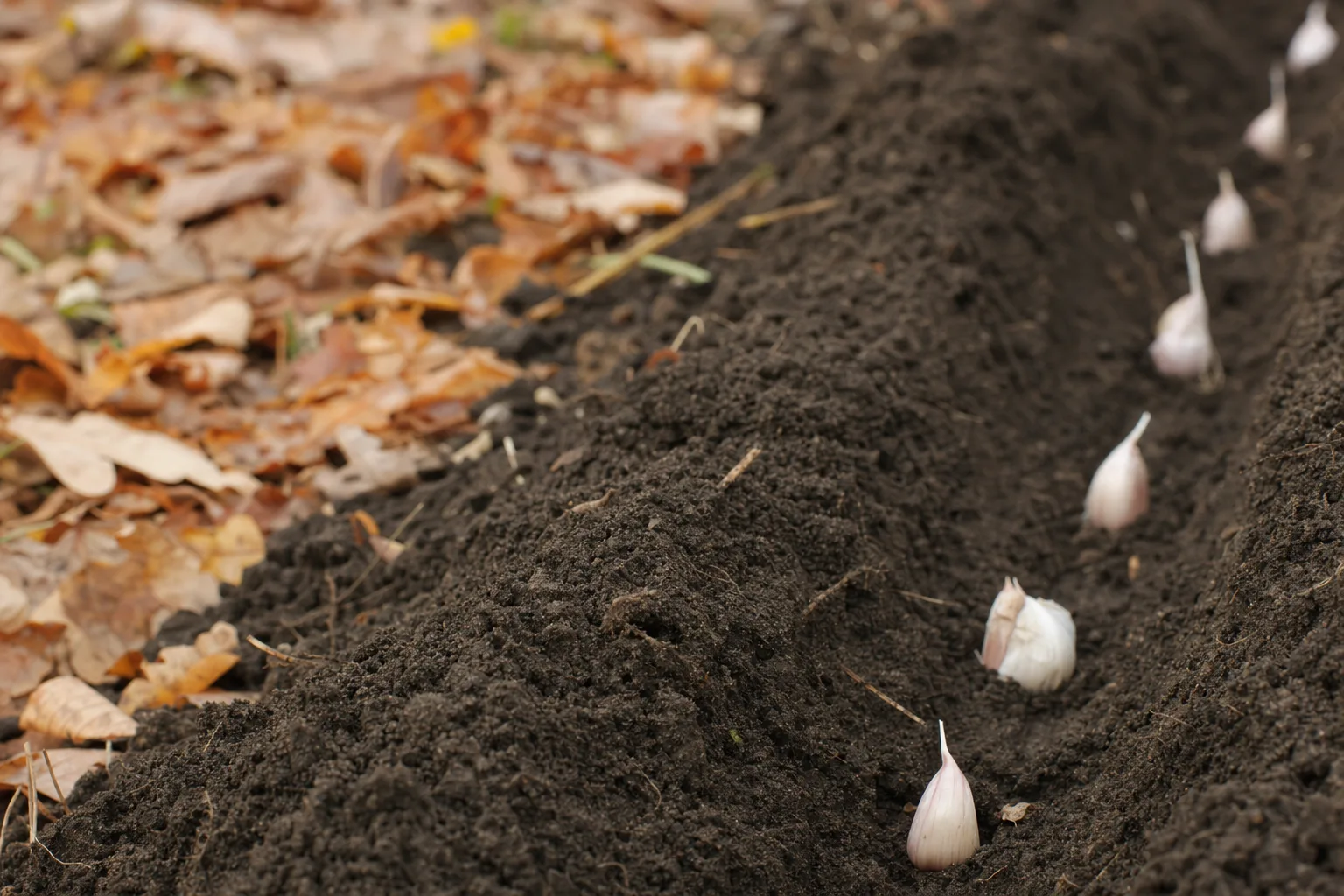
In Zones 3-5, plant garlic, shallots, onion sets, spring bulbs like tulips and daffodils, hardy shrubs, fruit saplings, and winter cover crops. These crops handle freezes and need winter chill to thrive. Garlic and onions go in 2 inches deep, spaced 4 inches apart, before the ground freezes. Tulips and daffodils should be planted 6 inches deep. Choose woody shrubs and fruit trees hardy to your zone; they’ll root in before snow comes. Plant cover crops like rye or hairy vetch to protect and feed the soil. If you’ve got a cold frame or row cover, you can even try kale, collards, and mustard greens for an early-spring harvest (source).
What should I plant in November in USDA Zones 6-7?
Zones 6-7 allow you to plant garlic, onions, spring bulbs, fruit trees, berry bushes, and frost-tolerant root crops like carrots, beets, turnips, radishes, and rutabagas. Leafy greens like lettuce, spinach, Swiss chard, and peas can also be sown late for overwintering. Set garlic and onion sets 2 inches deep and 4 inches apart. Sow carrots and beets in loose soil; keep them moist until sprouting. Trees and berries go in as soon as leaves drop, with roots spread wide and holes twice as wide as the root ball. Mulch everything with 2 to 3 inches of compost or shredded leaves to protect roots from freeze-thaw cycles (source).
What should I plant in November in USDA Zones 8-10?
Zones 8-10 open up a second growing season, so you can plant cool-season vegetables like broccoli, cabbage, cauliflower, kale, lettuce, carrots, beets, peas, and even some warm-season crops like tomatoes and peppers. The mild winter means less stress and more options. Plant broccoli, cabbage, and kale 12 to 18 inches apart. Tomatoes and peppers should be set out with row cover protection if a cold snap threatens. Woody ornamentals, citrus, and subtropical fruit trees root best in cool, moist soil before summer’s heat. In Austin, I plant Swiss chard, beets, and carrots in November and harvest them through January. Don’t forget to mulch well and water deeply at planting (source).
What is dormant planting and how is it different from spring planting?
Dormant planting means setting out plants or seeds while the plant is not actively growing, usually after its leaves have fallen or it’s gone to rest for winter, but before the soil freezes. This lets roots grow quietly through winter, ready to explode into growth in spring. Spring planting puts stress on new roots to compete with weeds and adapt quickly to rising heat. Dormant planting avoids that crunch, allows roots to take up moisture from winter rains, and often produces earlier, more vigorous plants come spring. In black clay or heavy soils, this also means you dig while the ground is still soft, not after it’s baked hard by summer.
What happens if I wait until spring to plant?
Waiting until spring to plant means your new plants have to compete with weeds, face rising temperatures, and deal with pest outbreaks. Roots don’t get the early start they need, and you may lose the window for certain crops that require winter chill or vernalization. In Central Texas, spring-planted trees need twice as much watering and often lag behind their fall-planted cousins by a full season. You’ll also be fighting the calendar: some crops like garlic or tulips simply won’t perform if planted in spring. If you’re only free once the weather warms, stick to annuals and quick-growing veggies, but know you’re missing out on the best root establishment.
Who should use dormant planting, and who shouldn’t?
Dormant planting is for gardeners with workable soil in November, who want earlier, stronger plants and can water at planting. If your ground is frozen solid, you’ll have to wait for spring. Folks who travel all winter or can’t water at all should skip dormant planting. If you’re in a flood zone or have standing water, avoid planting anything that can rot. Dormant planting is a good fit for anyone growing perennials, woody shrubs, fruit trees, bulbs, or cool-season vegetables. It’s less useful if your main focus is tender annuals or you’re starting a new bed on raw, compacted soil.
How do I prepare soil and care for November plantings?
For November plantings, loosen soil down 8 to 12 inches, mix in 2-3 inches of compost, and make sure drainage is good. Water the planting hole before and after planting to settle the soil. Mulch with 2-3 inches of shredded leaves, straw, or pine bark to protect roots from temperature swings. Don’t plant bulbs or tubers too deep, twice their height is enough. In heavy clay, raise beds or plant on a slight mound to keep roots from sitting in water. Check on new trees and shrubs every two weeks, watering if it hasn’t rained.
What are the honest trade-offs of dormant versus spring planting?
Dormant planting gives you earlier growth, stronger roots, and less pest pressure, but only works if your soil isn’t frozen and you can water if needed. Spring planting is easier for annuals and for folks who can’t plant in cold weather, but it means slower establishment, more watering, and sometimes weaker plants. In Central Texas, the soil is soft in November but rock-hard in March, which is reason enough to do the work now. If you’re in a mild winter zone, dormant planting is almost always the better choice. Just don’t try it if you’re likely to forget about your new plants until April.
What are my main November planting options by zone, and what’s the downside of each?
| Option | Best Zones | What to Plant | Main Downside |
|---|---|---|---|
| Garlic & Onions | 3-7 | Sets & cloves | Won’t size up if planted late |
| Spring Bulbs | 3-7 | Tulips, daffodils | Rot in waterlogged soil |
| Hardy Greens | 3-7 | Kale, collards, mustard | Need row cover in freezes |
| Root Veggies | 6-10 | Carrots, beets, radish | Can stall in poor drainage |
| Cool-season Veggies | 8-11 | Broccoli, lettuce, peas | Bolts early if a warm snap |
| Fruit Trees/Shrubs | 3-10 | Apples, figs, berries | Need deep watering, mulch |
| Citrus/Subtropical | 9-11 | Lemons, avocados | Freeze damage if exposed |
Where can I find a full list of plants for my zone?
You can browse our plant database for zone-specific options, including perennials, annuals, shrubs, and trees suited to your region. This is the fastest way to check what’s hardy, what needs chill hours, and what your local soil can handle. If you want a tailored plan for your own yard, you can also get a concept for your yard in just a few minutes, and see what fits your space and schedule best.
Frequently Asked Questions
What should I plant in November in USDA Zones 3-5?
In Zones 3-5, plant garlic, shallots, onion sets, spring bulbs like tulips and daffodils, hardy shrubs, fruit saplings, and winter cover crops. These crops handle freezes and need winter chill to thrive. You can also try kale, collards, and mustard greens under row cover for a very early harvest.
What is dormant planting and how is it different from spring planting?
Dormant planting means you plant while the plant isn’t actively growing, letting roots settle in before spring. This gives you earlier, stronger growth, while spring planting puts stress on roots and often results in slower, weaker plants. Dormant planting especially benefits perennials, trees, and bulbs.
What happens if I wait until spring to plant?
If you wait until spring, plants have to compete with weeds, rising temperatures, and pests. Roots don’t get a head start, and you may miss the window for crops that need winter chill. In many climates, spring planting means more watering and slower establishment.
Who should use dormant planting, and who shouldn’t?
Dormant planting is best for gardeners with workable soil in November who want strong, early growth. If your ground is frozen or you can’t water new plants, skip it. This technique is ideal for perennials, trees, bulbs, and cool-season vegetables, but less useful for tender annuals or raw, compacted soil.
How do I prepare soil and care for November plantings?
Loosen the soil 8 to 12 inches deep and mix in compost. Water the planting hole before and after planting, and mulch with 2-3 inches of organic material. Make sure the site has good drainage, and check every two weeks for watering if rain is scarce.
Where can I find a full list of plants for my zone?
You can use our plant database to find zone-specific plant options, or get a concept for your yard for a tailored plan. These resources help you pick the right plants for your local conditions and garden goals.
More questions people ask about this
Where can I find a full list of plants for my zone?
You can use our plant database to find zone-specific plant options, or get a concept for your yard for a tailored plan. These resources help you pick the right plants for your local conditions and garden goals.
Want a plan for your own yard?
Tell us the space and we will put a planting plan together for it. Start at get my concept, or browse what actually grows where you are over on plants.
Frequently asked questions
What should I plant in November in USDA Zones 3-5?
In Zones 3-5, plant garlic, shallots, onion sets, spring bulbs like tulips and daffodils, hardy shrubs, fruit saplings, and winter cover crops. These crops handle freezes and need winter chill to thrive. You can also try kale, collards, and mustard greens under row cover for a very early harvest.
What is dormant planting and how is it different from spring planting?
Dormant planting means you plant while the plant isn’t actively growing, letting roots settle in before spring. This gives you earlier, stronger growth, while spring planting puts stress on roots and often results in slower, weaker plants. Dormant planting especially benefits perennials, trees, and bulbs.
What happens if I wait until spring to plant?
If you wait until spring, plants have to compete with weeds, rising temperatures, and pests. Roots don’t get a head start, and you may miss the window for crops that need winter chill. In many climates, spring planting means more watering and slower establishment.
Who should use dormant planting, and who shouldn’t?
Dormant planting is best for gardeners with workable soil in November who want strong, early growth. If your ground is frozen or you can’t water new plants, skip it. This technique is ideal for perennials, trees, bulbs, and cool-season vegetables, but less useful for tender annuals or raw, compacted soil.
How do I prepare soil and care for November plantings?
Loosen the soil 8 to 12 inches deep and mix in compost. Water the planting hole before and after planting, and mulch with 2-3 inches of organic material. Make sure the site has good drainage, and check every two weeks for watering if rain is scarce.
Where can I find a full list of plants for my zone?
You can use our plant database to find zone-specific plant options, or get a concept for your yard for a tailored plan. These resources help you pick the right plants for your local conditions and garden goals.
Free, no obligation
Ready to design your dream landscape? Start here.
Tell us where you are and we will start a free profile for you, with plants that actually survive your climate and a real sense of what the build would cost.