
What Plant Is This? A Practical Way to Identify It in Your Garden
Standing beside an unknown plant in fall? Here is the fastest way to narrow it down using leaves, stems, flowers, location, and growing conditions before you pull it, move it, or buy anything to treat it.
September 18, 2026
By Diego Navarro
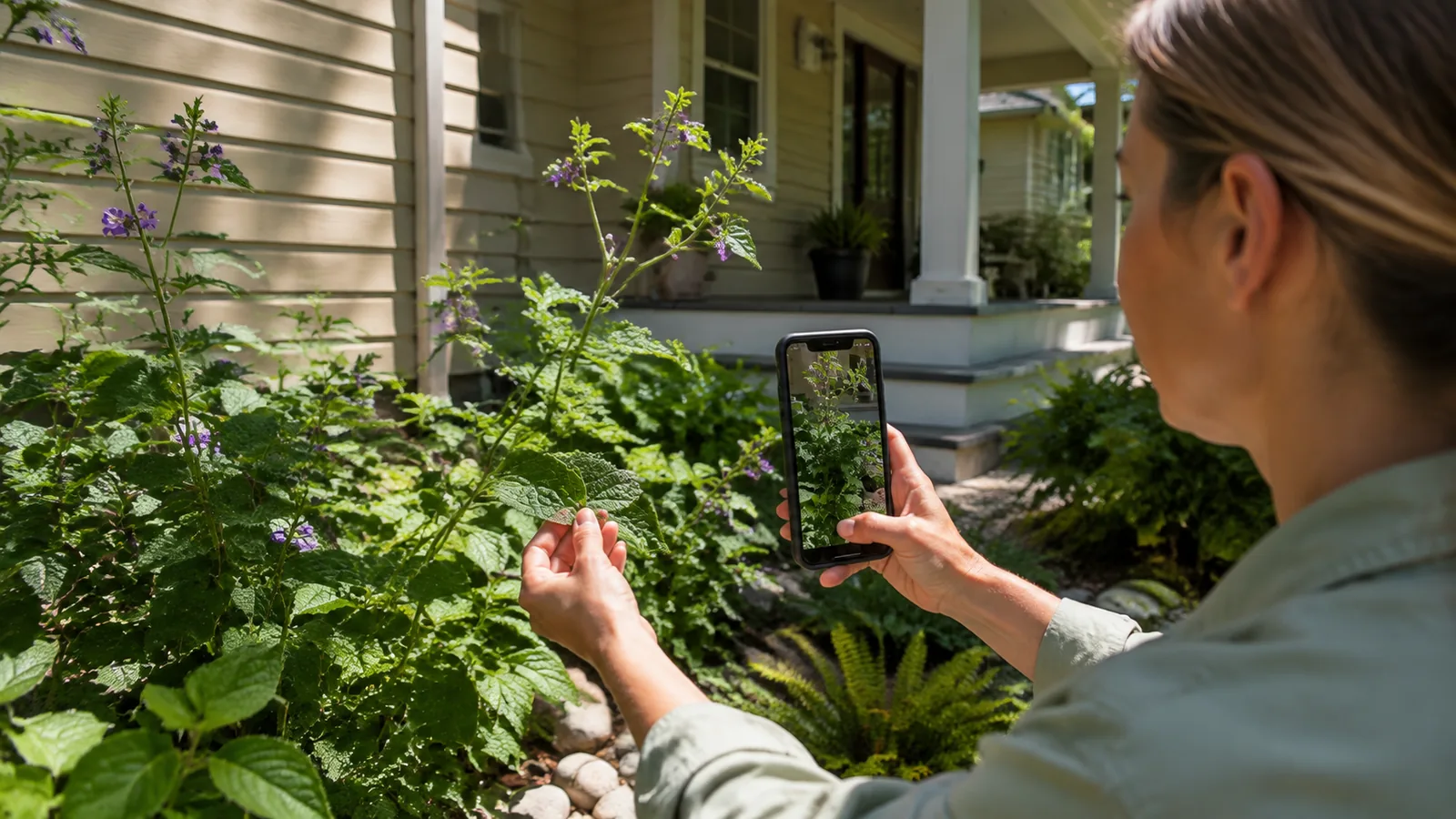
The answer is that nobody can reliably tell you what plant this is without a clear photo or a detailed description of its leaves, stem, flowers, fruit, and growing site. Photograph the whole plant and several close details, compare them with a trusted plant database, and do not eat, spray, or remove an unknown plant until you have confirmed its identity.
What plant is this?
You need more than a leaf photograph to identify an unknown plant accurately. Start with the whole shape, then record leaf arrangement, stem texture, flower color and structure, seed heads, height, location, sunlight, soil moisture, and the month you found it, because each clue rules out different plants.
Take one photograph from six feet away so the plant’s habit is visible. Is it upright, spreading, climbing, clumping, or forming a woody shrub? A single leaf can make a young tree look like a perennial. Plants are sneaky that way.
Take a second photograph of the stem and a third of two leaves, including where each leaf attaches. Opposite leaves, alternate leaves, and leaves arranged in whorls are useful clues, but phone cameras often flatten that detail unless you get close and hold still.
In Austin during fall, also note whether the plant is green after the summer heat, newly emerging after rain, or collapsing with the first cold nights. A plant that appears in a damp gutter is telling you something different from one surviving beside a limestone walkway.
The RHS beginner’s guide recommends choosing plants by their growing conditions rather than by appearance alone, and that same rule helps with identification. The site is part of the evidence.
How can I identify a plant without a flower?
You can often identify a plant without a flower by combining leaf arrangement, leaf edge, vein pattern, stem shape, scent, growth habit, and the plant’s location. Identification is less certain without flowers or fruit, so record the plant now and photograph it again when it blooms instead of forcing a guess.
Look at the leaf edge first. Is it smooth, toothed, lobed, divided into leaflets, or covered with fine hairs? Then turn the leaf over. Veins, fuzz, glands, and a different underside color can separate plants that look nearly identical from above.
Check the stem without damaging the plant. A square stem, milky sap, peeling bark, thorn, tendril, or woody base can be a strong clue, but none should be treated as a home safety test. Do not taste a leaf or rub sap on your skin.
Smell is not a reliable shortcut either. Several unrelated plants can have a minty, citrusy, resinous, or unpleasant odor, and allergies or irritation are possible. Your nose is useful for recording a clue, not for making the final call.
Garden.org’s plant care guide organizes information by plant groups and growing needs, which is useful after you have narrowed the candidate list. Match several traits, not one dramatic feature.
What should I photograph to find out what plant this is?
Photograph the unknown plant in five views: the full plant, the top and underside of a leaf, the stem where leaves attach, any flower or fruit, and the surrounding garden. Include a ruler or familiar object for scale, and take the pictures in daylight without portrait blur or a heavy filter.
For a small plant, place a coin beside one leaf and include the entire stem. For a shrub or young tree, photograph the bark, branching pattern, and the ground beneath it. Scale matters because a three-inch seedling and a three-foot mature plant may have very different leaves.
If the plant has flowers, photograph one open bloom straight on and another from the side. Include the calyx, flower stalk, and any cluster arrangement. A pink flower is not an identification. That is a color, and color has never paid for a shovel.
Record the date, approximate height, hours of direct sun, irrigation, and whether the soil is wet, dry, clay, gravel, or exposed limestone. Write down whether it appeared on its own or was planted by someone else.
You can use the plant database to compare those observations with candidate species. Save the original photographs because later growth, fruit, or fall color may supply the clue the first picture did not.
What details separate one unknown plant from another?
The strongest details are usually leaf arrangement, mature size, stem and bark, flower structure, fruit or seed head, and growing conditions together. A plant’s name should fit the complete pattern, not just one leaf shape or bloom color, so compare at least four independent features before you decide.
Use this checklist while standing beside the plant:
- Size: Measure height and width in inches, not “small” or “large.”
- Leaves: Record length, width, edge, texture, hair, scent, and underside color.
- Arrangement: Note whether leaves are opposite, alternate, or in whorls.
- Stem: Check whether it is green, woody, square, round, thorny, hollow, or milky.
- Flowers: Record the number of petals, flower shape, cluster type, and bloom month.
- Fruit: Photograph berries, pods, cones, or seed heads without touching unknown sap.
- Site: Note sun hours, drainage, irrigation, soil type, and nearby plants.
A useful comparison is a plant’s mature habit, not its nursery tag size. A shrub sold at 12 inches may eventually need 6 feet of room, while a clumping perennial may stay under 24 inches but spread at the base.
The Garden.org identification and care resources support a diagnosis-first approach for common garden questions. That is the sensible order: identify, check conditions, then choose care.
Is this plant a weed or something I planted?
You cannot decide whether a plant is a weed by appearance alone, because “weed” usually means a plant growing where you do not want it. Check whether it was intentionally planted, whether it matches your garden plan, and whether its growth threatens paths, irrigation, structures, or nearby plants before removing it.
Ask everyone who has access to the garden, including the person who planted something two seasons ago and forgot. Mark the plant with a stake and take photographs before pulling it. Fall is a poor time to erase evidence when many perennials are going dormant.
A volunteer plant may be useful, native, invasive, or simply misplaced. Native plants can support backyard biodiversity, but suitability still depends on the region and the site, and a plant that belongs in one part of the country may struggle badly in another. The Grow Native! beginner guide makes that regional limitation clear.
If the plant is spreading through runners, appearing in irrigation lines, or crowding a young tree, remove it after confirming what it is. Wear gloves and long sleeves for unknown plants, bag seed heads, and do not compost material that is carrying obvious disease or mature seeds.
Everyone says to pull a mystery plant early. In practice, a labeled photograph and two weeks of observation can save you from removing the perennial you paid for and keeping the volunteer that will own the bed by spring.
Who is this plant identification method for?
This method suits homeowners with one unknown plant, a new bed, a volunteer seedling, or a fall garden that changed after summer rain. It is also useful for deciding whether a plant needs sun, shade, steady moisture, or drainage before you move it. It is not enough for poisoning, regulated weeds, or emergency exposure decisions.
Use it if the plant is stable and you can observe it safely for several days. A first-time homeowner in Del Valle and a gardener in Round Rock can both follow the same process, even though their soil may differ from black clay to shallow limestone.
Do not rely on a casual internet match if the plant is spreading aggressively, damaging a tree, growing near a septic system, or producing sap that irritates you. For serious tree decline or a structural hazard, use a qualified arborist rather than waiting for a perfect phone identification. Garden.org also points readers toward professional help for tree problems that exceed ordinary garden care.
If your question is about whether an unknown wild plant or mushroom is edible, stop there. No home test settles that question. Do not taste it, and contact Poison Control at 1-800-222-1222 and a local mycological society for mushroom identification.
The method is for careful observation. It is not a license to experiment with your mouth.
What should I do with an unknown plant in fall?
In fall, label the unknown plant, photograph it, monitor it for two to four weeks, and avoid heavy pruning or transplanting until you know whether it is dormant or declining. Water only according to the existing soil moisture, keep the area visible, and wait for flowers, fruit, or new growth if the plant is not causing immediate harm.
Here in Central Texas, a dry-looking plant in October may be dormant, heat-stressed, under-watered, or dead. Digging it up immediately tells you very little. Check the stem for flexible living tissue, inspect the root zone moisture at 4 inches deep, and compare it with a healthy nearby plant.
If you must move it, dig a root ball at least 8 inches wider than the visible crown for a small perennial and replant at the same depth. Water the soil thoroughly once, then check moisture every three days for two weeks. A plant sitting in a shallow limestone pocket will not behave like one in amended soil.
Do not fertilize a mystery plant in fall just because it looks tired. Fertilizer cannot correct a wrong identification, poor drainage, compacted soil, or a damaged root system, and extra growth before a cold snap can create more tender tissue.
The General garden care questions favor matching care to the plant and its conditions. That is the whole job here, just with the name missing.
Which tool should I use after I narrow down the plant?
Use a plant database for comparison, a notebook for observations, and a free yard concept tool only after you understand the plant’s light, soil, and moisture needs. A visual match can suggest candidates, but the database should help verify mature size, care requirements, and whether the plant belongs in your region.
| Tool or approach | Best use | Honest downside |
|---|---|---|
| Plant database | Compare leaves, flowers, size, and care needs | It cannot correct a blurry or incomplete photograph |
| Local nursery or extension office | Confirm regional plants and difficult cases | You may need to wait for a response or bring a sample safely |
| Free yard concept tool | Plan placement after identification | It can place the wrong plant beautifully if your identification is wrong |
| Two-week observation log | Capture flowers, fruit, and seasonal changes | It requires patience and the plant may go dormant first |
Start with the plant database, then check your shortlist against the site. Lavender prefers sun and drainage but dislikes wet feet, coneflower supports a sunny perennial bed but needs room and may look rough after flowering, and rosemary handles heat but can fail in poorly drained clay. Each has a trade-off, so do not plant by name alone.
Once the candidate is confirmed, you can get a concept for your yard and place it where its conditions fit. A beautiful plan for the wrong light is still wrong. Valeria draws the clean version; I am the one who finds the limestone eight inches down.
If the plant is native or locally adapted, check regional guidance before buying several. Native plants can support wildlife and reduce maintenance, but a plant listed as native elsewhere is not automatically right for an Austin yard.
How do I choose care after I identify the plant?
After identification, match care to light, soil, drainage, and moisture, then establish the plant with consistent water before shifting to deeper, less frequent irrigation. Improve compacted soil with compost when appropriate, test pH if the species requires it, mulch without covering the crown, and group plants with similar water needs.
For a new planting, check soil moisture at 4 inches twice each week for the first month. Drip irrigation is useful in Austin, but a timer does not make a bad location good. Adjust the schedule after rain, and inspect emitters because clogged tubing is a quiet way to kill a plant.
A practical fall routine is simple: remove only damaged or diseased growth, leave healthy seed heads when they provide structure or food, pull weeds before they set seed, and keep mulch 2 inches away from stems. The exact pruning date depends on the plant, so confirm it in the database first.
If the plant needs full sun, give it at least 6 hours of direct light. If it prefers shade and moisture, do not place it beside a reflective west-facing wall and promise to water harder. The wall will win in August.
The RHS guide recommends choosing plants that fit the conditions you have, while Garden.org provides plant-specific care information. Those sources agree with every failed bed I have repaired: start with the site, then buy the plant.
What plant is this?
You cannot identify a plant reliably from a vague description or one blurry leaf photograph. Photograph the whole plant, leaf tops and undersides, stem, flowers or fruit, and the surrounding site, then compare several traits in a trusted plant database before deciding how to care for it.
Can I identify a plant without a flower?
You can often narrow down a plant without a flower by recording its leaf arrangement, leaf edge, veins, stem, growth habit, scent, and growing conditions. Final identification may need flowers, fruit, or a later growth stage, so photograph the plant again instead of treating one matching leaf as proof.
What should I photograph to identify a plant?
Photograph the whole plant, one leaf from both sides, the stem where leaves attach, any flower or fruit, and the surrounding soil and light conditions. Include a ruler or coin for scale, use natural daylight, and save the original images so later growth can add useful identification clues.
Is this plant a weed or something I planted?
You cannot tell whether a plant is a weed from appearance alone because the term usually means a plant growing where you do not want it. Ask whether it was planted, label it, photograph it, and observe it for two weeks unless it is spreading aggressively or creating an immediate hazard.
What should I do with an unknown plant in fall?
Label and photograph an unknown plant in fall, then observe it for two to four weeks before heavy pruning or transplanting if it is not causing harm. Check soil moisture at 4 inches, avoid unnecessary fertilizer, and wait for flowers, fruit, or spring growth when dormancy may be hiding its identity.
Can a plant database identify my plant from one photo?
A plant database can suggest possibilities from one photo, but it cannot guarantee identification when the image is blurry, cropped, filtered, or missing the stem and growing site. Use several photographs and compare mature size, leaf arrangement, flowers, and habitat before accepting a match or changing the plant’s care.
Want a plan for your own yard?
Tell us the space and we will put a planting plan together for it. Start at get my concept, or browse what actually grows where you are over on plants.
Frequently asked questions
What plant is this?
You cannot identify a plant reliably from a vague description or one blurry leaf photograph. Photograph the whole plant, leaf tops and undersides, stem, flowers or fruit, and the surrounding site, then compare several traits in a trusted plant database before deciding how to care for it.
Can I identify a plant without a flower?
You can often narrow down a plant without a flower by recording its leaf arrangement, leaf edge, veins, stem, growth habit, scent, and growing conditions. Final identification may need flowers, fruit, or a later growth stage, so photograph the plant again instead of treating one matching leaf as proof.
What should I photograph to identify a plant?
Photograph the whole plant, one leaf from both sides, the stem where leaves attach, any flower or fruit, and the surrounding soil and light conditions. Include a ruler or coin for scale, use natural daylight, and save the original images so later growth can add useful identification clues.
Is this plant a weed or something I planted?
You cannot tell whether a plant is a weed from appearance alone because the term usually means a plant growing where you do not want it. Ask whether it was planted, label it, photograph it, and observe it for two weeks unless it is spreading aggressively or creating an immediate hazard.
What should I do with an unknown plant in fall?
Label and photograph an unknown plant in fall, then observe it for two to four weeks before heavy pruning or transplanting if it is not causing harm. Check soil moisture at 4 inches, avoid unnecessary fertilizer, and wait for flowers, fruit, or spring growth when dormancy may be hiding its identity.
Can a plant database identify my plant from one photo?
A plant database can suggest possibilities from one photo, but it cannot guarantee identification when the image is blurry, cropped, filtered, or missing the stem and growing site. Use several photographs and compare mature size, leaf arrangement, flowers, and habitat before accepting a match or changing the plant’s care.
Free, no obligation
Ready to design your dream landscape? Start here.
Tell us where you are and we will start a free profile for you, with plants that actually survive your climate and a real sense of what the build would cost.