
What Is the Name of This Plant? How to Identify the Sindoor Plant
If the shrub in your garden has bright red, bristly seed pods, it may be the sindoor plant, Bixa orellana. Here is how to check the identification, what to do with it this fall, and whether it belongs in an Austin yard.
September 23, 2026
By Diego Navarro
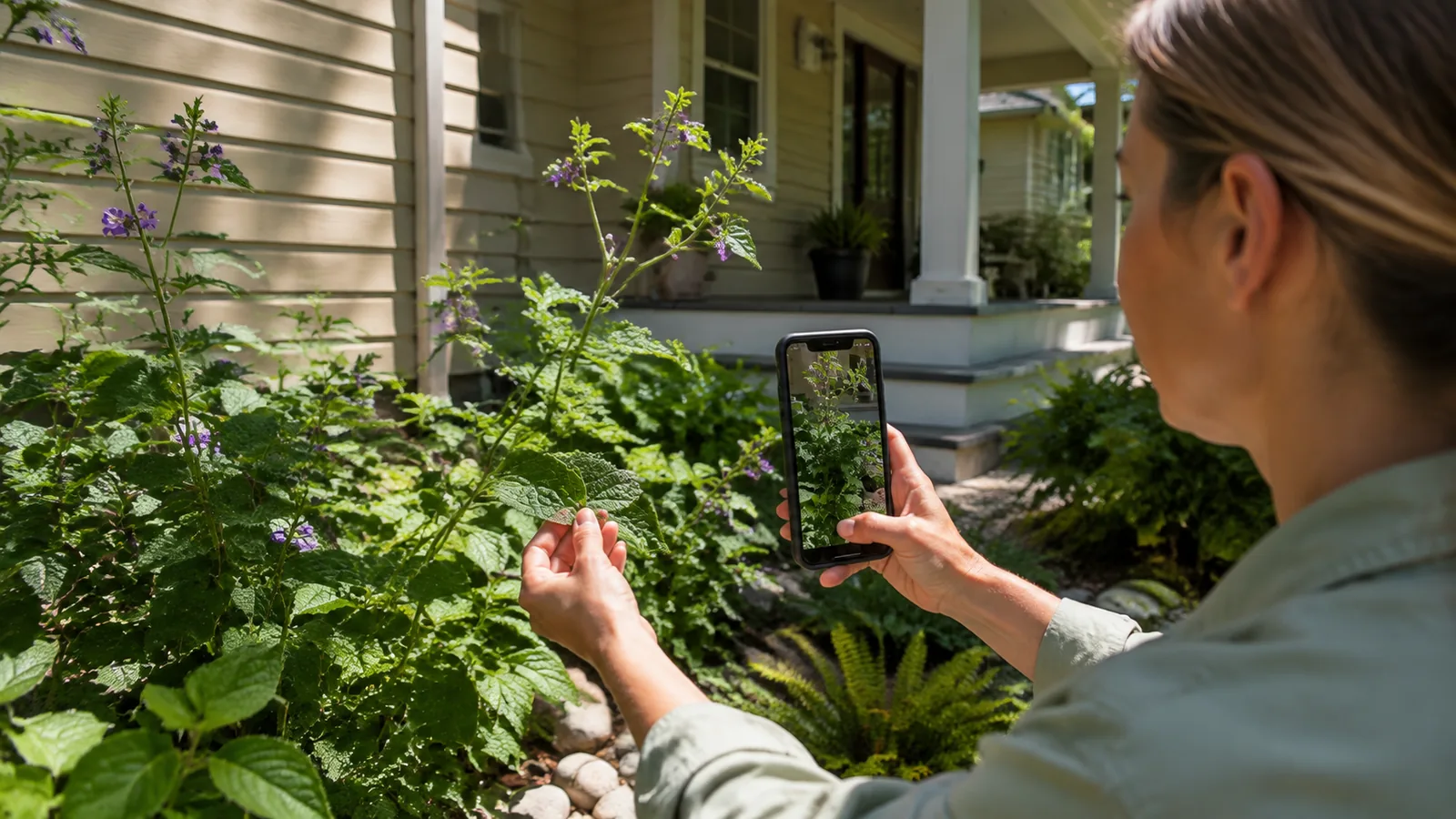
The plant is most likely the sindoor plant, botanically named Bixa orellana, especially if you are looking at a tropical shrub with distinctive red seed pods. Confirm the whole plant before you move or use it, because a common name is not a reliable identification by itself.
What is the name of this plant?
The name of the plant shown in this guide is sindoor plant, and its scientific name is Bixa orellana. It is described as a tropical shrub recognized for striking red seed pods and cultural significance, so the pods are the first useful clue, not proof by themselves. News9live identifies sindoor plant as Bixa orellana.
If you are standing beside it right now, do not start by asking whether the leaves look familiar. Start with the entire plant:
- Are the red pods attached to a woody shrub?
- Are the pods bristly or covered with short spines?
- Is the plant still actively growing in warmth?
- Does the nursery label, garden tag, or purchase record say Bixa orellana?
A name from a neighbor can be useful, but it is not a plant label. My father taught me that one by handing me a tomato cutting with no name and asking me to figure it out after the fruit appeared. The tomato was easy. The mystery shrub is not.
For a second opinion, compare the plant with entries in the plant database, then match the scientific name rather than relying on a common name. That one extra step can save you from pruning the wrong thing or putting the wrong shrub in a colder corner.
How can I identify a sindoor plant in the garden?
Look for the combination of a warm-climate shrub form, broad green foliage, and red, bristly seed pods. No single leaf, color, or photograph settles the identification, but those features together fit the usual description of sindoor plant, which is known for its red seed pods and tropical character. The supplied garden guidance describes Bixa orellana as a tropical shrub with red seed pods.
Check the plant in this order:
- Photograph the full shrub from 6 feet away.
- Photograph one leaf from above and below.
- Photograph a flower, if one is present.
- Photograph an open and a closed seed pod.
- Photograph the base, label, and any tag in the pot.
Take those photographs in daylight, not under a porch bulb at 8 p.m. The red can look darker than it really is, and a phone camera will happily make every leaf look like every other leaf. Technology has confidence. It does not always have accuracy.
If the plant has no pods, identification becomes less certain. Save the photographs, write down the month, approximate height, sun exposure, and whether the stem is woody, then compare those notes with a reliable plant reference. A name guessed from one leaf is a guess wearing a hat.
Is Bixa orellana the same as the sindoor plant?
Yes, Bixa orellana is the botanical name used for the sindoor plant in the garden guidance provided here. “Sindoor plant” is the common name, while Bixa orellana is the scientific name that gives you a more precise way to search nursery records, plant databases, and care information.
Common names shift from place to place. Scientific names are not perfect, but they reduce the confusion caused by several plants sharing one household name. Write Bixa orellana on the tag if you confirm the identification, including the capital B and the second word in lowercase.
Do not assume that every plant called sindoor is the same plant in every garden center. Ask for the botanical name, inspect the label, and compare the red pods with a reference image. The supplied source calls the plant “sindoor” and identifies it botanically as Bixa orellana. That identification appears in the News9live garden report.
If you are sketching a bed or replacing a mystery shrub, get a concept for your yard after you know the plant name. A pretty drawing with an unidentified plant is just an expensive treasure map.
What should I do with a sindoor plant this fall?
In fall, record the plant’s identity, inspect it for stress, and make a cold-weather plan before the first freeze rather than cutting it back hard. Sindoor is described as tropical and warmth-loving, so treat a sudden cold night as a real risk, especially if the plant is in a pot or an exposed Austin yard.
My fall checklist is simple:
- Photograph the plant and label it Bixa orellana if confirmed.
- Check the soil 2 inches down before watering.
- Remove fallen leaves that are wet and stuck against the stem.
- Move a container beside a protected wall before a freeze warning.
- Keep frost cloth ready, but do not let it rest directly on wet foliage for days.
The tradeoff with moving a container is weight and root disturbance. The tradeoff with leaving it in place is exposure. A protected wall buys a few degrees, but it does not turn a tropical shrub into a winter-hardy one. That is the part people learn at 2 a.m., usually wearing one shoe.
Do not fertilize heavily in late fall. Extra soft growth is more tender, and a plant already preparing for cooler weather does not need a pep talk in a bag. Keep the soil from swinging between dust and soup, and check the forecast every evening during a freeze week.
Can a sindoor plant grow outdoors in Austin?
A sindoor plant can be considered for a warm, protected Austin location during the growing season, but I would not promise year-round outdoor survival without a site-specific cold plan. Austin brings intense summer heat, occasional hard freezes, limestone or black clay, and exposed winter wind, while the plant is described as tropical and warmth-dependent.
Put it where it receives strong light and where cold air does not settle. South or southeast exposure beside a masonry wall is usually a better experiment than an open low spot. The wall can hold daytime heat, while the open low spot collects cold air like a bowl.
If your soil is black clay, do not dig a small bathtub and fill it with rich soil. That hole can hold water after rain, and roots suffer when drainage changes abruptly. If you hit limestone at 8 inches, stop trying to win with a shovel. A rock bar and two hours can produce a hole, but it cannot change the weather.
Container growing gives you control, but the pot dries faster and the root zone gets colder than the ground. A 20 gallon container is more stable than a 5 gallon pot, though it is heavy and costs more to move. That is the honest tradeoff.
How much care does a sindoor plant need?
Sindoor plant care starts with warmth, strong light, moderate moisture, and a well-drained growing space rather than a complicated feeding schedule. The available garden guidance presents it as a tropical shrub that can respond to sunlight, warmth, and basic care, so I would build a simple routine and watch the plant instead of buying a shelf of products. The care report emphasizes sunlight, warmth, and basic care.
For a container, check the top 2 inches of mix twice each week from April through September. Water slowly until a little drains from the bottom, then empty the saucer after 10 minutes. The tradeoff is that this takes attention, but it is safer than watering by calendar when July gives you 104 degrees and a dry wind.
A drip line on a timer can help in an Austin summer. I would use one 1 gallon-per-hour emitter for a small container and check the soil by hand after 7 days. The tradeoff is missed leaks and clogged emitters, so a timer is not permission to stop looking at the plant.
Mulch can reduce evaporation, but keep it 3 inches away from the stem. A 2 inch layer is enough for a container or small bed. The tradeoff is that mulch hides the soil, so check moisture with your finger before adding more water.
Who is a sindoor plant a good choice for?
Sindoor plant suits a gardener with a warm, bright site, room to protect a tropical shrub, and enough access to check moisture twice a week. It is a poor choice for an exposed north-facing bed, a cold pocket, a neglected vacation property, or a yard where the owner wants a guaranteed perennial with no winter intervention.
Choose it if you have:
- A sunny patio or protected south wall.
- A container you can move before a freeze.
- Time for two weekly checks in summer.
- Patience to wait for red seed pods instead of demanding instant color.
- A plant tag or reliable identification record.
Ignore it for now if your only planting space is heavy shade, standing water, or a bed that regularly freezes hard. Also pass if you are choosing a plant for a school garden, dog run, or public path where children may handle unfamiliar pods. Identification comes first, and this article does not provide an edibility verdict.
The popular rule says, “If the garden center sells it, it belongs outside.” In practice, that rule loses in Central Texas. A plant can survive on a warm sales bench and fail beside your driveway after one freeze. Sales benches are not microclimates.
Should I plant a sindoor plant in the ground or keep it in a container?
I would keep a sindoor plant in a container for the first full year in Austin, then decide after one summer and one winter of observation. A container gives you a way to move the plant before a freeze, while in-ground planting gives roots more stable moisture and temperature but removes your easiest escape route.
| Growing option | Best use | Honest downside |
|---|---|---|
| Container | Protected patios and first-year observation | It dries quickly, becomes heavy, and needs winter relocation |
| In-ground bed | Warm, sheltered sites with good drainage | A freeze can damage the plant before you can move it |
| Raised bed | Shallow limestone or compacted clay | It costs more and can dry faster in August |
For a container, use a pot at least 20 gallons once the plant is established, with a drainage hole that is not blocked by the patio. Keep the root flare at the same height it had in the nursery pot. Planting deeply is not a kindness. It is a slow problem.
For in-ground planting, dig a hole twice as wide as the root ball and no deeper than its existing soil line. Break up the surrounding soil, but do not create a pocket of amended soil that holds water differently from the bed. If your soil needs testing, use a proper soil sample rather than judging it by color alone. Penn State Extension explains practical soil sampling for home gardens.
My position is clear: container first. You can always plant it later. You cannot unplant a shrub after the ground freezes it to the crown.
What questions do gardeners ask about this plant?
Gardeners usually need three answers first: the plant’s name, the clues that support the identification, and whether the current season changes the care plan. These short answers repeat the practical points above so you can use them while standing beside the plant with dirty hands.
What is the name of this plant?
The plant is most likely the sindoor plant, also called Bixa orellana, if it has the described tropical shrub form and bright red seed pods. Confirm the whole plant before relying on the name, because a common name can refer to different plants. Compare the label, leaves, flowers, pods, and growth habit together.
Is Bixa orellana the same as the sindoor plant?
Yes, Bixa orellana is the botanical name used for the sindoor plant in the guidance covered here. Use that scientific name when searching a plant database or asking a nursery for confirmation. The common name is helpful for conversation, but Bixa orellana is the more precise identification to write on your garden tag.
How can I identify a sindoor plant in the garden?
Identify it by checking the complete plant, especially its woody shrub form, foliage, flowers, and distinctive red, bristly seed pods. A single photograph or one leaf is not enough for certainty. Take clear photographs in daylight, record the date and growing conditions, and compare the evidence with a reliable plant reference.
What should I do with a sindoor plant this fall?
In fall, label the plant, inspect its moisture, and prepare to protect it from cold before a freeze. Because sindoor is described as tropical, a container plant should be moved beside a protected wall, while an in-ground plant needs a frost plan. Do not make a hard late-fall pruning cut without confirming the plant’s condition.
Can a sindoor plant grow outdoors in Austin?
A sindoor plant may grow outdoors in Austin during warm weather, but year-round survival is not guaranteed in an exposed yard. Give it strong light, well-drained soil, and a protected site, then plan for occasional freezes. Keeping it in a container for the first year gives you more control than planting it permanently.
Should I plant a sindoor plant in the ground or keep it in a container?
Keep a sindoor plant in a container for the first full year in Austin if winter protection matters to you. The pot lets you move the plant before a freeze and observe its water needs through summer. In-ground planting can offer steadier roots, but it also makes cold damage harder to prevent or reverse.
Want a plan for your own yard?
Tell us the space and we will put a planting plan together for it. Start at get my concept, or browse what actually grows where you are over on plants.
Frequently asked questions
What is the name of this plant?
The plant is most likely the sindoor plant, also called Bixa orellana, if it has the described tropical shrub form and bright red seed pods. Confirm the whole plant before relying on the name, because a common name can refer to different plants. Compare the label, leaves, flowers, pods, and growth habit together.
Is Bixa orellana the same as the sindoor plant?
Yes, Bixa orellana is the botanical name used for the sindoor plant in the guidance covered here. Use that scientific name when searching a plant database or asking a nursery for confirmation. The common name is helpful for conversation, but Bixa orellana is the more precise identification to write on your garden tag.
How can I identify a sindoor plant in the garden?
Identify it by checking the complete plant, especially its woody shrub form, foliage, flowers, and distinctive red, bristly seed pods. A single photograph or one leaf is not enough for certainty. Take clear photographs in daylight, record the date and growing conditions, and compare the evidence with a reliable plant reference.
What should I do with a sindoor plant this fall?
In fall, label the plant, inspect its moisture, and prepare to protect it from cold before a freeze. Because sindoor is described as tropical, a container plant should be moved beside a protected wall, while an in-ground plant needs a frost plan. Do not make a hard late-fall pruning cut without confirming the plant’s condition.
Can a sindoor plant grow outdoors in Austin?
A sindoor plant may grow outdoors in Austin during warm weather, but year-round survival is not guaranteed in an exposed yard. Give it strong light, well-drained soil, and a protected site, then plan for occasional freezes. Keeping it in a container for the first year gives you more control than planting it permanently.
Should I plant a sindoor plant in the ground or keep it in a container?
Keep a sindoor plant in a container for the first full year in Austin if winter protection matters to you. The pot lets you move the plant before a freeze and observe its water needs through summer. In-ground planting can offer steadier roots, but it also makes cold damage harder to prevent or reverse.
Free, no obligation
Ready to design your dream landscape? Start here.
Tell us where you are and we will start a free profile for you, with plants that actually survive your climate and a real sense of what the build would cost.