
What is the name of this plant?
If you mean the plant with the red seed pods often called sindoor plant, it is Bixa orellana. The common name varies by region, so the sure answer is the botanical name, and in a home garden it is a tropical shrub that wants warmth, space, and regular water while it establishes.
September 18, 2026
By Valeria Navarro
What is the name of this plant?
If the plant you mean is the one called sindoor plant, the scientific name is Bixa orellana. That is the name I would use if you want the right plant, not just the pretty red pods, because common names shift from place to place and cause confusion fast.
That red seed pod is the giveaway in home-garden talk. News9Live identifies sindoor plant as Bixa orellana and describes it as a tropical shrub with striking red seed pods, which is why people notice it in the first place News9Live.
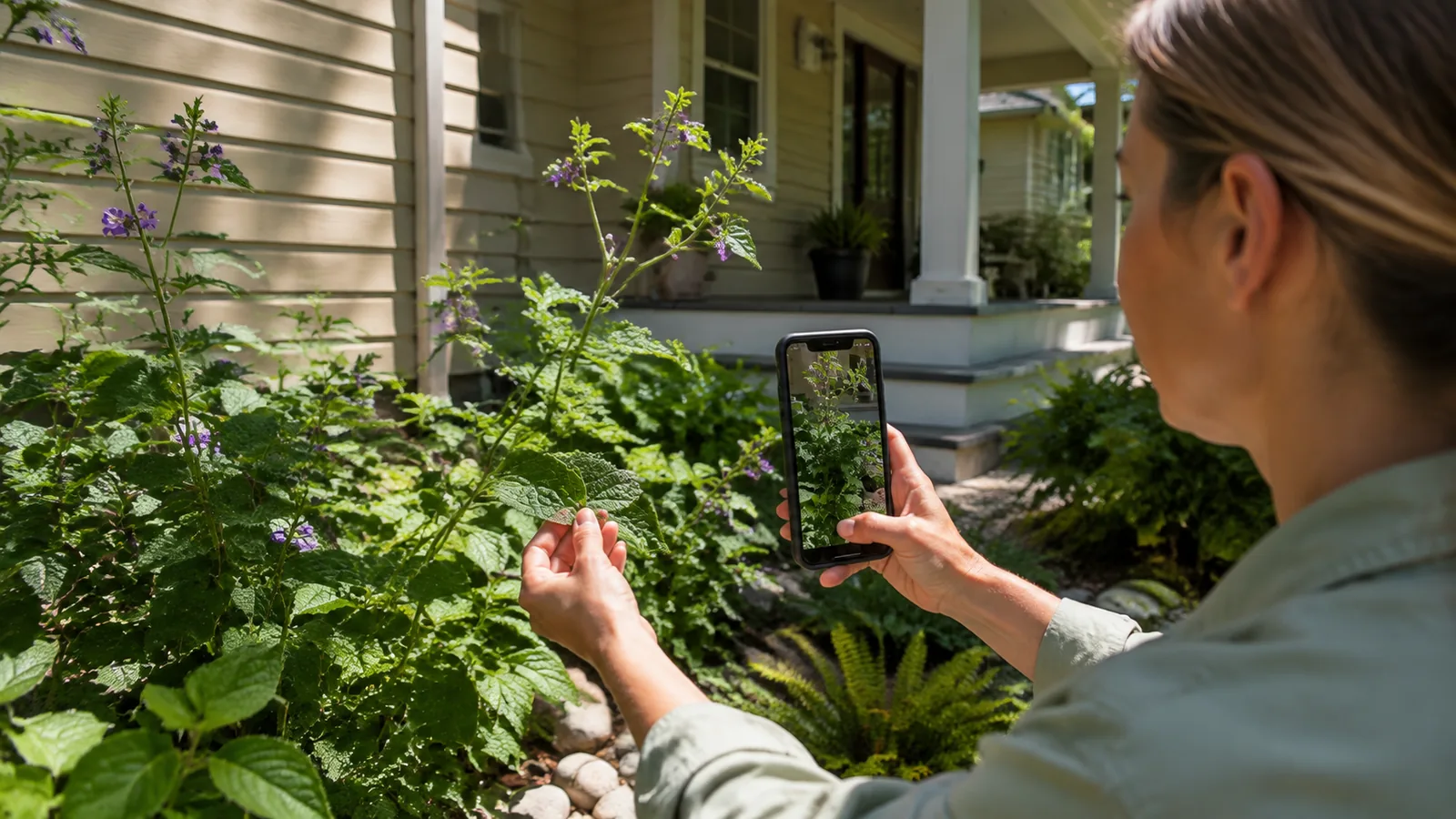
If you are standing in your yard with a mystery plant in front of you, say the name out loud before you do anything else. Then check a good plant database so you can match the leaves, pods, and growth habit instead of trusting a nursery tag that may be half right.
Why do common plant names cause so much confusion?
Common names are messy because different regions use the same word for different plants, and one plant can carry several names. The botanical name is the stable one, which matters more than ever if you are trying to buy, replace, or identify something from a photo.
I see this all the time in Austin, especially with new homeowners who inherit a plant and get three different answers from three different neighbors. Everybody means well. Everybody is also guessing a little.
If you ask, what is the name of this plant, the honest answer is that a photo can narrow it down, but a name only becomes solid when you match form, flower, fruit, and growth habit. A label without that check is just a polite rumor.
How do I know if mine is sindoor plant and not something else?
Look for a tropical shrub with showy red seed capsules, not a dry, woody seed head or a prairie plant with stiff pods. News9Live points to the striking red seed pods as the big visual clue, and that is the first thing I would verify before I trust any name News9Live.
Check these details in your yard:
- The plant has a shrub form, not a vine.
- The seed pods are bright red and decorative.
- The overall look is tropical, not drought-broomy.
- The leaves and stems feel more tender than woody desert shrubs.
If you are unsure, take clear photos of the whole plant, a leaf close-up, and the fruit or pods. Then compare those with your plant database and a nursery source that names Bixa orellana directly. That beats the old neighborhood habit of, “My aunt called it something similar.”
What does Bixa orellana need in a home garden?
Bixa orellana is a tropical shrub, so it wants warmth, room, and steady moisture more than a dry, lean, cold site. In practical terms, that means it is not the plant I would gamble on for a windy, exposed corner that gets hit with frost.
News9Live describes it as easy care in the home garden context, but easy does not mean careless. In Austin, easy plants still have to survive alkaline clay, limestone, summer drought, and the kind of February that can turn cruel for one night and ruin your week News9Live.
If you want to test whether it fits your yard, ask yourself one blunt question: do you have a protected spot with water access and no hard freeze exposure? If not, I would pass and use something better adapted to Central Texas. Plants should earn their place.
Should you plant it in Austin, or is that a bad idea?
For most Austin yards, I would treat Bixa orellana as a specialty plant, not a default landscape shrub. It can be worth growing if you can protect it from freeze damage and keep it watered, but it is not the easy, set-it-and-forget-it plant people hope for.
Here is the trade-off in plain language. You get a striking tropical shrub with red seed pods, but you pay with winter protection, more attention to irrigation, and more risk in a cold snap. That is not a bad plant. It is just a needy one.
I grew up around plants on my abuela’s patio in Miami, where heat was constant and the rain came like clockwork in August. Austin is a different deal. Here, a plant has to survive limestone under a thin skin of soil, a hundred-degree stretch, and a February freeze that still has a grudge.
What is the best way to care for it once you know the name?
Give it warm conditions, regular water while it establishes, and room to grow without crowding. A soil that drains well is safer than heavy, soggy clay, and if your soil is poor, you need to think about drainage before you think about fertilizer Penn State Extension.
If you are planting in a tougher Texas yard, this is where the site matters more than the wish list. A plant can be labeled tropical all day long, but if water sits around the roots or the site bakes in reflected heat, it will complain loudly and then fail quietly.
The best care starts before planting day. Dig a wide hole, keep the crown level, water deeply, and mulch without burying the stem. That is not glamorous, but it is how a plant gets through its first weeks without drama.
Which is better, buying a mystery plant or naming it correctly first?
Naming it correctly first is better, every time. A mystery plant costs you money in the wrong spot, the wrong soil prep, and sometimes the wrong winter plan, while a named plant lets you look up actual care instead of guessing from vibes.
| Option | Upside | Downside |
|---|---|---|
| Buy it first, identify later | Fast and tempting | You may place it wrong, overwater it, or lose it to cold before you learn what it is |
| Identify it first as Bixa orellana | You can match the plant to its real needs | Takes a few minutes of checking and maybe a return trip to the nursery |
I would always choose the second path. The first one feels efficient, but in practice it usually costs more, especially if you are trying to garden through Austin heat, water restrictions, and surprise cold.
Who is this plant name useful for, and who should ignore it?
This suits you if you found a plant with red seed pods, want the exact botanical name, or need to decide whether to keep it in a warm, protected spot. It also suits new homeowners who inherited a plant and want to stop calling it “the red one.”
You should ignore it if you need a tough, freeze-proof shrub for an exposed Central Texas bed, or if you want something low-water and low-maintenance for a full-sun driveway edge. Bixa orellana is not the plant I would send into that fight.
If your yard is mostly limestone, clay, and glare, use your energy on better matches. Then spend your plant curiosity where it pays off. If you want help narrowing the rest of the yard, get a concept for your yard and start with the spots that can actually support the plant you choose.
What should you do next if you still are not sure?
If you still are not sure, compare your plant to Bixa orellana in a reliable plant database, then cross-check the flower, leaf, and seed pod shape against a source that names it directly. If the plant has no red seed pod and no tropical shrub habit, I would not force the match.
You can also ask a local nursery for the scientific name, not just the common one. That small habit saves a lot of grief. It is the difference between a plant you can actually care for and a pretty tag that leads you off a cliff.
And if the plant is a wild mushroom instead of a garden plant, stop there. No home test settles that, and you should contact Poison Control at 1-800-222-1222 and a local mycological society for identification help.
FAQ: Is sindoor plant the same as Bixa orellana?
Yes, sindoor plant is the common name used here for Bixa orellana. News9Live identifies sindoor plant botanically as Bixa orellana and describes it as a tropical shrub with red seed pods News9Live.
FAQ: Why do I need the botanical name if I already have the common name?
You need the botanical name because common names change by region and can point to different plants. Bixa orellana is the stable label that helps you buy the right plant, compare care notes, and avoid a nursery mix-up.
FAQ: Can I grow Bixa orellana in a typical Austin yard?
You can try it in a protected Austin yard, but I would not call it carefree. It wants warmth and regular water, and Austin heat, alkaline clay, and winter cold all push back hard, so it needs the right site and some luck.
FAQ: What is the biggest downside of growing sindoor plant?
The biggest downside is that it is a tropical shrub, so cold exposure can be a problem and you may need more water and protection than with a tougher Texas shrub. That trade-off matters if you want low-maintenance landscaping.
FAQ: How do I confirm the plant in front of me is the right one?
Check for the tropical shrub form and the red seed pods, then compare the details with a plant database and a source that names Bixa orellana directly. A photo alone can mislead you, and no single clue should carry the whole decision.
FAQ: What should I do if the plant might be a wild mushroom instead?
Do not eat it, taste it, or test it at home. No home test settles mushroom identification, and you should call Poison Control at 1-800-222-1222 and contact a local mycological society for help.
More questions people ask about this
Is sindoor plant the same as Bixa orellana?
Yes, sindoor plant is the common name used here for Bixa orellana. News9Live identifies sindoor plant botanically as Bixa orellana and describes it as a tropical shrub with red seed pods.
Want a plan for your own yard?
Tell us the space and we will put a planting plan together for it. Start at get my concept, or browse what actually grows where you are over on plants.
Frequently asked questions
Is sindoor plant the same as Bixa orellana?
Yes, sindoor plant is the common name used here for Bixa orellana. News9Live identifies sindoor plant botanically as Bixa orellana and describes it as a tropical shrub with red seed pods.
Why do I need the botanical name if I already have the common name?
You need the botanical name because common names change by region and can point to different plants. Bixa orellana is the stable label that helps you buy the right plant, compare care notes, and avoid a nursery mix-up.
Can I grow Bixa orellana in a typical Austin yard?
You can try it in a protected Austin yard, but I would not call it carefree. It wants warmth and regular water, and Austin heat, alkaline clay, and winter cold all push back hard, so it needs the right site and some luck.
What is the biggest downside of growing sindoor plant?
The biggest downside is that it is a tropical shrub, so cold exposure can be a problem and you may need more water and protection than with a tougher Texas shrub. That trade-off matters if you want low-maintenance landscaping.
How do I confirm the plant in front of me is the right one?
Check for the tropical shrub form and the red seed pods, then compare the details with a plant database and a source that names Bixa orellana directly. A photo alone can mislead you, and no single clue should carry the whole decision.
What should I do if the plant might be a wild mushroom instead?
Do not eat it, taste it, or test it at home. No home test settles mushroom identification, and you should call Poison Control at 1-800-222-1222 and contact a local mycological society for help.
Free, no obligation
Ready to design your dream landscape? Start here.
Tell us where you are and we will start a free profile for you, with plants that actually survive your climate and a real sense of what the build would cost.