
Vegetables in the Garden: What to Plant This Fall and How to Plan It
A practical fall planting plan for vegetables in sunny gardens, raised beds, and containers, with crop spacing, soil preparation, watering, succession planting, and harvest timing.
September 19, 2026
By Valeria Navarro
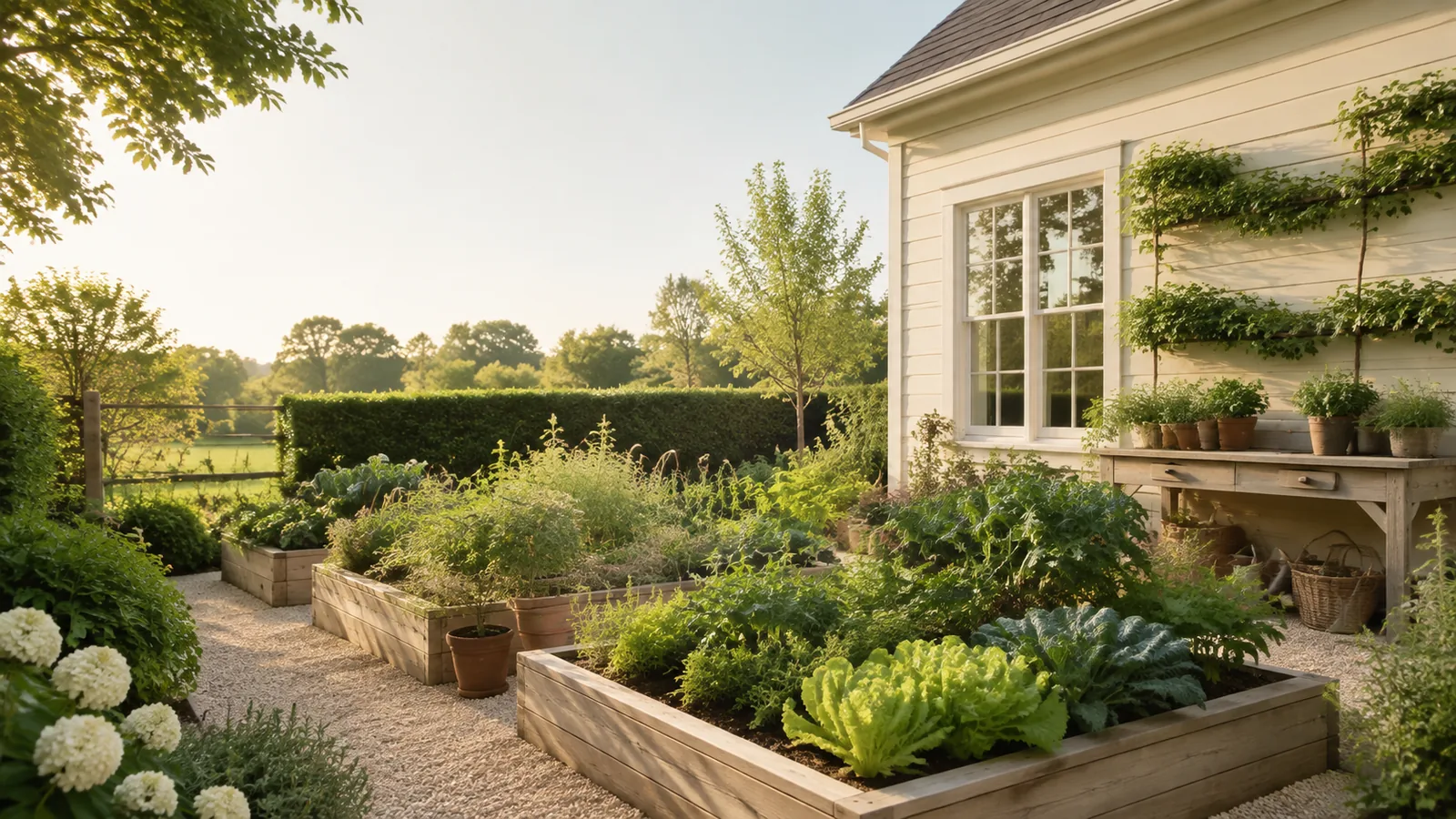
Choose vegetables that fit your light, space, and fall temperatures, then plant fewer crops well instead of cramming in everything at the nursery. This fall, I would start with spinach, cabbage, coriander, peas, bush beans, onions, and radishes in a sunny bed or containers, with good drainage and a simple watering plan.
What vegetables should I plant in the garden this fall?
The best vegetables to plant this fall are spinach, cabbage, coriander, bush beans, peas, onions, and radishes, especially if you have four to six hours of direct sun. September is a useful planting window in temperate gardens for cool-season crops, and many listed vegetables mature in roughly 40 to 100 days. The September planting guidance supports this crop mix.
Radishes are the speediest choice, often ready once roots reach 1 to 2 inches, but they can turn woody if you forget them. Sow them directly, 1/2 inch deep, in rows 6 inches apart. Thin seedlings to about 2 inches apart.
Spinach handles cool weather and gives you repeated leaf harvests, but it dislikes crowded, dry soil. Space plants about 4 to 6 inches apart, or sow a row and thin baby leaves with scissors.
Peas are worth growing if you can provide support. They need more room and patience than radishes, with a typical harvest window of 60 to 100 days. Bush beans are quicker, often ready in 40 to 50 days, but they produce best with regular picking.
Cabbage makes a substantial fall crop, but it occupies space for weeks and may attract cabbage loopers. Coriander is compact and useful in a pot, though it can bolt if temperatures rise. Every crop has a bill. Pay it in space, water, time, or attention.
Use the plant database to check mature size, light needs, and spacing before buying six varieties of the same vegetable because the seed packets looked cute together.
How much sun do vegetables in the garden need?
Most vegetables in the garden need a sunny spot with at least four to six hours of direct light each day. Put tall crops such as corn, okra, and sunflowers on the north side so they do not shade shorter plants, and keep rows running north to south for more even exposure. This vegetable gardening guide recommends planning around light, layout, soil, and crop timing.
In Austin, I check the garden at 9 a.m., noon, and 3 p.m. before I call a spot sunny. A fence can give you a bright morning and a dim afternoon. That still may work for spinach, but fruiting crops need the stronger end of the range.
Place peas and beans where a trellis will not cast shade across the bed. Peas use vertical space efficiently, but the support takes setup and must be anchored before vines become heavy. Beans are generous, but missed pods become tough fast.
Corn is tall and hungry, and it takes a block of space rather than a polite little row. Okra loves heat but becomes a large plant that needs regular picking. Sunflowers are beautiful, but they shade neighboring crops and can compete for water.
If your only good light is a patio, containers can still work, provided drainage is good. A container is easier to place and protect, but it dries faster than garden soil, so you trade digging for daily checking.
Should I grow vegetables in the ground, raised beds, or containers?
Grow vegetables in the ground when you have workable soil and enough room, use raised beds when drainage or soil texture is poor, and choose containers for patios or very small spaces. All three methods can work if water drains freely, but each has a different cost in construction, watering, and maintenance.
| Growing method | Best use | Honest downside |
|---|---|---|
| In-ground bed | A larger yard with existing soil | Soil may drain poorly, compact, or need substantial amendment |
| Raised bed | Difficult clay, compacted ground, or a defined garden | Building and filling the bed costs money, and it can dry faster |
| Container | Patio, rental, balcony, or very small space | Containers dry quickly and restrict root space |
For an in-ground bed, remove weeds, loosen the planting area, and mix in plenty of compost or well-rotted manure. Do not make a soft mound of compost over hard soil and call it a garden. Roots eventually meet the original ground.
Raised beds are useful over alkaline clay, caliche, or compacted ground because you control the growing mix. They still need drainage holes or an open bottom. A sealed box that holds water is not a raised bed victory. It is a bathtub with lettuce.
Containers work well for coriander, spinach, onions, and radishes because these crops can stay relatively compact. Peas and beans need deeper soil and support, so the container must be stable enough not to tip when the vines fill out.
If you want help choosing a layout before buying lumber or soil, get a concept for your yard can help you think through beds, paths, and planting zones first.
How do I prepare soil for vegetables in the garden?
Prepare soil by testing the pH, aiming for 6.0 to 7.0, then mixing in compost or well-rotted manure to improve texture and fertility. Good soil should hold moisture without staying waterlogged, because roots need both water and air. The beginner vegetable gardening guide also stresses learning each crop and rotating annual vegetables to reduce recurring pest and disease problems.
Test before adding amendments. Here in Central Texas, alkaline clay and limestone can push soil pH upward, while the surface may look dry even when the lower soil is holding water. I learned this the slow way, after treating a bed like my abuela's sandy Miami patio. Miami drained before I finished watering. Austin clay sometimes waits, then sets like a brick.
Spread compost over the bed and work it into the top layer rather than burying a deep pocket of rich material. Well-rotted manure can improve fertility, but it must be well-rotted. Fresh manure is too strong for a new planting and can create more trouble than it solves.
Break compacted soil without pulverizing it into dust. Dust crusts over, sheds water, and makes tiny seedlings struggle. After planting, add a thin mulch layer to conserve moisture and reduce weeds, keeping mulch away from the stems.
Do not fertilize every time a plant looks sad. First check light, moisture, roots, pests, and spacing. Extra fertilizer costs money and can push soft, crowded growth when the real problem is poor drainage or too little sun.
How far apart should I plant vegetables in the garden?
Use the seed packet or plant label for final spacing, then leave enough room for mature leaves and airflow. A practical starting point is 2 inches for thinned radishes, 4 to 6 inches for spinach, and wider spacing for cabbage, peas, and beans, which need room for roots, leaves, and harvest access.
Plant rows north to south when the garden allows it. This gives the sun a fairer path across the bed. Put tall crops on the north side, and keep trellised peas or beans from leaning across low crops.
Crowding feels efficient for about three weeks. Then leaves stay damp, harvest becomes awkward, and pests have a little apartment complex. Wider spacing uses more bed at first, but it gives you airflow and a place to reach the soil with a hose or hand tool.
For a first bed, try three rows of radishes, one row of spinach, one row of onions, and a short trellis of peas. That mix gives you fast harvests, a longer crop, and vertical growing without turning the bed into a botanical traffic jam.
Cabbage deserves its own spacing check because the heads become much larger than the transplant suggests. Onions also vary by purpose, and tight spacing produces smaller bulbs. Read the label, then obey it. The seed packet is not being dramatic.
How often should I water vegetables in the garden?
Water vegetables deeply in the early morning and keep the soil evenly moist, not waterlogged. Check the soil at the surface and a few inches down before watering again, because containers dry faster than beds and clay may hold moisture below a dry crust. Morning watering gives leaves and soil time to dry during the day.
Water at the soil line rather than spraying the whole plant. A gentle stream reduces splash and keeps roots supplied. Newly sown seeds need more frequent checking because their shallow roots can dry quickly, but mature plants need deeper, less frequent watering.
Mulch after seedlings are established. Mulch conserves moisture and suppresses weeds, but a thick layer against stems can keep the crown wet and invite problems. Leave a small clear ring around each plant.
In Austin, I plan for the garden I actually have, not the garden shown on a spring seed packet. Summer water restrictions and long stretches near 100 degrees change the math, even though this is a fall planting. A hose, timer, or nearby rain barrel can make consistency easier, but every watering system needs checking for clogged emitters and leaks.
Overwatering is not kindness. It reduces air around roots and can cause weak growth. Underwatering makes leaves wilt and slows harvest. Your goal is steady moisture, not a daily flood followed by a drought.
How can I keep harvesting vegetables all season?
Use succession planting by sowing small amounts of each crop two to four times through the season instead of planting the entire packet in one afternoon. This spreads harvests and reduces the heartbreak of fifteen radishes ready on the same day, followed by an empty bed.
Sow a short row of radishes now, then another in two weeks, and another two weeks after that if temperatures remain suitable. Radishes are fast, but their roots lose quality when left too long, so staggered planting matches the harvest to your appetite.
Plant bush beans in two or three batches about two weeks apart, remembering that beans need regular picking to keep producing. Peas mature more slowly, around 60 to 100 days, so plant them early enough for the expected cool season.
Spinach can be sown in small sections every two to four weeks. Harvest outer leaves first, leaving the center growing point intact. Cabbage is less flexible because each plant takes room for a single head, so succession planting means setting out a few transplants at a time.
Harvest at peak maturity. Pick beans around 40 to 50 days when pods are tender, peas around 60 to 100 days, and radishes as soon as roots reach 1 to 2 inches. Waiting for a perfect harvest often means waiting until the vegetable has passed its best moment.
Who are vegetables in the garden best for, and who should skip them?
A vegetable garden suits you if you have four to six hours of sun, can check plants daily, and are willing to prepare soil and water consistently. Skip a large in-ground garden if you have no reliable light, cannot reach the bed, or will be away for several weeks without help, and choose a few containers instead.
This plan fits a first-time homeowner with a small sunny strip, a renter with a patio, and a family that wants fresh harvests without managing twenty crops. It also fits a gardener who can spend ten minutes each morning checking moisture, pests, and harvests.
It is not the right plan for a deeply shaded courtyard. It is also a poor match for a gardener who wants to plant once and ignore the bed until Thanksgiving. Pests and diseases reward neglect, and daily observation makes early intervention easier. This home vegetable guide lists radishes, green beans, onions, peppers, potatoes, sweet corn, cherry tomatoes, and okra among lower-maintenance choices, but low maintenance never means no maintenance.
For the least demanding start, choose radishes, onions, spinach, and a short row of bush beans. Avoid starting with corn, okra, and tomatoes unless you have enough sun, heat, space, and water. Corn needs a block, okra becomes tall, and cherry tomatoes need support and regular picking.
Ask yourself one honest question: will you visit this garden most days? If yes, grow more. If no, grow less, place it closer to the kitchen, and use containers where a dry plant cannot hide behind a fence.
How do I protect vegetables in the garden from pests?
Check the garden daily for chewed leaves, holes, wilt, and insects, then hand-pick pests, use row covers, or apply an appropriate organic spray when needed. Protection works best early, before a small problem becomes a whole-bed problem, and crop rotation helps reduce pests and diseases that build up around related plants.
Walk the bed in the morning with a cup, scissors, and your phone for photos. Hand-picking is inexpensive, but it takes repetition. Row covers protect young plants, though they need anchoring and must be removed or opened when plants need pollinators or more room.
Cabbage may attract cabbage loopers, so inspect leaf undersides twice a week. Peas and beans need support and picking, and crowded plants hide insects. Spinach is easy to inspect when spaced properly, but tight planting turns every leaf into a hiding place.
Organic sprays can help, but they are not harmless magic. They cost money, require correct timing, and may affect helpful insects if used broadly. Identify the pest first, follow the label, and spray only when the damage justifies it.
Rotate crop families every three to four years when possible. Do not plant the same family in the same bed each season just because that bed is convenient. Convenience today can buy you recurring disease problems next year.
What vegetables should I plant in the garden this fall?
The best vegetables to plant this fall are spinach, cabbage, coriander, bush beans, peas, onions, and radishes, especially if you have four to six hours of direct sun. September is a useful planting window in temperate gardens, and many of these crops mature in roughly 40 to 100 days. Start with a small batch, then sow again two weeks later.
How much sun do vegetables in the garden need?
Most vegetables need at least four to six hours of direct light each day. Put tall crops on the north side, arrange rows north to south when possible, and use containers for a bright patio if your yard lacks a workable bed. Less light can suit leafy crops better than fruiting crops.
Should I grow vegetables in the ground, raised beds, or containers?
Choose in-ground beds for space and existing workable soil, raised beds for poor drainage or compacted ground, and containers for patios or very small spaces. Each method works if drainage is good, but containers dry fastest, raised beds cost more to build, and in-ground soil may need substantial improvement.
How often should I water vegetables in the garden?
Water deeply in the early morning and keep the soil evenly moist, not waterlogged. Check containers daily in warm weather and inspect garden soil a few inches down before watering again. Mulch helps conserve moisture, but it does not replace checking the plants.
How can I keep harvesting vegetables all season?
Sow small batches of each crop two to four times through the season. Plant radishes in short rows two weeks apart, repeat bush beans in batches, and harvest outer spinach leaves while the center continues growing. Succession planting gives you a steadier supply than planting the whole seed packet at once.
How do I protect vegetables in the garden from pests?
Inspect plants daily, hand-pick insects, use anchored row covers, and apply an appropriate organic spray only after identifying the pest. Rotate crop families every three to four years when possible, because pests and diseases can build up in soil near the same host plants.
More questions people ask about this
What vegetables should I plant in the garden this fall?
The best vegetables to plant in the garden this fall are spinach, cabbage, coriander, bush beans, peas, onions, and radishes, especially if you have four to six hours of direct sun. September is a useful planting window in temperate gardens, and many of these crops mature in roughly 40 to 100 days. Start with a small batch, then sow again two weeks later.
Want a plan for your own yard?
Tell us the space and we will put a planting plan together for it. Start at get my concept, or browse what actually grows where you are over on plants.
Frequently asked questions
What vegetables should I plant in the garden this fall?
The best vegetables to plant in the garden this fall are spinach, cabbage, coriander, bush beans, peas, onions, and radishes, especially if you have four to six hours of direct sun. September is a useful planting window in temperate gardens, and many of these crops mature in roughly 40 to 100 days. Start with a small batch, then sow again two weeks later.
How much sun do vegetables in the garden need?
Most vegetables need at least four to six hours of direct light each day. Put tall crops on the north side, arrange rows north to south when possible, and use containers for a bright patio if your yard lacks a workable bed. Less light can suit leafy crops better than fruiting crops.
Should I grow vegetables in the ground, raised beds, or containers?
Choose in-ground beds for space and existing workable soil, raised beds for poor drainage or compacted ground, and containers for patios or very small spaces. Each method works if drainage is good, but containers dry fastest, raised beds cost more to build, and in-ground soil may need substantial improvement.
How often should I water vegetables in the garden?
Water deeply in the early morning and keep the soil evenly moist, not waterlogged. Check containers daily in warm weather and inspect garden soil a few inches down before watering again. Mulch helps conserve moisture, but it does not replace checking the plants.
How can I keep harvesting vegetables all season?
Sow small batches of each crop two to four times through the season. Plant radishes in short rows two weeks apart, repeat bush beans in batches, and harvest outer spinach leaves while the center continues growing. Succession planting gives you a steadier supply than planting the whole seed packet at once.
How do I protect vegetables in the garden from pests?
Inspect plants daily, hand-pick insects, use anchored row covers, and apply an appropriate organic spray only after identifying the pest. Rotate crop families every three to four years when possible, because pests and diseases can build up in soil near the same host plants.
Free, no obligation
Ready to design your dream landscape? Start here.
Tell us where you are and we will start a free profile for you, with plants that actually survive your climate and a real sense of what the build would cost.