
Vegetables in Shade: What to Plant This Fall
You can grow a productive fall garden with three to six hours of direct light, especially if you choose leafy greens and quick roots instead of demanding fruiting crops. Here is what I would plant, how far apart I would space it, and how to tell whether your shade is workable or simply too dark.
September 26, 2026
By Diego Navarro
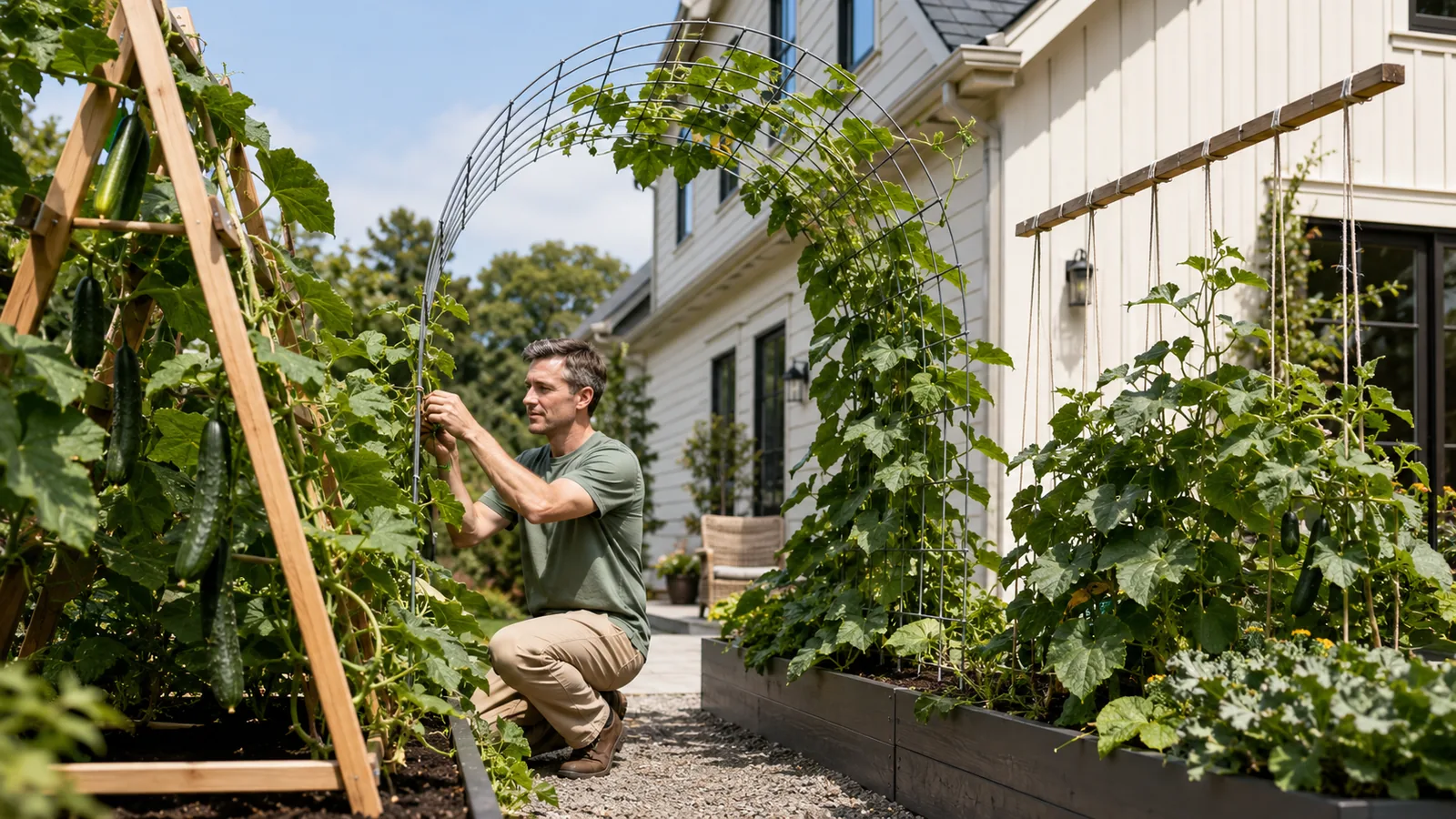
You can grow vegetables in shade if the bed receives three to six hours of direct light, and fall is the best time to favor lettuce, spinach, kale, arugula, Swiss chard, radishes, beets, carrots, turnips, peas, green onions and broccoli. Put fruiting crops in the brightest spot, because shade may keep their leaves alive while leaving you with very little to harvest.
How much sun do vegetables in shade need?
Vegetables in shade need at least three hours of direct sun for dependable growth, while four to six hours is enough for many leafy greens and root crops. Dappled light under an open tree can work, but deep shade beside a solid fence usually produces thin stems, slow roots and disappointment with a watering can in your hand.
Watch the bed from 8 a.m. until 4 p.m. on a clear day. Count direct sun, not the bright glow that makes you feel optimistic.
Three hours suits lettuce, spinach, arugula and green onions, though each will grow more slowly than in full sun. Lettuce handles cool shade well but can form loose heads, and spinach may stretch if the light is weak.
Four to six hours gives kale, Swiss chard, collard greens, mustard greens, radishes, beets, carrots, turnips, peas and broccoli a reasonable fall setup. Roots may be smaller, and broccoli heads may take longer, but the plants can still pay rent.
The rule of thumb says every vegetable wants full sun. In practice, leaves and roots can manage partial sun because they are not spending all their energy making fruit. That distinction saves a lot of wasted seed.
What vegetables grow best in shade in fall?
The best fall vegetables for shade are lettuce, spinach, kale, arugula, Swiss chard, collard greens, mustard greens, green onions, radishes, turnips, beets, carrots, peas and broccoli. Leafy crops are the safest choice because partial sun often gives them enough energy while protecting them from harsh heat and early bolting.
For a bed with three to four hours of sun, start with lettuce, spinach, arugula and green onions. Space lettuce 8 to 10 inches apart, spinach 4 to 6 inches apart, arugula 4 inches apart and green onions 2 inches apart.
Use four to six hours of sun for kale, chard, collards and mustard greens. Give kale and collards 18 inches between plants, chard 12 inches, and mustard greens 8 inches. Crowding feels efficient in October and looks like mildew by November.
Plant radishes 2 to 3 inches apart, turnips 4 inches apart, beets 4 inches apart and carrots 2 to 3 inches apart. Shade slows root enlargement, so harvest smaller rather than waiting forever for a grocery-store-sized root.
Peas need a trellis, which is useful but adds a structure that must be tied down in wind. Broccoli gives you a substantial harvest, but it occupies about 18 inches of bed space for weeks before the main head arrives. The trade-off is real.
Can you grow tomatoes and peppers in shade?
You can grow certain cherry tomatoes and bell peppers in partial shade, but I would not spend your only shady bed on them in fall. Fruiting plants need more light than leafy crops, and low light can mean fewer flowers, slower ripening, blossom drop and fruit that never earns its trellis.
If you have five to six hours of direct sun, test one cherry tomato in the brightest position, with 24 to 30 inches of spacing and a cage installed at planting. Its trade-off is a smaller harvest than the same variety in full sun, especially as afternoon light disappears earlier.
A bell pepper can tolerate some filtered light, but give it 18 to 24 inches of space and do not expect a heavy crop in a deeply shaded corner. Peppers may stay leafy while setting few fruits. That is not a mysterious failure. It is the light bill.
Certain cornfield beans can grow in part shade, but they still need a support system and enough light to flower. Their trade-off is that shade can stretch the vines and make harvesting harder.
Research on shade-tolerant crops supports using leafy and root vegetables first, with selected fruiting varieties treated as experiments rather than guarantees. The Garden Style lists shade-tolerant crops and variety guidance, while Practical Self Reliance explains why fruiting plants generally need more energy.
How should you arrange a shady vegetable bed?
Arrange the bed by light and height: put shorter crops in the brightest open strip, place tall peas or broccoli where they will not block winter sun, and leave 12 to 18 inches between rows for air movement. In a shady bed, spacing is not decoration. It is how you keep slow-growing plants from becoming a damp green pile.
Start with a simple map. Mark the hours of direct sun, then place the crops needing the most light on the south or west edge if that edge is open.
| Crop group | Plant spacing | Best shade position | Honest downside |
|---|---|---|---|
| Lettuce, spinach and arugula | 4 to 10 inches | Three to four hours of sun | Slower growth and looser leaves |
| Kale, chard and collards | 12 to 18 inches | Four to five hours of sun | Large plants can shade neighbors |
| Radishes, beets and carrots | 2 to 4 inches | Four to six hours of sun | Roots stay smaller in low light |
| Peas and cornfield beans | 3 to 4 inches, with support | Bright edge with filtered light | Trellis work and stretched vines |
| Broccoli | 18 inches | Four to six hours of sun | Long occupancy for one main head |
For fall planting, run rows east to west only if the bed is open enough for low winter sun to reach them. Otherwise, use short blocks and keep each crop easy to reach. You are growing food, not laying out a parade ground.
If you want a quick plan before digging, get a concept for your yard and mark the shade hours on it. A pretty plan that ignores the shadow line is just expensive fiction.
Should you use shade cloth over vegetables in shade?
Do not add shade cloth to an already dark fall bed unless the problem is heat, not lack of light. Shade cloth is useful over a sunny bed during hot weather, with 30 to 40 percent density for fruiting vegetables and 50 percent or more for leafy greens and seedlings, but extra cloth over deep shade can reduce photosynthesis too far.
A lightweight frame made from hoops or T-posts lets you drape cloth above the plants without crushing them. Leave open sides for air movement, and position the cover to block the hottest afternoon hours rather than sealing the bed like a tent.
Use 30 to 40 percent cloth for a cherry tomato, bell pepper or cornfield bean bed during intense heat. The trade-off is reduced light, so remove it on cooler or cloudy days when heat protection is not needed.
Use 50 percent or more over lettuce, spinach and seedlings during a hot spell. That can reduce bolting and sunscald, but the cloth must be secured against wind and checked after rain.
Shade cloth is a heat tool, not a substitute for choosing the right location. Grow Greens Daily explains the density ranges and afternoon placement. In Austin, I would rather move the bed into usable light than build a roof over a dark corner.
How do you prepare soil for a shady vegetable garden?
Prepare shady vegetable soil with 2 to 3 inches of finished compost worked into the top 6 to 8 inches, then water consistently without leaving the bed soggy. Shade reduces evaporation, so the same irrigation schedule that works in full sun can waterlog a shaded bed and leave roots short of oxygen.
Test the soil with your finger 2 inches down before watering. If it is cool and damp at that depth, wait. A timer is useful for consistency, but it does not know whether yesterday rained.
In Austin, black clay swells, shrinks and moves whatever you build on it. Blend compost into the planting zone instead of creating a soft pocket of imported soil surrounded by hard clay, because roots eventually reach the boundary and water behaves strangely there.
In limestone or caliche, dig 8 to 10 inches if the bed allows it, and use a rock bar rather than pretending a shovel is a moral virtue. Raised beds can help, but they cost money, dry out faster at the edges and still need a sensible irrigation plan.
Keep mulch 2 inches deep and 2 inches away from stems. Mulch holds moisture, but touching the stems keeps them damp and gives slugs and rot a better address.
Who should grow vegetables in shade, and who should ignore this plan?
This plan suits homeowners with three to six hours of direct sun, a cool fall bed under open-tree shade, or a sunny garden that needs protection during a hot afternoon. Ignore it for a bed receiving less than three hours of direct light, a sealed north-facing corner, or a project whose main goal is a large tomato or pepper harvest.
It also suits anyone willing to harvest smaller roots and wait longer for greens. A shaded fall garden can be productive, but it is not a full-sun garden wearing a convincing costume.
If your shade comes from an open oak, remove fallen leaves from the planting rows and watch moisture carefully. If the shade comes from a wall, measure the light before you buy seed. The wall is not going to negotiate.
You should choose the brightest crops for the brightest patch, then accept that the darkest patch may be better used for a path, compost storage or a chair. That is not failure. It is accurate design.
When should you plant vegetables in shade this fall?
Plant fall vegetables as soon as your local temperatures make the bed workable, aiming for cool-season crops when daytime temperatures are near 70 to 80 degrees Fahrenheit and nights are cooling. In Central Texas, that often means September through November, with direct sowing every 2 to 3 weeks for quick crops so one missed week does not empty the kitchen garden.
Sow radishes, arugula, mustard greens and green onions directly, then thin seedlings to their final spacing. Their trade-off is that quick crops need repeated sowing if you want a continuous harvest.
Set out kale, collards, chard and broccoli as transplants 18 to 24 inches apart, depending on the plant. Transplants save time, but they cost more than seed and can stall if their roots are disturbed in hot soil.
Plant carrots and beets in loose soil, keep the surface evenly damp until emergence, and expect shade to extend harvest time. Carrots reward patience but punish crusted soil, which is a very vegetable way to behave.
For peas, install support at planting and place seed 3 to 4 inches apart. Peas dislike heat, but they also dislike being planted beside a wall that blocks the little winter sun they were promised.
What are the most common mistakes with vegetables in shade?
The common mistakes are planting sun-hungry crops in deep shade, watering on a full-sun schedule, spacing too closely and assuming pale green leaves always mean fertilizer is needed. In fall, low light already slows growth, and extra nitrogen can produce soft foliage without fixing the missing sunlight.
Do not plant six tomato plants because one catalog sentence said a variety tolerates shade. Try one in the brightest spot first, then judge the flowers and fruit after four weeks.
Do not pack a shady bed tightly to make up for lower production. Give leafy greens their stated spacing, remove yellow leaves, and harvest outer leaves so air can move through the canopy.
Do not keep shade cloth on by habit. Check the bed at midday, feel the leaves, and remove the cover on cool days if the plants need more light.
My father grew tomatoes in a twelve-foot strip of New Jersey clay, so I learned early that a small space can feed you. In Austin, I have also spent two hours with a rock bar opening one planting hole, then watched black clay move a patio over one wet winter. The garden tells the truth eventually.
What vegetables grow best in shade in fall?
The best vegetables for a shady fall garden are lettuce, spinach, arugula, kale, Swiss chard, collards, mustard greens, green onions, radishes, turnips, beets, carrots, peas and broccoli. Choose leafy crops first, then quick roots, and reserve the brightest six-hour spot for one experimental tomato or pepper.
Plant lettuce 8 to 10 inches apart and radishes 2 to 3 inches apart. Give kale and collards 18 inches, and keep the soil damp but not saturated. Partial shade may improve flavor by slowing growth, but it will not make a deeply dark bed productive.
Can vegetables grow under a tree?
Vegetables can grow under an open tree if they receive at least three hours of direct light, but roots from the tree compete for water and dense canopy shade may be too dark. Keep a planting zone outside the trunk flare, add compost to the top 6 to 8 inches, and check soil moisture 2 inches down before irrigating.
Choose lettuce, spinach, arugula, kale, chard and radishes first. Their trade-off is smaller or slower harvests than plants grown in six or more hours of sun.
Do not damage major tree roots to make a vegetable bed. A shallow soil layer, containers or a nearby bed may be safer, though containers dry faster and need more frequent checking.
Do tomatoes grow in shade?
Tomatoes do not produce reliably in deep shade, but certain cherry tomatoes can make a limited crop with five to six hours of direct light. Give one plant 24 to 30 inches of room, provide a cage, and expect fewer fruits and slower ripening than in full sun.
Bell peppers have the same basic limitation. Filtered afternoon shade can protect fruit from sunscald, but shade all day usually reduces flowering and yield.
How often should you water a shady vegetable garden?
Water a shady vegetable garden when the top 2 inches of soil are dry, rather than following a fixed daily schedule. In fall, that may mean once or twice weekly, though newly planted seeds can need light surface watering more often until they emerge.
Water slowly at the soil line and stop when the root zone is moist. Overwatering is the main shady-bed mistake because evaporation is lower and wet soil can linger.
Is shade cloth worth using for vegetables?
Shade cloth is worth using when excessive heat is stressing a sunny vegetable bed, not when a bed already receives too little light. Use 30 to 40 percent cloth for fruiting crops and 50 percent or more for leafy greens and seedlings, suspend it above the plants, and remove it during cool weather.
Its downside is simple: the cloth blocks light as well as heat. Secure it against wind, keep the sides open for air, and treat it as a seasonal adjustment rather than permanent garden roofing.
More questions people ask about this
How much sun do vegetables in shade need?
Vegetables in shade need at least three hours of direct sun for dependable growth, while four to six hours is enough for many leafy greens and root crops. Dappled light under an open tree can work, but deep shade beside a solid fence usually produces thin stems, slow roots and disappointing harvests.
Want a plan for your own yard?
Tell us the space and we will put a planting plan together for it. Start at get my concept, or browse what actually grows where you are over on plants.
Frequently asked questions
What vegetables grow best in shade in fall?
The best vegetables for a shady fall garden are lettuce, spinach, arugula, kale, Swiss chard, collards, mustard greens, green onions, radishes, turnips, beets, carrots, peas and broccoli. Choose leafy crops first, then quick roots, and reserve the brightest six-hour spot for one experimental tomato or pepper.
Can vegetables grow under a tree?
Vegetables can grow under an open tree if they receive at least three hours of direct light, but roots from the tree compete for water and dense canopy shade may be too dark. Keep a planting zone outside the trunk flare, add compost to the top 6 to 8 inches, and check soil moisture 2 inches down before irrigating.
Do tomatoes grow in shade?
Tomatoes do not produce reliably in deep shade, but certain cherry tomatoes can make a limited crop with five to six hours of direct light. Give one plant 24 to 30 inches of room, provide a cage, and expect fewer fruits and slower ripening than in full sun.
How often should you water a shady vegetable garden?
Water a shady vegetable garden when the top 2 inches of soil are dry, rather than following a fixed daily schedule. In fall, that may mean once or twice weekly, though newly planted seeds can need light surface watering more often until they emerge.
Is shade cloth worth using for vegetables?
Shade cloth is worth using when excessive heat is stressing a sunny vegetable bed, not when a bed already receives too little light. Use 30 to 40 percent cloth for fruiting crops and 50 percent or more for leafy greens and seedlings, suspend it above the plants, and remove it during cool weather.
How much sun do vegetables in shade need?
Vegetables in shade need at least three hours of direct sun for dependable growth, while four to six hours is enough for many leafy greens and root crops. Dappled light under an open tree can work, but deep shade beside a solid fence usually produces thin stems, slow roots and disappointing harvests.
Free, no obligation
Ready to design your dream landscape? Start here.
Tell us where you are and we will start a free profile for you, with plants that actually survive your climate and a real sense of what the build would cost.