
What Are the Traditional Uses of Mountain Pepperweed (Lepidium montanum)?
Mountain Pepperweed has documented ethnobotanical records among the Navajo of Kayenta, including uses connected with biliousness, gastro-intestinal disorders, palpitations, and dizziness. Its recorded garden profile is narrower: low water requirement, no recorded palatability to humans, and no toxicity status recorded in the supplied data.
September 24, 2026
By Diego Navarro
TL;DR: Mountain Pepperweed was documented among the Navajo of Kayenta as a plant used for biliousness, gastro-intestinal disorders, palpitations, and dizziness, according to Wyman and Harris’s 1951 ethnobotany. Its garden record describes low water needs, while palatability to humans and toxicity status were not recorded. Those historical uses are documentation, not present-day medical advice.
Last updated: September 24, 2026
Mountain Pepperweed was documented among the Navajo of Kayenta for biliousness, gastro-intestinal disorders, palpitations, and dizziness, with all records appearing in Wyman and Harris’s 1951 ethnobotany. In the garden, the supplied record gives it a low water requirement, but does not record palatability to humans or a toxicity status. That is the whole honest starting point.
What are the traditional uses of Mountain Pepperweed?
The Navajo record from Kayenta documented Mountain Pepperweed as used for biliousness and gastro-intestinal disorders, and also for palpitations and dizziness. These are historical ethnobotanical records, not claims that Mountain Pepperweed treats those conditions today. Both uses were documented by Wyman and Harris in The Ethnobotany of the Kayenta Navaho, published in 1951, page 24.
What did the Kayenta Navajo record about Mountain Pepperweed?
Wyman and Harris recorded Mountain Pepperweed among the Navajo of Kayenta, with the plant listed for biliousness, gastro-intestinal disorders, palpitations, and dizziness. Their 1951 source does not identify a plant part for these entries, so the part used remains unspecified. The documentation is clear about the tradition and conditions, but limited about application.
| Tradition | Part used | What was recorded | Source |
|---|---|---|---|
| Native American, Navajo of Kayenta | Unspecified | Used for biliousness and gastro-intestinal disorders | Wyman, Leland C. and Stuart K. Harris, 1951, The Ethnobotany of the Kayenta Navaho, Albuquerque. The University of New Mexico Press, page 24 |
| Native American, Navajo of Kayenta | Unspecified | Used for palpitations and dizziness | Wyman, Leland C. and Stuart K. Harris, 1951, The Ethnobotany of the Kayenta Navaho, Albuquerque. The University of New Mexico Press, page 24 |
| Native American, Navajo of Kayenta | Unspecified | Used for biliousness and gastro-intestinal disorders | Wyman, Leland C. and Stuart K. Harris, 1951, The Ethnobotany of the Kayenta Navaho, Albuquerque. The University of New Mexico Press, page 24 |
| Native American, Navajo of Kayenta | Unspecified | Used for palpitations and dizziness | Wyman, Leland C. and Stuart K. Harris, 1951, The Ethnobotany of the Kayenta Navaho, Albuquerque. The University of New Mexico Press, page 24 |
| Native American, Navajo of Kayenta | Unspecified | Used for biliousness and gastro-intestinal disorders | Wyman, Leland C. and Stuart K. Harris, 1951, The Ethnobotany of the Kayenta Navaho, Albuquerque. The University of New Mexico Press, page 24 |
| Native American, Navajo of Kayenta | Unspecified | Used for palpitations and dizziness | Wyman, Leland C. and Stuart K. Harris, 1951, The Ethnobotany of the Kayenta Navaho, Albuquerque. The University of New Mexico Press, page 24 |

Photo by Arches National Park, licensed Public domain, via Wikimedia Commons.
_(8708122535).jpg)
Is Mountain Pepperweed palatable or toxic to humans?
The supplied record does not describe Mountain Pepperweed as palatable to humans, and it records no toxicity status. That does not establish edibility or safety either way. The safest factual line is narrower: human palatability was not recorded, toxicity was not recorded, and the documented Navajo uses do not identify a plant part or preparation.
Who should grow Mountain Pepperweed, and who should skip it?
Mountain Pepperweed suits a homeowner building a low-water planting area who values a documented regional plant story more than a food crop. A renter with a sunny container can consider it only if the plant’s mature behavior and container performance are confirmed locally. Skip it for a kitchen garden, a household seeking edible leaves, or anyone expecting a medicinal plant.

Photo by Petrified Forest, licensed CC BY 2.0, via Wikimedia Commons.

How does Mountain Pepperweed fit a low-water garden?
Mountain Pepperweed fits the supplied garden record because its water requirement was recorded as low. That makes it worth investigating for a Central Texas bed where August irrigation is a real line item, though low water does not guarantee survival in caliche, black clay, or reflected heat. Check the plant reference library before committing a bed.
What should gardeners know before choosing Mountain Pepperweed?
Gardeners should choose Mountain Pepperweed for its low-water profile and documented ethnobotanical history, not because the record promises food, treatment, or broad site tolerance. The trade-off is plain: the supplied data do not record human palatability, toxicity status, plant part, or preparation. If the site is uncertain, use Get My Concept to think through the planting conditions first.
Frequently Asked Questions
What are the traditional uses of Mountain Pepperweed?
The Navajo record from Kayenta documented Mountain Pepperweed as used for biliousness and gastro-intestinal disorders, and also for palpitations and dizziness. These are historical ethnobotanical records, not claims that Mountain Pepperweed treats those conditions today. Both uses were documented by Wyman and Harris in The Ethnobotany of the Kayenta Navaho, published in 1951, page 24.
What did the Kayenta Navajo record about Mountain Pepperweed?
Wyman and Harris recorded Mountain Pepperweed among the Navajo of Kayenta, with the plant listed for biliousness, gastro-intestinal disorders, palpitations, and dizziness. Their 1951 source does not identify a plant part for these entries, so the part used remains unspecified. The documentation is clear about the tradition and conditions, but limited about application.
Is Mountain Pepperweed palatable or toxic to humans?
The supplied record does not describe Mountain Pepperweed as palatable to humans, and it records no toxicity status. That does not establish edibility or safety either way. The safest factual line is narrower: human palatability was not recorded, toxicity was not recorded, and the documented Navajo uses do not identify a plant part or preparation.
Who should grow Mountain Pepperweed, and who should skip it?
Mountain Pepperweed suits a homeowner building a low-water planting area who values a documented regional plant story more than a food crop. A renter with a sunny container can consider it only if the plant’s mature behavior and container performance are confirmed locally. Skip it for a kitchen garden, a household seeking edible leaves, or anyone expecting a medicinal plant.
How does Mountain Pepperweed fit a low-water garden?
Mountain Pepperweed fits the supplied garden record because its water requirement was recorded as low. That makes it worth investigating for a Central Texas bed where August irrigation is a real line item, though low water does not guarantee survival in caliche, black clay, or reflected heat. Check the plant reference library before committing a bed.
What should gardeners know before choosing Mountain Pepperweed?
Gardeners should choose Mountain Pepperweed for its low-water profile and documented ethnobotanical history, not because the record promises food, treatment, or broad site tolerance. The trade-off is plain: the supplied data do not record human palatability, toxicity status, plant part, or preparation. If the site is uncertain, use Get My Concept to think through the planting conditions first.
Want this worked out for your own yard?
Dream Landscaper reads the conditions you actually have, then plans around them rather than around a generic zone chart. Start with the city plant guides to see what already thrives near you, and when you want a real layout instead of a list, get your concept and we will take it from there.
Sources
- Wyman, Leland C. and Stuart K. Harris, 1951, The Ethnobotany of the Kayenta Navaho, Albuquerque. The University of New Mexico Press, page 24
Valeria and Diego are not doctors, and nothing here is medical advice. This article shares traditional and ancestral plant wisdom that was passed down through generations. It may be beneficial when applied with your own discretion, and with medical supervision as needed.
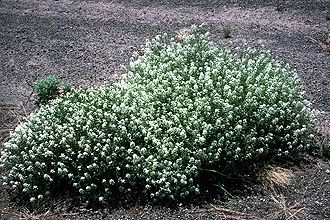
Photo of Mountain Pepperweed (Lepidium montanum) by USDA-NRCS PLANTS Database, licensed Public domain, via Wikimedia Commons.


I hope this gives you a steadier way to judge Mountain Pepperweed, with the old record respected and the missing facts left plainly missing.
Frequently asked questions
What are the traditional uses of Mountain Pepperweed?
The Navajo record from Kayenta documented Mountain Pepperweed as used for biliousness and gastro-intestinal disorders, and also for palpitations and dizziness. These are historical ethnobotanical records, not claims that Mountain Pepperweed treats those conditions today. Both uses were documented by Wyman and Harris in *The Ethnobotany of the Kayenta Navaho*, published in 1951, page 24.
What did the Kayenta Navajo record about Mountain Pepperweed?
Wyman and Harris recorded Mountain Pepperweed among the Navajo of Kayenta, with the plant listed for biliousness, gastro-intestinal disorders, palpitations, and dizziness. Their 1951 source does not identify a plant part for these entries, so the part used remains unspecified. The documentation is clear about the tradition and conditions, but limited about application.
Is Mountain Pepperweed palatable or toxic to humans?
The supplied record does not describe Mountain Pepperweed as palatable to humans, and it records no toxicity status. That does not establish edibility or safety either way. The safest factual line is narrower: human palatability was not recorded, toxicity was not recorded, and the documented Navajo uses do not identify a plant part or preparation.
Who should grow Mountain Pepperweed, and who should skip it?
Mountain Pepperweed suits a homeowner building a low-water planting area who values a documented regional plant story more than a food crop. A renter with a sunny container can consider it only if the plant’s mature behavior and container performance are confirmed locally. Skip it for a kitchen garden, a household seeking edible leaves, or anyone expecting a medicinal plant.
How does Mountain Pepperweed fit a low-water garden?
Mountain Pepperweed fits the supplied garden record because its water requirement was recorded as low. That makes it worth investigating for a Central Texas bed where August irrigation is a real line item, though low water does not guarantee survival in caliche, black clay, or reflected heat. Check the [plant reference library](/plants) before committing a bed.
What should gardeners know before choosing Mountain Pepperweed?
Gardeners should choose Mountain Pepperweed for its low-water profile and documented ethnobotanical history, not because the record promises food, treatment, or broad site tolerance. The trade-off is plain: the supplied data do not record human palatability, toxicity status, plant part, or preparation. If the site is uncertain, use [Get My Concept](/get-my-concept) to think through the planting conditions first.
Free, no obligation
Ready to design your dream landscape? Start here.
Tell us where you are and we will start a free profile for you, with plants that actually survive your climate and a real sense of what the build would cost.