
Traditional Uses of Utah Juniper (Juniperus osteosperma)
Utah Juniper has a long history of use among Native American groups in the Southwest. Documented traditions record its branches, seeds, and green stems being used for everything from hair washing to remedies for colds and headaches. Here’s what the records say, and what that means for gardeners today.
August 19, 2026
By Diego Navarro
TL;DR: Utah Juniper was traditionally used by several Native American groups in the Southwest, including the Hopi, Navajo, and Havasupai, for a range of purposes such as remedies during confinement, washing hair, easing headaches, and treating colds. These uses are well-documented in ethnobotanical sources, but none involved recorded toxicity or human palatability.
Last updated: August 19, 2026
What traditional uses of Utah Juniper are recorded among Native American groups?
Ethnobotanical records show Utah Juniper was used by the Hopi, Navajo, and Havasupai for a variety of purposes. These included decoctions for women during confinement, seeds eaten for headaches, green branches used for colds, washing hair, and even behavioral discipline. Each use is tied to a specific group and source.
Which parts of Utah Juniper were used, and for what?
Records do not always specify the exact part, but branches, seeds, and green stems are mentioned. Hopi traditions used decoctions of branches for women during confinement, while Navajo records mention seeds for headaches and the plant for washing hair. The Havasupai used green branches for colds.
| Tradition | Part Used | What Was Recorded | Source |
|---|---|---|---|
| Hopi | Unspecified (branches) | Decoction of branches used especially by women during confinement. | Vestal, 1940 |
| Hopi | Unspecified | Misbehaving youngsters held in a blanket over a smoldering fire of plant. | Whiting, 1939 |
| Navajo | Unspecified (seeds) | Seeds eaten for headaches. | Hocking, 1956 |
| Navajo | Unspecified | Used to wash the hair. | Hocking, 1956 |
| Havasupai | Green branches | Green branches used singly or with other plants for colds. | Weber & Seaman, 1985 |

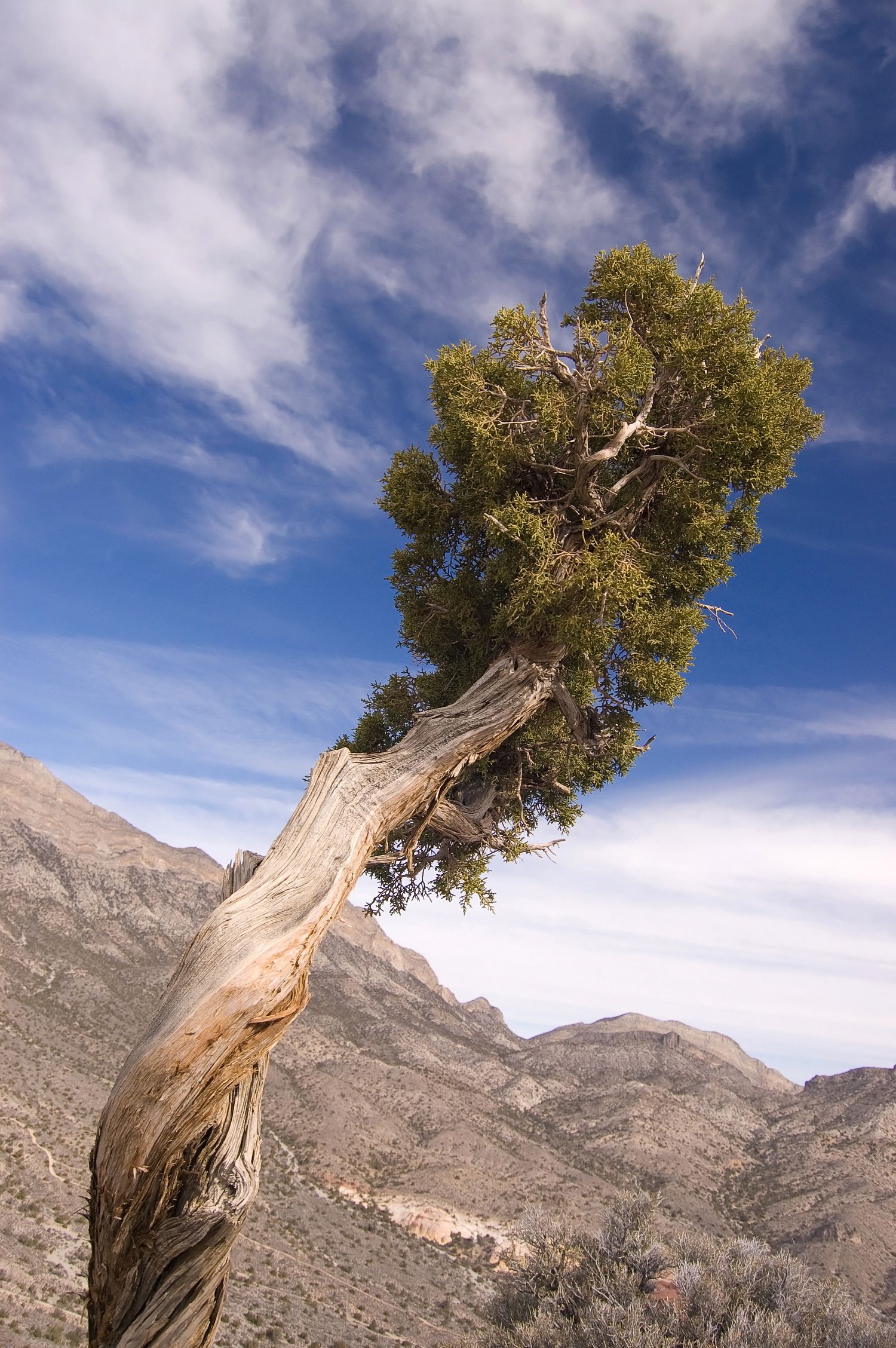
Photo by Famartin, licensed CC BY-SA 3.0, via Wikimedia Commons.

How reliable are these records of Utah Juniper’s uses?
All the uses listed here are documented in published ethnobotanical sources, with each tradition and use attributed to a specific group and author. Some records are more detailed than others, but all are considered documented, not just anecdotal or speculative.
Who should consider growing Utah Juniper, and who should skip it?
Utah Juniper is a good fit for gardeners with dry, rocky ground or those looking for a low-water evergreen. It is not a choice for anyone wanting edible fruit or a plant palatable to people. Renters with small patios or anyone with heavy, wet clay that holds water after a freeze should look elsewhere.

Photo by Famartin, licensed CC BY-SA 3.0, via Wikimedia Commons.

What are some caveats or trade-offs to growing Utah Juniper?
This juniper thrives in dry, rocky soils but struggles in clay that stays wet through winter. It is not palatable to humans, so it won’t provide edible berries or leaves. Growth can be slow, and it needs full sun to thrive. Deer may browse young plants, but mature trees are usually left alone.
Are any of these traditional uses still practiced or recommended today?
While the traditional uses are well-documented, there is little evidence of these practices continuing in the same way today. Modern gardeners usually grow Utah Juniper for landscaping, not for remedies or food. The plant’s historical uses are best understood as part of cultural heritage rather than current advice.
Frequently Asked Questions
What traditional medicinal uses of Utah Juniper are recorded?
Documented uses include a decoction of branches for women during confinement among the Hopi, seeds eaten for headaches by the Navajo, and green branches used for colds by the Havasupai. Each use is recorded in ethnobotanical sources from the early to mid-20th century.
Is Utah Juniper toxic to humans or animals?
No toxicity has been recorded for Utah Juniper in the sources cited here. While it is not considered palatable to humans, there is no documented evidence of it being toxic.
What parts of Utah Juniper were used traditionally?
The records mention branches, green branches, and seeds as the parts used. Uses included decoctions, eating seeds, and using the plant for hair washing or for colds.
Can I use Utah Juniper for the same purposes today?
The traditional uses are part of cultural heritage and are not current medical advice. Modern gardeners typically grow Utah Juniper for its drought tolerance and landscaping value rather than for remedies.
What growing conditions does Utah Juniper need?
Utah Juniper is documented as having low water requirements and thrives in dry, rocky soils. It will struggle in clay that stays wet through winter or in areas with poor drainage.
Who should plant Utah Juniper, and who should avoid it?
Gardeners with dry, rocky soil and a need for a low-water evergreen will find Utah Juniper useful. Those with small patios, renters, or anyone with heavy, wet clay soil should skip it, as it won't thrive in those conditions.
Want this worked out for your own yard?
Dream Landscaper reads the conditions you actually have, then plans around them rather than around a generic zone chart. Start with the city plant guides to see what already thrives near you, and when you want a real layout instead of a list, get your concept and we will take it from there.
Sources
- Vestal, Paul A, 1940, Notes on a Collection of Plants from the Hopi Indian Region of Arizona Made by J. G. Owens in 1891, Botanical Museum Leaflets (Harvard University) 8(8):153-168, page 157
- Whiting, Alfred F., 1939, Ethnobotany of the Hopi, Museum of Northern Arizona Bulletin #15, page 37
- Hocking, George M., 1956, Some Plant Materials Used Medicinally and Otherwise by the Navaho Indians in the Chaco Canyon, New Mexico, El Palacio 56:146-165, page 152
- Weber, Steven A. and P. David Seaman, 1985, Havasupai Habitat: A. F. Whiting's Ethnography of a Traditional Indian Culture, Tucson. The University of Arizona Press, page 206
Valeria and Diego are not doctors, and nothing here is medical advice. This article shares traditional and ancestral plant wisdom that was passed down through generations. It may be beneficial when applied with your own discretion, and with medical supervision as needed.
Photo of Utah Juniper (Juniperus osteosperma) by Fcb981, licensed CC BY-SA 3.0, via Wikimedia Commons.


If you’re thinking about Utah Juniper for your landscape, I hope this gives you a clearer picture of its roots and its place in the Southwest.
Frequently asked questions
What traditional medicinal uses of Utah Juniper are recorded?
Documented uses include a decoction of branches for women during confinement among the Hopi, seeds eaten for headaches by the Navajo, and green branches used for colds by the Havasupai. Each use is recorded in ethnobotanical sources from the early to mid-20th century.
Is Utah Juniper toxic to humans or animals?
No toxicity has been recorded for Utah Juniper in the sources cited here. While it is not considered palatable to humans, there is no documented evidence of it being toxic.
What parts of Utah Juniper were used traditionally?
The records mention branches, green branches, and seeds as the parts used. Uses included decoctions, eating seeds, and using the plant for hair washing or for colds.
Can I use Utah Juniper for the same purposes today?
The traditional uses are part of cultural heritage and are not current medical advice. Modern gardeners typically grow Utah Juniper for its drought tolerance and landscaping value rather than for remedies.
What growing conditions does Utah Juniper need?
Utah Juniper is documented as having low water requirements and thrives in dry, rocky soils. It will struggle in clay that stays wet through winter or in areas with poor drainage.
Who should plant Utah Juniper, and who should avoid it?
Gardeners with dry, rocky soil and a need for a low-water evergreen will find Utah Juniper useful. Those with small patios, renters, or anyone with heavy, wet clay soil should skip it, as it won't thrive in those conditions.
Free, no obligation
Ready to design your dream landscape? Start here.
Tell us where you are and we will start a free profile for you, with plants that actually survive your climate and a real sense of what the build would cost.