
Traditional Uses of Toad Rush (Juncus bufonius): What Was Recorded?
Toad Rush (Juncus bufonius) was recorded among the Iroquois for its use in preparations taken by runners and athletes, especially as an emetic and body wash. These traditions are documented in early 20th-century and later ethnobotanical sources, with no evidence of toxicity or edibility for humans.
September 3, 2026
By Valeria Navarro
TL;DR: Toad Rush (Juncus bufonius) was used by the Iroquois as an emetic and body wash, especially for runners and athletes, according to documented sources from 1916 and 1977. No toxicity or food use was recorded, and all uses were external or ritual, not dietary.
Last updated: September 3, 2026
What traditional uses of Toad Rush were recorded among the Iroquois?
Toad Rush (Juncus bufonius) was documented among the Iroquois as part of athletic rituals, mainly as an emetic and as a body wash. These uses were recorded in the early 20th century and again in the 1970s, with preparations taken or used externally by runners and athletes.
How did the Iroquois use Toad Rush for runners and athletes?
The Iroquois tradition included using Toad Rush infusions and decoctions as emetics and body washes, specifically for runners preparing for races. The process involved drinking an infusion to induce vomiting and washing the body, repeated several times before a race, as described in Waugh, 1916 and Herrick, 1977.

Photo by Daniel Cahen, licensed CC BY 4.0, via Wikimedia Commons.

What parts of Toad Rush were used in these traditions?
The specific part of Toad Rush used was not recorded in the sources. Both the infusion and decoction involved the entire plant, but the texts do not specify roots, stems, or leaves. All uses were for external wash or internal emetic, not as food or flavoring.
Is Toad Rush safe or edible for humans?
No toxicity has been recorded for Toad Rush, but it was not documented as palatable or edible for humans in any tradition. The recorded uses were strictly medicinal or ritual, not dietary, and there is no evidence of it being eaten.

Photo by Yurii Basov, licensed CC0, via Wikimedia Commons.

Who should grow Toad Rush, and who should skip it?
Toad Rush fits best for gardeners with moderately wet spots, like a rain garden or low patch that holds water but does not stay soggy. It is not for edible gardens or for anyone wanting a showy flower. If your soil bakes hard in summer or you have pets that chew, it is a safe but unimpressive filler.
How do the documented traditions compare?
| Tradition | Part Used | What Was Recorded | Source |
|---|---|---|---|
| Iroquois | Unspecified | Infusion taken as emetic by runners, with body wash, repeated before a race | Waugh, F. W., 1916, Iroquis Foods and Food Preparation, page 89 |
| Iroquois | Unspecified | Compound decoction used as wash for the entire body | Herrick, James William, 1977, Iroquois Medical Botany, page 279 |
| Iroquois | Unspecified | Compound decoction taken as an emetic | Herrick, James William, 1977, Iroquois Medical Botany, page 279 |
| Iroquois | Unspecified | Compound decoction taken to 'give strength to runners and other athletes' | Herrick, James William, 1977, Iroquois Medical Botany, page 279 |
Where can I find more plants with traditional uses?
You can explore more plants with recorded histories on the plants page. If you are thinking about adding something with a story to your own garden, you can get a custom concept at get my concept.
Frequently Asked Questions
What traditional uses of Toad Rush were recorded among the Iroquois?
Toad Rush was recorded among the Iroquois for use as an emetic and as a body wash, particularly in athletic rituals for runners. These uses were documented in both 1916 and 1977 sources, focusing on preparations that were taken internally or used externally before races.
How did the Iroquois use Toad Rush for runners and athletes?
The Iroquois used infusions and decoctions of Toad Rush as emetics and body washes for runners. The process involved drinking the infusion to induce vomiting and washing the body, repeated several times in the week leading up to a race, as described in early ethnobotanical records.
Is Toad Rush toxic or edible for humans?
No toxicity has been recorded for Toad Rush, but it is also not documented as edible or palatable for humans. The traditional uses were strictly medicinal or ritual, and there is no evidence of it being eaten in any tradition.
What part of Toad Rush did the Iroquois use?
The specific part of Toad Rush used in Iroquois tradition was not recorded in the sources. Both the infusion and decoction involved the plant, but the texts do not specify roots, stems, or leaves.
Who should grow Toad Rush in their garden?
Toad Rush is best for gardeners with moderately wet areas, such as rain gardens or low spots that hold water but do not stay soggy. It is not suited for edible gardens or those seeking showy flowers, and it works as a safe but unremarkable filler in most landscapes.
Where can I find more plants with traditional uses?
You can find more plants with recorded traditional uses on the Dream Landscaper plants page. For a custom garden concept that includes plants with a story, check out get my concept.
Want this worked out for your own yard?
Dream Landscaper reads the conditions you actually have, then plans around them rather than around a generic zone chart. Start with the city plant guides to see what already thrives near you, and when you want a real layout instead of a list, get your concept and we will take it from there.
Sources
- Waugh, F. W., 1916, Iroquis Foods and Food Preparation, Ottawa. Canada Department of Mines, page 89
- Herrick, James William, 1977, Iroquois Medical Botany, State University of New York, Albany, PhD Thesis, page 279
Valeria and Diego are not doctors, and nothing here is medical advice. This article shares traditional and ancestral plant wisdom that was passed down through generations. It may be beneficial when applied with your own discretion, and with medical supervision as needed.
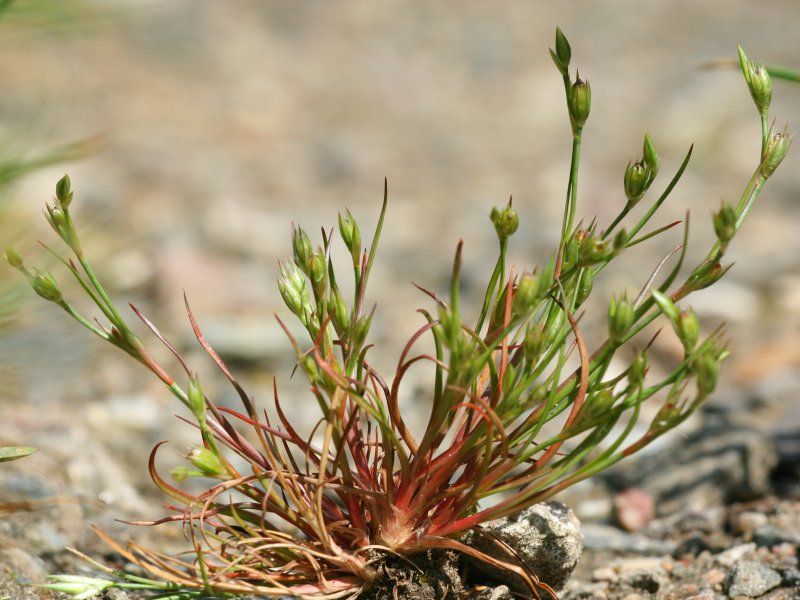
Photo of Toad Rush (Juncus bufonius) by Kristian Peters -- Fabelfroh 11:49, 16 June 2007 (UTC), licensed CC BY-SA 3.0, via Wikimedia Commons.


Thanks for reading about Toad Rush and its story in Iroquois tradition, and I hope it helps you see your own garden in a new way.
Frequently asked questions
What traditional uses of Toad Rush were recorded among the Iroquois?
Toad Rush was recorded among the Iroquois for use as an emetic and as a body wash, particularly in athletic rituals for runners. These uses were documented in both 1916 and 1977 sources, focusing on preparations that were taken internally or used externally before races.
How did the Iroquois use Toad Rush for runners and athletes?
The Iroquois used infusions and decoctions of Toad Rush as emetics and body washes for runners. The process involved drinking the infusion to induce vomiting and washing the body, repeated several times in the week leading up to a race, as described in early ethnobotanical records.
Is Toad Rush toxic or edible for humans?
No toxicity has been recorded for Toad Rush, but it is also not documented as edible or palatable for humans. The traditional uses were strictly medicinal or ritual, and there is no evidence of it being eaten in any tradition.
What part of Toad Rush did the Iroquois use?
The specific part of Toad Rush used in Iroquois tradition was not recorded in the sources. Both the infusion and decoction involved the plant, but the texts do not specify roots, stems, or leaves.
Who should grow Toad Rush in their garden?
Toad Rush is best for gardeners with moderately wet areas, such as rain gardens or low spots that hold water but do not stay soggy. It is not suited for edible gardens or those seeking showy flowers, and it works as a safe but unremarkable filler in most landscapes.
Where can I find more plants with traditional uses?
You can find more plants with recorded traditional uses on the Dream Landscaper [plants](/plants) page. For a custom garden concept that includes plants with a story, check out [get my concept](/get-my-concept).
Free, no obligation
Ready to design your dream landscape? Start here.
Tell us where you are and we will start a free profile for you, with plants that actually survive your climate and a real sense of what the build would cost.