
Rockspirea (Holodiscus dumosus): Traditional Uses and Garden Notes
Rockspirea has documented Paiute and Shoshoni traditional uses in a 1941 ethnobotanical record, including uses associated with digestive complaints, colds, an antiseptic wash, and emesis. For gardeners, the supplied record describes low water requirements, but it does not establish Central Texas performance, human palatability, or modern medical benefits.
September 25, 2026
By Diego Navarro
TL;DR: Rockspirea (Holodiscus dumosus) is a low-water Rosaceae shrub with traditional uses documented among the Paiute and Shoshoni in a 1941 USDA ethnobotanical record. The record associates different plant parts with digestive complaints, colds, an antiseptic wash, and emesis, but it does not establish modern medical benefits or how reliably rockspirea will perform in Central Texas.
Last updated: September 25, 2026
In the supplied record, Rockspirea (Holodiscus dumosus) is a low-water Rosaceae shrub with documented traditional uses among the Paiute and Shoshoni. The same record connects different parts with digestive complaints, colds, an antiseptic wash, and emesis, but it does not establish modern medical benefits or Central Texas garden performance.
What is Rockspirea?
Rockspirea (Holodiscus dumosus) is a member of the rose family with a recorded low water requirement, while palatability to humans is not recorded. No toxicity status is recorded in the supplied information. Its honest trade-off is a thin record for landscape performance in Central Texas, so check the plant library before treating it as a proven local choice.
Which traditional uses of Rockspirea were recorded among the Paiute?
Among the Paiute, the 1941 record documents a root decoction taken for diarrhea, a stem decoction taken for colds, and a root decoction taken for stomach disorders. These are historical uses, not current medical guidance, and all three appear in Medicinal Uses of Plants by Indian Tribes of Nevada by Train, Henrichs, and Archer, published in 1941, pages 88 and 89.
| Tradition | Part used | What was recorded | Source |
|---|---|---|---|
| Paiute | Root, part otherwise unspecified | Decoction taken for diarrhea | Medicinal Uses of Plants by Indian Tribes of Nevada, 1941, pages 88 and 89 |
| Paiute | Stems, part otherwise unspecified | Decoction taken for colds | Medicinal Uses of Plants by Indian Tribes of Nevada, 1941, pages 88 and 89 |
| Paiute | Root, part otherwise unspecified | Decoction taken for stomach disorders | Medicinal Uses of Plants by Indian Tribes of Nevada, 1941, pages 88 and 89 |
| Shoshoni | Leaves, flowers, and stems, part otherwise unspecified | Decoction used as an antiseptic wash | Medicinal Uses of Plants by Indian Tribes of Nevada, 1941, pages 88 and 89 |
| Shoshoni | Leaves, part otherwise unspecified | Decoction taken as an emetic | Medicinal Uses of Plants by Indian Tribes of Nevada, 1941, pages 88 and 89 |
| Shoshoni | Leaves and stems, part otherwise unspecified | Decoction taken for stomachaches | Medicinal Uses of Plants by Indian Tribes of Nevada, 1941, pages 88 and 89 |
Which traditional uses of Rockspirea were recorded among the Shoshoni?
Separate from the Paiute entries, the 1941 source records Shoshoni uses of rockspirea leaves, flowers, and stems as an antiseptic wash, leaves as an emetic, and leaves with stems for stomachaches. Train, Henrichs, and Archer documented these accounts in Medicinal Uses of Plants by Indian Tribes of Nevada (1941, pages 88 and 89), with no modern clinical claim attached.
Can Rockspirea grow in a low-water garden?
For Rockspirea, the supplied growing record specifies low water, but it does not document soil tolerance, heat performance, deer resistance, or establishment in Central Texas. That missing information matters here, because black clay stays wet and limestone stops a shovel quickly. The trade-off is simple: low water is recorded, local reliability is not.
Who should grow Rockspirea, and who should skip it?
Rockspirea may suit a homeowner building a low-water planting plan who can accept incomplete regional performance information and observe the plant before expanding it. A renter with a balcony, a gardener needing a proven heavy-clay shrub, or a household seeking a documented edible plant should skip the gamble. Use the garden concept tool to compare the whole site first.
What should gardeners know about Rockspirea's recorded safety and palatability?
For Rockspirea, no toxicity status is recorded in the supplied information, and palatability to humans is also not recorded. That is not a safety endorsement or an edible-plant recommendation. The historical uses remain attributed to Paiute and Shoshoni records in Medicinal Uses of Plants by Indian Tribes of Nevada (1941, pages 88 and 89), not presented as treatment today.
Frequently Asked Questions
What is Rockspirea?
Rockspirea (Holodiscus dumosus) is a member of the rose family with a recorded low water requirement, while palatability to humans is not recorded. No toxicity status is recorded in the supplied information. Its honest trade-off is a thin record for landscape performance in Central Texas, so check the plant library before treating it as a proven local choice.
Which traditional uses of Rockspirea were recorded among the Paiute?
Among the Paiute, the 1941 record documents a root decoction taken for diarrhea, a stem decoction taken for colds, and a root decoction taken for stomach disorders. These are historical uses, not current medical guidance, and all three appear in Medicinal Uses of Plants by Indian Tribes of Nevada by Train, Henrichs, and Archer, published in 1941, pages 88 and 89.
Which traditional uses of Rockspirea were recorded among the Shoshoni?
Separate from the Paiute entries, the 1941 source records Shoshoni uses of rockspirea leaves, flowers, and stems as an antiseptic wash, leaves as an emetic, and leaves with stems for stomachaches. Train, Henrichs, and Archer documented these accounts in Medicinal Uses of Plants by Indian Tribes of Nevada (1941, pages 88 and 89), with no modern clinical claim attached.
Can Rockspirea grow in a low-water garden?
For Rockspirea, the supplied growing record specifies low water, but it does not document soil tolerance, heat performance, deer resistance, or establishment in Central Texas. That missing information matters here, because black clay stays wet and limestone stops a shovel quickly. The trade-off is simple: low water is recorded, local reliability is not.
Who should grow Rockspirea, and who should skip it?
Rockspirea may suit a homeowner building a low-water planting plan who can accept incomplete regional performance information and observe the plant before expanding it. A renter with a balcony, a gardener needing a proven heavy-clay shrub, or a household seeking a documented edible plant should skip the gamble. Use the garden concept tool to compare the whole site first.
What should gardeners know about Rockspirea's recorded safety and palatability?
For Rockspirea, no toxicity status is recorded in the supplied information, and palatability to humans is also not recorded. That is not a safety endorsement or an edible-plant recommendation. The historical uses remain attributed to Paiute and Shoshoni records in Medicinal Uses of Plants by Indian Tribes of Nevada (1941, pages 88 and 89), not presented as treatment today.
Want this worked out for your own yard?
Dream Landscaper reads the conditions you actually have, then plans around them rather than around a generic zone chart. Start with the city plant guides to see what already thrives near you, and when you want a real layout instead of a list, get your concept and we will take it from there.
Sources
- Train, Percy, James R. Henrichs and W. Andrew Archer, 1941, Medicinal Uses of Plants by Indian Tribes of Nevada, Washington DC. U.S. Department of Agriculture, page 88, 89
Valeria and Diego are not doctors, and nothing here is medical advice. This article shares traditional and ancestral plant wisdom that was passed down through generations. It may be beneficial when applied with your own discretion, and with medical supervision as needed.
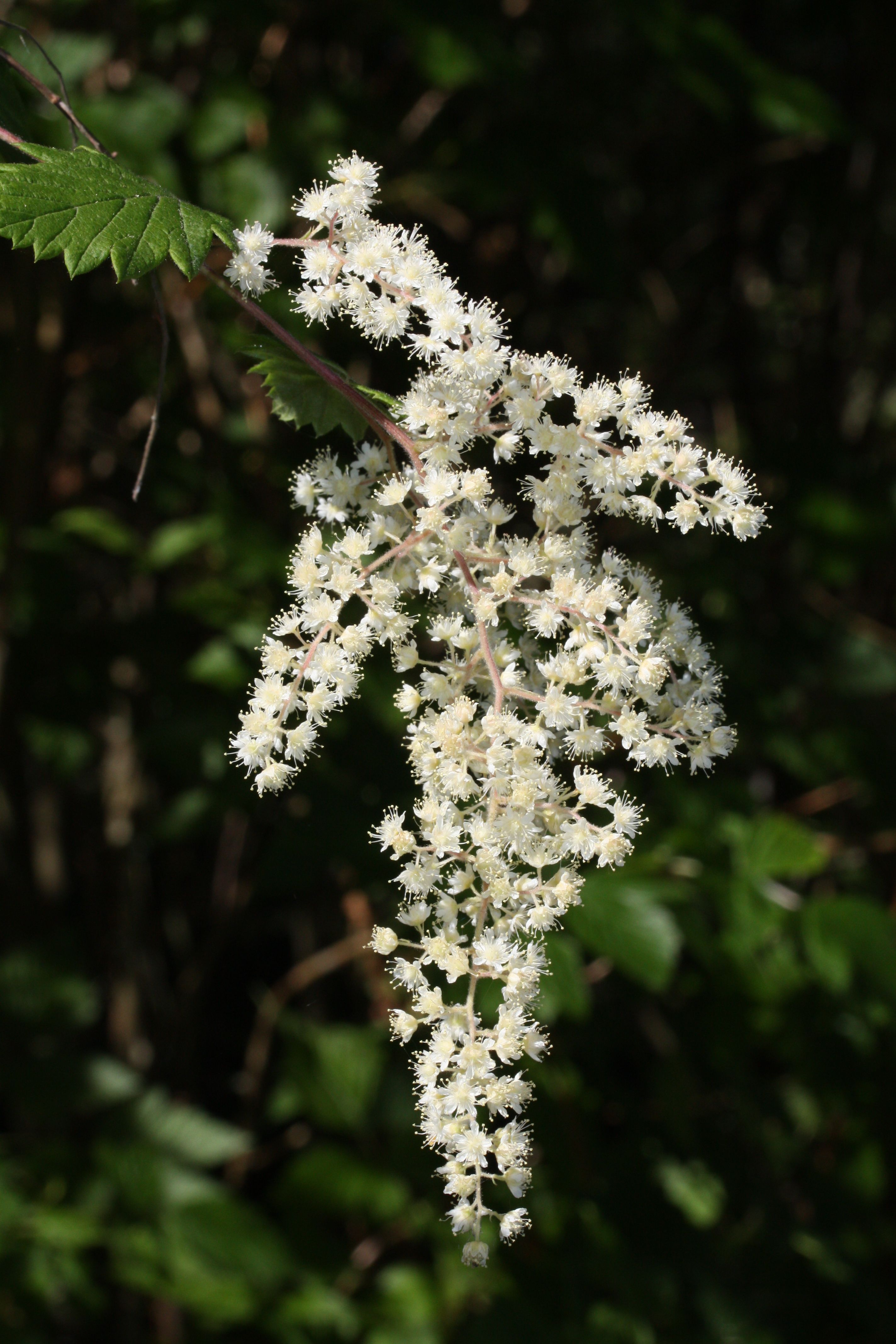
Photo of Rockspirea (Holodiscus dumosus) by Walter Siegmund (talk), licensed CC BY-SA 3.0, via Wikimedia Commons.


I hope this gives you a clear place to start, with both the history and the garden uncertainty kept in view.
Frequently asked questions
What is Rockspirea?
Rockspirea (Holodiscus dumosus) is a member of the rose family with a recorded low water requirement, while palatability to humans is not recorded. No toxicity status is recorded in the supplied information. Its honest trade-off is a thin record for landscape performance in Central Texas, so check the plant library before treating it as a proven local choice.
Which traditional uses of Rockspirea were recorded among the Paiute?
Among the Paiute, the 1941 record documents a root decoction taken for diarrhea, a stem decoction taken for colds, and a root decoction taken for stomach disorders. These are historical uses, not current medical guidance, and all three appear in Medicinal Uses of Plants by Indian Tribes of Nevada by Train, Henrichs, and Archer, published in 1941, pages 88 and 89.
Which traditional uses of Rockspirea were recorded among the Shoshoni?
Separate from the Paiute entries, the 1941 source records Shoshoni uses of rockspirea leaves, flowers, and stems as an antiseptic wash, leaves as an emetic, and leaves with stems for stomachaches. Train, Henrichs, and Archer documented these accounts in Medicinal Uses of Plants by Indian Tribes of Nevada (1941, pages 88 and 89), with no modern clinical claim attached.
Can Rockspirea grow in a low-water garden?
For Rockspirea, the supplied growing record specifies low water, but it does not document soil tolerance, heat performance, deer resistance, or establishment in Central Texas. That missing information matters here, because black clay stays wet and limestone stops a shovel quickly. The trade-off is simple: low water is recorded, local reliability is not.
Who should grow Rockspirea, and who should skip it?
Rockspirea may suit a homeowner building a low-water planting plan who can accept incomplete regional performance information and observe the plant before expanding it. A renter with a balcony, a gardener needing a proven heavy-clay shrub, or a household seeking a documented edible plant should skip the gamble. Use the garden concept tool to compare the whole site first.
What should gardeners know about Rockspirea's recorded safety and palatability?
For Rockspirea, no toxicity status is recorded in the supplied information, and palatability to humans is also not recorded. That is not a safety endorsement or an edible-plant recommendation. The historical uses remain attributed to Paiute and Shoshoni records in Medicinal Uses of Plants by Indian Tribes of Nevada (1941, pages 88 and 89), not presented as treatment today.
Free, no obligation
Ready to design your dream landscape? Start here.
Tell us where you are and we will start a free profile for you, with plants that actually survive your climate and a real sense of what the build would cost.