
Traditional Uses of Salal (Gaultheria shallon): What Was Recorded?
Salal (Gaultheria shallon) has a long history of use among Native American groups along the Pacific Northwest coast. Traditions recorded the use of its leaves for burns, sores, cuts, and other purposes, with each use attributed to a specific community and source. Here’s what the records say.
August 12, 2026
By Diego Navarro
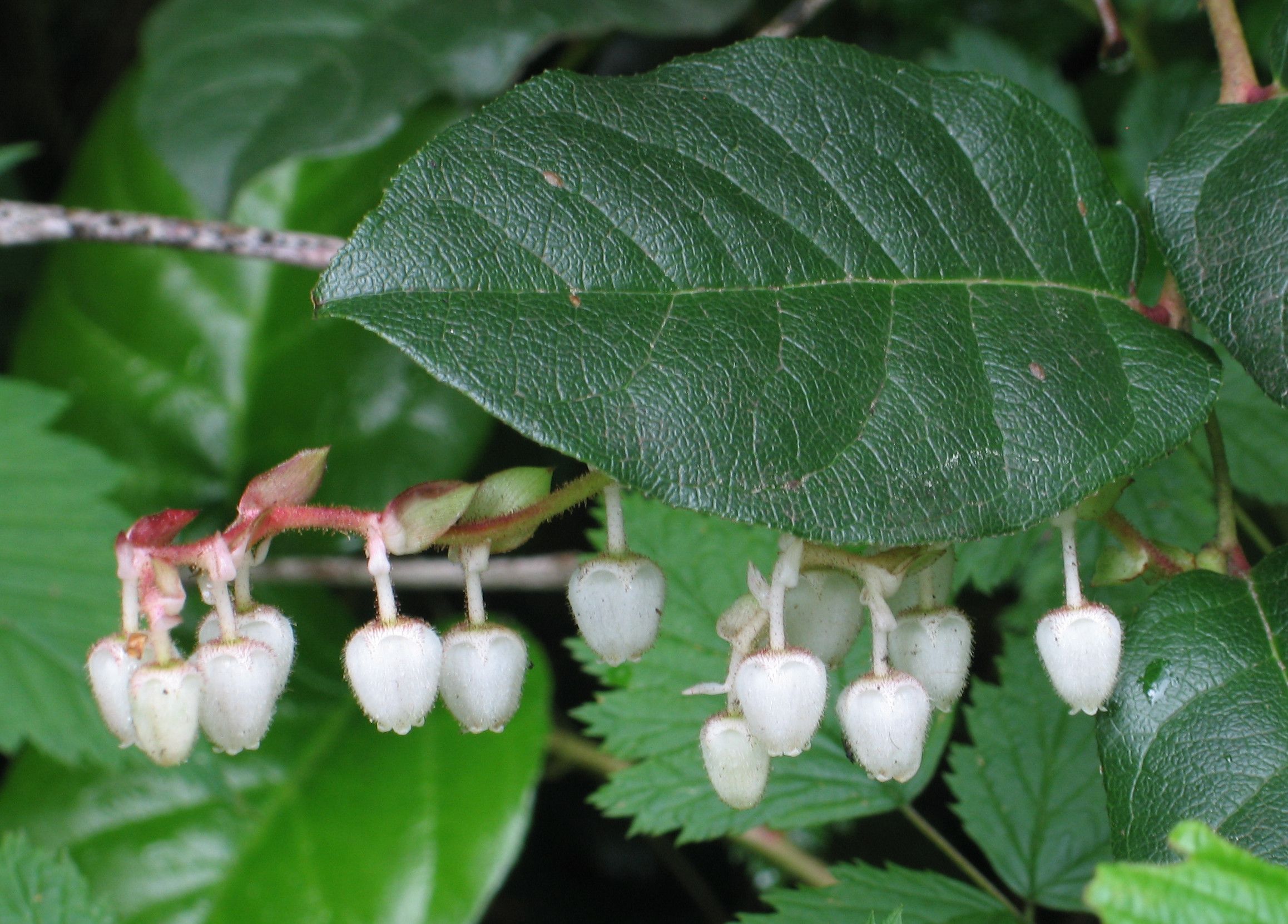
TL;DR: Salal (Gaultheria shallon) was traditionally used by Native American groups for burns, sores, cuts, as a stomach tonic, and in ceremonial contexts. Each use was recorded by ethnobotanists and tied to specific communities in the Pacific Northwest, with no toxicity reported and high water needs for cultivation.
Last updated: August 12, 2026
What traditional uses of Salal (Gaultheria shallon) have been recorded?
Salal was used by Native American groups for treating burns, sores, and cuts, as well as for ceremonial and digestive purposes. These uses were documented by ethnobotanists between 1929 and 1983, each tied to a specific community. No toxicity was recorded in any tradition.
Which communities used Salal and for what purposes?
The Klallam, Makah, Nitinaht, Quileute, and Bella Coola all recorded different uses for Salal leaves. These ranged from poultices for burns and sores to ceremonial eating and use as a stomach tonic. Each account is attributed to a specific published source.
| Tradition | Part Used | What Was Recorded | Source |
|---|---|---|---|
| Klallam | Leaves | Poultice of chewed leaves applied to burns | Gunther, Erna, 1973, p. 43 |
| Makah | Leaves | Leaves used to dry the mouth | Gill, Steven J., 1983, p. 299 |
| Nitinaht | Leaves | Infusion of leaves used as a stomach tonic | Gill, Steven J., 1983, p. 299 |
| Nitinaht | Leaves | Large leaves eaten by newlywed couples for a firstborn baby boy | Turner, Nancy J. et al., 1983, p. 104 |
| Quileute | Leaves | Poultice of chewed leaves applied to sores | Gunther, Erna, 1973, p. 43 |
| Bella Coola | Leaves | Poultice of toasted, pulverized leaves applied to cuts | Smith, Harlan I., 1929, p. 63 |

Photo by Wouter Hagens, licensed Public domain, via Wikimedia Commons.

What parts of Salal were used in traditional practices?
Every recorded use involved the leaves of Salal, either chewed, toasted, or infused. No other plant part was documented in the sources provided. The methods of preparation varied by community and purpose, but always centered on the leaf.
Who should grow Salal and who should skip it?
Salal is best for gardeners with consistently moist soil and space for a shrub that needs high water. It is palatable to humans and has no recorded toxicity. Skip it if your site dries out quickly or if you garden in heavy clay that stays soggy after rain, since root rot is a risk.
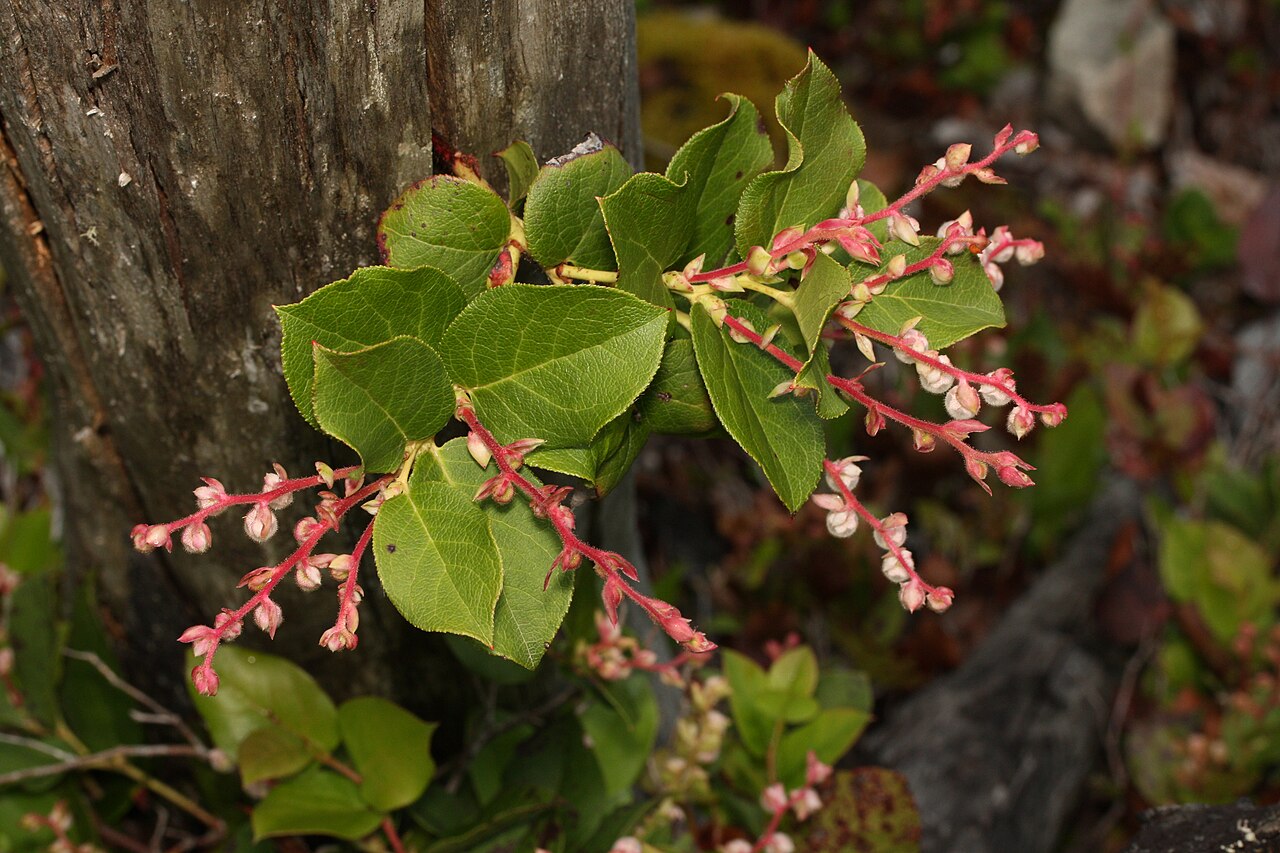
Photo by Walter Siegmund (talk), licensed CC BY-SA 3.0, via Wikimedia Commons.

Are there any cautions or limitations in the recorded uses of Salal?
No toxicity was reported in any tradition, but the records do not include dosage or preparation details. The ceremonial use among the Nitinaht for newlyweds is specific and not widely documented elsewhere. Always read the original sources for context.
What is the historical significance of Salal in these traditions?
Salal played a role in both practical medicine and ceremonial life for several Pacific Northwest groups. Its leaves were used for healing and for symbolic acts, such as the Nitinaht tradition for newlyweds. The plant’s value was both functional and cultural.
Frequently Asked Questions
What medicinal uses of Salal were recorded among Native American groups?
Medicinal uses of Salal included poultices of chewed leaves applied to burns and sores among the Klallam and Quileute, and toasted, pulverized leaves applied to cuts among the Bella Coola. These uses were documented by ethnobotanists between 1929 and 1973 and are specific to those communities.
Did any tradition record eating Salal leaves?
Yes, among the Nitinaht, large leaves of Salal were eaten by both newlywed husband and wife in a ceremony for a firstborn baby boy. This use was specifically documented by Turner and colleagues in 1983 and is not recorded in other groups.
Was Salal ever used as a remedy for digestive issues?
An infusion of Salal leaves was used as a stomach tonic by the Nitinaht, as recorded by Steven J. Gill in 1983. This is the only documented digestive use among the recorded traditions.
Are there any toxicity warnings for Salal?
No toxicity was recorded for Salal in any of the documented traditions. The plant is considered palatable to humans, but no modern safety studies are referenced here, so always use caution and consult original sources.
What growing conditions does Salal require?
Salal requires high water and is best suited for sites that stay consistently moist. It is not a good fit for gardens that dry out quickly or for heavy clay soils that remain soggy, as root rot can develop under those conditions.
How reliable are the recorded uses of Salal?
The uses listed here are all documented in published ethnobotanical sources, with each use tied to a specific community and date. Some ceremonial uses, like the Nitinaht wedding tradition, are unique and not widely reported elsewhere.
Want this worked out for your own yard?
Dream Landscaper reads the conditions you actually have, then plans around them rather than around a generic zone chart. Start with the city plant guides to see what already thrives near you, and when you want a real layout instead of a list, get your concept and we will take it from there.
Sources
- Gunther, Erna, 1973, Ethnobotany of Western Washington, Seattle. University of Washington Press. Revised edition, page 43
- Gill, Steven J., 1983, Ethnobotany of the Makah and Ozette People, Olympic Peninsula, Washington (USA), Washington State University, Ph.D. Thesis, page 299
- Turner, Nancy J., John Thomas, Barry F. Carlson and Robert T. Ogilvie, 1983, Ethnobotany of the Nitinaht Indians of Vancouver Island, Victoria. British Columbia Provincial Museum, page 104
- Smith, Harlan I., 1929, Materia Medica of the Bella Coola and Neighboring Tribes of British Columbia, National Museum of Canada Bulletin 56:47-68, page 63
Valeria and Diego are not doctors, and nothing here is medical advice. This article shares traditional and ancestral plant wisdom that was passed down through generations. It may be beneficial when applied with your own discretion, and with medical supervision as needed.
Photo of Salal (Gaultheria shallon) by Robert Flogaus-Faust, licensed CC BY 4.0, via Wikimedia Commons.


Thanks for reading about the real traditions behind Salal, straight from the records and not the rumors.
Frequently asked questions
What medicinal uses of Salal were recorded among Native American groups?
Medicinal uses of Salal included poultices of chewed leaves applied to burns and sores among the Klallam and Quileute, and toasted, pulverized leaves applied to cuts among the Bella Coola. These uses were documented by ethnobotanists between 1929 and 1973 and are specific to those communities.
Did any tradition record eating Salal leaves?
Yes, among the Nitinaht, large leaves of Salal were eaten by both newlywed husband and wife in a ceremony for a firstborn baby boy. This use was specifically documented by Turner and colleagues in 1983 and is not recorded in other groups.
Was Salal ever used as a remedy for digestive issues?
An infusion of Salal leaves was used as a stomach tonic by the Nitinaht, as recorded by Steven J. Gill in 1983. This is the only documented digestive use among the recorded traditions.
Are there any toxicity warnings for Salal?
No toxicity was recorded for Salal in any of the documented traditions. The plant is considered palatable to humans, but no modern safety studies are referenced here, so always use caution and consult original sources.
What growing conditions does Salal require?
Salal requires high water and is best suited for sites that stay consistently moist. It is not a good fit for gardens that dry out quickly or for heavy clay soils that remain soggy, as root rot can develop under those conditions.
How reliable are the recorded uses of Salal?
The uses listed here are all documented in published ethnobotanical sources, with each use tied to a specific community and date. Some ceremonial uses, like the Nitinaht wedding tradition, are unique and not widely reported elsewhere.
Free, no obligation
Ready to design your dream landscape? Start here.
Tell us where you are and we will start a free profile for you, with plants that actually survive your climate and a real sense of what the build would cost.