
Traditional uses of Nodding Fescue (Festuca subverticillata)
Nodding Fescue, Festuca subverticillata, holds a small but specific place in Iroquois ethnobotany. This grass was documented as a remedy for heart disease and as a 'corn medicine,' with both uses recorded in the 1970s by James William Herrick. No toxicity or food uses have been recorded.
August 12, 2026
By Valeria Navarro
TL;DR: Nodding Fescue (Festuca subverticillata) was recorded among the Iroquois as a decoction for heart disease and as a 'corn medicine,' according to James William Herrick in 1977. No food use or toxicity was documented, and all records point to its role in traditional medicine rather than as a dietary plant.
Last updated: August 12, 2026
What traditional uses of Nodding Fescue were recorded among the Iroquois?
Nodding Fescue was documented among the Iroquois as a remedy for heart disease and as a 'corn medicine.' These uses were recorded in the 1970s by James William Herrick, showing the plant’s role in traditional medicine rather than as a food source. No other traditions or uses were documented in this source.
- Decoction of smashed roots taken for heart disease. (Herrick, 1977)
- Compound used as a 'corn medicine.' (Herrick, 1977)
How do the Iroquois uses of Nodding Fescue compare?
Both uses of Nodding Fescue recorded among the Iroquois center on traditional medicine, not nutrition. The same plant was prepared differently for these two purposes: as a decoction for heart disease and as a compound for corn-related rituals or remedies. These are the only documented uses, and both come from the same ethnobotanical source.
| Tradition | Part Used | What Was Recorded | Source |
|---|---|---|---|
| Iroquois | Unspecified | Decoction of smashed roots for heart disease | Herrick, 1977 |
| Iroquois | Unspecified | Compound used as a 'corn medicine' | Herrick, 1977 |

Photo by Unknown author, licensed Public domain, via Wikimedia Commons.
.jpg)
Who should grow Nodding Fescue and who should skip it?
Grow Nodding Fescue if you need a moderate-water grass that isn’t eaten by deer or people, and you want something with a native story. Skip it if you’re looking for an edible grass or if your soil stays soggy after rain. It’s not a diva, but it won’t thrive in waterlogged clay.
What growing conditions does Nodding Fescue require?
Nodding Fescue has a moderate water requirement and is not recorded as edible. It isn’t picky about sun, but it will struggle if your soil holds water after a storm or a freeze. In Central Texas, plant it where rain drains off and clay doesn’t stay wet for days.

Photo by Robert H. Mohlenbrock. USDA NRCS. 1995. Northeast wetland flora: Field office guide to plant species. Northeast National Technical Center, Chester. Courtesy of USDA NRCS Wetland Science Institute., licensed Public domain, via Wikimedia Commons.

Is Nodding Fescue toxic or edible?
No toxicity has been recorded for Nodding Fescue, but it’s also not known as a food plant for people. The Iroquois traditions focus on medicinal and ritual uses, not eating. If you have pets or kids, there’s no warning in the record, but it’s not a salad green either.
What is the trade-off for growing Nodding Fescue?
Nodding Fescue is easygoing about water but not about drainage. If your soil is heavy clay that puddles, it can rot out in a wet winter. It won’t feed your family or your deer, but it brings a piece of native tradition to your yard without drama.
Where can I learn more about plants with traditional uses?
If you’re curious about other plants with a story, check out the plants page for more profiles. For a personalized design that honors native plants and traditions, you can get started at get-my-concept.
Frequently Asked Questions
What medicinal uses of Nodding Fescue were recorded by the Iroquois?
The Iroquois used a decoction of smashed Nodding Fescue roots for heart disease, according to James William Herrick’s 1977 ethnobotanical research. This is the only documented medicinal use for this grass among the Iroquois, and it does not appear in other traditions or sources.
What does 'corn medicine' mean in Iroquois tradition?
'Corn medicine' refers to a compound used in rituals or remedies related to corn, which was central to Iroquois agriculture and culture. Nodding Fescue was documented as one such 'corn medicine' by Herrick in 1977, but the specific preparation and purpose were not detailed.
Is Nodding Fescue safe for pets or children?
No toxicity has been recorded for Nodding Fescue, so there is no documented risk to pets or children. However, it is not known as an edible plant for people, so it’s best not to encourage anyone to eat it.
Can I eat Nodding Fescue or use it in cooking?
Nodding Fescue is not recorded as palatable or edible for humans. All documented uses focus on traditional medicine and ritual, not food. If you want an edible grass, this isn’t the one to grow.
What kind of soil does Nodding Fescue need?
Nodding Fescue needs soil that drains well and doesn’t stay soggy after rain. In Central Texas, avoid planting it in low spots where clay holds water, since it can rot out in wet conditions.
Where can I find more information about native plants and their uses?
You can explore more about native plants and their traditional uses on the Dream Landscaper plants page. For design help that honors native stories, check out get-my-concept for a custom plan.
Want this worked out for your own yard?
Dream Landscaper reads the conditions you actually have, then plans around them rather than around a generic zone chart. Start with the city plant guides to see what already thrives near you, and when you want a real layout instead of a list, get your concept and we will take it from there.
Sources
- Herrick, James William, 1977, Iroquois Medical Botany, State University of New York, Albany, PhD Thesis, page 273
Valeria and Diego are not doctors, and nothing here is medical advice. This article shares traditional and ancestral plant wisdom that was passed down through generations. It may be beneficial when applied with your own discretion, and with medical supervision as needed.
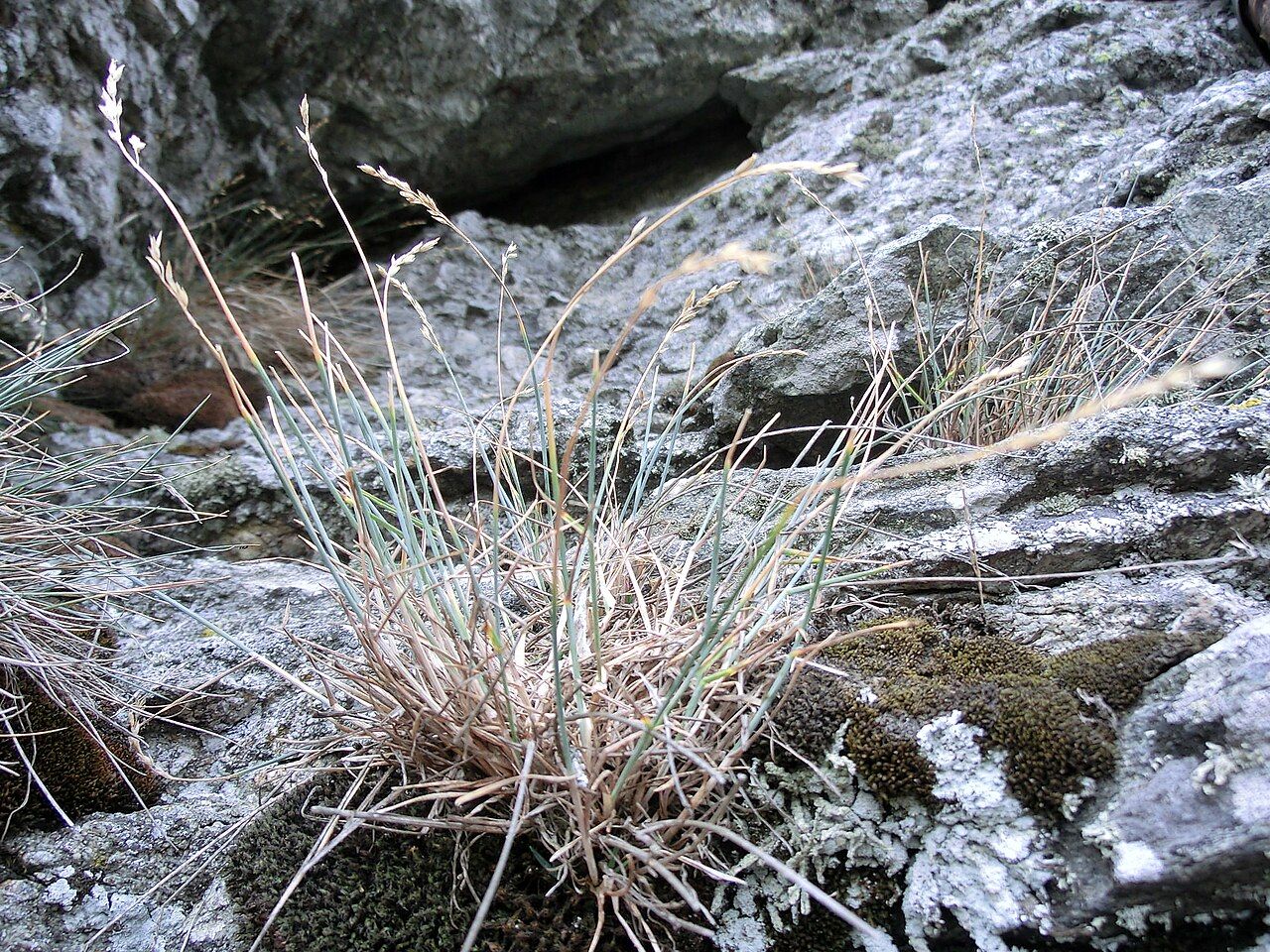
Photo of Nodding Fescue (Festuca subverticillata) by Vít Slezák, licensed CC BY-SA 3.0, via Wikimedia Commons.
.JPG)

Thanks for learning about Nodding Fescue with me, here’s to honoring the stories our plants carry.
Frequently asked questions
What medicinal uses of Nodding Fescue were recorded by the Iroquois?
The Iroquois used a decoction of smashed Nodding Fescue roots for heart disease, according to James William Herrick’s 1977 ethnobotanical research. This is the only documented medicinal use for this grass among the Iroquois, and it does not appear in other traditions or sources.
What does 'corn medicine' mean in Iroquois tradition?
'Corn medicine' refers to a compound used in rituals or remedies related to corn, which was central to Iroquois agriculture and culture. Nodding Fescue was documented as one such 'corn medicine' by Herrick in 1977, but the specific preparation and purpose were not detailed.
Is Nodding Fescue safe for pets or children?
No toxicity has been recorded for Nodding Fescue, so there is no documented risk to pets or children. However, it is not known as an edible plant for people, so it’s best not to encourage anyone to eat it.
Can I eat Nodding Fescue or use it in cooking?
Nodding Fescue is not recorded as palatable or edible for humans. All documented uses focus on traditional medicine and ritual, not food. If you want an edible grass, this isn’t the one to grow.
What kind of soil does Nodding Fescue need?
Nodding Fescue needs soil that drains well and doesn’t stay soggy after rain. In Central Texas, avoid planting it in low spots where clay holds water, since it can rot out in wet conditions.
Where can I find more information about native plants and their uses?
You can explore more about native plants and their traditional uses on the Dream Landscaper [plants](/plants) page. For design help that honors native stories, check out [get-my-concept](/get-my-concept) for a custom plan.
Free, no obligation
Ready to design your dream landscape? Start here.
Tell us where you are and we will start a free profile for you, with plants that actually survive your climate and a real sense of what the build would cost.