
Traditional Uses of Prairie Fleabane (Erigeron strigosus)
Prairie fleabane, a member of the aster family, was traditionally used by Native American groups for specific ailments. Documented uses include treatments for heart troubles among the Catawba and for sick headaches among the Ojibwa, with no recorded toxicity or palatability to humans.
August 17, 2026
By Diego Navarro
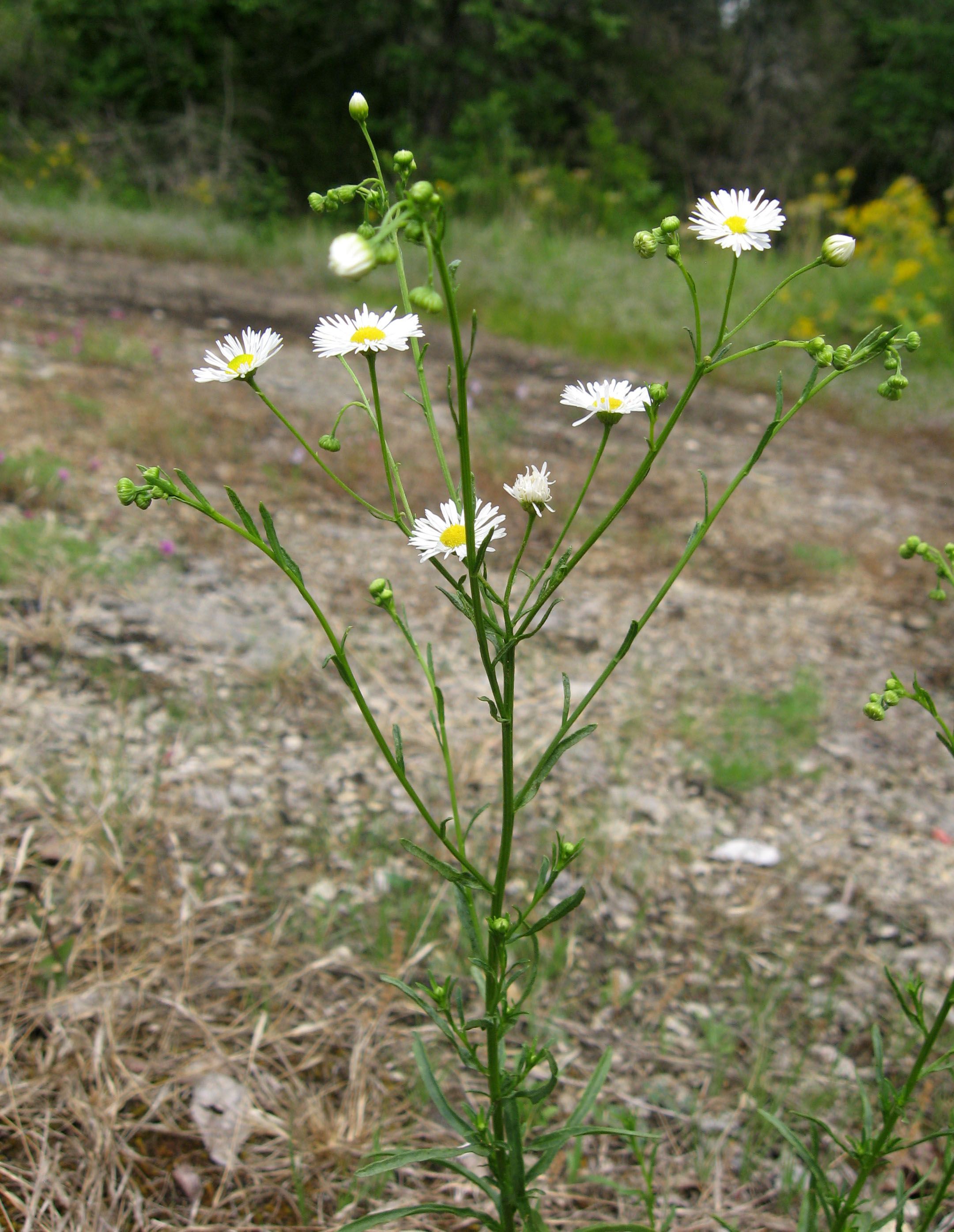
TL;DR: Prairie fleabane (Erigeron strigosus) was historically used by the Catawba as an infusion of roots for heart troubles, and by the Ojibwa for sick headaches, according to ethnobotanical records from the early 20th century. No toxicity or palatability to humans has been recorded for this plant.
Last updated: August 17, 2026
What traditional uses of prairie fleabane have been recorded?
Ethnobotanical records show prairie fleabane was used by Native American tribes for heart troubles and sick headaches. The Catawba prepared an infusion of the roots for heart issues, while the Ojibwa used the plant for headaches (Speck, 1937; Taylor, 1940; Smith, 1932).
Which parts of prairie fleabane were used in these traditions?
The sources document the use of the roots, specifically as an infusion for heart troubles among the Catawba. For sick headaches among the Ojibwa, the specific part used was not detailed (Speck, 1937; Taylor, 1940; Smith, 1932).

Photo by Patrick Alexander from Las Cruces, NM, licensed CC0, via Wikimedia Commons.

Who should consider growing prairie fleabane, and who should skip it?
Homeowners looking for a moderately water-thirsty, non-toxic native wildflower may find prairie fleabane fits into a pollinator garden or a naturalized area. If you expect to eat what you grow, skip this one, as there are no records of human palatability. It can handle Central Texas heat, but not standing water in heavy clay.
How do the traditional uses of prairie fleabane compare across different Native American groups?
Different tribes recorded distinct uses for prairie fleabane. The Catawba used an infusion of the roots for heart troubles, while the Ojibwa used the plant for headaches. Both traditions are documented in early 20th-century ethnobotanical studies.
| Tradition | Part Used | What Was Recorded | Source |
|---|---|---|---|
| Catawba | Roots (infusion) | Infusion of roots taken for heart troubles | Speck, 1937; Taylor, 1940 |
| Ojibwa | Unspecified | Plant used for sick headache | Smith, 1932 |

Photo by wackybadger, licensed CC BY-SA 2.0, via Wikimedia Commons.
.jpg)
Are there any safety or toxicity concerns with prairie fleabane?
No toxicity has been recorded for prairie fleabane in the available sources. There are also no records of it being palatable to humans, so it is not grown for food. As always, caution is wise when handling any unfamiliar plant.
What are the limitations of the traditional records for prairie fleabane?
The records are specific to certain tribes and conditions, and do not cover every possible use or effect. Some uses, such as for headaches, do not specify the preparation or part used. These traditions are well documented but should not be generalized.
Frequently Asked Questions
What did the Catawba use prairie fleabane for?
The Catawba used an infusion of prairie fleabane roots for heart troubles, as recorded by Speck in 1937 and Taylor in 1940. These uses are well documented in ethnobotanical literature from the early twentieth century.
How did the Ojibwa use prairie fleabane?
Among the Ojibwa, prairie fleabane was used for sick headaches, according to Smith's 1932 ethnobotanical work. The specific preparation or plant part was not detailed in the record.
Is prairie fleabane toxic to humans or animals?
No toxicity has been recorded for prairie fleabane in any of the cited sources. There is also no record of it being palatable to humans, so it is not used as a food plant.
Can prairie fleabane be grown in Central Texas?
Prairie fleabane can handle moderate water needs and the heat of Central Texas, but it will struggle in heavy clay soils that stay wet. It is best suited to well-drained sites and naturalized areas.
What are the main limitations of the traditional records for prairie fleabane?
The main limitations are that the records are specific to certain tribes and do not always specify the plant part or preparation method. Traditions may not be generalizable to other regions or health conditions.
Is prairie fleabane edible?
There are no records of prairie fleabane being palatable or used as food for humans. It is grown for its value as a native wildflower and for traditional uses, not for eating.
Want this worked out for your own yard?
Dream Landscaper reads the conditions you actually have, then plans around them rather than around a generic zone chart. Start with the city plant guides to see what already thrives near you, and when you want a real layout instead of a list, get your concept and we will take it from there.
Sources
- Speck, Frank G., 1937, Catawba Medicines and Curative Practices, Publications of the Philadelphia Anthropological Society 1:179-197, page 191
- Taylor, Linda Averill, 1940, Plants Used As Curatives by Certain Southeastern Tribes, Cambridge, MA. Botanical Museum of Harvard University, page 61
- Smith, Huron H., 1932, Ethnobotany of the Ojibwe Indians, Bulletin of the Public Museum of Milwaukee 4:327-525, page 364
Valeria and Diego are not doctors, and nothing here is medical advice. This article shares traditional and ancestral plant wisdom that was passed down through generations. It may be beneficial when applied with your own discretion, and with medical supervision as needed.
Photo of Prairie Fleabane (Erigeron strigosus) by Mason Brock ( Masebrock ), licensed Public domain, via Wikimedia Commons.


Thanks for reading about the real traditions behind prairie fleabane, and I hope this helps you see your plants with new eyes.
Frequently asked questions
What did the Catawba use prairie fleabane for?
The Catawba used an infusion of prairie fleabane roots for heart troubles, as recorded by Speck in 1937 and Taylor in 1940. These uses are well documented in ethnobotanical literature from the early twentieth century.
How did the Ojibwa use prairie fleabane?
Among the Ojibwa, prairie fleabane was used for sick headaches, according to Smith's 1932 ethnobotanical work. The specific preparation or plant part was not detailed in the record.
Is prairie fleabane toxic to humans or animals?
No toxicity has been recorded for prairie fleabane in any of the cited sources. There is also no record of it being palatable to humans, so it is not used as a food plant.
Can prairie fleabane be grown in Central Texas?
Prairie fleabane can handle moderate water needs and the heat of Central Texas, but it will struggle in heavy clay soils that stay wet. It is best suited to well-drained sites and naturalized areas.
What are the main limitations of the traditional records for prairie fleabane?
The main limitations are that the records are specific to certain tribes and do not always specify the plant part or preparation method. Traditions may not be generalizable to other regions or health conditions.
Is prairie fleabane edible?
There are no records of prairie fleabane being palatable or used as food for humans. It is grown for its value as a native wildflower and for traditional uses, not for eating.
Free, no obligation
Ready to design your dream landscape? Start here.
Tell us where you are and we will start a free profile for you, with plants that actually survive your climate and a real sense of what the build would cost.