
Traditional Uses of Longleaf Jointfir (Ephedra trifurca)
Historical records from the Cocopa, Navajo, and Pima document distinct uses of Longleaf Jointfir, including applications for sores, stomach troubles, kidney affections, venereal disease, and boils. The plant is also recorded as needing little water and being palatable to humans, but these ethnobotanical records do not establish modern medical treatment or safety.
September 20, 2026
By Diego Navarro
TL;DR: Longleaf Jointfir has documented ethnobotanical records among the Cocopa, Navajo, and Pima for sores, stomach troubles, kidney affections, venereal disease, and boils. The plant was also recorded as requiring little water and being palatable to humans, but these historical uses do not establish modern treatment, dosage, preparation, or safety.
Last updated: September 20, 2026
Longleaf Jointfir has documented records among the Cocopa, Navajo, and Pima for sores, stomach troubles, kidney affections, venereal disease, and boils. Those records describe traditional practices, not modern medical treatment or proof of safety.
What traditional uses of Longleaf Jointfir were recorded among the Cocopa?
The Cocopa record describes Longleaf Jointfir stems and leaves used in a poultice of pulverized or boiled plant material applied to sores. E. W. Gifford documented this account in 1933, and the record is specific about the condition and community, but it does not establish a present day treatment or safe preparation for home use.
Gifford recorded the Cocopa use in The Cocopa, published in 1933, page 268. The source identifies the plant material as stems and leaves, while leaving the plant part classification unspecified in the supplied data. That distinction matters. A historical record can tell us what was documented without giving us a modern recipe.
What did Navajo records say about Longleaf Jointfir?
Francis H. Elmore documented Navajo uses of Longleaf Jointfir in 1944, recording dried plants as an infusion for stomach troubles, kidney affections, and venereal disease. The same source records wood burned in a treatment for venereal disease. These are documented Navajo traditions, not claims that Longleaf Jointfir treats those conditions today.
Elmore’s Ethnobotany of the Navajo, page 24, records the three internal uses and the burned wood practice. The account also describes a smudge involving Longleaf Jointfir wood and other materials in a hogan. I’m reporting the historical record, not giving instructions for recreating it.
| Tradition | Part used | What was recorded | Source |
|---|---|---|---|
| Cocopa | Unspecified | Poultice of pulverized or boiled stems and leaves applied to sores | Gifford, E. W., 1933, The Cocopa, University of California Publications in American Archaeology and Ethnology 31:263-270, page 268 |
| Navajo | Unspecified | Infusion of dried plants taken for stomach troubles | Elmore, Francis H., 1944, Ethnobotany of the Navajo, Sante Fe, NM. School of American Research, page 24 |
| Navajo | Unspecified | Infusion of dried plants taken for kidney affections | Elmore, Francis H., 1944, Ethnobotany of the Navajo, Sante Fe, NM. School of American Research, page 24 |
| Navajo | Unspecified | Infusion of dried plants taken for venereal disease | Elmore, Francis H., 1944, Ethnobotany of the Navajo, Sante Fe, NM. School of American Research, page 24 |
| Navajo | Unspecified | Wood burned for venereal disease | Elmore, Francis H., 1944, Ethnobotany of the Navajo, Sante Fe, NM. School of American Research, page 24 |
| Pima | Unspecified | Moxa used to burn boils caused by “bad disease” | Curtin, L. S. M., 1949, By the Prophet of the Earth, Sante Fe. San Vicente Foundation, page 76 |

Photo by Krzysztof Ziarnek, Kenraiz, licensed CC BY-SA 4.0, via Wikimedia Commons.

What did Pima records say about Longleaf Jointfir?
The Pima record states that moxa made from Longleaf Jointfir was used to burn boils caused by “bad disease.” L. S. M. Curtin documented this account in 1949 in By the Prophet of the Earth, page 76. The wording is a historical description, and the source does not provide a modern clinical evaluation or a home treatment method.
Curtin’s record is the only supplied Pima entry for Longleaf Jointfir. It names the condition as boils caused by “bad disease” and identifies the recorded practice as moxa. That is narrower than a general claim about skin care, so I’m not widening it beyond what the source says.
Does Longleaf Jointfir have recorded growing or toxicity information?
Longleaf Jointfir is recorded as having a low water requirement and as palatable to humans. The supplied data lists no toxicity status, which is not the same as proof of safety for people or animals. The ethnobotanical records also do not establish a present day medical use, dosage, frequency, or preparation.
For a Central Texas planting, low recorded water demand is useful, but it does not excuse a wet planting hole. Black clay that stays saturated can still make a drought adapted plant struggle, while caliche can stop a shovel before the roots get a fair chance. The plant has a tradeoff: low water demand, but limited safety information.

Photo by Alex Abair, licensed CC BY 4.0, via Wikimedia Commons.

Who should grow Longleaf Jointfir, and who should skip it?
Longleaf Jointfir suits a homeowner with a hot, dry outdoor bed who can provide drainage and accept a plant with documented traditional uses but limited modern safety information. A gardener with heavy clay that holds water, a renter without outdoor growing space, or a household with a cat that chews leaves should skip it or choose a better documented plant.
The recorded low water requirement makes Longleaf Jointfir a possible fit for a dry landscape, not a promise that it will tolerate every site. In my part of Texas, August still wins arguments, and a drip line on a timer can keep a new planting alive, but wet soil is the bigger problem here. Browse other options at /plants if the site does not fit.
How should gardeners interpret the traditional uses of Longleaf Jointfir today?
Gardeners should read the Cocopa, Navajo, and Pima accounts as dated ethnobotanical evidence, with each use tied to a named community and source. The records document practices for sores, stomach troubles, kidney affections, venereal disease, and boils, but they do not validate treatment today or replace medical care.
The strongest point here is specificity. Gifford documented the Cocopa account in 1933, Elmore documented the Navajo accounts in 1944, and Curtin documented the Pima account in 1949. None of those citations supplies a modern dose, safety assessment, or clinical result. If you are planning a landscape rather than a remedy, use /get-my-concept to think through the site first.
Frequently Asked Questions
What traditional uses of Longleaf Jointfir were recorded among the Cocopa?
The Cocopa record describes Longleaf Jointfir stems and leaves used in a poultice applied to sores. E. W. Gifford documented this account in 1933 in The Cocopa, page 268. That citation preserves what was recorded among the Cocopa, but it does not establish a modern treatment, preparation, or safety recommendation.
What did Navajo records say about Longleaf Jointfir?
Navajo records documented Longleaf Jointfir in several practices. Elmore recorded dried plants as an infusion for stomach troubles, kidney affections, and venereal disease, and also recorded wood burned for venereal disease. These accounts appear in Ethnobotany of the Navajo, published in 1944, page 24, and are historical evidence rather than modern medical guidance.
What did Pima records say about Longleaf Jointfir?
The Pima record states that Longleaf Jointfir moxa was used to burn boils caused by “bad disease.” L. S. M. Curtin documented this account in 1949 in By the Prophet of the Earth, page 76. The source records a traditional practice, but it does not provide modern clinical evidence, safety findings, or instructions for use.
Does Longleaf Jointfir have recorded growing or toxicity information?
Longleaf Jointfir is recorded as having a low water requirement and as palatable to humans. The supplied data lists no toxicity status, but that absence does not prove safety for people or animals. The historical records also do not provide a modern dosage, frequency, preparation, or clinical safety assessment.
Who should grow Longleaf Jointfir, and who should skip it?
A homeowner with a hot, dry outdoor bed and well drained soil may consider Longleaf Jointfir, provided the limited safety information is acceptable. A gardener with heavy clay that stays wet, a renter without outdoor growing space, or a household with a cat that chews leaves should skip it or select a better documented plant.
How should gardeners interpret the traditional uses of Longleaf Jointfir today?
Gardeners should interpret the Longleaf Jointfir records as dated ethnobotanical documentation tied to the Cocopa, Navajo, and Pima, not as proof of modern treatment. Gifford, Elmore, and Curtin recorded specific practices for named conditions, but the supplied sources do not establish current effectiveness, dosage, preparation, or safety.
Want this worked out for your own yard?
Dream Landscaper reads the conditions you actually have, then plans around them rather than around a generic zone chart. Start with the city plant guides to see what already thrives near you, and when you want a real layout instead of a list, get your concept and we will take it from there.
Sources
- Gifford, E. W., 1933, The Cocopa, University of California Publications in American Archaeology and Ethnology 31:263-270, page 268
- Elmore, Francis H., 1944, Ethnobotany of the Navajo, Sante Fe, NM. School of American Research, page 24
- Curtin, L. S. M., 1949, By the Prophet of the Earth, Sante Fe. San Vicente Foundation, page 76
Valeria and Diego are not doctors, and nothing here is medical advice. This article shares traditional and ancestral plant wisdom that was passed down through generations. It may be beneficial when applied with your own discretion, and with medical supervision as needed.
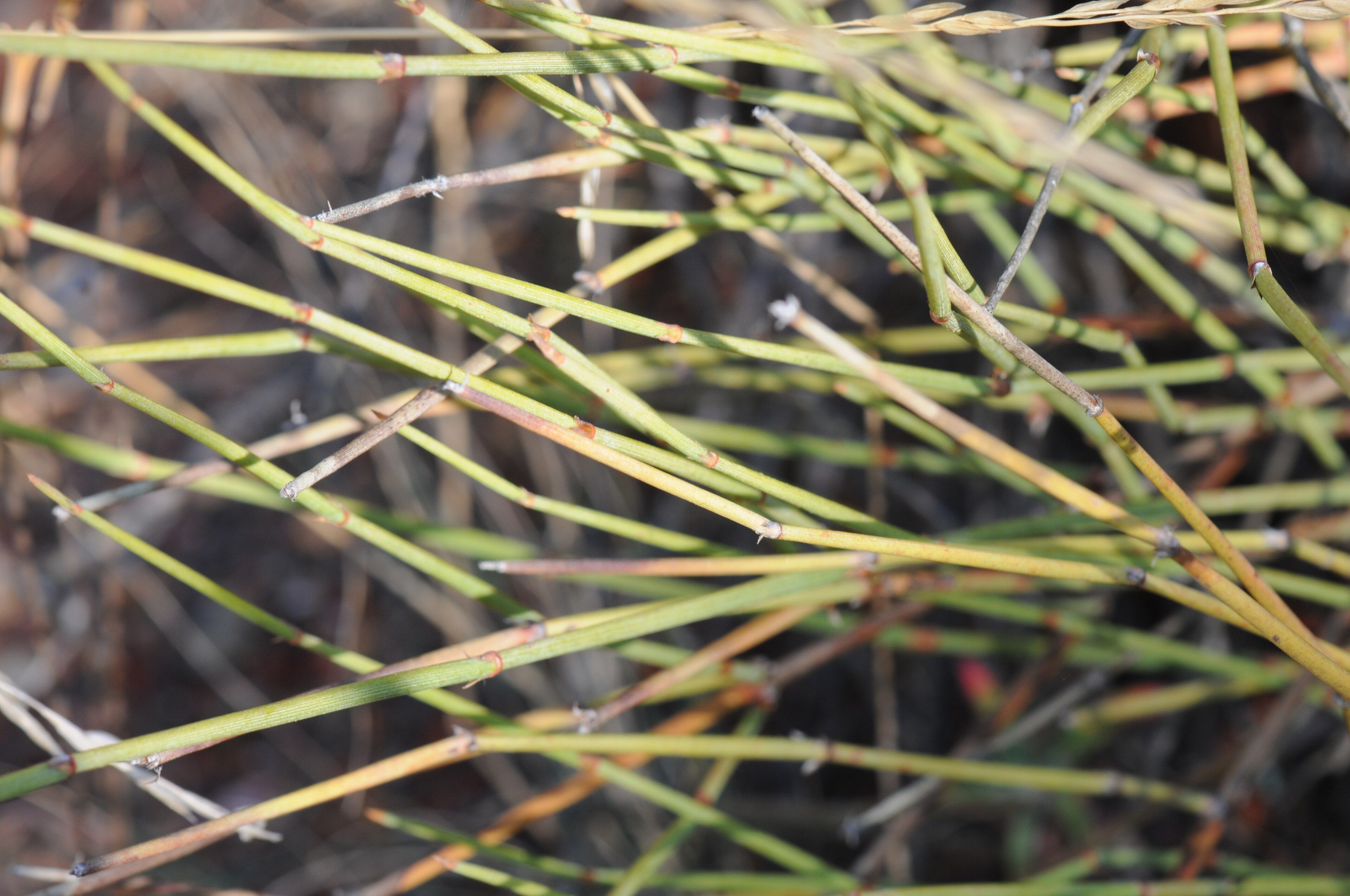
Photo of Longleaf Jointfir (Ephedra trifurca) by Dcoetzee, licensed CC0, via Wikimedia Commons.


I hope these old records help you choose Longleaf Jointfir with clear eyes and a good honest look at your soil.
Frequently asked questions
What traditional uses of Longleaf Jointfir were recorded among the Cocopa?
The Cocopa record describes Longleaf Jointfir stems and leaves used in a poultice applied to sores. E. W. Gifford documented this account in 1933 in *The Cocopa*, page 268. That citation preserves what was recorded among the Cocopa, but it does not establish a modern treatment, preparation, or safety recommendation.
What did Navajo records say about Longleaf Jointfir?
Navajo records documented Longleaf Jointfir in several practices. Elmore recorded dried plants as an infusion for stomach troubles, kidney affections, and venereal disease, and also recorded wood burned for venereal disease. These accounts appear in *Ethnobotany of the Navajo*, published in 1944, page 24, and are historical evidence rather than modern medical guidance.
What did Pima records say about Longleaf Jointfir?
The Pima record states that Longleaf Jointfir moxa was used to burn boils caused by “bad disease.” L. S. M. Curtin documented this account in 1949 in *By the Prophet of the Earth*, page 76. The source records a traditional practice, but it does not provide modern clinical evidence, safety findings, or instructions for use.
Does Longleaf Jointfir have recorded growing or toxicity information?
Longleaf Jointfir is recorded as having a low water requirement and as palatable to humans. The supplied data lists no toxicity status, but that absence does not prove safety for people or animals. The historical records also do not provide a modern dosage, frequency, preparation, or clinical safety assessment.
Who should grow Longleaf Jointfir, and who should skip it?
A homeowner with a hot, dry outdoor bed and well drained soil may consider Longleaf Jointfir, provided the limited safety information is acceptable. A gardener with heavy clay that stays wet, a renter without outdoor growing space, or a household with a cat that chews leaves should skip it or select a better documented plant.
How should gardeners interpret the traditional uses of Longleaf Jointfir today?
Gardeners should interpret the Longleaf Jointfir records as dated ethnobotanical documentation tied to the Cocopa, Navajo, and Pima, not as proof of modern treatment. Gifford, Elmore, and Curtin recorded specific practices for named conditions, but the supplied sources do not establish current effectiveness, dosage, preparation, or safety.
Free, no obligation
Ready to design your dream landscape? Start here.
Tell us where you are and we will start a free profile for you, with plants that actually survive your climate and a real sense of what the build would cost.