
Traditional uses of Beaked Spikerush (Eleocharis rostellata)
Beaked Spikerush (Eleocharis rostellata) is a wetland plant with a high water requirement and a single, well-documented traditional use. Among the Ramah Navajo, it was used ceremonially as an emetic, according to a 1952 ethnobotanical record. No other uses or toxicity have been documented.
September 11, 2026
By Valeria Navarro
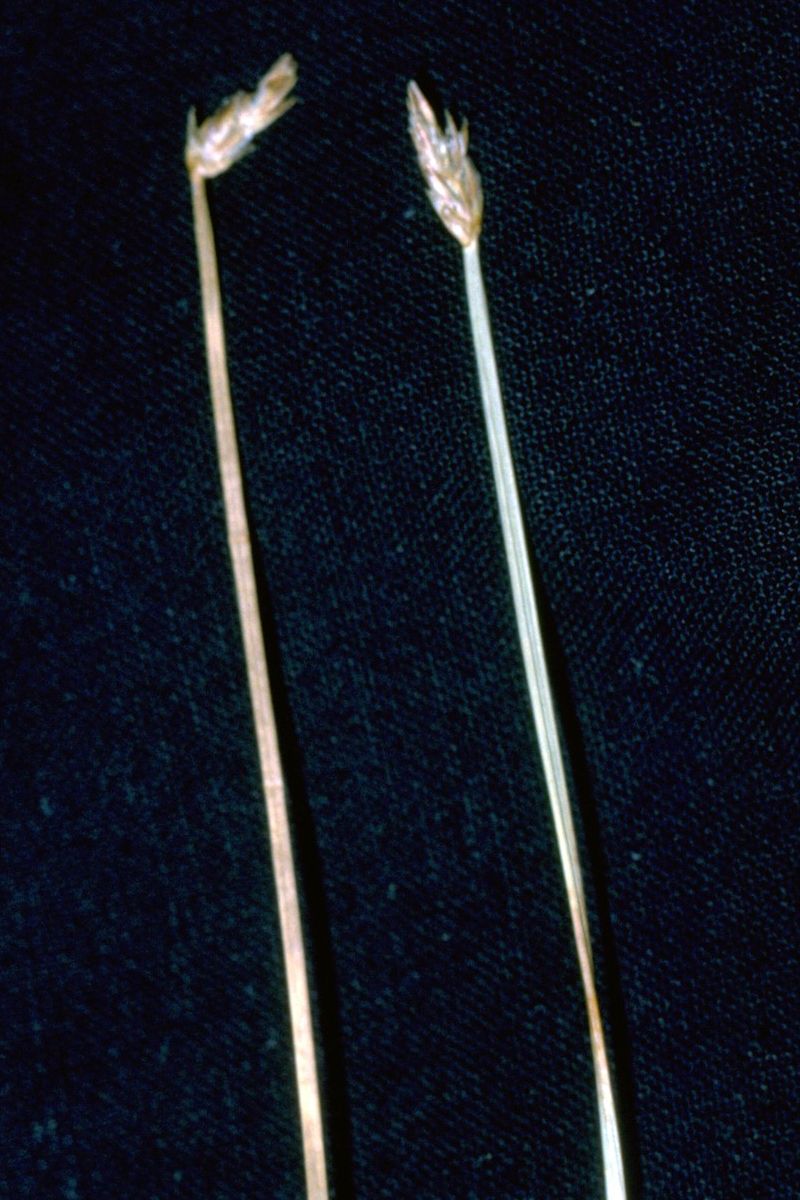
TL;DR: Beaked Spikerush (Eleocharis rostellata) was recorded by Paul A. Vestal in 1952 as being used by the Ramah Navajo as a ceremonial emetic. No other traditional uses or toxicity have been documented, and the plant requires high water, making it best suited for wetland or rain garden settings.
Last updated: September 11, 2026
What traditional uses of Beaked Spikerush have been recorded?
The only well-documented traditional use for Beaked Spikerush comes from the Ramah Navajo, who used it as a ceremonial emetic. This was recorded by Paul A. Vestal in 1952. No other uses or preparations are documented in the available literature.
Who recorded these uses and when?
Ethnobotanist Paul A. Vestal documented the ceremonial use of Beaked Spikerush among the Ramah Navajo in 1952. His work is one of the most cited sources for Navajo plant traditions and remains a cornerstone for researchers looking at Southwestern ethnobotany.

Photo by Britton, N.L., and A. Brown. 1913. An illustrated flora of the northern United States, Canada and the British Possessions. 3 vols. Charles Scribner's Sons, New York. Vol. 1: 319. Courtesy of Kentucky Native Plant Society. Scanned by Omnitek Inc., licensed Public domain, via Wikimedia Commons.

What part of Beaked Spikerush was used traditionally?
The specific part of Beaked Spikerush used in Ramah Navajo ceremonies was not recorded. Vestal's 1952 ethnobotanical survey simply notes the plant as a ceremonial emetic without further detail. This leaves some uncertainty about which part was actually involved in the tradition.
Who should grow Beaked Spikerush and who should skip it?
Gardeners with space for a wetland or rain garden, or those restoring native riparian zones, are the best fit for Beaked Spikerush. It needs consistently high water and will not thrive in typical Central Texas clay that dries out. If your yard bakes in the summer or you garden in containers, skip this one.

Photo by Internet Archive Book Images, licensed Public domain, via Wikimedia Commons.
_(19561184748).jpg)
Is Beaked Spikerush safe or edible for people or pets?
No toxicity has been recorded for Beaked Spikerush, but it has not been documented as palatable or edible for humans. Its only recorded use is ceremonial, not dietary. If you have pets that chew on plants, there are no warnings in the literature, but always watch for individual reactions.
How do the recorded traditions compare?
| Tradition | Part Used | What Was Recorded | Source |
|---|---|---|---|
| Ramah Navajo | Unspecified | Used as a ceremonial emetic | Vestal, Paul A., 1952, The Ethnobotany of the Ramah Navaho, Papers of the Peabody Museum... |
Where can I learn more about plants with traditional uses?
You can explore more plants with documented traditions by visiting the plants library. If you're thinking about adding native wetland species to your landscape, check out get-my-concept for a custom design that fits your space and water conditions.
Frequently Asked Questions
What is the only recorded traditional use of Beaked Spikerush?
The only recorded traditional use of Beaked Spikerush is as a ceremonial emetic among the Ramah Navajo, documented by Paul A. Vestal in 1952. No other uses or preparations are mentioned in the available sources.
Who documented the traditional use of Beaked Spikerush?
Paul A. Vestal, an ethnobotanist, documented the use of Beaked Spikerush by the Ramah Navajo in 1952. His work is a key source for Southwestern plant traditions.
Is Beaked Spikerush toxic or edible?
No toxicity has been recorded for Beaked Spikerush, but it is not documented as edible or palatable for humans. Its only recorded use is ceremonial, not dietary.
What growing conditions does Beaked Spikerush need?
Beaked Spikerush requires consistently high water and is best suited to wetland, rain garden, or riparian restoration settings. It will not thrive in dry or drought-prone soils typical of Central Texas yards.
What part of Beaked Spikerush was used in traditional ceremonies?
The specific part of Beaked Spikerush used in Ramah Navajo ceremonies was not recorded. The available source only notes the plant as a ceremonial emetic, without further detail.
Should I grow Beaked Spikerush in my home garden?
You should only consider growing Beaked Spikerush if you have a wet area or are working on a native wetland restoration. For typical home gardens, especially those with dry or compacted clay, this plant is likely to struggle.
Want this worked out for your own yard?
Dream Landscaper reads the conditions you actually have, then plans around them rather than around a generic zone chart. Start with the city plant guides to see what already thrives near you, and when you want a real layout instead of a list, get your concept and we will take it from there.
Sources
- Vestal, Paul A., 1952, The Ethnobotany of the Ramah Navaho, Papers of the Peabody Museum of American Archaeology and Ethnology 40(4):1-94, page 19
Valeria and Diego are not doctors, and nothing here is medical advice. This article shares traditional and ancestral plant wisdom that was passed down through generations. It may be beneficial when applied with your own discretion, and with medical supervision as needed.
Photo of Beaked Spikerush (Eleocharis rostellata) by Robert H. Mohlenbrock, licensed Public domain, via Wikimedia Commons.


Thanks for exploring the roots of tradition with me today, see you out in the garden.
Frequently asked questions
What is the only recorded traditional use of Beaked Spikerush?
The only recorded traditional use of Beaked Spikerush is as a ceremonial emetic among the Ramah Navajo, documented by Paul A. Vestal in 1952. No other uses or preparations are mentioned in the available sources.
Who documented the traditional use of Beaked Spikerush?
Paul A. Vestal, an ethnobotanist, documented the use of Beaked Spikerush by the Ramah Navajo in 1952. His work is a key source for Southwestern plant traditions.
Is Beaked Spikerush toxic or edible?
No toxicity has been recorded for Beaked Spikerush, but it is not documented as edible or palatable for humans. Its only recorded use is ceremonial, not dietary.
What growing conditions does Beaked Spikerush need?
Beaked Spikerush requires consistently high water and is best suited to wetland, rain garden, or riparian restoration settings. It will not thrive in dry or drought-prone soils typical of Central Texas yards.
What part of Beaked Spikerush was used in traditional ceremonies?
The specific part of Beaked Spikerush used in Ramah Navajo ceremonies was not recorded. The available source only notes the plant as a ceremonial emetic, without further detail.
Should I grow Beaked Spikerush in my home garden?
You should only consider growing Beaked Spikerush if you have a wet area or are working on a native wetland restoration. For typical home gardens, especially those with dry or compacted clay, this plant is likely to struggle.
Free, no obligation
Ready to design your dream landscape? Start here.
Tell us where you are and we will start a free profile for you, with plants that actually survive your climate and a real sense of what the build would cost.