
Traditional uses of Alaska Cedar (Chamaecyparis nootkatensis)
Alaska Cedar, or Chamaecyparis nootkatensis, was recorded in Native American traditions for uses ranging from sweatbaths for arthritis to poultices for sores. This article reports the specific ways it was used, with sources and context, and who might want to grow it today.
August 10, 2026
By Diego Navarro
TL;DR: Native American traditions recorded Alaska Cedar (Chamaecyparis nootkatensis) for sweatbaths addressing arthritis and rheumatism, as well as for poultices and washes for sores and swellings. These uses were documented among the Kwakiutl and Bella Coola peoples, with no toxicity recorded and no evidence it was eaten.
Last updated: August 10, 2026
What traditional uses of Alaska Cedar were recorded among Native American groups?
Alaska Cedar was documented in several Native American traditions for external applications, including sweatbaths for arthritis and rheumatism, poultices for sores, and washes for swellings. These uses were specifically recorded among the Kwakiutl and Bella Coola peoples, with sources dating from the early twentieth century.
How did the Kwakiutl and Bella Coola use Alaska Cedar for health and healing?
Among the Kwakiutl, Alaska Cedar was used in sweatbaths for arthritis and rheumatism, and as a wash or poultice for sores and swellings. The Bella Coola tradition recorded its soft bark as a cover for poultices made from other plants. All these uses were documented in the 1920s and 1970s.

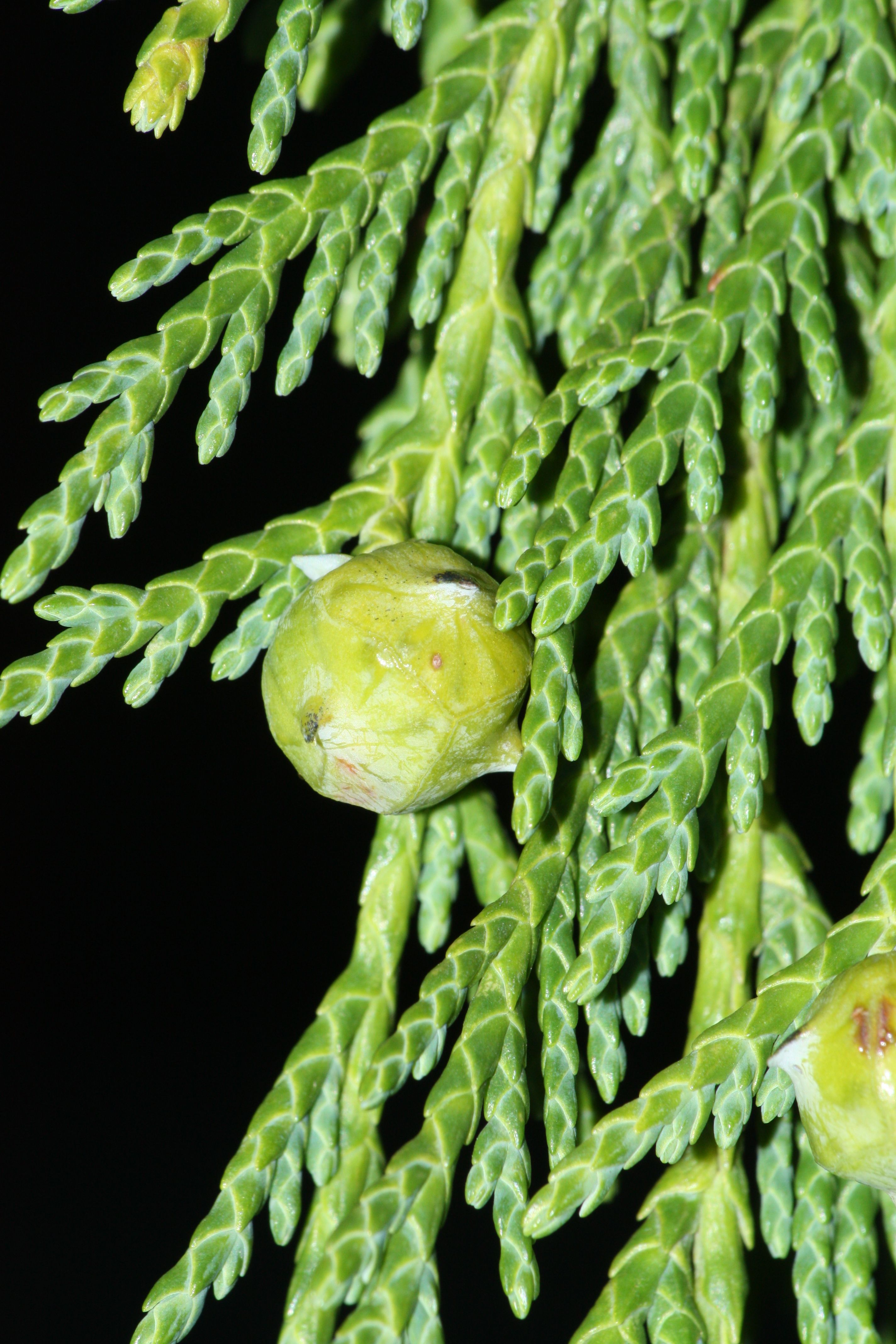
Photo by Walter Siegmund (talk), licensed CC BY-SA 3.0, via Wikimedia Commons.

Which parts of Alaska Cedar were used in these traditions?
Most records did not specify the exact part of the plant, but mention branch tips, leaves, and bark in different uses. For example, branch tips were infused for washes, leaves were chewed for poultices, and bark was used as a cover for poultices. No part was recorded as eaten.
Who should consider growing Alaska Cedar, and who should skip it?
Homeowners with moderate water access and space for a tree that can get tall might consider Alaska Cedar. It is not recorded as toxic, but it is also not palatable to humans. Skip it if you have a small yard, rent an apartment, or need a tree for heavy clay that stays wet, since Alaska Cedar prefers moderate drainage and can struggle in dense, soggy soils.

Photo by Walter Siegmund (talk), licensed CC BY-SA 3.0, via Wikimedia Commons.

What are the trade-offs of growing Alaska Cedar?
Alaska Cedar can be a long-lived and striking tree, but it needs room to grow and steady moisture without sitting in water. It is not a food plant, and it does not offer edible parts. In Central Texas, getting it established means careful watering through the first few summers, especially when the temperature pushes over one hundred.
How do the documented traditions compare?
| Tradition | Part Used | What Was Recorded | Source |
|---|---|---|---|
| Bella Coola | Soft bark | Used as cover for poultices of Trautvetteria grandis & Ranunculus acris | Smith, Harlan I., 1929, Materia Medica of the Bella Coola and Neighboring Tribes, p. 49 |
| Kwakiutl | Unspecified | Plant used in sweatbaths for arthritis and rheumatism | Turner & Bell, 1973, The Ethnobotany of the Southern Kwakiutl Indians, p. 266 |
| Kwakiutl | Branch tips | Infusion used as a wash for sores and swellings | Turner & Bell, 1973, The Ethnobotany of the Southern Kwakiutl Indians, p. 266 |
| Kwakiutl | Leaves | Poultice of chewed leaves applied to sores | Turner & Bell, 1973, The Ethnobotany of the Southern Kwakiutl Indians, p. 266 |
| Kwakiutl | Sharp boughs | Rubbed on sores and swellings until skin was broken | Turner & Bell, 1973, The Ethnobotany of the Southern Kwakiutl Indians, p. 266 |
Where can I learn more about traditional plant uses?
For more on traditional and ancestral plant wisdom, you can check out the full list of plants at /plants or get a custom concept for your own space at /get-my-concept. Every region has its own stories and uses, and the best way to learn is to start with what was recorded and work forward from there.
Frequently Asked Questions
What did Native American traditions record about Alaska Cedar?
Native American traditions, specifically among the Kwakiutl and Bella Coola, recorded Alaska Cedar for external uses such as sweatbaths for arthritis and rheumatism, and as a component in poultices and washes for sores and swellings. These uses were documented in the early to mid-twentieth century.
Was Alaska Cedar ever used as food or medicine internally?
There are no records of Alaska Cedar being used as food or for internal medicine among the traditions cited here. All documented uses were external, such as in sweatbaths or as poultices and washes for skin conditions.
Is Alaska Cedar toxic to humans or animals?
No toxicity has been recorded for Alaska Cedar in the sources reviewed here. It is not noted as palatable to humans, but there is no evidence of it being dangerous to people or animals based on the documented traditions.
What parts of Alaska Cedar were used in traditional remedies?
Documented uses mention the soft bark, branch tips, leaves, and sharp boughs, depending on the specific remedy. For example, bark was used as a cover for poultices, branch tips were infused for washes, and leaves were chewed for poultices.
Who should consider planting Alaska Cedar in their landscape?
Alaska Cedar is best suited for homeowners with moderate water access and enough space for a large tree. It is not a good fit for renters, small spaces, or areas with heavy, poorly drained clay soil, as it needs moderate drainage and room to grow.
How reliable are the records of Alaska Cedar's traditional uses?
The records of Alaska Cedar's traditional uses come from ethnobotanical studies published in 1929 and 1973, documenting practices among the Kwakiutl and Bella Coola. These are considered reliable for what was observed and reported, but do not represent medical advice or modern clinical evidence.
Want this worked out for your own yard?
Dream Landscaper reads the conditions you actually have, then plans around them rather than around a generic zone chart. Start with the city plant guides to see what already thrives near you, and when you want a real layout instead of a list, get your concept and we will take it from there.
Sources
- Smith, Harlan I., 1929, Materia Medica of the Bella Coola and Neighboring Tribes of British Columbia, National Museum of Canada Bulletin 56:47-68, page 49
- Turner, Nancy Chapman and Marcus A. M. Bell, 1973, The Ethnobotany of the Southern Kwakiutl Indians of British Columbia, Economic Botany 27:257-310, page 266
Valeria and Diego are not doctors, and nothing here is medical advice. This article shares traditional and ancestral plant wisdom that was passed down through generations. It may be beneficial when applied with your own discretion, and with medical supervision as needed.
Photo of Alaska Cedar (Chamaecyparis nootkatensis) by Walter Siegmund (talk), licensed CC BY-SA 3.0, via Wikimedia Commons.


Thanks for reading, and if you ever try to dig a hole for an Alaska Cedar in black clay, I hope you bring a rock bar and a lot of patience.
Frequently asked questions
What did Native American traditions record about Alaska Cedar?
Native American traditions, specifically among the Kwakiutl and Bella Coola, recorded Alaska Cedar for external uses such as sweatbaths for arthritis and rheumatism, and as a component in poultices and washes for sores and swellings. These uses were documented in the early to mid-twentieth century.
Was Alaska Cedar ever used as food or medicine internally?
There are no records of Alaska Cedar being used as food or for internal medicine among the traditions cited here. All documented uses were external, such as in sweatbaths or as poultices and washes for skin conditions.
Is Alaska Cedar toxic to humans or animals?
No toxicity has been recorded for Alaska Cedar in the sources reviewed here. It is not noted as palatable to humans, but there is no evidence of it being dangerous to people or animals based on the documented traditions.
What parts of Alaska Cedar were used in traditional remedies?
Documented uses mention the soft bark, branch tips, leaves, and sharp boughs, depending on the specific remedy. For example, bark was used as a cover for poultices, branch tips were infused for washes, and leaves were chewed for poultices.
Who should consider planting Alaska Cedar in their landscape?
Alaska Cedar is best suited for homeowners with moderate water access and enough space for a large tree. It is not a good fit for renters, small spaces, or areas with heavy, poorly drained clay soil, as it needs moderate drainage and room to grow.
How reliable are the records of Alaska Cedar's traditional uses?
The records of Alaska Cedar's traditional uses come from ethnobotanical studies published in 1929 and 1973, documenting practices among the Kwakiutl and Bella Coola. These are considered reliable for what was observed and reported, but do not represent medical advice or modern clinical evidence.
Free, no obligation
Ready to design your dream landscape? Start here.
Tell us where you are and we will start a free profile for you, with plants that actually survive your climate and a real sense of what the build would cost.