
What traditional uses of Blue Cohosh were recorded?
Historical Cherokee and Iroquois records describe Blue Cohosh in connection with rheumatism, toothache, colics and nerves, oak poison, childbirth, womb inflammation, and fits and hysterics. Those records document what specific traditions used the plant for, not proof of present day medical treatment.
September 28, 2026
By Diego Navarro
TL;DR: Historical records document Blue Cohosh among the Cherokee for rheumatism, oak poison, toothache, colics and nerves, fits and hysterics, childbirth, and womb inflammation. An Iroquois record also documents a compound decoction for rheumatism. These are attributed ethnobotanical records, not present day medical advice or proof that Blue Cohosh treats any condition.
Last updated: September 28, 2026
Historical records document Blue Cohosh among the Cherokee for rheumatism, oak poison, toothache, colics and nerves, fits and hysterics, childbirth, and womb inflammation. An Iroquois record also documents a compound decoction for rheumatism, but these sources report traditional practice rather than proving present day medical treatment.
What traditional uses of Blue Cohosh were recorded?
Blue Cohosh has six documented traditional use records in the supplied sources. Cherokee records describe uses involving fits and hysterics, rheumatism, oak poison, colics and nerves, toothache, childbirth, and womb inflammation, while an Iroquois record describes rheumatism. Each claim belongs to its cited historical source, not to modern clinical evidence.
| Tradition | Part used | What was recorded | Source |
|---|---|---|---|
| Cherokee | Unspecified | Syrup or decoction of root given for “fits and hysterics” | Hamel, Paul B. and Mary U. Chiltoskey, 1975, Cherokee Plants and Their Uses -- A 400 Year History, Sylva, N.C. Herald Publishing Co., page 30 |
| Cherokee | Unspecified | Root used for rheumatism | Hamel, Paul B. and Mary U. Chiltoskey, 1975, Cherokee Plants and Their Uses -- A 400 Year History, Sylva, N.C. Herald Publishing Co., page 30 |
| Cherokee | Unspecified | Leaves rubbed on “oak-poison” | Hamel, Paul B. and Mary U. Chiltoskey, 1975, Cherokee Plants and Their Uses -- A 400 Year History, Sylva, N.C. Herald Publishing Co., page 30 |
| Cherokee | Unspecified | Taken for “colics and nerves,” or root ooze held in the mouth for toothache | Hamel, Paul B. and Mary U. Chiltoskey, 1975, Cherokee Plants and Their Uses -- A 400 Year History, Sylva, N.C. Herald Publishing Co., page 30 |
| Cherokee | Unspecified | Plant promoted childbirth and was used for womb inflammation | Hamel, Paul B. and Mary U. Chiltoskey, 1975, Cherokee Plants and Their Uses -- A 400 Year History, Sylva, N.C. Herald Publishing Co., page 30 |
| Iroquois | Unspecified | Compound decoction taken for rheumatism | Herrick, James William, 1977, Iroquois Medical Botany, State University of New York, Albany, PhD Thesis, page 333 |
Which Cherokee uses of Blue Cohosh were recorded?
Hamel and Chiltoskey recorded Blue Cohosh among the Cherokee for several distinct conditions and purposes in 1975. Their account includes the root for rheumatism, leaves rubbed on “oak-poison,” use for “colics and nerves,” root ooze held in the mouth for toothache, and records involving fits and hysterics, childbirth, and womb inflammation.
The same source records a syrup or decoction of the root given for “fits and hysterics,” with the wording preserved because historical language matters here (Hamel, Paul B. and Mary U. Chiltoskey, 1975, Cherokee Plants and Their Uses -- A 400 Year History, Sylva, N.C. Herald Publishing Co., page 30).
Hamel and Chiltoskey also recorded the root used for rheumatism (Hamel, Paul B. and Mary U. Chiltoskey, 1975, Cherokee Plants and Their Uses -- A 400 Year History, Sylva, N.C. Herald Publishing Co., page 30).
Their 1975 account recorded Blue Cohosh leaves rubbed on “oak-poison” (Hamel, Paul B. and Mary U. Chiltoskey, 1975, Cherokee Plants and Their Uses -- A 400 Year History, Sylva, N.C. Herald Publishing Co., page 30).
The Cherokee record also says Blue Cohosh was taken for “colics and nerves,” and that root ooze was held in the mouth for toothache (Hamel, Paul B. and Mary U. Chiltoskey, 1975, Cherokee Plants and Their Uses -- A 400 Year History, Sylva, N.C. Herald Publishing Co., page 30).
Finally, Hamel and Chiltoskey recorded Blue Cohosh as promoting childbirth and being used for womb inflammation (Hamel, Paul B. and Mary U. Chiltoskey, 1975, Cherokee Plants and Their Uses -- A 400 Year History, Sylva, N.C. Herald Publishing Co., page 30).

Photo by USGS Bee Inventory and Monitoring Lab from Beltsville, Maryland, USA, licensed Public domain, via Wikimedia Commons.
.jpg)
What did the Iroquois record say about Blue Cohosh?
James William Herrick documented Blue Cohosh among the Iroquois for rheumatism in his 1977 dissertation, specifically recording a compound decoction. That is a separate source and tradition from the Cherokee account, so the two records should not be blended into one generalized claim about Indigenous plant use.
Herrick’s record identifies the use as a compound decoction taken for rheumatism, with the plant part listed as unspecified in the supplied data (Herrick, James William, 1977, Iroquois Medical Botany, State University of New York, Albany, PhD Thesis, page 333). The source documents the tradition, but it does not establish present day effectiveness.
Is Blue Cohosh suitable for a moderate water garden?
Blue Cohosh has a recorded moderate water requirement and was recorded as palatable to humans. The practical trade-off is straightforward: a bed that dries hard in an August week will not match that water record, while a site that stays wet through a freeze may create its own problems. The supplied data records no toxicity status.
That water detail is the useful garden fact here. In Central Texas, black clay can stay wet after a storm and then split open when the heat arrives, so I would not tuck Blue Cohosh into a bed that swings between swamp and skillet. Check the soil on site before you buy the plant. The shovel usually tells the truth.
You can compare Blue Cohosh with other plant records in the plants section, or use get my concept to think through a planting plan around your actual soil and water setup.

Photo by H. Zell, licensed CC BY-SA 3.0, via Wikimedia Commons.

Who should grow Blue Cohosh, and who should skip it?
Blue Cohosh suits a gardener who can provide moderate water and wants a plant connected to documented Cherokee and Iroquois ethnobotany. A renter with a reliable container watering routine may consider it, while a dry garden, a neglected irrigation zone, or a bed that stays saturated through winter is a poor match. Conditions decide this one.
A Central Texas homeowner should skip Blue Cohosh for an exposed caliche strip that dries quickly unless the site can be managed for its recorded water requirement. Heavy black clay is not automatically disqualifying, but drainage must be observed rather than assumed. I have moved enough plants out of bad holes to respect that distinction.
What should gardeners understand about Blue Cohosh records?
Blue Cohosh records describe historical uses, not a modern treatment guide. The Cherokee material was published by Hamel and Chiltoskey in 1975, and the Iroquois material was documented by Herrick in 1977; the supplied data gives no toxicity status, so no warning should be invented beyond stating that limitation.
The sources also list the plant part as unspecified for every supplied use, except where the record itself names root or leaves. That means the documented wording should stay narrow. It does not give permission to add preparation directions, dosing, or present day health claims.
Frequently Asked Questions
What traditional uses of Blue Cohosh were recorded?
The supplied records describe Blue Cohosh among the Cherokee for fits and hysterics, rheumatism, oak poison, colics and nerves, toothache, childbirth, and womb inflammation. An Iroquois record documents a compound decoction for rheumatism. These statements come from Hamel and Chiltoskey in 1975 and Herrick in 1977, and they report historical traditions rather than present day medical treatment.
Which Cherokee uses of Blue Cohosh were recorded?
Hamel and Chiltoskey recorded Blue Cohosh among the Cherokee for fits and hysterics, rheumatism, oak poison, colics and nerves, toothache, childbirth, and womb inflammation. Their 1975 source specifies root, leaves, or plant use in some entries, while the supplied data marks the overall plant part field as unspecified. The account is historical documentation.
What did the Iroquois record say about Blue Cohosh?
Herrick recorded Blue Cohosh among the Iroquois for rheumatism in Iroquois Medical Botany, a 1977 PhD thesis. The supplied entry describes a compound decoction and lists the plant part as unspecified. This is a distinct Iroquois record, separate from the Cherokee material, and it documents a traditional use without proving present day effectiveness.
Is Blue Cohosh suitable for a moderate water garden?
Blue Cohosh has a recorded moderate water requirement, so it suits a garden where moisture can be maintained rather than a bed that dries hard between rains. The supplied data also records the plant as palatable to humans and gives no toxicity status. In Central Texas, inspect drainage carefully before planting it in black clay or caliche soil.
Who should grow Blue Cohosh, and who should skip it?
A gardener with reliable moderate water can consider Blue Cohosh, especially when the goal is an ethnobotanical planting with documented Cherokee and Iroquois records. Skip it for a dry, neglected irrigation zone or a site that stays saturated through winter. A container gardener may manage it, but only if regular watering is realistic and the container does not remain waterlogged.
What should gardeners understand about Blue Cohosh records?
Gardeners should understand that Blue Cohosh records describe historical uses, not a modern treatment guide. Hamel and Chiltoskey published the Cherokee material in 1975, while Herrick documented the Iroquois material in 1977. The supplied data gives no toxicity status, and it does not support adding preparation directions, dosing, or current health claims.
Want this worked out for your own yard?
Dream Landscaper reads the conditions you actually have, then plans around them rather than around a generic zone chart. Start with the city plant guides to see what already thrives near you, and when you want a real layout instead of a list, get your concept and we will take it from there.
Sources
- Hamel, Paul B. and Mary U. Chiltoskey, 1975, Cherokee Plants and Their Uses -- A 400 Year History, Sylva, N.C. Herald Publishing Co., page 30
- Herrick, James William, 1977, Iroquois Medical Botany, State University of New York, Albany, PhD Thesis, page 333
Valeria and Diego are not doctors, and nothing here is medical advice. This article shares traditional and ancestral plant wisdom that was passed down through generations. It may be beneficial when applied with your own discretion, and with medical supervision as needed.
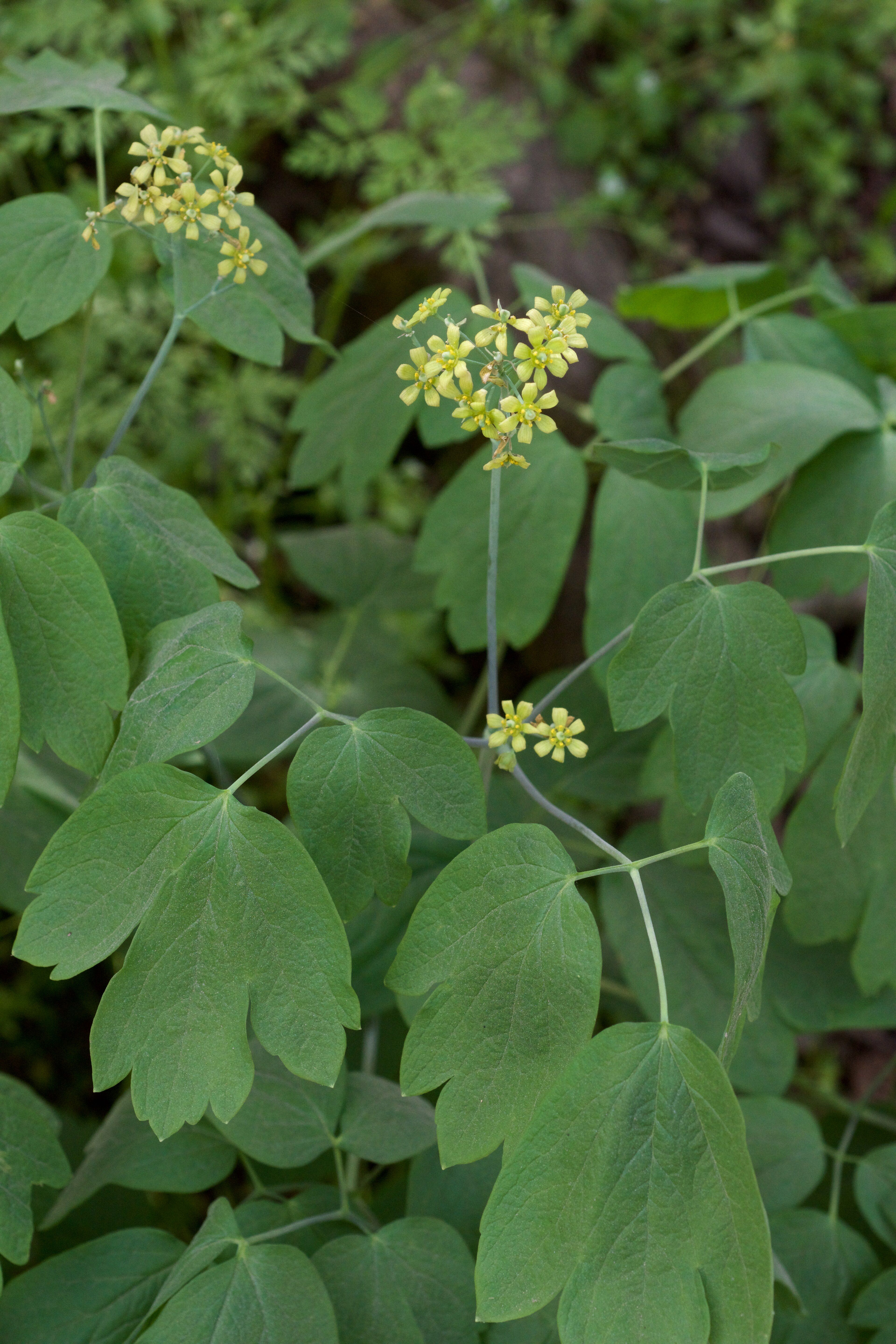
Photo of Blue Cohosh (Caulophyllum thalictroides) by Eric Hunt, licensed CC BY-SA 4.0, via Wikimedia Commons.


I hope these old records help you choose Blue Cohosh with clear eyes and a garden bed that can actually keep up.
Frequently asked questions
What traditional uses of Blue Cohosh were recorded?
The supplied records describe Blue Cohosh among the Cherokee for fits and hysterics, rheumatism, oak poison, colics and nerves, toothache, childbirth, and womb inflammation. An Iroquois record documents a compound decoction for rheumatism. These statements come from Hamel and Chiltoskey in 1975 and Herrick in 1977, and they report historical traditions rather than present day medical treatment.
Which Cherokee uses of Blue Cohosh were recorded?
Hamel and Chiltoskey recorded Blue Cohosh among the Cherokee for fits and hysterics, rheumatism, oak poison, colics and nerves, toothache, childbirth, and womb inflammation. Their 1975 source specifies root, leaves, or plant use in some entries, while the supplied data marks the overall plant part field as unspecified. The account is historical documentation.
What did the Iroquois record say about Blue Cohosh?
Herrick recorded Blue Cohosh among the Iroquois for rheumatism in Iroquois Medical Botany, a 1977 PhD thesis. The supplied entry describes a compound decoction and lists the plant part as unspecified. This is a distinct Iroquois record, separate from the Cherokee material, and it documents a traditional use without proving present day effectiveness.
Is Blue Cohosh suitable for a moderate water garden?
Blue Cohosh has a recorded moderate water requirement, so it suits a garden where moisture can be maintained rather than a bed that dries hard between rains. The supplied data also records the plant as palatable to humans and gives no toxicity status. In Central Texas, inspect drainage carefully before planting it in black clay or caliche soil.
Who should grow Blue Cohosh, and who should skip it?
A gardener with reliable moderate water can consider Blue Cohosh, especially when the goal is an ethnobotanical planting with documented Cherokee and Iroquois records. Skip it for a dry, neglected irrigation zone or a site that stays saturated through winter. A container gardener may manage it, but only if regular watering is realistic and the container does not remain waterlogged.
What should gardeners understand about Blue Cohosh records?
Gardeners should understand that Blue Cohosh records describe historical uses, not a modern treatment guide. Hamel and Chiltoskey published the Cherokee material in 1975, while Herrick documented the Iroquois material in 1977. The supplied data gives no toxicity status, and it does not support adding preparation directions, dosing, or current health claims.
Free, no obligation
Ready to design your dream landscape? Start here.
Tell us where you are and we will start a free profile for you, with plants that actually survive your climate and a real sense of what the build would cost.