
Traditional Uses of Allegheny Chinkapin (Castanea pumila)
The Allegheny Chinkapin, a low-water tree from the Fagaceae family, was traditionally used by Southeastern Native American tribes for headaches, fevers, chills, and stomach troubles. These uses were recorded among the Cherokee and Koasati, with specifics documented in twentieth-century ethnobotanical sources.
August 14, 2026
By Valeria Navarro
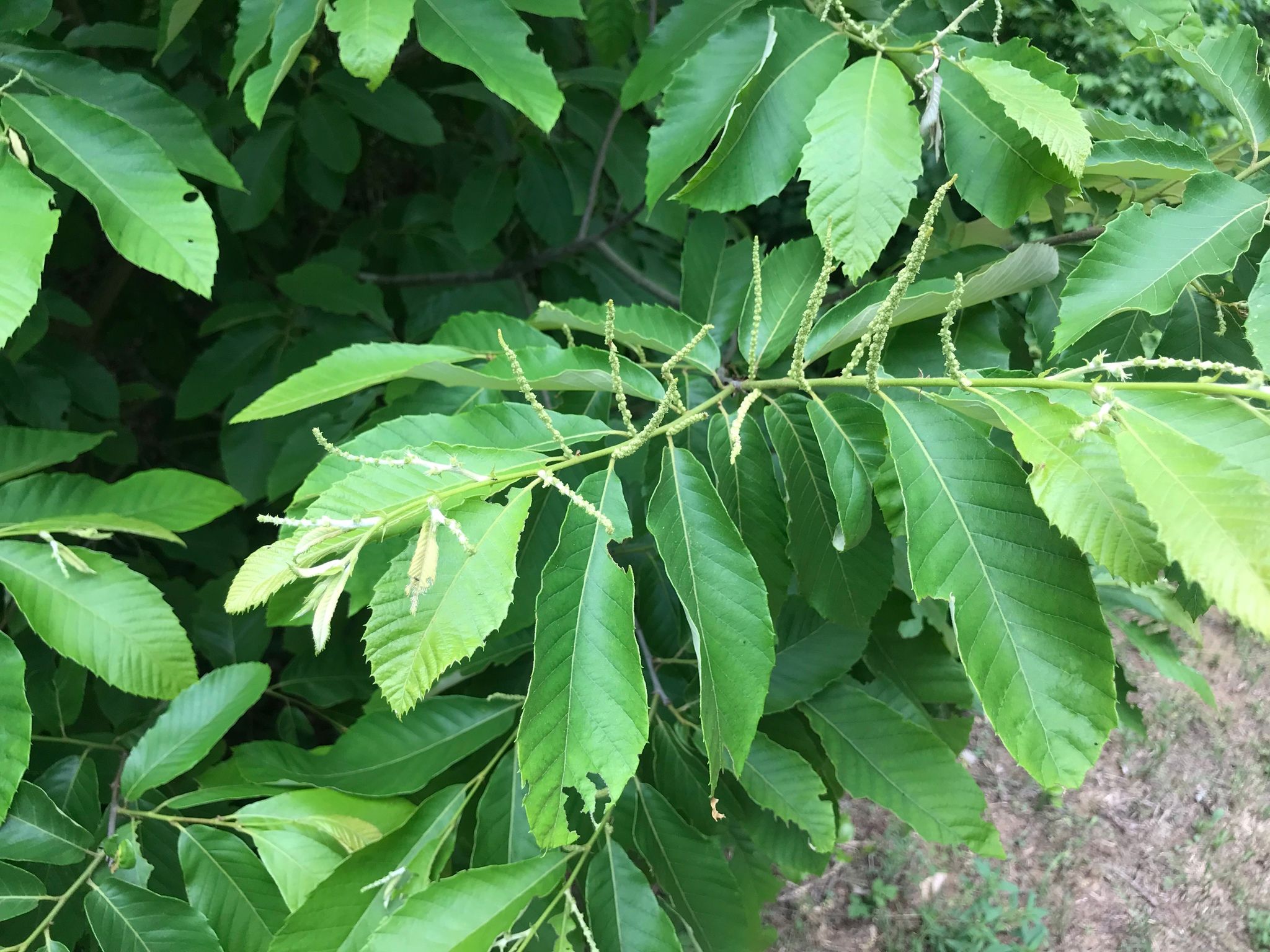
TL;DR: The Allegheny Chinkapin (Castanea pumila) was traditionally used by Cherokee and Koasati peoples for headaches, fever blisters, chills, cold sweats, and stomach troubles, as documented in twentieth-century ethnobotanical records. These uses focused on both the leaves and roots, with no toxicity recorded and a low water requirement for the plant.
Last updated: August 14, 2026
What traditional medicinal uses of Allegheny Chinkapin were recorded among Native Americans?
The Cherokee used Allegheny Chinkapin leaves for headaches, fever blisters, chills, and cold sweats, while the Koasati used a root decoction for stomach troubles. These uses were documented in the twentieth century by Hamel and Chiltoskey (1975) and Taylor (1940).
How did the Cherokee use Allegheny Chinkapin for health?
Cherokee tradition recorded heating brittle leaves and blowing them on patients for headaches, using the plant for fever blisters, and making an infusion of dried leaves as a wash for fevers, chills, and cold sweats (Hamel & Chiltoskey, 1975; Taylor, 1940). These practices were passed down and documented in the Southern Appalachians.

Photo by Summit Metro Parks, licensed CC BY 4.0, via Wikimedia Commons.

What did the Koasati record about Allegheny Chinkapin?
The Koasati used a decoction of Allegheny Chinkapin roots for stomach troubles, as documented by Taylor in 1940. This was a specific medicinal use recorded among Southeastern tribes, showing the plant’s importance beyond just the Cherokee region.
What parts of Allegheny Chinkapin were used in these traditions?
Both leaves and roots of Allegheny Chinkapin were used in traditional remedies. Cherokee records focused on the leaves for external and topical uses, while the Koasati used the roots internally for stomach issues (Hamel & Chiltoskey, 1975; Taylor, 1940).

Photo by Jean.claude, licensed CC BY-SA 4.0, via Wikimedia Commons.
.jpg)
Who should grow Allegheny Chinkapin, and who should skip it?
Allegheny Chinkapin is a fit for gardeners who want a low-water, edible native with a history of traditional uses. It works for folks with space for a small tree or large shrub and those who want wildlife value. Skip it if you have soggy clay that stays wet after a freeze, or if you need a plant that shrugs off deer.
How do the documented traditional uses of Allegheny Chinkapin compare?
| Tradition | Part Used | What Was Recorded | Source |
|---|---|---|---|
| Cherokee | Leaves | Heated and blown on patient for headaches | Hamel & Chiltoskey, 1975 |
| Cherokee | Leaves | Used for fever blisters | Hamel & Chiltoskey, 1975 |
| Cherokee | Leaves | Infusion of dried leaves as wash for fevers, chills, cold sweats | Taylor, 1940 |
| Cherokee | Leaves | Used for chills and cold sweats | Hamel & Chiltoskey, 1975 |
| Koasati | Roots | Decoction taken for stomach troubles | Taylor, 1940 |
What sources recorded these traditional uses of Allegheny Chinkapin?
The main sources are Hamel and Chiltoskey’s 1975 work "Cherokee Plants and Their Uses -- A 400 Year History" and Taylor’s 1940 "Plants Used As Curatives by Certain Southeastern Tribes." Both are foundational texts in ethnobotany for the Southeastern United States.
Frequently Asked Questions
What traditional medicinal uses did the Cherokee record for Allegheny Chinkapin?
The Cherokee recorded using Allegheny Chinkapin leaves for headaches, fever blisters, chills, and cold sweats. These uses were documented by Hamel and Chiltoskey in 1975 and Taylor in 1940, showing a range of external and topical applications in traditional Cherokee medicine.
How did the Koasati use Allegheny Chinkapin?
The Koasati used a decoction of Allegheny Chinkapin roots for stomach troubles, as recorded by Taylor in 1940. This highlights a different part of the plant and a different set of traditional uses compared to the Cherokee records.
Is Allegheny Chinkapin considered toxic or safe for humans?
No toxicity has been recorded for Allegheny Chinkapin in the ethnobotanical sources cited. It is also noted as palatable to humans, making it a safe choice for those interested in traditional edible and medicinal plants.
What are the water requirements for growing Allegheny Chinkapin?
Allegheny Chinkapin has a low water requirement, making it suitable for gardeners in regions with dry summers or water restrictions. This trait is especially valuable in Central Texas, where drought and water limits are common challenges.
Which parts of Allegheny Chinkapin were used in traditional remedies?
Traditional uses focused on both the leaves and roots. The Cherokee mainly used the leaves for headaches, fevers, and chills, while the Koasati used the roots for stomach troubles, as documented in twentieth-century ethnobotanical texts.
Who should consider growing Allegheny Chinkapin?
Gardeners looking for a low-water, native shrub with edible nuts and a history of traditional uses should consider Allegheny Chinkapin. It is best for those with space for a small tree or large shrub and who do not have heavy, wet clay or high deer pressure.
Want this worked out for your own yard?
Dream Landscaper reads the conditions you actually have, then plans around them rather than around a generic zone chart. Start with the city plant guides to see what already thrives near you, and when you want a real layout instead of a list, get your concept and we will take it from there.
Sources
- Hamel, Paul B. and Mary U. Chiltoskey, 1975, Cherokee Plants and Their Uses -- A 400 Year History, Sylva, N.C. Herald Publishing Co., page 29
- Taylor, Linda Averill, 1940, Plants Used As Curatives by Certain Southeastern Tribes, Cambridge, MA. Botanical Museum of Harvard University, page 16
Valeria and Diego are not doctors, and nothing here is medical advice. This article shares traditional and ancestral plant wisdom that was passed down through generations. It may be beneficial when applied with your own discretion, and with medical supervision as needed.
Photo of Allegheny Chinkapin (Castanea pumila) by Michael Ellis, licensed CC BY 4.0, via Wikimedia Commons.


If you’re looking for a native shrub with real history and low water needs, Allegheny Chinkapin might just earn a spot in your yard.
Frequently asked questions
What traditional medicinal uses did the Cherokee record for Allegheny Chinkapin?
The Cherokee recorded using Allegheny Chinkapin leaves for headaches, fever blisters, chills, and cold sweats. These uses were documented by Hamel and Chiltoskey in 1975 and Taylor in 1940, showing a range of external and topical applications in traditional Cherokee medicine.
How did the Koasati use Allegheny Chinkapin?
The Koasati used a decoction of Allegheny Chinkapin roots for stomach troubles, as recorded by Taylor in 1940. This highlights a different part of the plant and a different set of traditional uses compared to the Cherokee records.
Is Allegheny Chinkapin considered toxic or safe for humans?
No toxicity has been recorded for Allegheny Chinkapin in the ethnobotanical sources cited. It is also noted as palatable to humans, making it a safe choice for those interested in traditional edible and medicinal plants.
What are the water requirements for growing Allegheny Chinkapin?
Allegheny Chinkapin has a low water requirement, making it suitable for gardeners in regions with dry summers or water restrictions. This trait is especially valuable in Central Texas, where drought and water limits are common challenges.
Which parts of Allegheny Chinkapin were used in traditional remedies?
Traditional uses focused on both the leaves and roots. The Cherokee mainly used the leaves for headaches, fevers, and chills, while the Koasati used the roots for stomach troubles, as documented in twentieth-century ethnobotanical texts.
Who should consider growing Allegheny Chinkapin?
Gardeners looking for a low-water, native shrub with edible nuts and a history of traditional uses should consider Allegheny Chinkapin. It is best for those with space for a small tree or large shrub and who do not have heavy, wet clay or high deer pressure.
Free, no obligation
Ready to design your dream landscape? Start here.
Tell us where you are and we will start a free profile for you, with plants that actually survive your climate and a real sense of what the build would cost.