
What Traditional Uses Were Recorded for Gray Birch (Betula populifolia)?
Historical records associate Gray Birch with specific bark uses among the Iroquois, Malecite, and Micmac. Here is what those sources actually document, along with the plant’s recorded low water requirement and the limits of the surviving record.
September 22, 2026
By Diego Navarro
TL;DR: Gray Birch was historically recorded among the Iroquois for bleeding piles, among the Malecite for swelling in infected cuts, and among the Micmac for infected cuts and as an emetic. These uses appear in documented ethnobotanical sources, but they are historical records rather than present-day medical guidance, and Gray Birch is not recorded here as palatable to humans.
Last updated: September 22, 2026
What traditional uses of Gray Birch were recorded?
Gray Birch was historically recorded among the Iroquois for a bark decoction taken for bleeding piles, among the Malecite for inner bark scrapings used for swelling in infected cuts, and among the Micmac for inner bark used for infected cuts and as an emetic, according to the cited records. These are documented historical uses, not present-day medical claims.
Which Indigenous nations recorded Gray Birch uses?
The Iroquois, Malecite, and Micmac each appear in the supplied record for different Gray Birch bark uses. Herrick documented the Iroquois account in Iroquois Medical Botany, while Mechling documented the Malecite account and Chandler, Freeman, and Hooper documented the Micmac accounts in their named historical sources. The records are specific, but they do not establish modern effectiveness.
| Tradition | Part used | What was recorded | Source |
|---|---|---|---|
| Iroquois | Unspecified | Decoction of bark taken for bleeding piles | Herrick, Iroquois Medical Botany, 1977, page 300 |
| Malecite | Inner bark | Used for swelling in infected cuts | Mechling, The Malecite Indians With Notes on the Micmacs, 1959, page 245 |
| Micmac | Inner bark | Used for infected cuts | Chandler, Freeman and Hooper, Herbal Remedies of the Maritime Indians, 1979, page 55 |
| Micmac | Inner bark | Used as an emetic | Chandler, Freeman and Hooper, Herbal Remedies of the Maritime Indians, 1979, page 55 |
What did the Iroquois record Gray Birch for?
James William Herrick recorded that the Iroquois used a bark decoction of Gray Birch for bleeding piles in Iroquois Medical Botany. That account is documented in the historical source, rather than presented as a verified treatment today. The supplied record does not identify a precise preparation method, amount, schedule, or modern clinical evidence.
What did Malecite and Micmac records say about Gray Birch?
The Malecite record describes Gray Birch inner bark scrapings used for swelling in infected cuts, as documented by W. H. Mechling in The Malecite Indians With Notes on the Micmacs. The Micmac record describes inner bark used for infected cuts and separately as an emetic, documented by Chandler, Freeman, and Hooper in Herbal Remedies of the Maritime Indians. All three are historical uses.
Who should grow Gray Birch and who should skip it?
Gray Birch may suit a homeowner looking for a low-water tree recorded as requiring little water, especially where the planting goal is ornamental rather than edible. Skip it if your plan depends on recorded human palatability, because that is not documented here. Review other options in the plant guide, or sketch a broader yard idea through Get My Concept. Every tree still has a trade-off.
Is Gray Birch palatable or toxic according to the record?
The supplied record does not describe Gray Birch as palatable to humans, and it records no toxicity status for the plant. That means the evidence provided here cannot support calling Gray Birch edible or poisonous. The historical bark uses belong to named traditions and sources, so they should not be turned into an uncited safety or health claim.
Frequently Asked Questions
What traditional uses of Gray Birch were recorded?
Gray Birch was historically recorded among the Iroquois for a bark decoction taken for bleeding piles, among the Malecite for inner bark scrapings used for swelling in infected cuts, and among the Micmac for inner bark used for infected cuts and as an emetic, according to the cited records. These are documented historical uses, not present-day medical claims.
Which Indigenous nations recorded Gray Birch uses?
The Iroquois, Malecite, and Micmac each appear in the supplied record for different Gray Birch bark uses. Herrick documented the Iroquois account in Iroquois Medical Botany, while Mechling documented the Malecite account and Chandler, Freeman, and Hooper documented the Micmac accounts in their named historical sources. The records are specific, but they do not establish modern effectiveness.
What did the Iroquois record Gray Birch for?
James William Herrick recorded that the Iroquois used a bark decoction of Gray Birch for bleeding piles in Iroquois Medical Botany. That account is documented in the historical source, rather than presented as a verified treatment today. The supplied record does not identify a precise preparation method, amount, schedule, or modern clinical evidence.
What did Malecite and Micmac records say about Gray Birch?
The Malecite record describes Gray Birch inner bark scrapings used for swelling in infected cuts, as documented by W. H. Mechling in The Malecite Indians With Notes on the Micmacs. The Micmac record describes inner bark used for infected cuts and separately as an emetic, documented by Chandler, Freeman, and Hooper in Herbal Remedies of the Maritime Indians. All three are historical uses.
Who should grow Gray Birch and who should skip it?
Gray Birch may suit a homeowner looking for a low-water tree recorded as requiring little water, especially where the planting goal is ornamental rather than edible. Skip it if your plan depends on recorded human palatability, because that is not documented here. Review other options in the plant guide, or sketch a broader yard idea through Get My Concept. Every tree still has a trade-off.
Is Gray Birch palatable or toxic according to the record?
The supplied record does not describe Gray Birch as palatable to humans, and it records no toxicity status for the plant. That means the evidence provided here cannot support calling Gray Birch edible or poisonous. The historical bark uses belong to named traditions and sources, so they should not be turned into an uncited safety or health claim.
Want this worked out for your own yard?
Dream Landscaper reads the conditions you actually have, then plans around them rather than around a generic zone chart. Start with the city plant guides to see what already thrives near you, and when you want a real layout instead of a list, get your concept and we will take it from there.
Sources
- Herrick, James William, 1977, Iroquois Medical Botany, State University of New York, Albany, PhD Thesis, page 300
- Mechling, W.H., 1959, The Malecite Indians With Notes on the Micmacs, Anthropologica 8:239-263, page 245
- Chandler, R. Frank, Lois Freeman and Shirley N. Hooper, 1979, Herbal Remedies of the Maritime Indians, Journal of Ethnopharmacology 1:49-68, page 55
Valeria and Diego are not doctors, and nothing here is medical advice. This article shares traditional and ancestral plant wisdom that was passed down through generations. It may be beneficial when applied with your own discretion, and with medical supervision as needed.
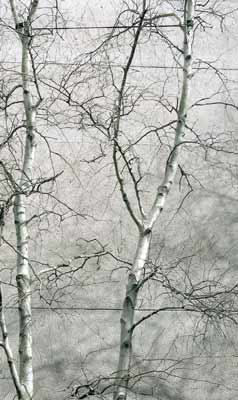
Photo of Gray Birch (Betula populifolia) by © Sue Sweeney, licensed CC BY-SA 3.0, via Wikimedia Commons.


I hope this gives you a clean record to work from before you put Gray Birch in the ground or build a story around it.
Frequently asked questions
What traditional uses of Gray Birch were recorded?
Gray Birch was historically recorded among the Iroquois for a bark decoction taken for bleeding piles, among the Malecite for inner bark scrapings used for swelling in infected cuts, and among the Micmac for inner bark used for infected cuts and as an emetic, according to the cited records. These are documented historical uses, not present-day medical claims.
Which Indigenous nations recorded Gray Birch uses?
The Iroquois, Malecite, and Micmac each appear in the supplied record for different Gray Birch bark uses. Herrick documented the Iroquois account in Iroquois Medical Botany, while Mechling documented the Malecite account and Chandler, Freeman, and Hooper documented the Micmac accounts in their named historical sources. The records are specific, but they do not establish modern effectiveness.
What did the Iroquois record Gray Birch for?
James William Herrick recorded that the Iroquois used a bark decoction of Gray Birch for bleeding piles in Iroquois Medical Botany. That account is documented in the historical source, rather than presented as a verified treatment today. The supplied record does not identify a precise preparation method, amount, schedule, or modern clinical evidence.
What did Malecite and Micmac records say about Gray Birch?
The Malecite record describes Gray Birch inner bark scrapings used for swelling in infected cuts, as documented by W. H. Mechling in The Malecite Indians With Notes on the Micmacs. The Micmac record describes inner bark used for infected cuts and separately as an emetic, documented by Chandler, Freeman, and Hooper in Herbal Remedies of the Maritime Indians. All three are historical uses.
Who should grow Gray Birch and who should skip it?
Gray Birch may suit a homeowner looking for a low-water tree recorded as requiring little water, especially where the planting goal is ornamental rather than edible. Skip it if your plan depends on recorded human palatability, because that is not documented here. Review other options in the plant guide, or sketch a broader yard idea through Get My Concept. Every tree still has a trade-off.
Is Gray Birch palatable or toxic according to the record?
The supplied record does not describe Gray Birch as palatable to humans, and it records no toxicity status for the plant. That means the evidence provided here cannot support calling Gray Birch edible or poisonous. The historical bark uses belong to named traditions and sources, so they should not be turned into an uncited safety or health claim.
Free, no obligation
Ready to design your dream landscape? Start here.
Tell us where you are and we will start a free profile for you, with plants that actually survive your climate and a real sense of what the build would cost.