
Traditional Uses of Yellow Birch (Betula alleghaniensis): What Was Recorded?
Yellow Birch was used in several Native American traditions, mainly as a bark decoction for internal remedies. These uses were recorded among the Ojibwa, Delaware, and Iroquois, with each group attributing different medicinal purposes to the tree.
September 12, 2026
By Diego Navarro
TL;DR: Yellow Birch (Betula alleghaniensis) was traditionally used by Native American groups, including the Ojibwa, Delaware, and Iroquois, for internal remedies such as diuretic, cathartic, emetic, and blood-purifying purposes. These uses were documented in the late nineteenth and twentieth centuries and reflect specific cultural practices, not modern medical advice.
Last updated: September 12, 2026
What traditional uses of Yellow Birch were recorded among Native American groups?
Yellow Birch was recorded as a medicinal plant by several Native American groups. The Ojibwa of the South used a compound decoction of the inner bark as a diuretic (Hoffman, 1891). The Delaware in Oklahoma used bark decoctions as cathartic, emetic, and to remove bile from the intestines (Tantaquidgeon, 1942). The Iroquois used a complex compound involving Yellow Birch as a blood purifier (Herrick, 1977).
How did the recorded uses of Yellow Birch differ between the Ojibwa, Delaware, and Iroquois?
The Ojibwa focused on diuretic uses, the Delaware on gastrointestinal remedies, and the Iroquois on blood purification. Each group had its own approach, and the part used was generally the bark or inner bark, but specifics were not always recorded.
| Tradition | Part Used | What Was Recorded | Source |
|---|---|---|---|
| Ojibwa, South | Inner bark | Compound decoction taken as a diuretic | Hoffman, 1891 |
| Delaware, OK | Bark | Decoction taken as a cathartic | Tantaquidgeon, 1942 |
| Delaware, OK | Bark | Decoction taken as an emetic | Tantaquidgeon, 1942 |
| Delaware, OK | Bark | Decoction taken to remove bile from intestines | Tantaquidgeon, 1942 |
| Iroquois | Unspecified | Complex compound used as a blood purifier | Herrick, 1977 |

Photo by Nichole Ouellette/ouellette001.com, licensed CC BY 4.0, via Wikimedia Commons.

Who should consider growing Yellow Birch, and who should skip it?
Yellow Birch needs moderate water and is palatable to humans, so it fits best for gardeners with a steady water supply and space for a tree. If you are working with shallow caliche or heavy black clay that stays wet, skip it, roots will struggle or rot. Renters or anyone with only a balcony should look for a smaller plant.
What are the trade-offs or limitations of using Yellow Birch?
Yellow Birch is not toxic and is palatable, but it is a tree that needs room and consistent moisture. In Central Texas, the heat and shallow soils make it a risky choice. It is not a fit for drought-prone or rocky sites, and it will not thrive in compacted or poorly drained clay.

Photo by homeredwardprice, licensed CC BY 2.0, via Wikimedia Commons.
_001.jpg)
How reliable are the recorded uses of Yellow Birch?
All uses listed here are documented in ethnobotanical sources, but they reflect specific traditions and are not supported by modern clinical trials. The Delaware, Ojibwa, and Iroquois records are clear about their uses, but details about preparation and dosage are not provided. Some claims, especially blood purification, are traditional beliefs rather than scientific findings.
Where can I learn more about other traditional plant uses?
If you want to explore more plants with recorded traditional uses, check out the plants page. For help planning your own landscape with the right plants for your soil and water, visit get my concept.
Frequently Asked Questions
What traditional medicinal uses of Yellow Birch were recorded among Native Americans?
Yellow Birch was used by Native American groups for internal remedies, including as a diuretic by the Ojibwa, as a cathartic and emetic by the Delaware, and as a blood purifier by the Iroquois. These uses were documented in ethnobotanical sources from the late nineteenth and twentieth centuries.
Is Yellow Birch toxic to humans or animals?
No toxicity has been recorded for Yellow Birch. It is considered palatable to humans and there are no traditional warnings about toxicity in the documented sources.
What growing conditions does Yellow Birch require?
Yellow Birch was recorded as needing moderate water and is best suited for gardeners with a reliable water source and space for a tree. It does not tolerate drought, shallow rocky soils, or heavy clay that stays wet.
Who should grow Yellow Birch and who should avoid it?
Gardeners with steady water and room for a tree can consider Yellow Birch. Those with shallow caliche, heavy clay, or only a balcony should skip it, as it will not thrive in those conditions.
How reliable are the traditional uses of Yellow Birch?
The uses are well documented in ethnobotanical records but reflect traditional beliefs and practices, not modern clinical evidence. Preparation and dosage details are not included in the sources.
Where can I find more information about traditional plant uses?
You can explore more about traditional plant uses on the /plants page or get personalized advice for your landscape at /get-my-concept.
Want this worked out for your own yard?
Dream Landscaper reads the conditions you actually have, then plans around them rather than around a generic zone chart. Start with the city plant guides to see what already thrives near you, and when you want a real layout instead of a list, get your concept and we will take it from there.
Sources
- Hoffman, W.J., 1891, The Midewiwin or 'Grand Medicine Society' of the Ojibwa, SI-BAE Annual Report #7, page 199
- Tantaquidgeon, Gladys, 1942, A Study of Delaware Indian Medicine Practice and Folk Beliefs, Harrisburg. Pennsylvania Historical Commission, page 25, 74
- Tantaquidgeon, Gladys, 1942, A Study of Delaware Indian Medicine Practice and Folk Beliefs, Harrisburg. Pennsylvania Historical Commission, page 25
- Herrick, James William, 1977, Iroquois Medical Botany, State University of New York, Albany, PhD Thesis, page 300
Valeria and Diego are not doctors, and nothing here is medical advice. This article shares traditional and ancestral plant wisdom that was passed down through generations. It may be beneficial when applied with your own discretion, and with medical supervision as needed.
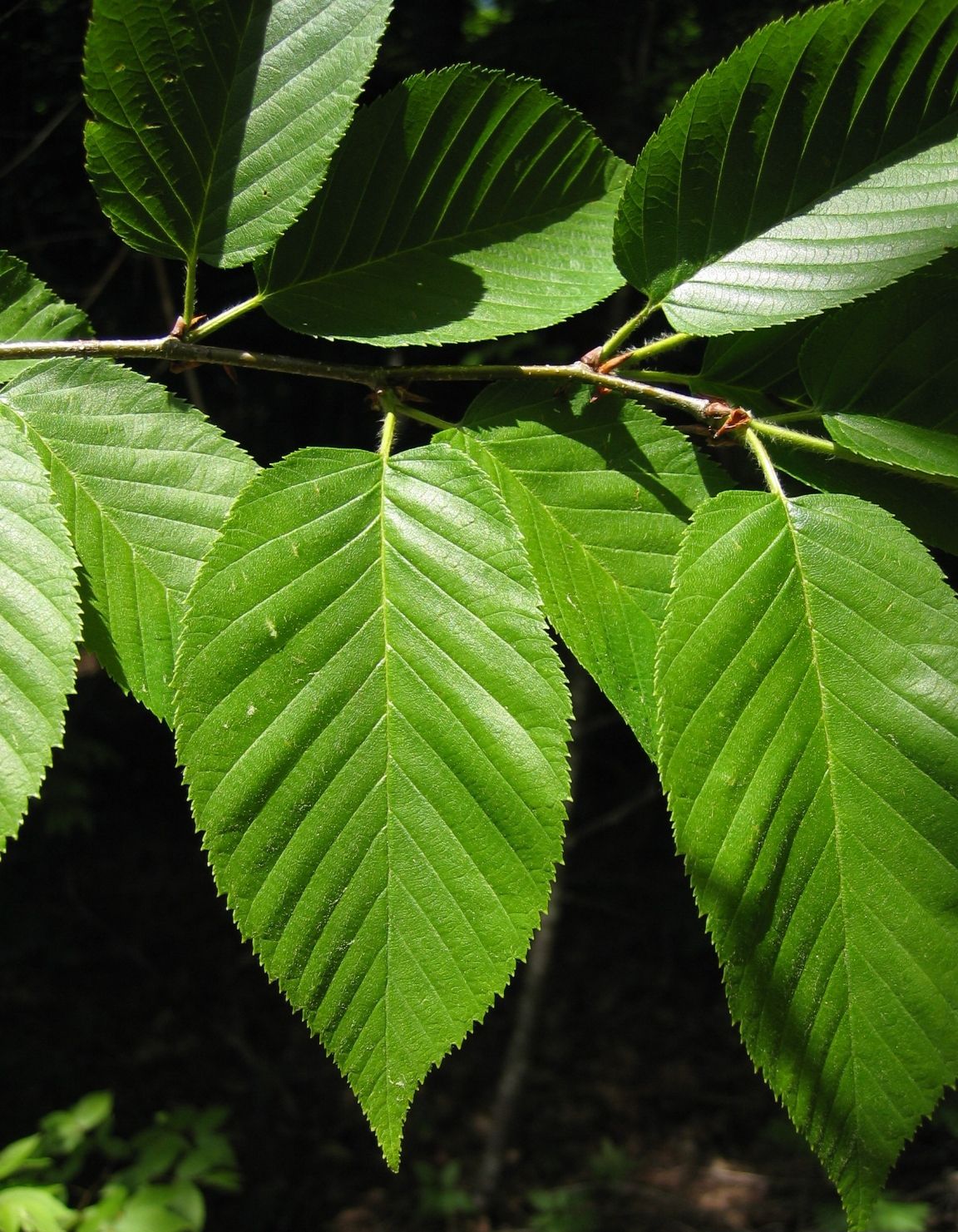
Photo of Yellow Birch (Betula alleghaniensis) by Keith Kanoti, licensed CC BY 3.0, via Wikimedia Commons.


Thanks for reading about the real history and trade-offs of Yellow Birch, if you have heavy clay or shallow rock, you know what to expect.
Frequently asked questions
What traditional medicinal uses of Yellow Birch were recorded among Native Americans?
Yellow Birch was used by Native American groups for internal remedies, including as a diuretic by the Ojibwa, as a cathartic and emetic by the Delaware, and as a blood purifier by the Iroquois. These uses were documented in ethnobotanical sources from the late nineteenth and twentieth centuries.
Is Yellow Birch toxic to humans or animals?
No toxicity has been recorded for Yellow Birch. It is considered palatable to humans and there are no traditional warnings about toxicity in the documented sources.
What growing conditions does Yellow Birch require?
Yellow Birch was recorded as needing moderate water and is best suited for gardeners with a reliable water source and space for a tree. It does not tolerate drought, shallow rocky soils, or heavy clay that stays wet.
Who should grow Yellow Birch and who should avoid it?
Gardeners with steady water and room for a tree can consider Yellow Birch. Those with shallow caliche, heavy clay, or only a balcony should skip it, as it will not thrive in those conditions.
How reliable are the traditional uses of Yellow Birch?
The uses are well documented in ethnobotanical records but reflect traditional beliefs and practices, not modern clinical evidence. Preparation and dosage details are not included in the sources.
Where can I find more information about traditional plant uses?
You can explore more about traditional plant uses on the /plants page or get personalized advice for your landscape at /get-my-concept.
Free, no obligation
Ready to design your dream landscape? Start here.
Tell us where you are and we will start a free profile for you, with plants that actually survive your climate and a real sense of what the build would cost.