
Traditional uses of Cutleaf Waterparsnip (Berula erecta)
Cutleaf Waterparsnip (Berula erecta) is a wetland plant with high water needs and a low toxicity rating. It was used in traditional Native American medicine, especially by the White Mountain Apache and the Zuni, for external remedies and as an ingredient in ceremonial cakes.
August 22, 2026
By Valeria Navarro
TL;DR: Cutleaf Waterparsnip (Berula erecta) was historically used by the White Mountain Apache and Zuni peoples for external remedies, including as a wash for skin issues and as an ingredient in ceremonial cakes, according to early 20th-century ethnobotanical records. The plant has a low toxicity status and high water requirement, but it is not recorded as palatable to humans.
Last updated: August 22, 2026
What traditional uses of Cutleaf Waterparsnip were recorded among Native American groups?
The White Mountain Apache and Zuni peoples both recorded medicinal and ceremonial uses for Cutleaf Waterparsnip. Leaves and blossoms were used for medicinal purposes by the Apache, while the Zuni included the plant in 'schumaakwe cakes' and used it externally for rheumatism, swelling, and as a wash for skin infections (Reagan, 1929; Stevenson, 1915; Camazine & Bye, 1980).
How did the Zuni people use Cutleaf Waterparsnip?
Zuni traditions documented Cutleaf Waterparsnip as an ingredient in 'schumaakwe cakes' and for external application to treat rheumatism and swelling. An infusion of the whole plant was also used as a wash for rashes and athlete's foot infection (Stevenson, 1915; Camazine & Bye, 1980).

Photo by Stefan.lefnaer, licensed CC BY-SA 4.0, via Wikimedia Commons.

What did the White Mountain Apache record about Cutleaf Waterparsnip?
The White Mountain Apache used the leaves and blossoms of Cutleaf Waterparsnip for medicinal purposes, though specific conditions or preparations were not detailed in the 1929 record by Reagan.
How does Cutleaf Waterparsnip compare to other wetland plants for home gardens?
This plant needs consistently wet conditions and is not considered palatable for humans. Its low toxicity makes it safer than some Apiaceae relatives, but it is not a culinary herb. The main trade-off is its high water requirement, which makes it a tough fit for drought-prone gardens like those in Central Texas.

Photo by Robert Flogaus-Faust, licensed CC BY 4.0, via Wikimedia Commons.

Who should grow Cutleaf Waterparsnip and who should skip it?
Gardeners with a pond or boggy area, especially those interested in ethnobotanical gardens, might consider Cutleaf Waterparsnip. It is not suited for containers, xeriscapes, or lawns that dry out. Households with curious pets should still supervise, but its low toxicity is a plus compared to more dangerous relatives.
What are the documented traditional uses of Cutleaf Waterparsnip?
| Tradition | Part Used | What Was Recorded | Source |
|---|---|---|---|
| White Mountain Apache | Leaves, blossoms | Used for medicinal purposes | Reagan, 1929 |
| Zuni | Unspecified | Ingredient of 'schumaakwe cakes' and used externally for rheumatism | Stevenson, 1915 |
| Zuni | Unspecified | Infusion of whole plant used as wash for rashes and athlete's foot | Camazine & Bye, 1980 |
| Zuni | Unspecified | Ingredient of 'schumaakwe cakes' and used externally for swelling | Stevenson, 1915 |
What is the toxicity status of Cutleaf Waterparsnip?
Cutleaf Waterparsnip has a low toxicity status compared to other members of the Apiaceae family. While not recorded as palatable to humans, it is less risky than highly toxic relatives like water hemlock. Still, supervision is wise if pets or children are present.
Frequently Asked Questions
What traditional medicinal uses did the White Mountain Apache record for Cutleaf Waterparsnip?
The White Mountain Apache used the leaves and blossoms of Cutleaf Waterparsnip for medicinal purposes, as documented by Reagan in 1929. The specific ailments or methods were not detailed, but the plant held a place in their traditional remedies.
How did the Zuni people use Cutleaf Waterparsnip?
The Zuni used Cutleaf Waterparsnip as an ingredient in 'schumaakwe cakes' and applied it externally for rheumatism and swelling. They also made an infusion of the whole plant to wash rashes and treat athlete's foot, according to early 20th-century ethnobotanical records.
Is Cutleaf Waterparsnip safe to grow around pets and children?
Cutleaf Waterparsnip has a low toxicity status, making it safer than many other Apiaceae family members. However, it is still wise to supervise pets and children around any unfamiliar plant, as it is not recorded as palatable to humans.
Can Cutleaf Waterparsnip be used as food?
There is no record of Cutleaf Waterparsnip being palatable to humans, and its traditional uses were medicinal or ceremonial rather than culinary. It is not recommended as a food plant.
What growing conditions does Cutleaf Waterparsnip require?
This plant needs high water levels and thrives in wet, boggy areas or along pond edges. It is not suited for dry gardens, heavy clay that stays dry, or containers without consistent moisture.
How does Cutleaf Waterparsnip compare to other wetland plants in terms of toxicity?
Cutleaf Waterparsnip is considered to have low toxicity, especially compared to dangerous relatives like water hemlock. While not edible, it is less hazardous for gardens where safety is a concern.
Want this worked out for your own yard?
Dream Landscaper reads the conditions you actually have, then plans around them rather than around a generic zone chart. Start with the city plant guides to see what already thrives near you, and when you want a real layout instead of a list, get your concept and we will take it from there.
Sources
- Reagan, Albert B., 1929, Plants Used by the White Mountain Apache Indians of Arizona, Wisconsin Archeologist 8:143-61., page 155
- Stevenson, Matilda Coxe, 1915, Ethnobotany of the Zuni Indians, SI-BAE Annual Report #30, page 44
- Camazine, Scott and Robert A. Bye, 1980, A Study Of The Medical Ethnobotany Of The Zuni Indians of New Mexico, Journal of Ethnopharmacology 2:365-388, page 379
Valeria and Diego are not doctors, and nothing here is medical advice. This article shares traditional and ancestral plant wisdom that was passed down through generations. It may be beneficial when applied with your own discretion, and with medical supervision as needed.
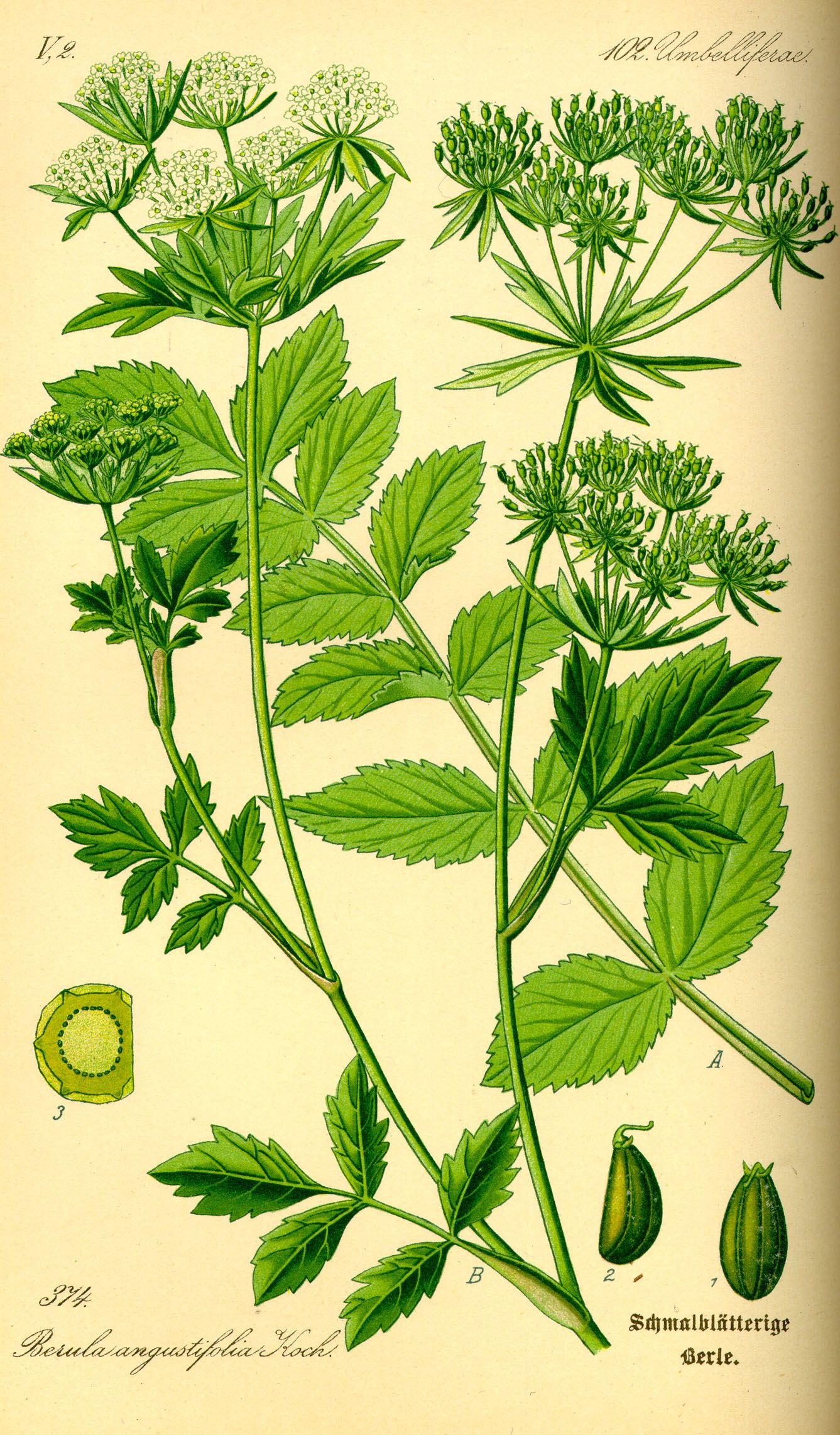
Photo of Cutleaf Waterparsnip (Berula erecta) by an unnamed Wikimedia contributor, licensed Public domain, via Wikimedia Commons.


If you’re thinking about adding a piece of living history to your wet spot, I hope this helps you see what Cutleaf Waterparsnip meant to those who came before us.
Frequently asked questions
What traditional medicinal uses did the White Mountain Apache record for Cutleaf Waterparsnip?
The White Mountain Apache used the leaves and blossoms of Cutleaf Waterparsnip for medicinal purposes, as documented by Reagan in 1929. The specific ailments or methods were not detailed, but the plant held a place in their traditional remedies.
How did the Zuni people use Cutleaf Waterparsnip?
The Zuni used Cutleaf Waterparsnip as an ingredient in 'schumaakwe cakes' and applied it externally for rheumatism and swelling. They also made an infusion of the whole plant to wash rashes and treat athlete's foot, according to early 20th-century ethnobotanical records.
Is Cutleaf Waterparsnip safe to grow around pets and children?
Cutleaf Waterparsnip has a low toxicity status, making it safer than many other Apiaceae family members. However, it is still wise to supervise pets and children around any unfamiliar plant, as it is not recorded as palatable to humans.
Can Cutleaf Waterparsnip be used as food?
There is no record of Cutleaf Waterparsnip being palatable to humans, and its traditional uses were medicinal or ceremonial rather than culinary. It is not recommended as a food plant.
What growing conditions does Cutleaf Waterparsnip require?
This plant needs high water levels and thrives in wet, boggy areas or along pond edges. It is not suited for dry gardens, heavy clay that stays dry, or containers without consistent moisture.
How does Cutleaf Waterparsnip compare to other wetland plants in terms of toxicity?
Cutleaf Waterparsnip is considered to have low toxicity, especially compared to dangerous relatives like water hemlock. While not edible, it is less hazardous for gardens where safety is a concern.
Free, no obligation
Ready to design your dream landscape? Start here.
Tell us where you are and we will start a free profile for you, with plants that actually survive your climate and a real sense of what the build would cost.