
Traditional uses of Fourwing Saltbush (Atriplex canescens)
Fourwing Saltbush (Atriplex canescens) has a long record of traditional use among Native American communities, including for skin irritations, hair washing, and ceremonial purposes. Its moderate water needs and low toxicity make it a practical choice for certain landscapes, though it is not recorded as palatable to humans.
August 27, 2026
By Diego Navarro
TL;DR: Fourwing Saltbush (Atriplex canescens) was traditionally used by Native American groups for treating skin irritations, washing hair, ceremonial fires, and as a poison arrow material. It is moderately water-thirsty, low in toxicity, and not recorded as palatable to humans. These uses are well-documented in ethnobotanical sources, but the plant is not a food crop.
Last updated: August 27, 2026
What traditional uses of Fourwing Saltbush have been recorded?
Fourwing Saltbush has been used by several Native American groups for skin and hair care, ceremonial fires, and as a material for poison arrows. These uses are documented in ethnobotanical records from the late nineteenth and early twentieth centuries. The plant was not recorded as a food source for humans.
How did Native American traditions use Fourwing Saltbush for skin and hair?
Among the Havasupai, the leaves of Fourwing Saltbush were made into a soapy lather and used to relieve itches or rashes, including those from chickenpox or measles (Weber & Seaman, 1985, page 217). The same lather was also used to wash hair. The Jemez applied crushed leaves as a poultice to ant bites, likely to reduce swelling and pain (Cook, 1930, page 20).

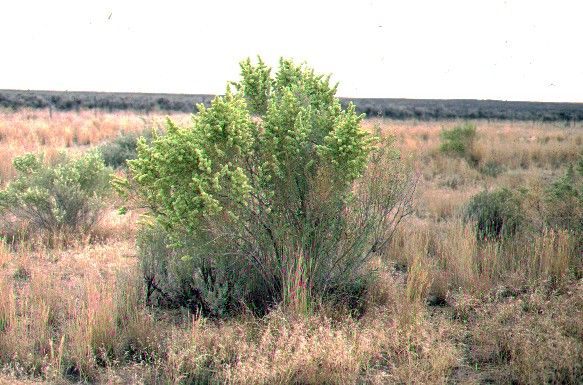
Photo by Krzysztof Ziarnek, Kenraiz, licensed CC BY-SA 4.0, via Wikimedia Commons.

Was Fourwing Saltbush used in ceremonies or for other non-medicinal purposes?
The Hopi used Fourwing Saltbush for kiva fires, a ceremonial practice (Fewkes, 1896, page 21). The Jemez burned the leaves and used the smoke to revive people who were badly hurt, weak, or faint (Cook, 1930, page 20). The Isleta used the wood to make poison arrow heads for war (Jones, 1931, page 24).
Who should grow Fourwing Saltbush and who should skip it?
Grow Fourwing Saltbush if you need a shrub with moderate water needs and low toxicity for a wildlife-friendly or low-maintenance landscape. Skip it if you want an edible plant or have dense clay that holds water after a freeze, since it is not recorded as palatable and could rot in wet soil. Households with pets that chew leaves should still use caution, even with low toxicity.

Photo by Kenraiz, licensed CC BY-SA 4.0, via Wikimedia Commons.

What are the trade-offs of using Fourwing Saltbush in a landscape?
Fourwing Saltbush handles moderate water but is not a food source for people, and its traditional uses are mostly external or ceremonial. It is low in toxicity, but not zero. It can handle tough sites, but like most desert plants, it struggles in clay that stays wet.
How do the documented traditions compare?
| Tradition | Part Used | What Was Recorded | Source |
|---|---|---|---|
| Havasupai | Leaves | Soapy lather for itches, rashes, and hair washing | Weber & Seaman, 1985, page 217 |
| Hopi | Unspecified | Used for kiva fires | Fewkes, 1896, page 21 |
| Isleta | Wood | Infectious wood used for poison arrow heads | Jones, 1931, page 24 |
| Jemez | Leaves | Poultice for ant bites, smoke to revive weak or faint person | Cook, 1930, page 20 |
Where can I learn more about Fourwing Saltbush and other traditional plants?
You can find more on Fourwing Saltbush and other plants with traditional uses in the /plants directory. If you are thinking about adding a plant like this to your landscape, the /get-my-concept tool can help you figure out if it fits your site and your goals.
Frequently Asked Questions
What did the Havasupai use Fourwing Saltbush for?
The Havasupai used the leaves of Fourwing Saltbush to make a soapy lather that was applied to itches or rashes, such as chickenpox or measles, and also used it to wash hair. This use was documented by Weber and Seaman in 1985.
Is Fourwing Saltbush toxic to humans or animals?
Fourwing Saltbush is considered low in toxicity, but not completely non-toxic. While it is not recorded as palatable to humans, households with pets that chew leaves should still use caution, as with any landscape plant.
Was Fourwing Saltbush ever used as a food plant?
No, Fourwing Saltbush was not recorded as palatable or used as a food source for humans in the documented traditions. Its uses were primarily external or ceremonial.
How was Fourwing Saltbush used in Native American ceremonies?
Among the Hopi, Fourwing Saltbush was used for kiva fires, which are a ceremonial practice. The Jemez also burned the leaves and used the smoke to revive people who were badly hurt, weak, or faint.
Can Fourwing Saltbush grow in heavy clay soil?
Fourwing Saltbush prefers moderate water and does not do well in clay that stays wet through a freeze. In Central Texas, it can struggle if the soil holds water after rain or irrigation, which can lead to root rot.
What were the Isleta traditions regarding Fourwing Saltbush?
The Isleta used the wood of Fourwing Saltbush to make poison arrow heads for war purposes. This use was recorded by Volney H. Jones in 1931 and is one of the more unique applications of the plant.
Want this worked out for your own yard?
Dream Landscaper reads the conditions you actually have, then plans around them rather than around a generic zone chart. Start with the city plant guides to see what already thrives near you, and when you want a real layout instead of a list, get your concept and we will take it from there.
Sources
- Weber, Steven A. and P. David Seaman, 1985, Havasupai Habitat: A. F. Whiting's Ethnography of a Traditional Indian Culture, Tucson. The University of Arizona Press, page 217
- Fewkes, J. Walter, 1896, A Contribution to Ethnobotany, American Anthropologist 9:14-21, page 21
- Jones, Volney H., 1931, The Ethnobotany of the Isleta Indians, University of New Mexico, M.A. Thesis, page 24
- Cook, Sarah Louise, 1930, The Ethnobotany of Jemez Indians., University of New Mexico, M.A. Thesis, page 20
Valeria and Diego are not doctors, and nothing here is medical advice. This article shares traditional and ancestral plant wisdom that was passed down through generations. It may be beneficial when applied with your own discretion, and with medical supervision as needed.
Photo of Fourwing Saltbush (Atriplex canescens) by an unnamed Wikimedia contributor, licensed Public domain, via Wikimedia Commons.


Thanks for reading about the real history and uses of Fourwing Saltbush with me.
Frequently asked questions
What did the Havasupai use Fourwing Saltbush for?
The Havasupai used the leaves of Fourwing Saltbush to make a soapy lather that was applied to itches or rashes, such as chickenpox or measles, and also used it to wash hair. This use was documented by Weber and Seaman in 1985.
Is Fourwing Saltbush toxic to humans or animals?
Fourwing Saltbush is considered low in toxicity, but not completely non-toxic. While it is not recorded as palatable to humans, households with pets that chew leaves should still use caution, as with any landscape plant.
Was Fourwing Saltbush ever used as a food plant?
No, Fourwing Saltbush was not recorded as palatable or used as a food source for humans in the documented traditions. Its uses were primarily external or ceremonial.
How was Fourwing Saltbush used in Native American ceremonies?
Among the Hopi, Fourwing Saltbush was used for kiva fires, which are a ceremonial practice. The Jemez also burned the leaves and used the smoke to revive people who were badly hurt, weak, or faint.
Can Fourwing Saltbush grow in heavy clay soil?
Fourwing Saltbush prefers moderate water and does not do well in clay that stays wet through a freeze. In Central Texas, it can struggle if the soil holds water after rain or irrigation, which can lead to root rot.
What were the Isleta traditions regarding Fourwing Saltbush?
The Isleta used the wood of Fourwing Saltbush to make poison arrow heads for war purposes. This use was recorded by Volney H. Jones in 1931 and is one of the more unique applications of the plant.
Free, no obligation
Ready to design your dream landscape? Start here.
Tell us where you are and we will start a free profile for you, with plants that actually survive your climate and a real sense of what the build would cost.