
Traditional uses of Louisiana Sagewort (Artemisia ludoviciana)
Louisiana Sagewort, or Artemisia ludoviciana, has a long record of traditional uses among Indigenous peoples of the northern plains and Rockies. This article reports what was actually recorded about how the Blackfoot and Kutenai used this plant, with citations, and who should consider growing it in a Texas garden.
September 2, 2026
By Diego Navarro
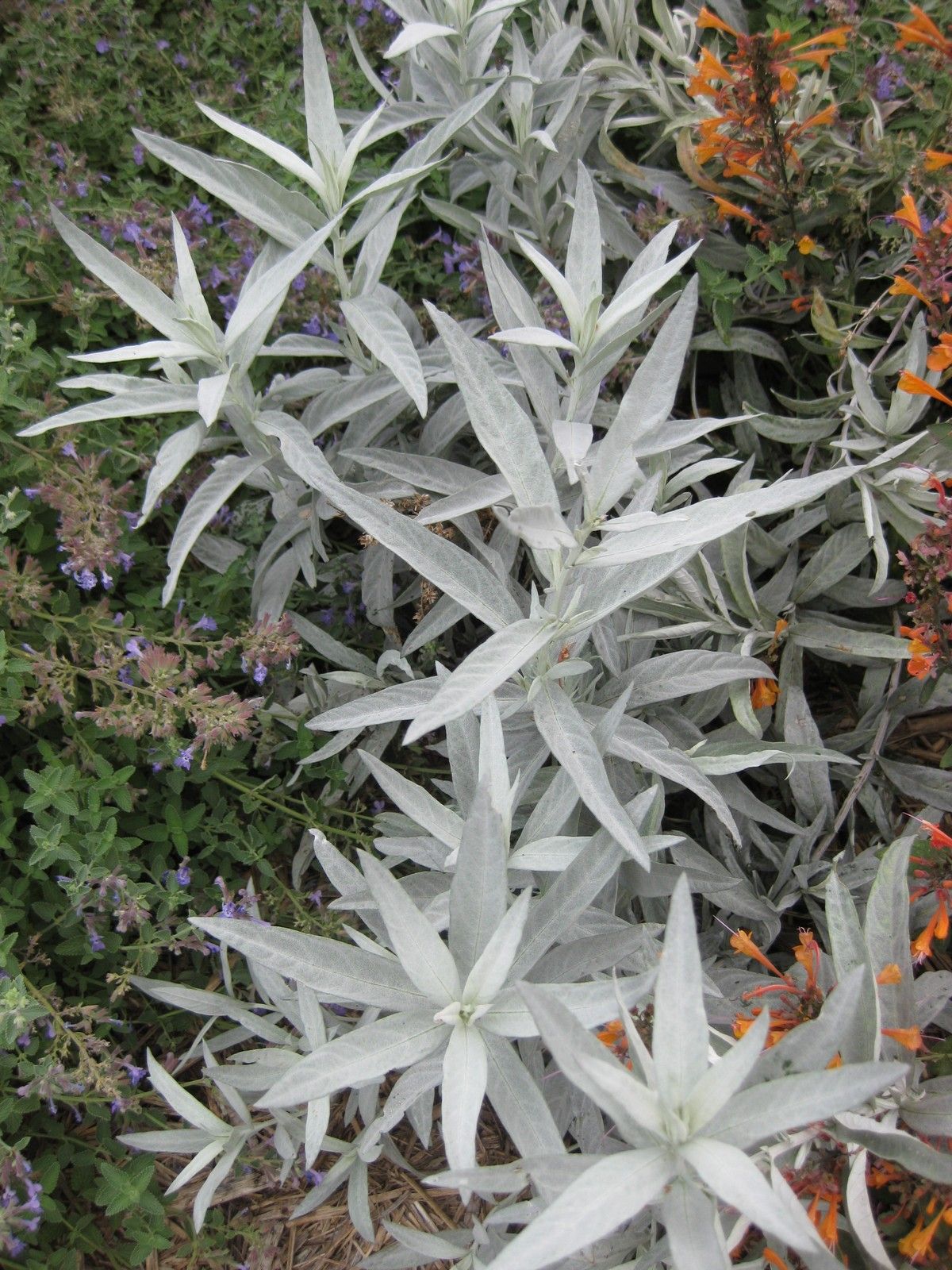
TL;DR: Louisiana Sagewort (Artemisia ludoviciana) was traditionally used by the Blackfoot and Kutenai peoples for foot deodorant, respiratory issues, skin sores, and chest constrictions, as documented in ethnobotanical records. These uses were recorded in the 20th century and do not imply current medical advice or efficacy.
Last updated: September 2, 2026
What traditional uses of Louisiana Sagewort were recorded among Indigenous peoples?
Blackfoot and Kutenai traditions recorded Louisiana Sagewort for deodorizing feet, treating skin sores, and addressing respiratory and chest issues. These records come from 20th-century ethnobotanical studies, not from present-day use or clinical trials.
How did the Blackfoot use Louisiana Sagewort?
The Blackfoot used Louisiana Sagewort leaves in several ways: as a foot deodorant inside moccasins, chewed during sweats for respiratory complaints, applied as a poultice to blisters and burst boils, and as an infusion for chest constrictions. All of these uses were documented by Hellson in 1974.

Photo by Schubbay, licensed CC BY-SA 4.0, via Wikimedia Commons.

What did the Kutenai record about Louisiana Sagewort?
A decoction of Louisiana Sagewort plants was used for sores among the Kutenai, as documented by Hart in 1992. This is the only recorded use from the Kutenai tradition in the sources provided, and it refers specifically to skin sores.
Who should grow Louisiana Sagewort, and who should skip it?
Grow Louisiana Sagewort if you want a native perennial that can handle moderate water and is not known to be toxic. It spreads by rhizomes and can take over a small bed, so skip it if you garden in a tiny space or want a plant that stays put. Not recorded as palatable to humans, so it is not for edible landscaping.

Photo by cassi saari, licensed CC BY-SA 4.0, via Wikimedia Commons.

What are the trade-offs of growing Louisiana Sagewort in Central Texas?
The plant handles moderate water and can deal with dry spells once established, but it spreads aggressively by rhizomes. In black clay or heavy soils, it may rot if the ground stays wet after a freeze. Deer usually leave it alone, but it will outcompete less vigorous neighbors.
How do the documented traditions compare side by side?
| Tradition | Part Used | What Was Recorded | Source |
|---|---|---|---|
| Blackfoot | Leaves | Leaves put into moccasins as a foot deodorant | Hellson, John C., 1974, Ethnobotany of the Blackfoot Indians, page 124 |
| Blackfoot | Leaves | Poultice of leaves applied to blisters and burst boils | Hellson, John C., 1974, Ethnobotany of the Blackfoot Indians, page 75 |
| Blackfoot | Leaves | Leaves chewed during the sweat for respiratory disorders | Hellson, John C., 1974, Ethnobotany of the Blackfoot Indians, page 71 |
| Blackfoot | Leaves | Infusion of leaves taken for chest constrictions | Hellson, John C., 1974, Ethnobotany of the Blackfoot Indians, page 71 |
| Kutenai | Whole plant | Decoction of plants used for sores | Hart, Jeff, 1992, Montana Native Plants and Early Peoples, page 44 |
Where can I learn more about traditional plant uses?
You can explore more traditional uses of plants at the plants directory, or get a custom landscape concept at get my concept. Always check the original sources for context and detail.
Frequently Asked Questions
What traditional uses of Louisiana Sagewort were recorded among Indigenous peoples?
Louisiana Sagewort was used by the Blackfoot for foot deodorant, respiratory issues, skin blisters, and chest constrictions, and by the Kutenai for treating sores. These uses are documented in 20th-century ethnobotanical sources, not in modern clinical studies.
How did the Blackfoot use Louisiana Sagewort?
The Blackfoot used the leaves of Louisiana Sagewort in moccasins as a deodorant, chewed them during sweats for respiratory complaints, applied them as a poultice to blisters and burst boils, and took infusions for chest constrictions, according to Hellson, 1974.
What did the Kutenai record about Louisiana Sagewort?
Among the Kutenai, a decoction of Louisiana Sagewort plants was used for sores, as documented by Hart in 1992. This is the only use recorded for the Kutenai in the sources provided.
Who should grow Louisiana Sagewort, and who should skip it?
Grow Louisiana Sagewort if you want a native perennial for moderate water that is not known to be toxic. Skip it if you have a small garden or want a plant that stays in one place, since it spreads by rhizomes and can take over a bed.
What are the trade-offs of growing Louisiana Sagewort in Central Texas?
Louisiana Sagewort spreads aggressively and can outcompete less vigorous plants. It tolerates dry spells but may rot in heavy clay that stays wet after a freeze. Deer usually avoid it, but its spreading habit is a challenge in small gardens.
Is Louisiana Sagewort edible or toxic?
There is no record of Louisiana Sagewort being palatable to humans, and no toxicity has been documented. It is not used as an edible plant in the sources provided, and no toxicity warning is needed based on current records.
Want this worked out for your own yard?
Dream Landscaper reads the conditions you actually have, then plans around them rather than around a generic zone chart. Start with the city plant guides to see what already thrives near you, and when you want a real layout instead of a list, get your concept and we will take it from there.
Sources
- Hellson, John C., 1974, Ethnobotany of the Blackfoot Indians, Ottawa. National Museums of Canada. Mercury Series, page 124
- Hellson, John C., 1974, Ethnobotany of the Blackfoot Indians, Ottawa. National Museums of Canada. Mercury Series, page 75
- Hellson, John C., 1974, Ethnobotany of the Blackfoot Indians, Ottawa. National Museums of Canada. Mercury Series, page 71
- Hart, Jeff, 1992, Montana Native Plants and Early Peoples, Helena. Montana Historical Society Press, page 44
Valeria and Diego are not doctors, and nothing here is medical advice. This article shares traditional and ancestral plant wisdom that was passed down through generations. It may be beneficial when applied with your own discretion, and with medical supervision as needed.
Photo of Louisiana Sagewort (Artemisia ludoviciana) by Raffi Kojian, licensed CC BY-SA 3.0, via Wikimedia Commons.


If you're thinking about adding Louisiana Sagewort to your landscape, I hope this gives you the facts you need to decide if it fits your space.
Frequently asked questions
What traditional uses of Louisiana Sagewort were recorded among Indigenous peoples?
Louisiana Sagewort was used by the Blackfoot for foot deodorant, respiratory issues, skin blisters, and chest constrictions, and by the Kutenai for treating sores. These uses are documented in 20th-century ethnobotanical sources, not in modern clinical studies.
How did the Blackfoot use Louisiana Sagewort?
The Blackfoot used the leaves of Louisiana Sagewort in moccasins as a deodorant, chewed them during sweats for respiratory complaints, applied them as a poultice to blisters and burst boils, and took infusions for chest constrictions, according to Hellson, 1974.
What did the Kutenai record about Louisiana Sagewort?
Among the Kutenai, a decoction of Louisiana Sagewort plants was used for sores, as documented by Hart in 1992. This is the only use recorded for the Kutenai in the sources provided.
Who should grow Louisiana Sagewort, and who should skip it?
Grow Louisiana Sagewort if you want a native perennial for moderate water that is not known to be toxic. Skip it if you have a small garden or want a plant that stays in one place, since it spreads by rhizomes and can take over a bed.
What are the trade-offs of growing Louisiana Sagewort in Central Texas?
Louisiana Sagewort spreads aggressively and can outcompete less vigorous plants. It tolerates dry spells but may rot in heavy clay that stays wet after a freeze. Deer usually avoid it, but its spreading habit is a challenge in small gardens.
Is Louisiana Sagewort edible or toxic?
There is no record of Louisiana Sagewort being palatable to humans, and no toxicity has been documented. It is not used as an edible plant in the sources provided, and no toxicity warning is needed based on current records.
Free, no obligation
Ready to design your dream landscape? Start here.
Tell us where you are and we will start a free profile for you, with plants that actually survive your climate and a real sense of what the build would cost.