
Traditional uses of Alpine Bearberry (Arctostaphylos alpina)
Alpine Bearberry, or Arctostaphylos alpina, was traditionally used by the Ojibwa for a range of medicinal and ceremonial purposes. These uses were recorded in the early 20th century and reflect the plant’s role in both healing and ritual.
August 12, 2026
By Valeria Navarro
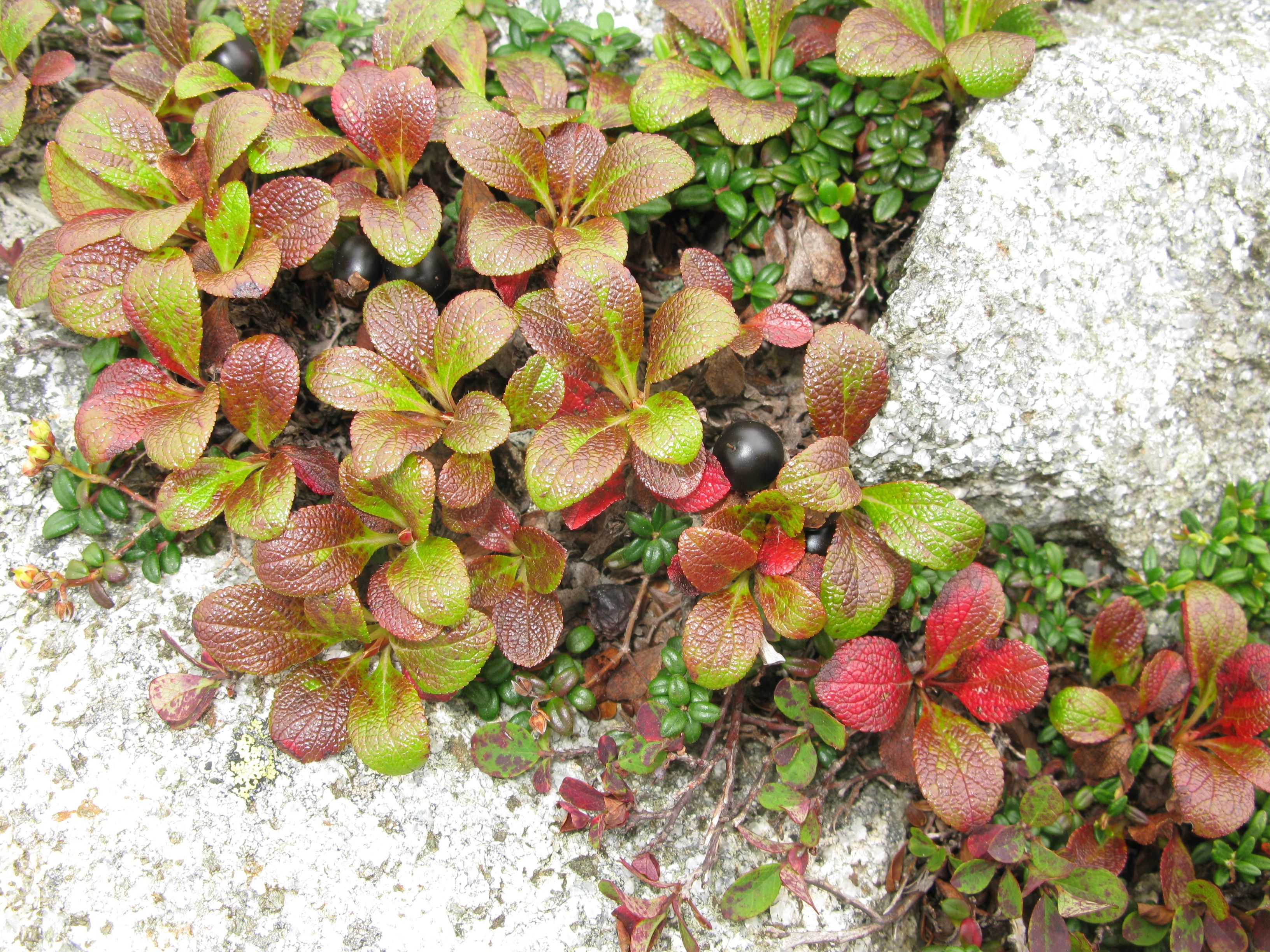
TL;DR: Alpine Bearberry (Arctostaphylos alpina) was documented among the Ojibwa as a medicinal and ceremonial plant, with uses including washes for rheumatism and general illnesses, bark decoctions for internal blood diseases, and leaves for ceremonies or smoking. These records, from 1928, show its importance in Ojibwa tradition but do not suggest any toxicity.
Last updated: August 12, 2026
What traditional uses of Alpine Bearberry were recorded among the Ojibwa?
The Ojibwa used Alpine Bearberry in several ways: as a wash for rheumatism and general illnesses, a decoction for internal blood diseases, and leaves for both medicinal ceremonies and smoking to cause intoxication. All of these uses were documented by Albert B. Reagan in 1928.
What parts of Alpine Bearberry were used in Ojibwa traditions?
The records from Reagan (1928) do not always specify the part used, but mention pounded plants for infusions, bark for decoctions, and leaves for both ceremonial and medicinal purposes. This shows a broad use of the plant’s different components in traditional practices.

Photo by Gálaniitoluodda, licensed CC BY-SA 3.0, via Wikimedia Commons.

How did the Ojibwa use Alpine Bearberry in ceremonies?
Alpine Bearberry leaves were used in medicine ceremonies and also smoked to cause intoxication, according to Reagan (1928). The ceremonial use highlights the plant’s role beyond just physical remedies, giving it cultural and spiritual significance.
How confident are we in these traditional uses?
All uses mentioned here were documented by Albert B. Reagan in 1928 among the Bois Fort Chippewa (Ojibwa) of Minnesota. These are considered documented uses, though they are specific to this community and time period, and may not reflect broader or current practices.

Photo by Culbertson Jennifer, U.S. Fish and Wildlife Service, licensed Public domain, via Wikimedia Commons.

Who should grow Alpine Bearberry, and who should skip it?
Alpine Bearberry is palatable to humans and has no recorded toxicity, but it is best suited for gardeners in cool climates or those who want to honor Ojibwa traditions. If you have heavy clay soil that stays wet, or live where summers are long and hot like Central Texas, Alpine Bearberry will struggle. Renters with containers or folks with alkaline clay might want to look at other native options on the plants page.
How do the documented Ojibwa uses of Alpine Bearberry compare?
| Tradition | Part Used | What Was Recorded | Source |
|---|---|---|---|
| Ojibwa | Pounded plants | Infusion used as wash for rheumatism | Reagan, 1928, p. 231 |
| Ojibwa | Bark | Decoction taken for internal blood diseases | Reagan, 1928, p. 231 |
| Ojibwa | Leaves | Used for medicine ceremonies | Reagan, 1928, p. 238 |
| Ojibwa | Leaves | Smoked to cause intoxication | Reagan, 1928, p. 238 |
| Ojibwa | Pounded plants | Infusion used as wash for general illnesses | Reagan, 1928, p. 231 |
| Ojibwa | Leaves | Used for medicinal purposes | Reagan, 1928, p. 238 |
Where can I learn more about traditional plant uses?
You can find more about traditional uses of plants like Alpine Bearberry in ethnobotanical records and local archives. For a broader look at plants suited to your own garden, check out the plants directory or get a custom concept at get-my-concept.
Frequently Asked Questions
What medicinal uses of Alpine Bearberry were recorded among the Ojibwa?
The Ojibwa used Alpine Bearberry as a wash for rheumatism and general illnesses, and made a decoction of the bark for internal blood diseases. These uses were documented by Albert B. Reagan in 1928, reflecting the plant’s role in traditional healing practices.
Did the Ojibwa use Alpine Bearberry in ceremonies?
Yes, the Ojibwa used Alpine Bearberry leaves in medicine ceremonies and also smoked the leaves to cause intoxication. Both practices were documented by Reagan in 1928, showing the plant’s importance in both ritual and medicinal contexts.
Is Alpine Bearberry toxic to humans?
No, there is no recorded toxicity for Alpine Bearberry. It was even noted as palatable to humans, and traditional uses did not mention any harmful effects. Always consult with a professional before using any plant medicinally.
Who should consider growing Alpine Bearberry?
Gardeners in cool climates or those interested in honoring Ojibwa traditions might consider growing Alpine Bearberry. It is not well suited for hot, dry regions or heavy clay soils like those found in Central Texas, where it may struggle to thrive.
Which parts of Alpine Bearberry were used traditionally?
The Ojibwa used various parts of Alpine Bearberry, including pounded whole plants for infusions, bark for decoctions, and leaves for ceremonies and medicinal purposes. The specific part depended on the intended use, as recorded by Reagan in 1928.
Where can I find more information about the traditional uses of plants?
You can explore more about traditional plant uses in ethnobotanical records, local libraries, or by visiting the plants directory on Dream Landscaper. For personalized advice, you can also use the get-my-concept tool to find plants suited to your own space.
Want this worked out for your own yard?
Dream Landscaper reads the conditions you actually have, then plans around them rather than around a generic zone chart. Start with the city plant guides to see what already thrives near you, and when you want a real layout instead of a list, get your concept and we will take it from there.
Sources
- Reagan, Albert B., 1928, Plants Used by the Bois Fort Chippewa (Ojibwa) Indians of Minnesota, Wisconsin Archeologist 7(4):230-248, page 231
- Reagan, Albert B., 1928, Plants Used by the Bois Fort Chippewa (Ojibwa) Indians of Minnesota, Wisconsin Archeologist 7(4):230-248, page 238
Valeria and Diego are not doctors, and nothing here is medical advice. This article shares traditional and ancestral plant wisdom that was passed down through generations. It may be beneficial when applied with your own discretion, and with medical supervision as needed.
Photo of Alpine Bearberry (Arctostaphylos alpina) by Qwert1234, licensed CC BY-SA 3.0, via Wikimedia Commons.


Thanks for exploring the roots of tradition with me, and may your own garden always have a story to tell.
Frequently asked questions
What medicinal uses of Alpine Bearberry were recorded among the Ojibwa?
The Ojibwa used Alpine Bearberry as a wash for rheumatism and general illnesses, and made a decoction of the bark for internal blood diseases. These uses were documented by Albert B. Reagan in 1928, reflecting the plant’s role in traditional healing practices.
Did the Ojibwa use Alpine Bearberry in ceremonies?
Yes, the Ojibwa used Alpine Bearberry leaves in medicine ceremonies and also smoked the leaves to cause intoxication. Both practices were documented by Reagan in 1928, showing the plant’s importance in both ritual and medicinal contexts.
Is Alpine Bearberry toxic to humans?
No, there is no recorded toxicity for Alpine Bearberry. It was even noted as palatable to humans, and traditional uses did not mention any harmful effects. Always consult with a professional before using any plant medicinally.
Who should consider growing Alpine Bearberry?
Gardeners in cool climates or those interested in honoring Ojibwa traditions might consider growing Alpine Bearberry. It is not well suited for hot, dry regions or heavy clay soils like those found in Central Texas, where it may struggle to thrive.
Which parts of Alpine Bearberry were used traditionally?
The Ojibwa used various parts of Alpine Bearberry, including pounded whole plants for infusions, bark for decoctions, and leaves for ceremonies and medicinal purposes. The specific part depended on the intended use, as recorded by Reagan in 1928.
Where can I find more information about the traditional uses of plants?
You can explore more about traditional plant uses in ethnobotanical records, local libraries, or by visiting the plants directory on Dream Landscaper. For personalized advice, you can also use the get-my-concept tool to find plants suited to your own space.
Free, no obligation
Ready to design your dream landscape? Start here.
Tell us where you are and we will start a free profile for you, with plants that actually survive your climate and a real sense of what the build would cost.