
Traditional uses of Big Bluestem (Andropogon gerardii)
Big Bluestem, a native prairie grass, was traditionally valued by Native American communities for specific medicinal uses. This article details the documented practices of the Chippewa and Omaha, focusing on how the roots and blades were prepared and used, with all sources cited. No toxicity or food uses have been recorded for humans.
September 7, 2026
By Valeria Navarro
TL;DR: Big Bluestem (Andropogon gerardii) was used in traditional Native American medicine, especially by the Chippewa and Omaha. Documented uses include decoctions of the root for stomach pain and as a diuretic, and decoctions of the blades for fever washes or to address general debility. There is no record of toxicity or food use for humans.
Last updated: September 7, 2026
What traditional medicinal uses of Big Bluestem have been recorded?
Big Bluestem was used by Native American communities for specific remedies. The Chippewa prepared a decoction of the root for stomach pain and as a diuretic, while the Omaha used a decoction of the blades as a wash for fevers and for general debility. These practices are documented in early twentieth-century ethnobotanical reports.
Which Native American groups used Big Bluestem and for what?
The Chippewa and Omaha tribes are the two groups with documented uses of Big Bluestem. The Chippewa focused on the root, while the Omaha used the blades. Both groups prepared decoctions, but for different conditions and with different plant parts.

Photo by cassi saari, licensed CC BY-SA 4.0, via Wikimedia Commons.

What parts of Big Bluestem were used in these traditions?
Both the roots and blades of Big Bluestem were used, depending on the tradition. The Chippewa used the roots, while the Omaha used the blades. No other parts or uses have been recorded in these sources.
How do the recorded uses of Big Bluestem compare across traditions?
| Tradition | Part Used | What Was Recorded | Source |
|---|---|---|---|
| Chippewa | Root | Decoction taken for stomach pain | Densmore, Frances, 1928, page 342 |
| Chippewa | Root | Simple or compound decoction taken as a diuretic | Densmore, Frances, 1928, page 348 |
| Omaha | Blades | Decoction used as a wash for fevers | Gilmore, Melvin R., 1919, page 68, 69 |
| Omaha | Blades | Decoction taken for 'general debility and languor' | Gilmore, Melvin R., 1919, page 68, 69 |

Photo by Patrick Alexander from Las Cruces, NM, licensed CC0, via Wikimedia Commons.

Who should consider growing Big Bluestem, and who should skip it?
Gardeners with moderate water availability and space for a tall, clumping grass will appreciate Big Bluestem. It thrives in Central Texas clay, but it’s not for those needing edible or ornamental plants for small patios. Renters with only a balcony or anyone seeking a food crop should look elsewhere.
Are there any recorded risks or trade-offs to using Big Bluestem?
No toxicity has been recorded for Big Bluestem, but it is not documented as palatable or edible for humans. The main trade-off is its size and space requirement; it can dominate smaller beds and needs moderate water, which may be a challenge during drought or water restrictions.
Frequently Asked Questions
What medicinal uses of Big Bluestem did the Chippewa record?
The Chippewa recorded using a decoction of Big Bluestem root for stomach pain and as a diuretic, according to Frances Densmore in 1928. These uses were documented in ethnobotanical studies and are specific to their traditional practices.
How did the Omaha use Big Bluestem traditionally?
The Omaha used a decoction of Big Bluestem blades as a wash for fevers and also took it for general debility and languor, as documented by Melvin R. Gilmore in 1919. These uses reflect their own medicinal traditions and are not general recommendations.
Is Big Bluestem safe for humans?
No toxicity has been recorded for Big Bluestem in the sources cited. However, it is not recorded as edible or palatable for humans, and there is no evidence of food use in the documented traditions.
Can I eat Big Bluestem or use it in cooking?
There are no recorded uses of Big Bluestem as a food for humans in the documented traditions. It is not known as an edible grass, and none of the cited sources mention culinary uses.
What are the main trade-offs of growing Big Bluestem?
Big Bluestem requires moderate water and can grow quite tall, making it unsuitable for small spaces or drought-prone gardens. It is not a food crop, so those looking for edible plants should consider other options.
Where can I learn more about traditional plant uses?
You can explore more traditional uses of plants on our /plants page or get custom advice for your garden at /get-my-concept. Always check the original sources for detailed ethnobotanical information.
Want this worked out for your own yard?
Dream Landscaper reads the conditions you actually have, then plans around them rather than around a generic zone chart. Start with the city plant guides to see what already thrives near you, and when you want a real layout instead of a list, get your concept and we will take it from there.
Sources
- Densmore, Frances, 1928, Uses of Plants by the Chippewa Indians, SI-BAE Annual Report #44:273-379, page 342
- Densmore, Frances, 1928, Uses of Plants by the Chippewa Indians, SI-BAE Annual Report #44:273-379, page 348
- Gilmore, Melvin R., 1919, Uses of Plants by the Indians of the Missouri River Region, SI-BAE Annual Report #33, page 68, 69
Valeria and Diego are not doctors, and nothing here is medical advice. This article shares traditional and ancestral plant wisdom that was passed down through generations. It may be beneficial when applied with your own discretion, and with medical supervision as needed.
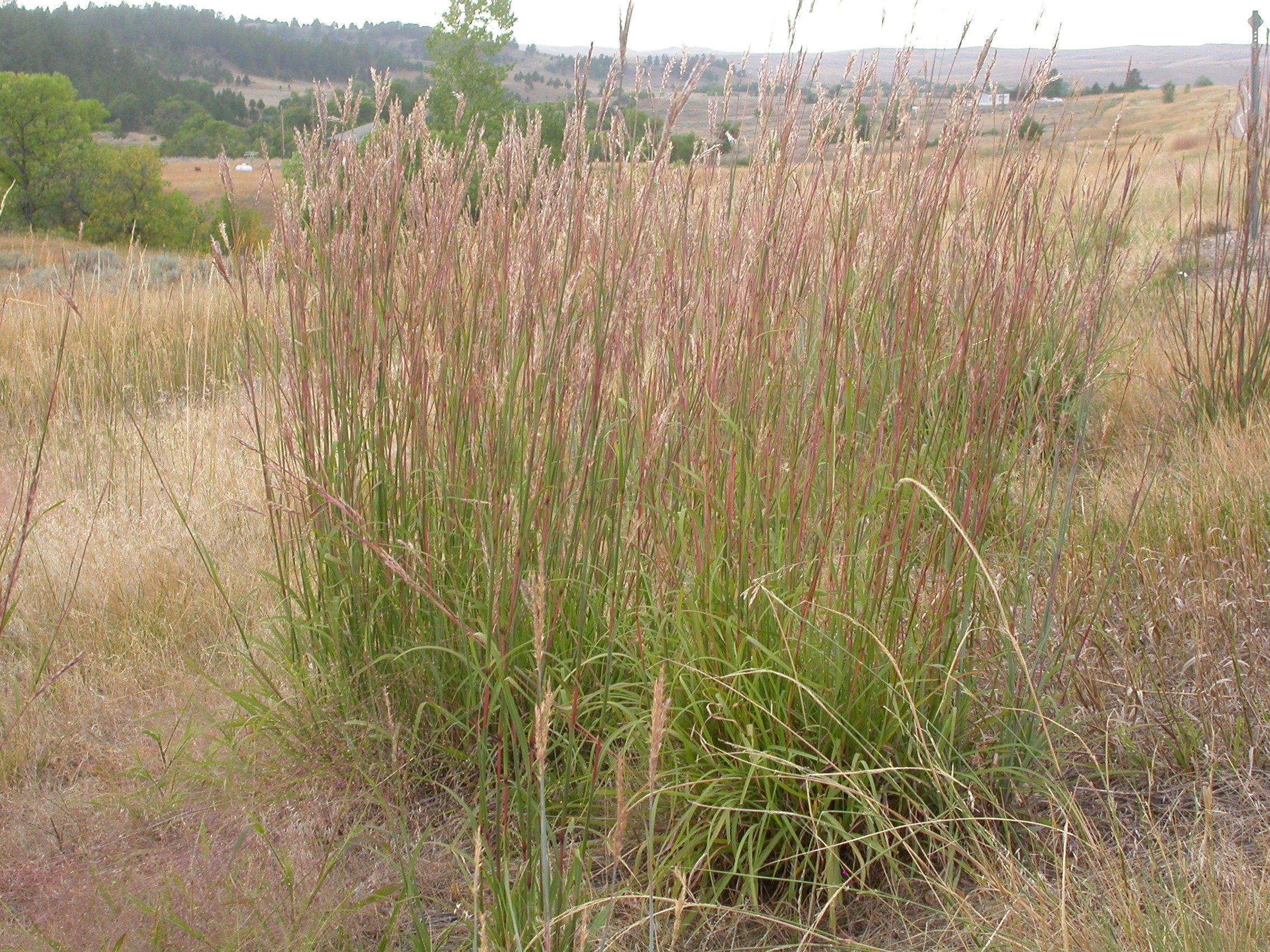
Photo of Big Bluestem (Andropogon gerardii) by Matt Lavin from Bozeman, Montana, USA, licensed CC BY-SA 2.0, via Wikimedia Commons.
.jpg)

If you’re thinking about adding a little prairie history to your garden, I hope this helped you see Big Bluestem in a new way.
Frequently asked questions
What medicinal uses of Big Bluestem did the Chippewa record?
The Chippewa recorded using a decoction of Big Bluestem root for stomach pain and as a diuretic, according to Frances Densmore in 1928. These uses were documented in ethnobotanical studies and are specific to their traditional practices.
How did the Omaha use Big Bluestem traditionally?
The Omaha used a decoction of Big Bluestem blades as a wash for fevers and also took it for general debility and languor, as documented by Melvin R. Gilmore in 1919. These uses reflect their own medicinal traditions and are not general recommendations.
Is Big Bluestem safe for humans?
No toxicity has been recorded for Big Bluestem in the sources cited. However, it is not recorded as edible or palatable for humans, and there is no evidence of food use in the documented traditions.
Can I eat Big Bluestem or use it in cooking?
There are no recorded uses of Big Bluestem as a food for humans in the documented traditions. It is not known as an edible grass, and none of the cited sources mention culinary uses.
What are the main trade-offs of growing Big Bluestem?
Big Bluestem requires moderate water and can grow quite tall, making it unsuitable for small spaces or drought-prone gardens. It is not a food crop, so those looking for edible plants should consider other options.
Where can I learn more about traditional plant uses?
You can explore more traditional uses of plants on our /plants page or get custom advice for your garden at /get-my-concept. Always check the original sources for detailed ethnobotanical information.
Free, no obligation
Ready to design your dream landscape? Start here.
Tell us where you are and we will start a free profile for you, with plants that actually survive your climate and a real sense of what the build would cost.