
Traditional Uses of American Water Plantain (Alisma subcordatum)
American Water Plantain (Alisma subcordatum) was documented by the Cherokee for use as a poultice on wounds and as a root remedy for bowel complaints. This aquatic plant thrives in high-water environments and has no recorded toxicity or culinary use.
August 20, 2026
By Valeria Navarro
TL;DR: American Water Plantain (Alisma subcordatum) was used by the Cherokee as a poultice for old sores, wounds, bruises, swellings, and ulcers, and its root was used for bowel complaints. All these uses were documented in 1975 by Hamel and Chiltoskey. There is no recorded toxicity or evidence of palatability to humans.
Last updated: August 20, 2026
What traditional uses of American Water Plantain were recorded among the Cherokee?
The Cherokee used American Water Plantain as a poultice for old sores, wounds, bruises, swellings, and ulcers, and also used its root for bowel complaints. This was documented by Hamel and Chiltoskey in 1975. The uses were repeated in their records, showing the plant's importance in Cherokee healing traditions.
How did the Cherokee prepare and apply American Water Plantain?
The records state that American Water Plantain was used as a poultice and the root was used for bowel complaints, but do not describe specific preparation methods or dosages. Only the applications and the parts used are documented, so we do not know the exact process or quantities. This is typical for many ethnobotanical records from this period.

Photo by Krzysztof Ziarnek, Kenraiz, licensed CC BY-SA 4.0, via Wikimedia Commons.

Is American Water Plantain safe or edible for humans?
No toxicity has been recorded for American Water Plantain, but there is also no record of it being palatable or eaten by humans. Its traditional uses were external or medicinal, not culinary. If you are looking for edible pond plants, this is not the one to pick for your table.
Who should grow American Water Plantain, and who should skip it?
Grow American Water Plantain if you have a pond, rain garden, or a spot that stays wet year-round. It needs consistently high water, so it will not survive in a typical Austin yard that dries out by July. Skip it if you have only dry clay, a balcony, or pets that chew leaves, since it is not a food plant and does not tolerate drought.

Photo by Patrick Alexander from Las Cruces, NM, licensed CC0, via Wikimedia Commons.

What are the trade-offs of growing American Water Plantain?
American Water Plantain is a diva about water. It thrives only in places that stay wet, so it will not handle drought or heavy clay that dries out. The upside is that it fills a niche in rain gardens and ponds where other plants might rot or drown. It is not showy, but it is tough in the right spot.
How do the documented traditional uses of American Water Plantain compare?
| Tradition | Part Used | What Was Recorded | Source |
|---|---|---|---|
| Cherokee | Unspecified | Used as a poultice on old sores, wounds, bruises, swellings and ulcers. | Hamel & Chiltoskey, 1975, p. 61 |
| Cherokee | Root | Root used for bowel complaints, sores, wounds and bruises. | Hamel & Chiltoskey, 1975, p. 61 |
Where can I learn more about American Water Plantain and its uses?
You can find more information about American Water Plantain and other plants on the plants page. If you want to see how this plant might fit into your own garden, the get my concept page is a good place to start. Always check local guides for native pond plants that match your site.
Frequently Asked Questions
What did the Cherokee use American Water Plantain for?
The Cherokee used American Water Plantain as a poultice for old sores, wounds, bruises, swellings, and ulcers, and also used its root for bowel complaints. These uses were documented by Hamel and Chiltoskey in 1975.
Is American Water Plantain edible or toxic?
There is no record of American Water Plantain being palatable or edible for humans, and no toxicity has been recorded. Its documented uses are medicinal and external, not culinary.
What growing conditions does American Water Plantain need?
American Water Plantain requires high water levels and will only thrive in consistently wet areas like ponds, rain gardens, or marshy spots. It will not survive in dry or drought-prone soils common in Central Texas yards.
Who should consider growing American Water Plantain?
This plant is best for gardeners with ponds, water gardens, or wetland restoration projects. It is not suitable for dry landscapes, balconies, or areas without consistent moisture.
Are there any modern medical uses for American Water Plantain?
There are no modern medical uses documented for American Water Plantain. The only recorded uses are traditional Cherokee applications as a poultice and for bowel complaints, as noted in 1975 by Hamel and Chiltoskey.
Where can I read more about traditional uses of American Water Plantain?
You can read more in 'Cherokee Plants and Their Uses -- A 400 Year History' by Hamel and Chiltoskey, published in 1975, or visit the /plants page for more on native and traditional plants.
Want this worked out for your own yard?
Dream Landscaper reads the conditions you actually have, then plans around them rather than around a generic zone chart. Start with the city plant guides to see what already thrives near you, and when you want a real layout instead of a list, get your concept and we will take it from there.
Sources
- Hamel, Paul B. and Mary U. Chiltoskey, 1975, Cherokee Plants and Their Uses -- A 400 Year History, Sylva, N.C. Herald Publishing Co., page 61
Valeria and Diego are not doctors, and nothing here is medical advice. This article shares traditional and ancestral plant wisdom that was passed down through generations. It may be beneficial when applied with your own discretion, and with medical supervision as needed.
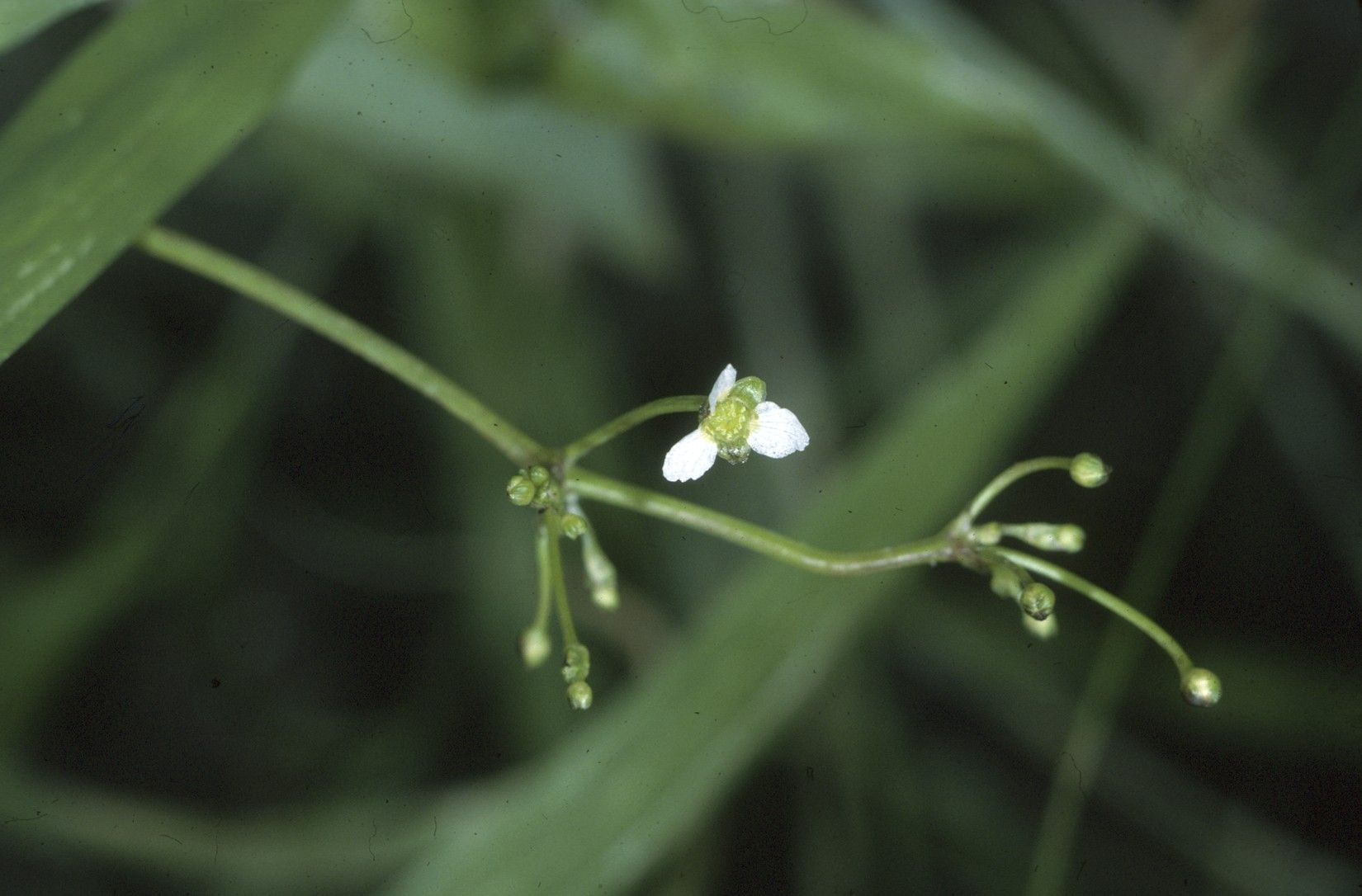
Photo of American Water Plantain (Alisma subcordatum) by Robert H. Mohlenbrock. USDA NRCS. 1995. Northeast wetland flora: Field office guide to plant species. Northeast National Technical Center, Chester, PA. Courtesy of USDA NRCS Wetland Science Institute., licensed Public domain, via Wikimedia Commons.


Thanks for letting me share a bit of plant history with you today.
Frequently asked questions
What did the Cherokee use American Water Plantain for?
The Cherokee used American Water Plantain as a poultice for old sores, wounds, bruises, swellings, and ulcers, and also used its root for bowel complaints. These uses were documented by Hamel and Chiltoskey in 1975.
Is American Water Plantain edible or toxic?
There is no record of American Water Plantain being palatable or edible for humans, and no toxicity has been recorded. Its documented uses are medicinal and external, not culinary.
What growing conditions does American Water Plantain need?
American Water Plantain requires high water levels and will only thrive in consistently wet areas like ponds, rain gardens, or marshy spots. It will not survive in dry or drought-prone soils common in Central Texas yards.
Who should consider growing American Water Plantain?
This plant is best for gardeners with ponds, water gardens, or wetland restoration projects. It is not suitable for dry landscapes, balconies, or areas without consistent moisture.
Are there any modern medical uses for American Water Plantain?
There are no modern medical uses documented for American Water Plantain. The only recorded uses are traditional Cherokee applications as a poultice and for bowel complaints, as noted in 1975 by Hamel and Chiltoskey.
Where can I read more about traditional uses of American Water Plantain?
You can read more in 'Cherokee Plants and Their Uses -- A 400 Year History' by Hamel and Chiltoskey, published in 1975, or visit the /plants page for more on native and traditional plants.
Free, no obligation
Ready to design your dream landscape? Start here.
Tell us where you are and we will start a free profile for you, with plants that actually survive your climate and a real sense of what the build would cost.