
Traditional uses of Harvestlice (Agrimonia parviflora)
Harvestlice, or Agrimonia parviflora, was recorded in Cherokee tradition for uses ranging from digestive support to fever relief. This article reports what was documented, who recorded it, and what gardeners should know before growing it.
August 15, 2026
By Diego Navarro
TL;DR: Cherokee tradition documented several uses for Harvestlice (Agrimonia parviflora), including infusions of root or burs for digestive issues, fever, and children's hunger, as well as a powdered root compound for pox. These records come from Hamel and Chiltoskey's 1975 account and do not suggest any toxicity, but the plant is not recorded as palatable to humans.
Last updated: August 15, 2026
What traditional uses of Harvestlice were recorded among the Cherokee?
Cherokee tradition, as documented by Hamel and Chiltoskey in 1975, recorded several uses for Harvestlice (Agrimonia parviflora). Infusions made from the burs were taken to check bowels and for fever, while root infusions were used to build up blood and satisfy children's hunger. A powdered root compound was also used for pox.
How did the Cherokee prepare and use different parts of Harvestlice?
The records do not specify preparation details, but they do note which plant parts were used for each remedy. Burs were infused for digestive and fever uses, while the root was infused or powdered for blood, hunger, and pox. All uses come from a single ethnobotanical source.
| Tradition | Part Used | What Was Recorded | Source |
|---|---|---|---|
| Cherokee | Burs | Infusion taken to 'check bowels' | Hamel & Chiltoskey, 1975 |
| Cherokee | Root | Infusion taken to build up blood | Hamel & Chiltoskey, 1975 |
| Cherokee | Root | Powdered root compound used for pox | Hamel & Chiltoskey, 1975 |
| Cherokee | Root | Infusion given to satisfy children's hunger | Hamel & Chiltoskey, 1975 |
| Cherokee | Burs | Infusion taken for fever | Hamel & Chiltoskey, 1975 |
| Cherokee | Root | Cold infusion of pulverized root for bowels | Hamel & Chiltoskey, 1975 |

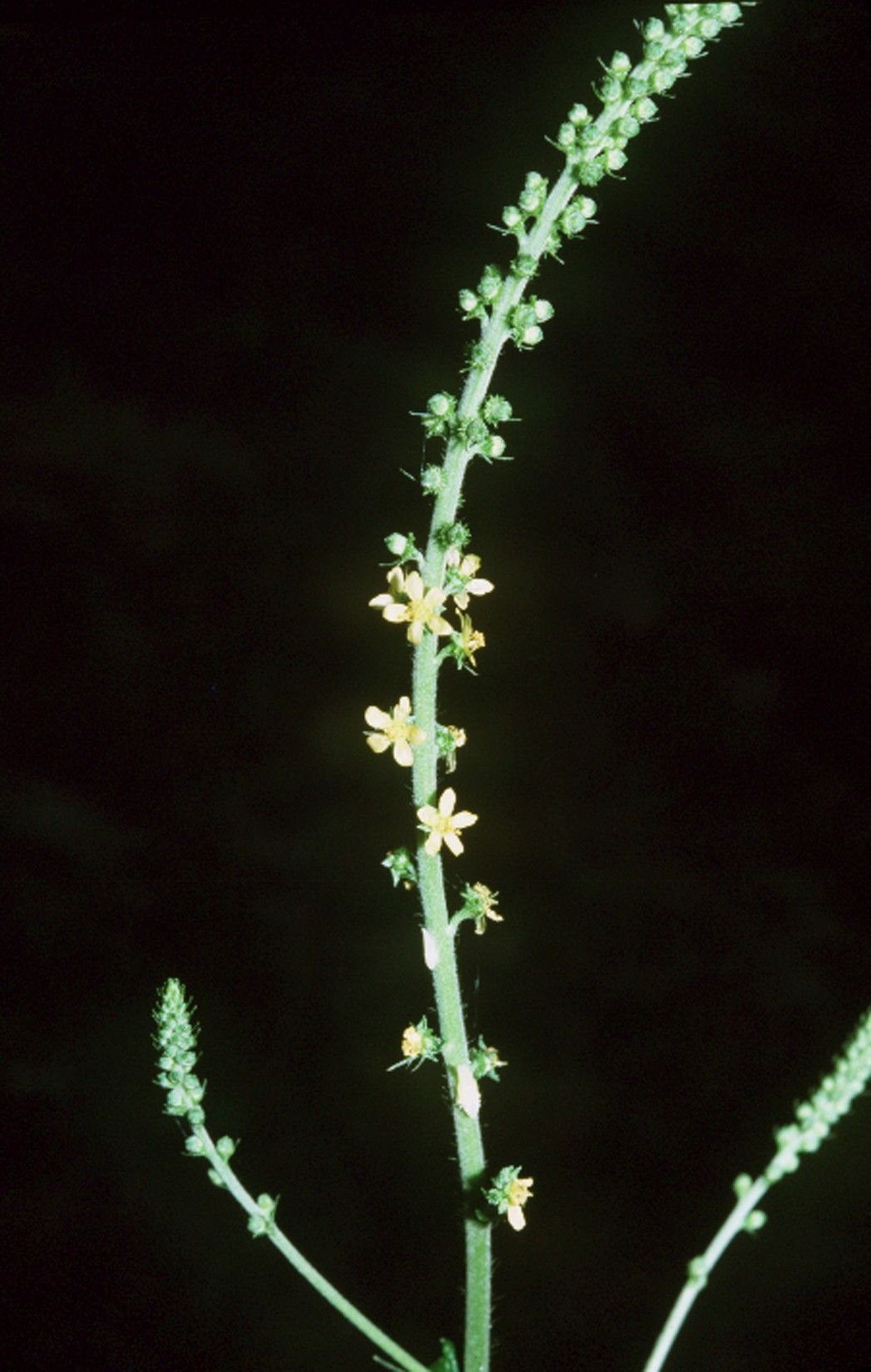
Photo by Fritzflohrreynolds, licensed CC BY-SA 3.0, via Wikimedia Commons.

Who should consider growing Harvestlice, and who should skip it?
Gardeners with consistently wet ground or areas that hold water after rain might have success with Harvestlice, since its water requirement is recorded as high. Folks on heavy clay that stays soggy, or those who want a plant for human consumption, should skip it. No palatability to humans is recorded, and it needs more water than most Central Texas soils provide.
What trade-offs come with growing Harvestlice in a home garden?
Harvestlice needs a lot of water, so it will struggle in dry, rocky, or fast-draining soils like the ones I see around Austin. It also isn’t recorded as edible or ornamental, so it’s more for those interested in native plant ethnobotany or supporting local ecology. You won’t get a showy flower or a salad green from it.

Photo by USDA-NRCS PLANTS Database / Britton, N.L., and A. Brown. 1913. Illustrated flora of the northern states and Canada. Vol. 2: 268., licensed Public domain, via Wikimedia Commons.

Did any traditions record Harvestlice as toxic or dangerous?
No toxicity has been recorded for Harvestlice in the sources cited here. The Cherokee uses reported by Hamel and Chiltoskey do not mention any danger or adverse effects. That said, it’s not documented as a food plant either, so don’t assume it’s safe to eat.
What is the evidence for these traditional uses of Harvestlice?
All the uses listed here come from a single ethnobotanical source: Hamel and Chiltoskey’s 1975 book on Cherokee plant traditions. Each use is described as documented, but no clinical trials or modern studies are cited. The confidence is in the historical record, not in modern validation.
Where can I learn more about other traditional plant uses?
You can find more about traditional and regional plant uses in the plants section. If you want to see how a plant like Harvestlice might fit into your own landscape, check out get-my-concept for ideas tailored to your site and goals.
Frequently Asked Questions
What traditional uses of Harvestlice were recorded among the Cherokee?
Cherokee tradition, documented by Hamel and Chiltoskey in 1975, recorded infusions of Harvestlice burs for digestive issues and fever, root infusions to build up blood and satisfy children's hunger, and a powdered root compound for pox. All uses are attributed to this single ethnobotanical source.
Is Harvestlice safe to eat or use as food?
Harvestlice is not recorded as palatable to humans, and no traditional use as a food plant was documented. The sources cited do not mention toxicity, but also do not suggest it should be eaten or used as a regular food.
What growing conditions does Harvestlice require?
Harvestlice was recorded as requiring high water, so it’s best suited to wet soils or areas that hold moisture. It will likely struggle in dry, rocky, or fast-draining soils like those found in much of Central Texas.
Who should consider growing Harvestlice?
Gardeners with wet ground or those interested in native ethnobotany may want to grow Harvestlice. It’s not a good fit for those on dry sites, or anyone looking for a plant with culinary or ornamental value.
Are there any modern studies supporting these traditional uses?
No modern clinical studies are cited in the sources for Harvestlice’s traditional uses. The information here is based on historical documentation from Hamel and Chiltoskey’s 1975 book, not on modern scientific validation.
What parts of Harvestlice were used in Cherokee tradition?
The Cherokee used both the burs and the root of Harvestlice. Burs were infused for digestive and fever uses, while the root was infused or powdered for blood, hunger, and pox, according to Hamel and Chiltoskey’s 1975 record.
Want this worked out for your own yard?
Dream Landscaper reads the conditions you actually have, then plans around them rather than around a generic zone chart. Start with the city plant guides to see what already thrives near you, and when you want a real layout instead of a list, get your concept and we will take it from there.
Sources
- Hamel, Paul B. and Mary U. Chiltoskey, 1975, Cherokee Plants and Their Uses -- A 400 Year History, Sylva, N.C. Herald Publishing Co., page 22
Valeria and Diego are not doctors, and nothing here is medical advice. This article shares traditional and ancestral plant wisdom that was passed down through generations. It may be beneficial when applied with your own discretion, and with medical supervision as needed.
Photo of Harvestlice (Agrimonia parviflora) by Robert H. Mohlenbrock. USDA SCS. 1989. Midwest wetland flora: Field office illustrated guide to plant species. Midwest National Technical Center, Lincoln, NE., licensed Public domain, via Wikimedia Commons.


If you’re curious about the stories behind native plants, Harvestlice is a good reminder that every patch of ground has its own history.
Frequently asked questions
What traditional uses of Harvestlice were recorded among the Cherokee?
Cherokee tradition, documented by Hamel and Chiltoskey in 1975, recorded infusions of Harvestlice burs for digestive issues and fever, root infusions to build up blood and satisfy children's hunger, and a powdered root compound for pox. All uses are attributed to this single ethnobotanical source.
Is Harvestlice safe to eat or use as food?
Harvestlice is not recorded as palatable to humans, and no traditional use as a food plant was documented. The sources cited do not mention toxicity, but also do not suggest it should be eaten or used as a regular food.
What growing conditions does Harvestlice require?
Harvestlice was recorded as requiring high water, so it’s best suited to wet soils or areas that hold moisture. It will likely struggle in dry, rocky, or fast-draining soils like those found in much of Central Texas.
Who should consider growing Harvestlice?
Gardeners with wet ground or those interested in native ethnobotany may want to grow Harvestlice. It’s not a good fit for those on dry sites, or anyone looking for a plant with culinary or ornamental value.
Are there any modern studies supporting these traditional uses?
No modern clinical studies are cited in the sources for Harvestlice’s traditional uses. The information here is based on historical documentation from Hamel and Chiltoskey’s 1975 book, not on modern scientific validation.
What parts of Harvestlice were used in Cherokee tradition?
The Cherokee used both the burs and the root of Harvestlice. Burs were infused for digestive and fever uses, while the root was infused or powdered for blood, hunger, and pox, according to Hamel and Chiltoskey’s 1975 record.
Free, no obligation
Ready to design your dream landscape? Start here.
Tell us where you are and we will start a free profile for you, with plants that actually survive your climate and a real sense of what the build would cost.