
Traditional Uses of Common Yarrow (Achillea millefolium)
Common Yarrow has a long history of traditional use among Native American groups, especially the Abnaki and Algonquin. These uses include applications for fevers, colds, grippe, and headaches, always recorded in a historical context.
August 9, 2026
By Valeria Navarro
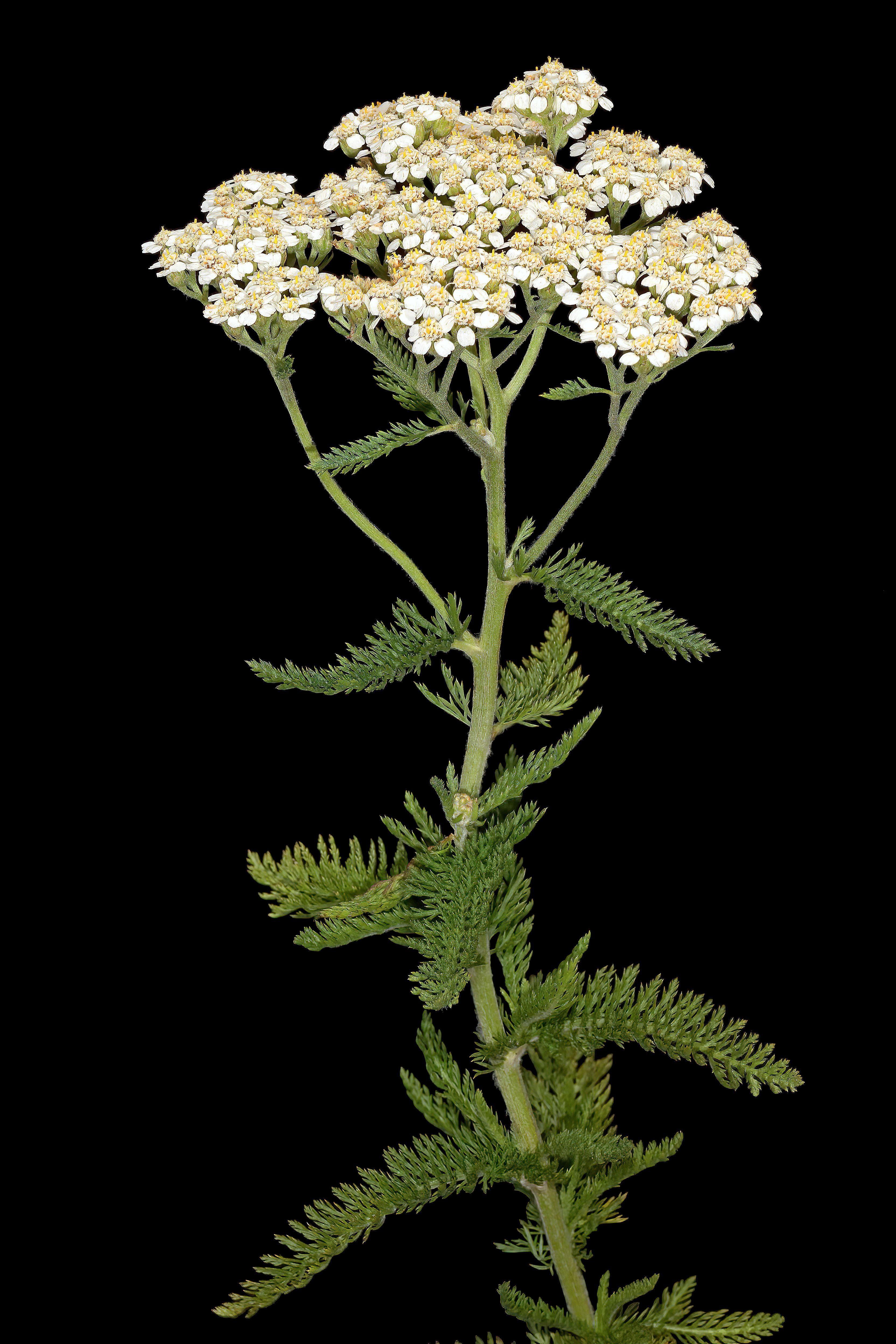
Photo of Common Yarrow (Achillea millefolium) by SAplants, licensed CC BY-SA 4.0, via Wikimedia Commons.
.jpg)
Common Yarrow, or Achillea millefolium, was historically used by Native American groups for a range of purposes, especially among the Abnaki and Algonquin. This plant is considered to have low toxicity, but that does not mean it is risk-free for everyone.
How was Common Yarrow traditionally used by the Abnaki?
The Abnaki people historically used Common Yarrow for fevers and grippe, as documented by Rousseau in 1947 (Rousseau, Jacques, 1947, Ethnobotanique Abenakise, Archives de Folklore 11:145-182, page 154). An infusion of the whole plant was also recorded as being given to children for colds (Rousseau, Jacques, 1947, Ethnobotanique Abenakise, Archives de Folklore 11:145-182, page 174). These are records of traditional use, not modern recommendations.
What uses of Common Yarrow were recorded among the Algonquin in Quebec?
Among the Algonquin in Quebec, Common Yarrow was documented as being used for colds and as a snuff for headaches (Black, Meredith Jean, 1980, Algonquin Ethnobotany: An Interpretation of Aboriginal Adaptation in South Western Quebec, Ottawa. National Museums of Canada. Mercury Series Number 65, page 240). The snuff was made from crushed leaves, but no preparation details were recorded. Like many plants, yarrow can be a bit of a diva in Central Texas clay, especially if the soil stays wet after a freeze.
Is Common Yarrow safe to use in the garden?
Common Yarrow is considered to have low toxicity, which means it is less risky than some other garden plants, but it is not entirely without risk. If you have pets or small children who like to put things in their mouths, you still want to keep an eye out. In my Austin garden, deer usually leave it alone, but a determined one might nibble the flowers if nothing tastier is around. Yarrow does best in soil that drains well; it can rot if your clay holds water too long.
What are the trade-offs of growing Common Yarrow in Central Texas?
Yarrow is tough once established, but it needs a little help to get through our wild swings from drought to flood. It can handle the alkaline soil and our summer heat, but it will sulk or even die if the roots sit in waterlogged clay during a cold snap. If you want to try it, check out the full list of plants that can handle our conditions, or get a personalized plan with Get My Concept.
FAQ
What traditional use of Common Yarrow was recorded among the Abnaki for children?
An infusion of the whole plant was given to children for colds, as recorded among the Abnaki (Rousseau, Jacques, 1947, Ethnobotanique Abenakise, Archives de Folklore 11:145-182, page 174).
How did the Algonquin use Common Yarrow for headaches?
The Algonquin in Quebec used crushed leaves of Common Yarrow as a snuff for headaches (Black, Meredith Jean, 1980, Algonquin Ethnobotany: An Interpretation of Aboriginal Adaptation in South Western Quebec, Ottawa. National Museums of Canada. Mercury Series Number 65, page 240).
Is Common Yarrow considered toxic?
Common Yarrow is considered to have low toxicity, but it is not completely without risk and should be handled with care, especially around children and pets.
What is one challenge of growing Common Yarrow in Central Texas?
One challenge is that yarrow can rot if planted in clay soil that stays wet during a freeze, which is a real risk in parts of Central Texas.
Sources
- Rousseau, Jacques, 1947, Ethnobotanique Abenakise, Archives de Folklore 11:145-182, page 154
- Rousseau, Jacques, 1947, Ethnobotanique Abenakise, Archives de Folklore 11:145-182, page 174
- Black, Meredith Jean, 1980, Algonquin Ethnobotany: An Interpretation of Aboriginal Adaptation in South Western Quebec, Ottawa. National Museums of Canada. Mercury Series Number 65, page 240
Valeria and Diego are not doctors, and nothing here is medical advice. This article shares traditional and ancestral plant wisdom that was passed down through generations. It may be beneficial when applied with your own discretion, and with medical supervision as needed.

Thanks for letting me share a little plant history with you today.
Frequently asked questions
What traditional use of Common Yarrow was recorded among the Abnaki for children?
An infusion of the whole plant was given to children for colds, as recorded among the Abnaki (Rousseau, Jacques, 1947, Ethnobotanique Abenakise, Archives de Folklore 11:145-182, page 174).
How did the Algonquin use Common Yarrow for headaches?
The Algonquin in Quebec used crushed leaves of Common Yarrow as a snuff for headaches (Black, Meredith Jean, 1980, Algonquin Ethnobotany: An Interpretation of Aboriginal Adaptation in South Western Quebec, Ottawa. National Museums of Canada. Mercury Series Number 65, page 240).
Is Common Yarrow considered toxic?
Common Yarrow is considered to have low toxicity, but it is not completely without risk and should be handled with care, especially around children and pets.
What is one challenge of growing Common Yarrow in Central Texas?
One challenge is that yarrow can rot if planted in clay soil that stays wet during a freeze, which is a real risk in parts of Central Texas.
Free, no obligation
Ready to design your dream landscape? Start here.
Tell us where you are and we will start a free profile for you, with plants that actually survive your climate and a real sense of what the build would cost.