
Seed Saving Basics: Which Crops Are Easy and Which Are Not?
Seed saving is simple with self pollinating crops and fussy with crops that trade pollen across the garden. Here is what to collect this fall, what to isolate, and which vegetables I would start with at home.
September 22, 2026
By Diego Navarro
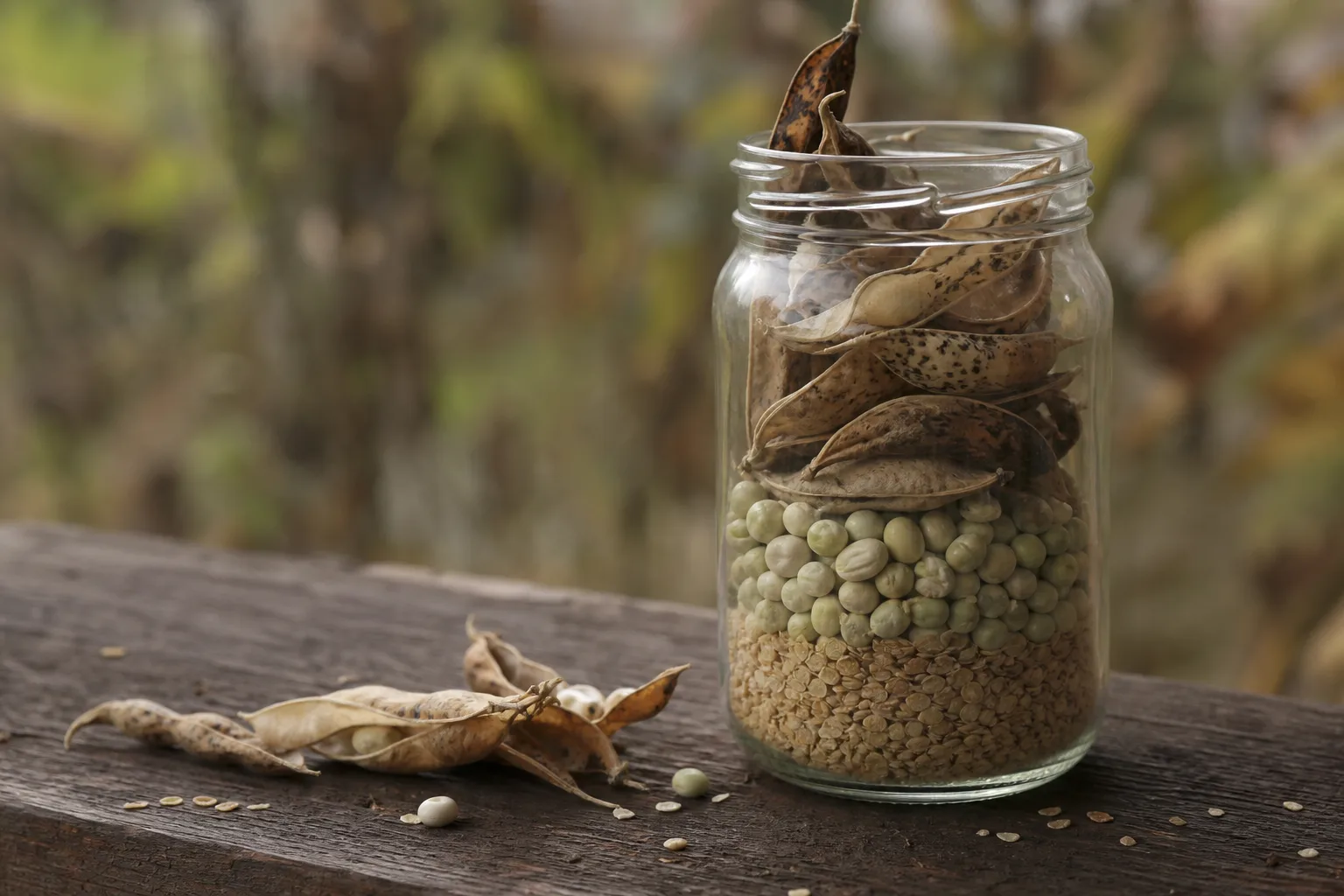
Start with beans, peas, tomatoes, and a self pollinating herb if you are saving seed this fall. Leave squash, zucchini, arugula, basil, and brassicas for later unless you can isolate them, because selfers are simple and outcrossers need isolation.
What makes a crop easy or hard to save?
A crop is easy to save when its flowers mostly fertilize themselves before outside pollen arrives, while a difficult crop accepts pollen from nearby plants or the wind. That difference matters more than whether the vegetable looks ripe, because clean seed depends on pollination before you ever harvest the fruit.
The useful dividing line is selfer versus outcrosser. Beans, peas, most modern tomatoes, and many herbs are self pollinating, so seed from a healthy, typical plant usually comes out close to the parent variety. That does not mean every seed is identical, but it gives you a fair first season.
Arugula and basil are listed as strongly outcrossing in the Seed Saving Guide for Gardeners and Farmers, and brassicas can trade pollen across surprising distances. Squash and zucchini are the backyard troublemakers because insects carry pollen between flowers and related varieties can produce seeds for crosses you did not intend.
Everyone says saving seed is just letting a plant bolt. In practice, pollination is the part that decides whether next year's crop resembles this year's crop. The seed packet is not the whole story.
Which crops should a beginner save this fall?
Save bean, pea, and tomato seed first, choosing open pollinated plants that are healthy and true to the variety. These selfers give beginners the best odds of getting recognizable plants without building an isolation cage, although tomatoes still need fully mature fruit and peas need pods left on the plant until they dry.
Beans are my first choice, including varieties such as Chocolate Runner beans, because the flowers usually pollinate themselves and the dry pods tell you exactly when the seed is ready. The tradeoff is that pods left too long can split or mold after rain, so pick them when the pods are brown and crisp but before they rattle apart.
Peas are nearly as friendly, but fall weather can turn mature pods soft before you notice. Pull the pods when they are dry, shell them, and spread the peas in one layer indoors for another seven to ten days. Their tradeoff is timing, since a wet November can ruin a good seed crop fast.
Tomatoes are forgiving because most modern varieties self pollinate, but a tomato seed saver must let the fruit become fully ripe. The tradeoff is the wet cleanup. Ferment the seeds in a labeled cup for three days, rinse away the pulp, and dry the seeds on a plate for seven days before storage.
How do you harvest seed from a tomato or bean right now?
Harvest seed only from mature, healthy plants that match the variety, then dry it completely before sealing it. For tomatoes, choose fully ripe fruit and remove the pulp; for beans, leave pods on the plant until brown and dry, then finish drying the cleaned seed indoors for seven to ten days.
For tomatoes, squeeze seeds and pulp into a labeled container with a little water. Leave it at room temperature for three days, rinse until the seed feels clean, and spread it on a ceramic plate or glass. Paper towels are a bad choice because drying seed glues itself to the fibers. It is a small trap.
For beans and peas, shell the dry pods and inspect every seed. Discard anything cracked, soft, spotted, or visibly damaged, since one bad seed can bring moisture into the storage container. Keep seed from several strong plants rather than taking everything from one unusually large plant.
A tomato seed is ready for storage when it no longer sticks together and feels dry rather than cool or rubbery. Beans should snap or rattle when moved. If you are unsure, give them two more days indoors at room temperature.
How far apart do outcrossing crops need to be?
For home seed saving, strongly outcrossing arugula and basil may need about 1,600 feet of separation, while commercial production guidance can reach 1 mile. Squash and zucchini may need separate gardens or about 1,600 feet for home use, so one variety per season is usually the sensible backyard choice.
Those distances are not a suggestion to measure your fence with a heroic piece of string. They show why a second garden nearby, a neighbor's flowering crop, or a community plot can spoil varietal purity. The Seed Saving Guide for Gardeners and Farmers gives the home isolation figures and notes that requirements vary by species.
Windbreaks and row covers can reduce pollen movement, but they are not magic walls. A row cover's tradeoff is that it also restricts access for pollinating insects, so a crop that needs insect pollination may require hand pollination while covered.
If you cannot isolate the crop, grow one variety and accept that the next generation may not be pure. That is still useful for experimentation, but label the packet as mixed or uncertain. Do not hand it to a new gardener as though it were guaranteed seed.
Should you save squash, zucchini, arugula, or basil seed?
You should save squash, zucchini, arugula, or basil seed only if you can prevent unwanted pollen, because these crops outcross more readily than beginner crops. Use one variety, isolate flowers or plants, or hand pollinate and protect the flower; otherwise buy fresh seed for a predictable result next year.
Squash and zucchini are related enough to cross when insects visit both, which is why a zucchini seed may produce a plant that is not the zucchini you remember. Hand pollination gives you control, but the tradeoff is daily attention. Cover a female flower before it opens, transfer pollen from the chosen male flower, then close the flower again.
Arugula is insect pollinated and strongly outcrossing, so saving seed from one plant beside another flowering arugula patch is risky. Its tradeoff is the same as its useful speed: it flowers readily, but that makes pollen contamination easy.
Basil also needs more caution than its reputation suggests. The cited seed saving table identifies basil as strongly outcrossing, so save one variety at a time or isolate it. The tradeoff is that isolation takes space, and a small yard does not become a farm because we wish politely at it.
Who is seed saving for, and who should ignore it this fall?
Seed saving suits a gardener with open pollinated varieties, a few labeled containers, and enough room to let selected plants mature past the eating stage. Ignore it this fall if you grew hybrids, cannot identify the variety, have several related crops flowering together, or need guaranteed traits for next spring.
Choose seed saving if you can leave a bean pod hanging, let a tomato become fully ripe, and keep notes through the ugly stage. The garden will look less tidy for two or three weeks. That is the price of getting mature seed.
Skip saving if your only plants came from unlabeled mixed packets or if the crop was stressed, diseased, or badly off type. Seed from a weak plant may still sprout, but you are selecting for a story you probably do not want to repeat.
Open pollinated does not mean every seed will be identical forever. The advantage is that the variety can reproduce with reasonable stability when pollination and selection are handled properly, as explained by Fruition Seeds. Hybrids are a separate problem, because saved seed may not repeat the parent combination.
How should you dry and store saved seed?
Dry cleaned seed to roughly 10 to 20 percent moisture, place it in an airtight labeled container, and store it in a cool, dark location. The container must stay dry, because warm damp storage shortens viability and can turn a carefully saved batch into a cup of mold by spring.
I use a small paper packet inside a sealed jar, with the crop, variety, year, and garden location written in pencil. The paper packet's tradeoff is that it does not protect seed from humid air by itself, so it belongs inside the airtight container, not alone in a drawer.
Do not seal seed while it still feels cool from outdoor humidity. Spread it in one layer for several days, then test a few seeds in your hand. Dry beans should be hard and clean, while tomato seed should separate instead of forming a sticky clump.
Store the container in a closet or cabinet away from the stove, greenhouse, and sunny windowsill. A refrigerator can be cool, but the tradeoff is condensation when you open a cold container, so let the sealed jar return to room temperature before opening it.
How many plants should you grow for dependable seed?
Grow seed from several plants, and aim for 10 to 20 plants per variety when you are maintaining a crop rather than simply trying a small home batch. More parent plants preserve more genetic diversity, while one exceptional plant gives you a narrow sample that may perform poorly next season.
For beans, peas, and tomatoes, a beginner can save a modest amount from several healthy plants and still learn the process. Ten plants is a practical target when space allows, but do not sacrifice diseased or weak plants just to reach a number.
Outcrossers need more planning. The research summary gives a minimum population size of 80 for some strongly outcrossing crops, which is far beyond most home gardens. That is why home gardeners usually save one isolated variety, purchase seed, or treat the result as an experiment rather than claiming long term genetic maintenance.
Harvesting from several plants also spreads risk. One plant may have escaped drought, shade, insect damage, or a late cold night, while another carries the traits you actually want to keep.
Which seed saving method should you use at home?
Use ordinary selection and drying for beans, peas, and most modern tomatoes, but use isolation or hand pollination for outcrossing crops. I would choose ordinary seed saving first because it costs little, fits a small yard, and teaches you the timing before you take on cages and pollen control.
| Method | Best crops | What you do | Honest downside |
|---|---|---|---|
| Ordinary selfer saving | Beans, peas, most modern tomatoes | Select healthy plants, harvest mature seed, dry and label it | Small amounts of crossing can still happen, and saved seed may lose purity over time |
| Isolation by distance | Arugula, basil, brassicas, squash, zucchini | Separate varieties by the needed distance or use separate gardens | Home yards rarely have 1,600 feet, and commercial guidance may reach 1 mile |
| Isolation cage or row cover | Insect pollinated crops | Cover flowers or plants and manage pollination | Covers block helpful insects, require checking, and can overheat plants |
| Hand pollination | Squash and zucchini | Move chosen pollen to a protected female flower and close it | It takes daily timing and can fail if flowers open before you reach them |
A cage's tradeoff is labor. You must inspect flowers, secure openings, and make sure the crop is actually pollinated. A distance method's tradeoff is land. Most homeowners have neither 1,600 feet nor a spare valley behind the garage.
If you want a planting plan that fits your actual beds, use get a concept for your yard, then check mature plant size and pollination details in the plant database. I would rather see you save ten good bean plants than struggle with one lonely squash flower and call it a system.
What should you do in the garden this week?
This week, mark the strongest plants, remove seed from diseased or off type plants, and hang or leave mature pods and fruits long enough to finish. In fall, check every two days after rain, harvest dry pods before they split, and bring tomato fruit indoors if cold weather threatens before full ripeness.
Write the label before harvesting. Include the crop, variety, year, and whether another variety was flowering nearby. Future you will not remember what current you meant by “red bean, good one.” Future you is not a detective.
If you grew beans or peas, start with those. If you grew tomatoes, collect from several fully ripe fruits. If you grew squash, zucchini, arugula, basil, or brassicas beside related varieties, save only if you controlled pollination or label the seed as a cross.
I learned the patience part from my father's twelve foot strip of clay in New Jersey, where every plant had to earn its space before the first hard frost. Central Texas changed the argument. Here, I have watched a perfectly promising bed go from green to tired in September, so I select seed from the plants that actually made it through the heat.
Are beans and peas easy crops for saving seed?
Beans and peas are easy crops for saving seed because they are mostly self pollinating and their mature pods make the harvest signal plain. Leave bean pods and pea pods on healthy plants until they dry, then shell, inspect, and dry the seed indoors for seven to ten days before sealing it.
How do you save tomato seeds without losing the variety?
Save tomato seeds from fully ripe fruit produced by a healthy plant that matches the variety, then ferment the pulp for three days, rinse the seeds, and dry them for seven days. Most modern tomatoes self pollinate, but nearby varieties can occasionally contribute pollen, so save from several typical plants and label the batch.
How far apart should arugula and basil be for seed saving?
Arugula and basil may need about 1,600 feet of separation for home seed saving because both are listed as strongly outcrossing. Most yards cannot provide that distance, so grow only one variety, use a physical barrier with managed pollination, or accept that saved seed may not remain true to type.
Can you save zucchini and squash seeds without hand pollinating?
You can save zucchini and squash seeds without hand pollinating, but you cannot count on varietal purity if related varieties flower nearby. Insects move pollen between flowers, so use one variety, separate gardens by about 1,600 feet for home use, or hand pollinate and protect the chosen flower.
How dry should saved seed be before storage?
Saved seed should be dried to roughly 10 to 20 percent moisture before storage, with no cool, soft, sticky, or damp feel. Spread cleaned seed in one layer indoors for several days, then seal it in a labeled airtight container and keep it in a cool, dark place.
How many plants should you save seed from?
Save seed from several healthy plants, aiming for 10 to 20 plants per variety when practical. That broader sample helps maintain genetic diversity, while one plant gives you a narrow genetic sample. For strongly outcrossing crops, the recommended population can be much larger than a home garden can support.
Want a plan for your own yard?
Tell us the space and we will put a planting plan together for it. Start at get my concept, or browse what actually grows where you are over on plants.
Frequently asked questions
Are beans and peas easy crops for saving seed?
Beans and peas are easy crops for saving seed because they are mostly self pollinating and their mature pods make the harvest signal plain. Leave bean pods and pea pods on healthy plants until they dry, then shell, inspect, and dry the seed indoors for seven to ten days before sealing it.
How do you save tomato seeds without losing the variety?
Save tomato seeds from fully ripe fruit produced by a healthy plant that matches the variety, then ferment the pulp for three days, rinse the seeds, and dry them for seven days. Most modern tomatoes self pollinate, but nearby varieties can occasionally contribute pollen, so save from several typical plants and label the batch.
How far apart should arugula and basil be for seed saving?
Arugula and basil may need about 1,600 feet of separation for home seed saving because both are listed as strongly outcrossing. Most yards cannot provide that distance, so grow only one variety, use a physical barrier with managed pollination, or accept that saved seed may not remain true to type.
Can you save zucchini and squash seeds without hand pollinating?
You can save zucchini and squash seeds without hand pollinating, but you cannot count on varietal purity if related varieties flower nearby. Insects move pollen between flowers, so use one variety, separate gardens by about 1,600 feet for home use, or hand pollinate and protect the chosen flower.
How dry should saved seed be before storage?
Saved seed should be dried to roughly 10 to 20 percent moisture before storage, with no cool, soft, sticky, or damp feel. Spread cleaned seed in one layer indoors for several days, then seal it in a labeled airtight container and keep it in a cool, dark place.
How many plants should you save seed from?
Save seed from several healthy plants, aiming for 10 to 20 plants per variety when practical. That broader sample helps maintain genetic diversity, while one plant gives you a narrow genetic sample. For strongly outcrossing crops, the recommended population can be much larger than a home garden can support.
Free, no obligation
Ready to design your dream landscape? Start here.
Tell us where you are and we will start a free profile for you, with plants that actually survive your climate and a real sense of what the build would cost.