
How Much Salt Do You Need for Kraut, Kimchi, and Pickles?
For fall garden fermentation, salt percentage matters more than a complicated recipe. Weigh your prepared vegetables, use about 2 percent salt, keep everything under brine, and let cool temperatures do the rest.
September 19, 2026
By Diego Navarro
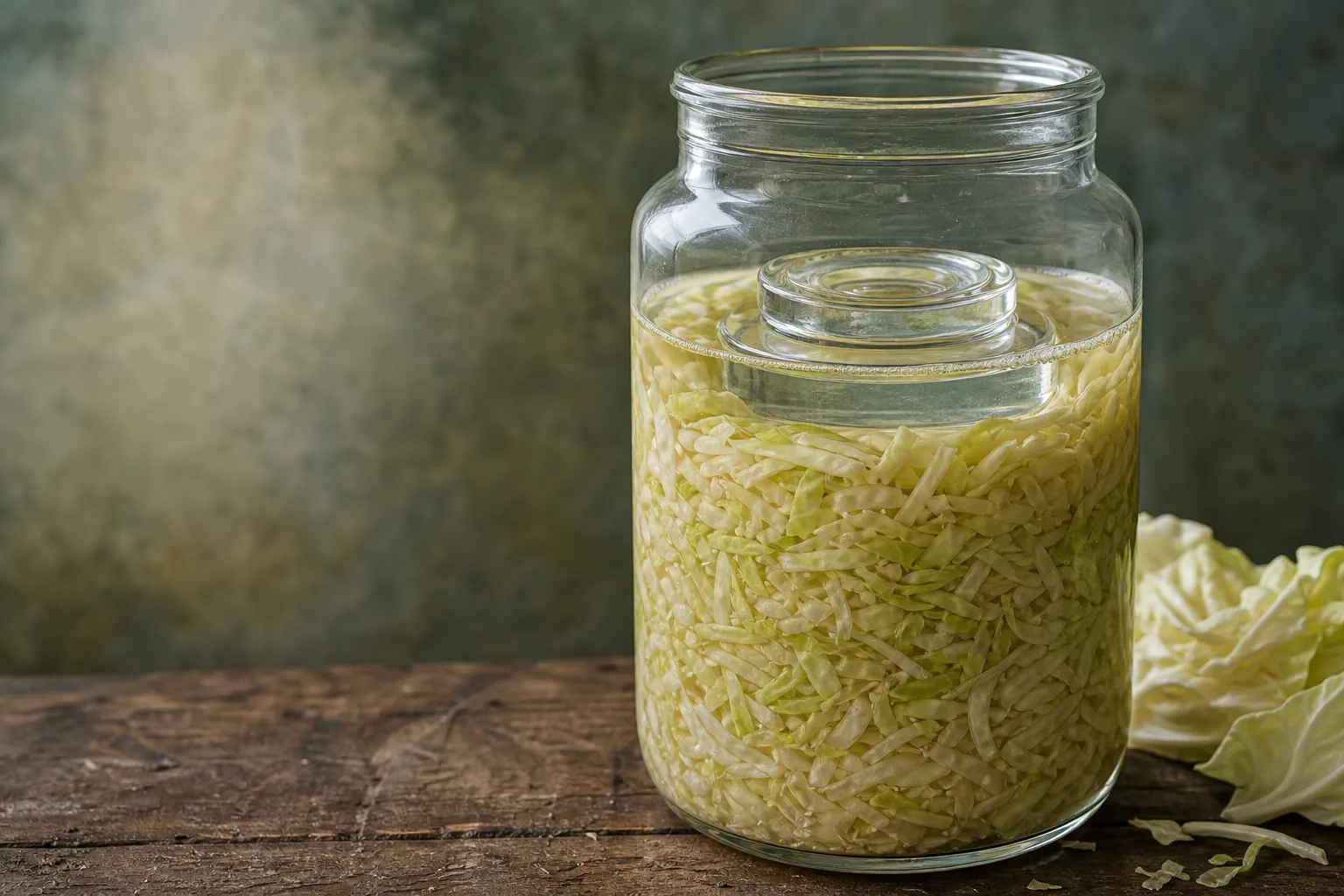
What number matters most in vegetable fermentation?
Salt percentage is the number that matters most for home fermentation: use about 2 percent salt by weight of the prepared vegetables, with 2 to 2.5 percent working for most batches. That concentration draws out moisture, discourages unwanted microbes, and gives lactic-acid bacteria a chance to take over. The rest is patience and keeping vegetables submerged.
That is my position. Recipes love to give you twelve measurements, three special tools, and a story about a grandmother's crock. Fine, but if the salt is wrong, the fancy crock is just an expensive place to make trouble.
The plant database can help you decide what is ready to harvest, but it will not calculate brine for you. Your kitchen scale will.
How do you calculate 2 percent salt for a batch?
Weigh the prepared vegetables after trimming, washing, shredding, or slicing, then multiply that weight by 0.02 to find the salt weight. A 1 kilogram batch needs 20 grams of salt, while 500 grams needs 10 grams. Weighing the produce first is more reliable than measuring spoons because cabbage cuts and salt crystals vary.
Use a scale that reads grams. Put the empty bowl on it, press tare, add the prepared vegetables, and write down the weight. Multiply by two, then move the decimal one place left if you are working in grams: 800 grams of vegetables needs 16 grams of salt.
Choose non-iodized sea salt or kosher salt. The trade-off is simple: crystal size can make spoon measurements inconsistent, so weigh it instead of trusting a tablespoon.
Do not calculate from the whole cabbage, napa head, or cucumber harvest if you discard the core, stems, bruised leaves, or blossom ends. The number belongs to what is actually going into the jar.
How do you make sauerkraut from fall cabbage?
To make sauerkraut, weigh shredded cabbage, add salt equal to 2 percent of that weight, massage it until juice appears, and pack it tightly into a clean jar or crock. Press until the brine rises above the cabbage, add a weight, and ferment it at about 60 to 70 degrees Fahrenheit for 3 to 7 days. Cabbage is dependable, but it can turn soft if left warm too long.
For 1 kilogram of shredded cabbage, use 20 grams of salt. Mix it thoroughly, then wait 10 to 15 minutes before deciding it needs more pressure. The cabbage will begin to look glossy and wet as the salt pulls water from it.
Pack in handfuls and press each layer firmly. Leave enough headspace for bubbling, because a jar filled to the rim is a small sticky volcano. Keep every shred below the brine with a fermentation weight or another food-safe weight.
Cabbage is the best starting crop because it is firm and naturally carries lactic-acid-producing bacteria, according to this fermentation guide. Its honest downside is texture: an overripe head or a warm room can give you soft kraut instead of a crisp bite.
How do you ferment napa cabbage into kimchi?
For kimchi, weigh the prepared napa cabbage and vegetables, use 2 percent salt by weight, massage until the mixture is wet, and pack it tightly below its brine. Ferment the jar at 60 to 70 degrees Fahrenheit for about 5 to 10 days, tasting as it develops, then refrigerate it when the sourness suits you. Kimchi gives you more flavor, but also more places for scraps to sit above the brine.
Remove damaged outer leaves, trim the napa, and weigh the pieces you will actually ferment. If you add carrots, radish, scallions, or other vegetables, include them in the total weight before calculating salt. A 1,200 gram mixture needs 24 grams of salt.
Press the mixture down with clean hands or a tamper, especially around the corners of the jar. The leaves and chopped vegetables need to stay under liquid. A clean weight earns its keep here because folded napa leaves like to float with the confidence of a cat that has found a warm chair.
Napa cabbage makes a softer, more delicate ferment than ordinary green cabbage. That is the trade-off. You get layered texture and seasoning, but it can lose crunch sooner if it sits warm for the full ten days.
How do you make fermented cucumber pickles?
For fermented cucumber pickles, weigh the prepared cucumbers and any other vegetables, calculate 2 percent salt, and keep the produce fully submerged in brine. Ferment at about 60 to 70 degrees Fahrenheit for 5 to 14 days, tasting periodically before moving the jar to the refrigerator. Cucumbers are quick and refreshing, but they lose crunch faster than cabbage.
Choose firm cucumbers without soft spots, trim the blossom ends, and weigh them after preparation. If you have 750 grams of cucumbers, use 15 grams of salt. Add other vegetables to the same batch only after weighing them, because the salt calculation belongs to the full vegetable weight.
Pickles need a weight that holds them below the liquid. A clean stone can work if it is genuinely clean and food-safe, but a purpose-made fermentation weight is easier to inspect and remove. The downside of a stone is that you may not know what it has carried home from the yard. I prefer the weight made for the jar.
The longer pickle window, 5 to 14 days, is useful because cool fall rooms move slowly. Taste after five days, then every day or two. Once the flavor is sour enough, refrigerate it to slow fermentation and protect the texture.
Should you use a jar, crock, or stainless container?
Use a clean glass jar for most first batches, a crock for larger batches, or food-safe stainless steel when you already own it. The jar is inexpensive and easy to watch, the crock holds more produce, and stainless steel is stable with salty brine, but each option has a downside. Container choice affects convenience, not the basic 2 percent salt calculation.
| Fermentation option | Best use | Honest downside |
|---|---|---|
| Glass jar | Small batches of kraut, kimchi, or pickles | Narrow openings make packing and cleaning weights harder |
| Fermentation crock | Larger cabbage batches | Costs more and hides the brine from easy inspection |
| Food-safe stainless container | Durable small or medium batches | Costs more than a jar and still needs a separate way to keep vegetables submerged |
A glass jar lets you see bubbles, rising brine, and floating pieces without opening it. That transparency is worth more than people think. The downside is breakage, especially if a cold jar meets a hot counter or gets knocked around during a busy harvest day.
Crocks are handsome and useful for a serious cabbage harvest, but they are not required. Stainless steel is non-reactive with salty brines and easy to clean, though a stainless crock still does not fix poor salt math, as this overview of stainless fermentation crocks explains.
Where should you ferment vegetables in the fall?
Keep the ferment in a dark, cool place around 60 to 70 degrees Fahrenheit for the first several days, then taste it and refrigerate it when the sourness is right. Kraut commonly takes 3 to 7 days, kimchi 5 to 10 days, and pickles 5 to 14 days. A cooler fall room slows the work, but it also helps preserve crunch.
A pantry shelf away from the stove works better than a sunny windowsill. Sun warms the jar unevenly, and a kitchen that reaches 78 degrees every afternoon will move the ferment faster than the calendar suggests.
Put the jar in a shallow bowl or on a plate. Brine can rise and escape during active fermentation, and cleaning a plate is easier than cleaning the back of a cabinet. Ask yourself where you will remember to taste it without constantly disturbing it. That is the spot.
In Austin, September can still behave like July, so I would not trust the word fall on the calendar. Check the actual room temperature. The cabbage does not care what month it is.
Who is this fermentation method for, and who should ignore it?
This method suits a gardener with fresh cabbage, napa, cucumbers, or mixed vegetables who can weigh produce, keep it under brine, and check a jar for 5 to 14 days. It is not a good fit if you cannot keep the vegetables submerged, cannot refrigerate the finished batch, or want a shelf-stable pantry method instead. This is small-batch fermentation, not magic storage.
It works especially well for a fall harvest that arrives all at once. You can ferment 500 grams in a jar rather than pretending you need a ten-gallon crock and a heroic amount of cabbage. Small batches let you adjust sourness and texture before committing your whole garden.
Ignore the method if you are unwilling to weigh the vegetables. Measuring salt by spoon is the popular shortcut, and it fails because kosher salt, sea salt, and table salt do not occupy a spoon the same way. The scale costs less than a failed harvest.
If you want a design for where to grow cabbage, herbs, and cucumbers next season, you can get a concept for your yard. Build the garden around the harvest you will actually use, not the one that looks impressive in a seed catalog.
What should you do with the jar today?
Harvest firm vegetables, trim them, weigh the prepared amount, and calculate 2 percent salt before you add anything else. Massage salted cabbage or napa until juice appears, pack every vegetable under brine, add a weight, and place the container in a dark room at 60 to 70 degrees Fahrenheit. Start tasting after three to five days, depending on the vegetable.
For a quick fall batch, shred 1 kilogram of cabbage and mix in 20 grams of salt. For kimchi, weigh the whole prepared mixture, not just the napa. For pickles, trim the cucumbers first, because the part you throw away should not influence the salt calculation.
You do not need to buy a special starter, a complicated kit, or a dozen seasonings. Flavor additions are welcome, but they do not replace salt math or submersion. The process is wonderfully plain once you stop treating it like a laboratory costume party.
Taste with a clean utensil. If the sourness is where you want it, move the closed jar to the refrigerator and let the cold slow the fermentation while preserving flavor and crunch.
What are the most common questions about kraut, kimchi, and pickles?
These answers cover the measurements and timing that matter for a first fall batch. The short version stays the same: calculate salt from the prepared vegetable weight, keep everything below brine, and use temperature and tasting to decide when the ferment is ready. Fancy equipment can help, but it cannot rescue bad salt math.
How much salt do I need for 1 kilogram of vegetables?
Use 20 grams of salt for 1 kilogram of prepared vegetables, which is 2 percent by weight. Weigh the cabbage, napa, cucumbers, or mixed vegetables after trimming and slicing, then calculate the salt from that final amount. This method is more dependable than spoon measurements because salt crystal sizes vary.
Can I use the same salt percentage for kraut, kimchi, and pickles?
Yes, about 2 percent salt by weight works for most home batches of kraut, kimchi, and vegetable pickles. The vegetables and flavors change, but the core calculation stays the same. Use 2 to 2.5 percent if that suits your batch, then keep the produce submerged and taste as fermentation develops.
How long should I ferment sauerkraut, kimchi, and pickles?
Ferment sauerkraut for about 3 to 7 days, kimchi for about 5 to 10 days, and cucumber pickles for about 5 to 14 days at roughly 60 to 70 degrees Fahrenheit. Taste periodically because room temperature and personal preference change the finish. Refrigerate the jar once the sourness is right.
Do fermented vegetables need to stay under the brine?
Yes, keep the vegetables under the brine with a fermentation weight, clean food-safe weight, or another suitable method. Submersion helps the salted vegetables ferment in their liquid instead of sitting exposed above it. Press the mixture down firmly, check the jar during fermentation, and remove any pieces that rise above the brine.
Can I ferment vegetables without a kitchen scale?
You can, but I would not recommend it because salt measured by spoons varies with the type and crystal size. Weighing prepared vegetables and salt gives you a repeatable 2 percent concentration. A basic gram scale is cheaper than repeatedly losing cabbage, napa, or cucumbers to batches that never develop the flavor you wanted.
When should I move a vegetable ferment to the refrigerator?
Move the ferment to the refrigerator when it tastes sour enough for you, usually after 3 to 7 days for kraut, 5 to 10 days for kimchi, or 5 to 14 days for pickles. Refrigeration slows further fermentation and helps preserve flavor and crunch. Keep the vegetables under brine after chilling them.
Want a plan for your own yard?
Tell us the space and we will put a planting plan together for it. Start at get my concept, or browse what actually grows where you are over on plants.
Frequently asked questions
How much salt do I need for 1 kilogram of vegetables?
Use 20 grams of salt for 1 kilogram of prepared vegetables, which is 2 percent by weight. Weigh the cabbage, napa, cucumbers, or mixed vegetables after trimming and slicing, then calculate the salt from that final amount. This method is more dependable than spoon measurements because salt crystal sizes vary.
Can I use the same salt percentage for kraut, kimchi, and pickles?
Yes, about 2 percent salt by weight works for most home batches of kraut, kimchi, and vegetable pickles. The vegetables and flavors change, but the core calculation stays the same. Use 2 to 2.5 percent if that suits your batch, then keep the produce submerged and taste as fermentation develops.
How long should I ferment sauerkraut, kimchi, and pickles?
Ferment sauerkraut for about 3 to 7 days, kimchi for about 5 to 10 days, and cucumber pickles for about 5 to 14 days at roughly 60 to 70 degrees Fahrenheit. Taste periodically because room temperature and personal preference change the finish. Refrigerate the jar once the sourness is right.
Do fermented vegetables need to stay under the brine?
Yes, keep the vegetables under the brine with a fermentation weight, clean food-safe weight, or another suitable method. Submersion helps the salted vegetables ferment in their liquid instead of sitting exposed above it. Press the mixture down firmly, check the jar during fermentation, and remove any pieces that rise above the brine.
Can I ferment vegetables without a kitchen scale?
You can, but I would not recommend it because salt measured by spoons varies with the type and crystal size. Weighing prepared vegetables and salt gives you a repeatable 2 percent concentration. A basic gram scale is cheaper than repeatedly losing cabbage, napa, or cucumbers to batches that never develop the flavor you wanted.
When should I move a vegetable ferment to the refrigerator?
Move the ferment to the refrigerator when it tastes sour enough for you, usually after 3 to 7 days for kraut, 5 to 10 days for kimchi, or 5 to 14 days for pickles. Refrigeration slows further fermentation and helps preserve flavor and crunch. Keep the vegetables under brine after chilling them.
Free, no obligation
Ready to design your dream landscape? Start here.
Tell us where you are and we will start a free profile for you, with plants that actually survive your climate and a real sense of what the build would cost.