
What Does the Research Say About Biodynamic Versus Organic Gardening?
Biodynamic and organic gardens can build healthy soil, but the strongest evidence points to the farming practices, not the highly diluted biodynamic preparations. Here is what the research means for your garden this fall.
September 30, 2026
By Valeria Navarro
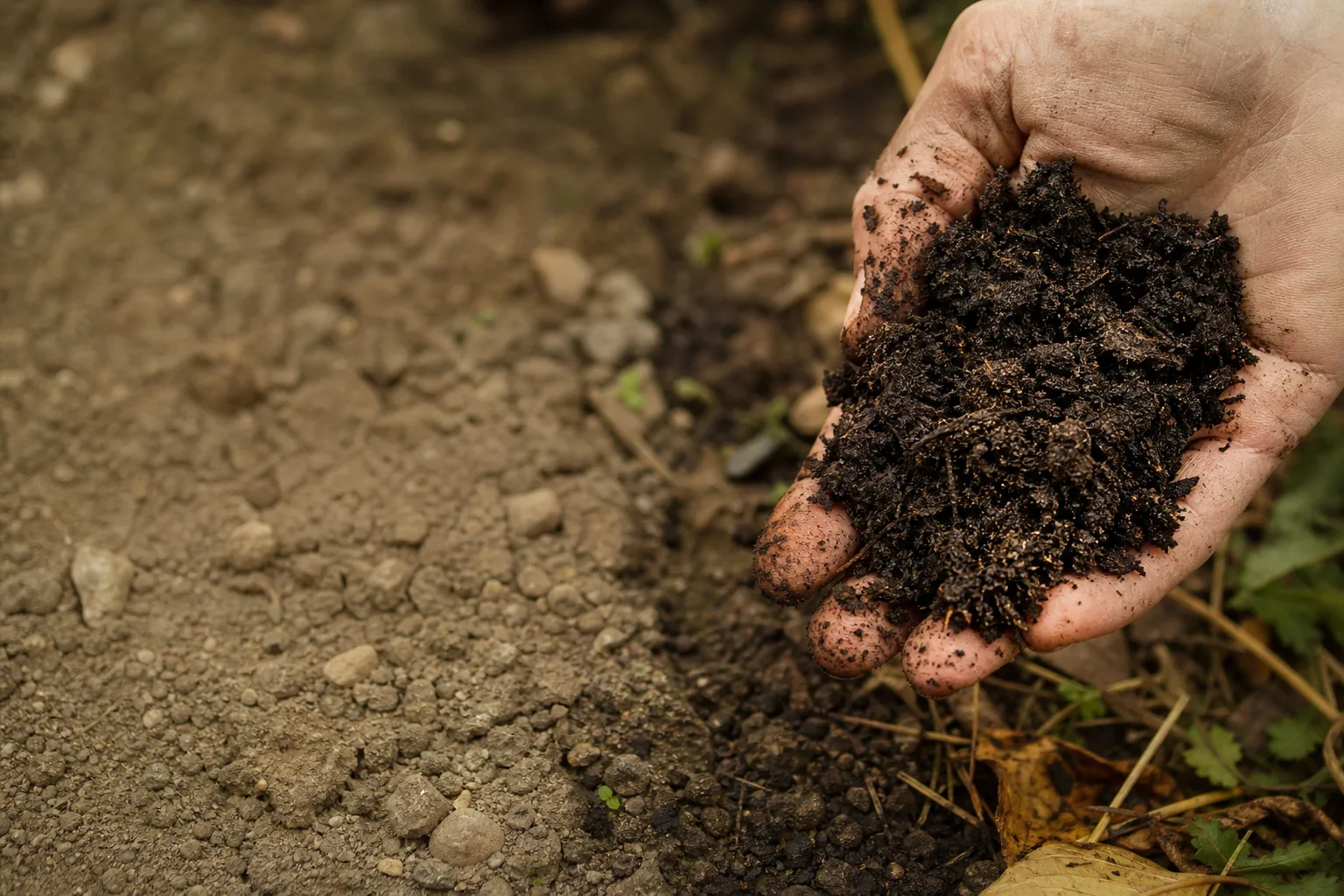
Biodynamic and organic systems can both build healthy soil, but I would spend your fall money on compost, cover crops, and protecting the soil from compaction before buying biodynamic preparations. The soil benefits are real; crediting those benefits specifically to the highly diluted preparations remains contested, and the strongest peer-reviewed review found little measurable effect beyond organic management.
Is biodynamic gardening better than organic gardening?
Biodynamic gardening may produce soil with stable organic matter, deeper roots, more earthworms, and greater microbial diversity, but that does not prove the preparations caused those results. Long-term comparisons show biodynamic systems can match or modestly exceed organic systems, while peer-reviewed research finds little evidence that the preparations themselves improve soil, yields, microbes, or pest control.
The distinction matters. A Demeter farm is not simply an organic farm with a mysterious sprinkle added at the end. It may use a whole management system that includes compost, rotations, reduced chemical inputs, and careful soil care, so the result reflects many decisions at once.
The Sustainable Food Trust reports that the long-term FiBL DOK trial found soil organic matter remained stable in the biodynamic system for the first 21 years while it declined in organic and conventional plots. That is a meaningful result. It is not a clean laboratory test of one preparation.
My position is plain: choose organic soil-building as your foundation. Treat biodynamic preparations as optional experiments, not as the part that makes the garden work.
What do the long-term soil trials actually show?
The long-term trials show that biodynamic management can support stable soil organic matter and that Demeter soils have sometimes shown deeper roots, more earthworms, and more microorganisms than nearby organic soils. They do not isolate every cause, so they cannot show that a diluted preparation alone created those differences.
That is the first thing I want you to hold onto. A healthy soil result deserves respect even if the explanation is still under debate. The FiBL comparison included biodynamic, organic, and conventional systems, which makes it useful for judging whole systems, not for awarding a trophy to one bottle.
The Guide to Biodynamic Farming summarizes observations of deeper plant roots, more earthworms, and more microorganisms in Demeter soil than in organic soil. Those are valuable outcomes. They also arrive bundled with the broader management system, and that bundle is the part a home gardener can copy most confidently.
Here in Austin, I care about soil structure because Blackland Prairie clay can crack open by August, then hold water when a cold February arrives. The soil work is not glamorous. It is still the work that keeps roots alive.
Do biodynamic preparations improve soil health?
Current peer-reviewed evidence does not clearly show that biodynamic preparations improve soil health beyond standard organic practices. A 2013 literature review found little evidence that the preparations improve soils, microbial activity, crop quality, yields, pest control, or pathogen control, and other researchers have stated that no evidence exists for improved soil life from the homeopathic doses.
The review in HortTechnology is the source I would hand to a reader who wants the scientific argument, not a sales pitch. It says the preparations contain extremely low concentrations of nutrients and that the evidence does not show a reliable benefit beyond organic methods.
Biodynamic organizations make a different claim. The Demeter explanation of biodynamic preparations says the preparations can stabilize nutrients, multiply microbial diversity, and strengthen compost quality. That is the claimed mechanism, not settled proof. Those statements sit beside a research record that remains limited.
So yes, you can use them. No, I would not tell a new gardener they are necessary. Your tomatoes will not know whether you skipped a preparation if the soil is compacted, dry, and bare.
What should you add to the garden this fall?
This fall, add mature compost or well-rotted manure, keep living roots in the soil with a suitable cover crop, and avoid walking on wet beds. Those practices have stronger practical support than relying on biodynamic preparations, and they address the soil conditions a home garden can actually change before spring planting.
Use compost that smells earthy and has no obvious hot, fresh material. Compost improves the organic matter supply, but it takes labor, hauling, and space, and unfinished compost can tie up attention while it finishes breaking down. Spread a thin, even layer rather than making a rich mound against plant stems.
Well-rotted manure can add organic matter, but its quality varies and it can bring weed seeds or excess salts if it is not finished. I use it as an amendment, not as a magic reset button. If you cannot identify how it was stored, compost is the less surprising choice.
Cover cropping keeps roots present, but it needs water and a timely finish. In a small Austin bed, a cover crop can become another chore by late winter, especially if you are already juggling vegetables. Plant only an area you can cut down before spring planting takes over.
Are biodynamic preparations worth trying in a home garden?
Biodynamic preparations are worth trying only if you are curious, enjoy the process, and can afford the time and materials without reducing your basic soil care. They are not worth buying as a substitute for compost, reduced compaction, cover crops, or practices that support earthworms, because research has not established a dependable extra benefit.
The preparations are highly diluted and may involve careful stirring, timing, and application. The Biodynamic Association describes horn manure, horn silica, and compost preparations made with several herbs. That ritual may be meaningful to you. Its meaning is not the same thing as a measured soil improvement.
Horn manure and horn silica add complexity, time, and cost, and their specific effects remain difficult to separate from the rest of biodynamic management. Compost preparations may make your compost routine feel more intentional, but they still require decent feedstock, moisture, oxygen, and time. The preparation cannot rescue a neglected pile.
I have killed enough basil to stop confusing effort with evidence. If trying a preparation makes you observe the garden more carefully, fine. Just leave one bed untreated so you can compare it honestly, and keep your compost and soil protection work consistent across both beds.
Who is biodynamic gardening for, and who should skip it?
Biodynamic gardening suits a gardener who enjoys hands-on seasonal routines, has enough space for a fair comparison, and accepts that the preparations are optional and scientifically contested. Skip it if you need a low-cost soil plan, have a small rental bed, face water limits, or are hoping one product will repair compacted or depleted ground.
This is not a personality test. It is a situation test. A homeowner with three raised beds may enjoy a small preparation experiment, but the gardener with one dry vegetable strip needs reliable organic matter and careful watering first.
A biodynamic system also asks for consistency. If one bed receives compost, less foot traffic, and more water, while the other receives a preparation and poor care, the comparison tells you nothing. Keep the variables boring. Boring is how gardens teach you.
For a smaller planting area, start with the plant database to choose plants that match your fall light, soil, and water limits. A well-matched plant costs less water and fewer replacement trips than a diva planted in the wrong place.
Which soil-building choice should you make this fall?
Choose compost or well-rotted manure first, protect the bed from compaction second, and use a cover crop only where you can manage it through late winter. Add biodynamic preparations only after those basics are in place, because the evidence for their extra effect is weak while the ordinary soil practices have clear, practical value.
| Choice | Best use | Honest downside |
|---|---|---|
| Mature compost | Adding organic matter to established beds | It costs money or labor, and immature material can cause problems |
| Well-rotted manure | Increasing organic matter when the source is trustworthy | Quality, salts, and weed seeds can vary |
| Cover crop | Keeping roots and organic matter in the soil between crops | It needs water and must be cut down before spring planting |
| Biodynamic preparations | A personal, hands-on experiment within a broader soil system | Research has not shown a dependable benefit beyond organic practices |
Everyone says a special input will make the soil come alive. In practice, soil improves through repeated care: organic matter, roots, less compaction, and time. The glamour is in the label. The results usually come from the shovel work.
If you want a quick layout for fall beds, use get a concept for your yard after you decide where water, paths, and planting space really are. Diego and I disagree about gravel more than any married people should, but we agree that a path is better than stepping into a wet bed.
What are the most common questions about biodynamic and organic gardening?
The short answers below separate the measured soil benefits from the disputed explanation. Read them as practical decisions for a garden you are standing in now, not as a verdict on anyone’s farming tradition.
Is biodynamic soil healthier than organic soil?
Biodynamic soil can show stable organic matter, deeper roots, more earthworms, and greater microbial diversity than organic soil in some long-term observations, but those results reflect whole-system management. They do not prove that biodynamic preparations alone made the soil healthier, so organic soil-building remains the more reliable home-garden foundation.
Do biodynamic preparations improve soil microbes?
Peer-reviewed research has found little evidence that biodynamic preparations improve microbial activity or diversity beyond standard organic practices. Biodynamic groups claim that preparations multiply microbial diversity, but the scientific evidence remains limited, so compost, living roots, reduced compaction, and earthworm-friendly care should come first.
Should I use biodynamic preparations in my fall garden?
Use biodynamic preparations in a fall garden only as an optional experiment after adding compost, protecting the soil from compaction, and planning manageable cover crops. They may be meaningful to you, but research has not established a dependable extra benefit, and they should not replace proven organic soil-building work.
What is the strongest evidence for biodynamic farming?
The strongest evidence is from long-term whole-system trials, including the FiBL DOK comparison, where soil organic matter in the biodynamic system stayed stable for the first 21 years while it declined in organic and conventional plots. That supports biodynamic management as a system, not a guaranteed effect from each preparation.
Can organic gardening provide the same soil benefits?
Organic gardening can provide the same essential soil-building benefits when it regularly adds compost or well-rotted manure, keeps roots present, reduces compaction, and supports earthworms. Biodynamic systems may show modestly better results in some observations, but the evidence does not show that home gardeners need preparations to build biologically active soil.
What should I spend money on before buying biodynamic products?
Spend money first on mature compost, trustworthy well-rotted manure, tools that prevent bed compaction, and plants suited to your water and light conditions. Those purchases address the main soil needs directly, while biodynamic products add cost and labor without a clearly demonstrated benefit beyond solid organic management.
My answer stays the same in November as it does in spring: feed the soil, keep it covered when practical, and let curiosity be optional rather than expensive. That is not dismissive. It is simply giving your garden the strongest evidence first.
Want a plan for your own yard?
Tell us the space and we will put a planting plan together for it. Start at get my concept, or browse what actually grows where you are over on plants.
Frequently asked questions
Is biodynamic soil healthier than organic soil?
Biodynamic soil can show stable organic matter, deeper roots, more earthworms, and greater microbial diversity than organic soil in some long-term observations, but those results reflect whole-system management. They do not prove that biodynamic preparations alone made the soil healthier, so organic soil-building remains the more reliable home-garden foundation.
Do biodynamic preparations improve soil microbes?
Peer-reviewed research has found little evidence that biodynamic preparations improve microbial activity or diversity beyond standard organic practices. Biodynamic groups claim that preparations multiply microbial diversity, but the scientific evidence remains limited, so compost, living roots, reduced compaction, and earthworm-friendly care should come first.
Should I use biodynamic preparations in my fall garden?
Use biodynamic preparations in a fall garden only as an optional experiment after adding compost, protecting the soil from compaction, and planning manageable cover crops. They may be meaningful to you, but research has not established a dependable extra benefit, and they should not replace proven organic soil-building work.
What is the strongest evidence for biodynamic farming?
The strongest evidence is from long-term whole-system trials, including the FiBL DOK comparison, where soil organic matter in the biodynamic system stayed stable for the first 21 years while it declined in organic and conventional plots. That supports biodynamic management as a system, not a guaranteed effect from each preparation.
Can organic gardening provide the same soil benefits?
Organic gardening can provide the same essential soil-building benefits when it regularly adds compost or well-rotted manure, keeps roots present, reduces compaction, and supports earthworms. Biodynamic systems may show modestly better results in some observations, but the evidence does not show that home gardeners need preparations to build biologically active soil.
What should I spend money on before buying biodynamic products?
Spend money first on mature compost, trustworthy well-rotted manure, tools that prevent bed compaction, and plants suited to your water and light conditions. Those purchases address the main soil needs directly, while biodynamic products add cost and labor without a clearly demonstrated benefit beyond solid organic management.
Free, no obligation
Ready to design your dream landscape? Start here.
Tell us where you are and we will start a free profile for you, with plants that actually survive your climate and a real sense of what the build would cost.