
Why Fall Cleanup Can Backfire on Beneficial Insects
A spotless fall garden can remove the very shelter that native bees, lady beetles, lacewings, hover flies and predatory wasps need to survive winter. Here is what to leave, what to cut, and how to tidy an Austin garden without throwing away next year’s pest control.
September 18, 2026
By Valeria Navarro
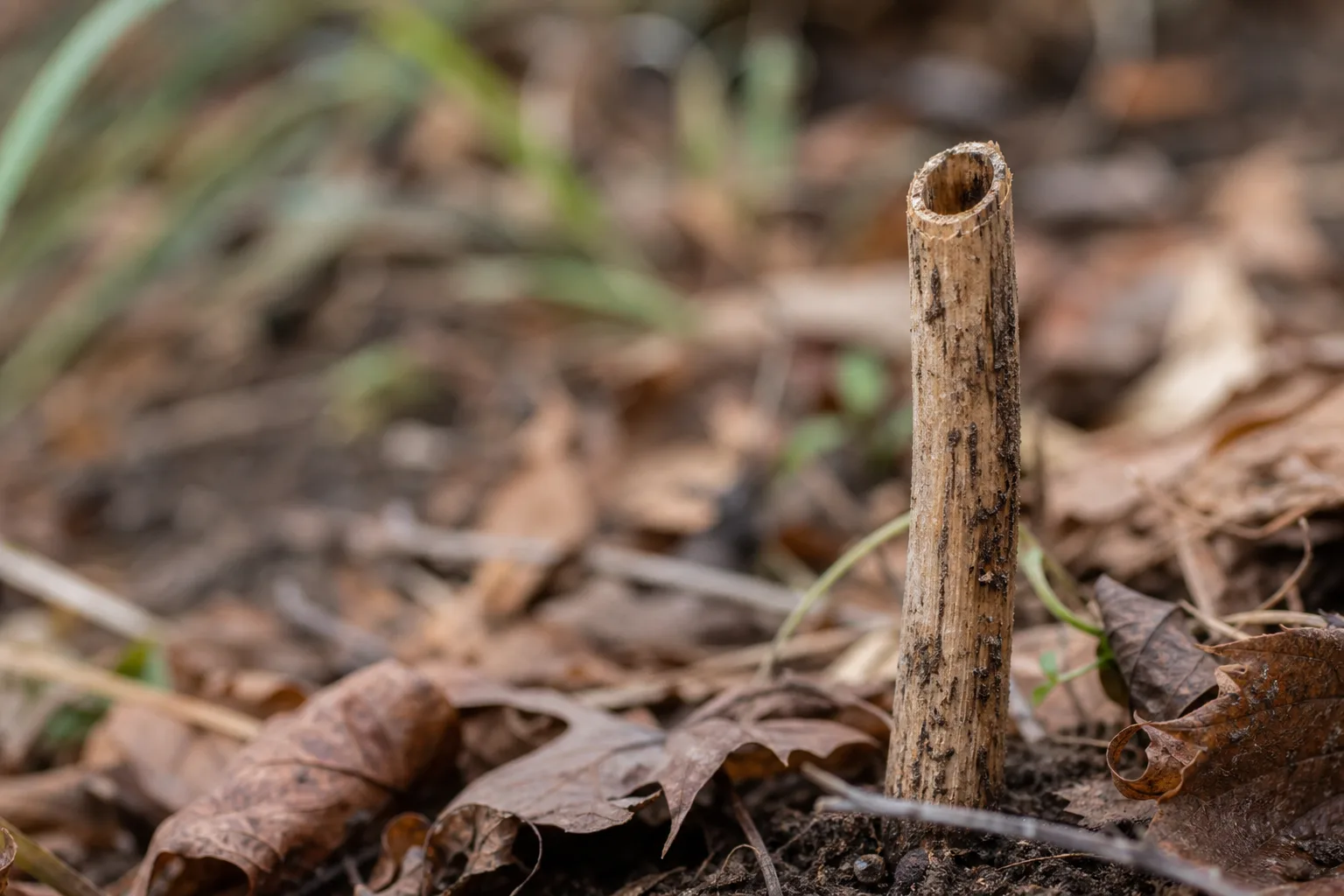
A spotless fall garden can remove the very shelter that native bees, lady beetles, lacewings, hover flies and predatory wasps need to survive winter. Leave hollow stems, standing seed heads and a modest layer of fallen leaves through winter, then clean up gradually in spring instead of stripping the beds in October.
Should you clean up your garden in fall?
You should not fully clean up your garden in fall because hollow stems and leaf litter are winter shelter for next year’s beneficial insects. Leave sturdy dried stalks, seed heads and a modest leaf layer in the beds, while removing diseased material, trash and debris that blocks paths or holds against the house.
Everyone says fall means cut, rake and haul. In practice, that neat finish can remove native bee nesting sites and the leaf cover that protects insects and soil through winter. UC Davis explains that hollow stems are nesting sites and recommends keeping them until spring. Read their guidance on leaving leaves.
I am not asking you to keep a jungle beside your back door. Clear the walkway. Pull out tomato vines that are diseased. Move wet leaves away from wooden siding. The garden bed itself can look a little sleepy and still be doing excellent work.
In my Austin yard, October cleanup is deliberately partial. I cut nothing just because it looks brown. Brown is not dead space. Sometimes it is a tiny room with a bee inside.
Where do beneficial insects spend the winter?
Beneficial insects spend winter in hollow flower stems, fallen leaves, soil surface debris and small protected piles of plant material. Native solitary bees use hollow stalks, while lady beetles, lacewings, hover fly larvae, predatory wasps and ground dwelling beetles use leaf litter or sheltered spaces near the soil.
Yarrow, coneflower and goldenrod can all provide useful standing stems and seed heads, according to the fall garden guidance from the Charlotte Observer. Yarrow is tough and valuable, but it can spread farther than you planned. Coneflower feeds birds with its seed heads, but its stalks look untidy until spring. Goldenrod supports habitat, but some varieties become tall and floppy.
The point is not that every insect lives in every stem. The point is that you cannot see which stems are occupied, so cutting all of them is a blunt instrument. Leave several sturdy patches rather than trying to curate every stalk.
A leaf is not garden trash just because it fell. It can insulate perennial crowns, protect soil and provide cover for insects, as the City of Toronto explains. That matters even more in a Central Texas winter that can swing from mild to dangerous fast.
Which flower stems should you leave until spring?
Leave hollow, sturdy stems and dried seed heads from yarrow, coneflower, goldenrod and other native perennials until spring. Keep stems standing at their natural height when they are stable, but remove weak stalks that collapse onto paths, trap water against crowns or create a hazard near doors and steps.
Look closely before cutting. A stem with a clean round opening may be an old nesting tunnel, while a thick stalk can hold shelter inside even when the outside looks empty. Do not split stems open to inspect them. That defeats the whole exercise.
Leave groups, not one lonely stalk. Three to five patches scattered through a bed create more useful shelter than one dramatic bundle tied tightly in a corner. Tight bundles can stay wet inside, especially during a long rainy spell.
Yarrow costs you a little space and a little patience. Coneflower costs you a winter view that looks less polished. Goldenrod costs you room if it is an aggressive spreader. I accept those costs because spring cleanup is cheaper than replacing a lively insect community with store bought pest control.
How many leaves should you leave in the garden?
Leave a modest layer of shredded leaves or whole leaves around garden beds, usually about 2 to 3 inches, while keeping thick wet mats off plant crowns and drainage areas. Leaves protect soil and perennial plants, add cover for insects and reduce exposed ground, but too much moisture against stems can cause rot.
Start in October by moving leaves off the porch, drains and foundation. Then rake or blow them gently into beds instead of hauling every leaf to the curb. Shredded leaves settle more evenly, while whole leaves create better cover but can mat after rain.
Do not grind the garden floor bare. In Austin, thin soil over limestone and clay that seals hard in dry weather need protection from temperature swings. Leaves are not a magic soil amendment, and they will not fix compacted clay in one season, but leaving some cover is still better than baking the surface open.
If leaves pile more than 3 inches deep over a small perennial, pull some aside and use them in a loose pile nearby. Keep the pile low enough that it does not stay sour and airless. A leaf pile is habitat, not a compost recipe you have forgotten for six months.
Is aggressive fall raking bad for beneficial insects?
Aggressive fall raking can be bad for beneficial insects because it scatters or removes the leaf litter where they shelter during winter. Rake only where you need a clear surface, move leaves gently into nearby beds or small piles, and leave undisturbed cover around established perennials.
Use a leaf rake lightly across paths and lawn edges. Avoid dragging a metal rake repeatedly through the same bed. That motion tears apart stems, exposes soil and distributes whatever was tucked beneath the litter before you even know it was there.
Create two or three small leaf piles in sunny corners if your beds cannot hold all the leaves. Add a few loose twigs, but do not build a tall brush tower beside the house. The trade off is visual looseness, and the reward is protected ground for beetles and wasps.
My rule is simple: tidy the places people walk, not every inch where an insect might sleep. If a leaf pile touches a path, I move it 12 inches. I do not send it away.
Who should leave fall habitat, and who should ignore this advice?
This approach suits homeowners with perennial beds, native plantings, pollinator borders and enough room to leave small patches undisturbed from October through early spring. Ignore it where debris creates a fire risk, blocks drainage, touches a building, carries confirmed disease or makes a required accessible path unsafe.
A tidy courtyard can still participate. Leave three stems in a large pot, add a thin leaf layer to a planter, or keep one protected corner untouched. Container plants dry and freeze faster, so avoid packing wet leaves against a crown or drainage hole.
A heavily diseased bed is different. If foliage has a known disease problem, remove it according to local disposal guidance rather than spreading it through mulch. I would rather lose one patch of decorative debris than carry a recurring problem into next spring.
If deer already treat your beds like a buffet, habitat alone will not solve that pressure. Protect the plants you want to keep, and choose additions through the plant database, where you can compare plants before giving a hungry deer another invitation.
When should you cut back stems and woody plants?
Cut back sturdy herbaceous stems in spring after winter shelter is no longer needed, and wait until after the first hard frost to trim woody plants. In a fall garden, delay routine cutting through November whenever stems are stable, then work in stages rather than removing every protective stalk on one warm afternoon.
The first hard frost is a useful line because it ends active growth for many plants, but it is not a signal to erase the bed. Woody plants can benefit from later pruning decisions, and standing stems still hold habitat after a frost.
In Austin, February can still bring the kind of freeze people measure gardens against, so a December cleanup can be premature. Leave the protective debris in place through the coldest part of winter, then begin cutting in late winter or early spring when new growth makes the timing clearer.
Cut stems high first, around 12 inches above the soil, and lower them later if you need to. That staged method leaves shelter in place longer. It also gives you a chance to notice new shoots before your pruners get enthusiastic.
What should you do in the garden today?
Today, remove diseased foliage, clear drains and paths, move wet leaves away from structures, and mark the stems you will leave until spring. Then place remaining leaves in a loose 2 to 3 inch layer, add one small sunny leaf pile, and stop cleaning once the garden is safe and functional.
Walk the bed once without tools. Look for hollow stems, seed heads and dry leaves tucked around crowns. Take a phone photo if you need a reminder in February, because winter gardens make every decision look more obvious after the fact.
Here is the quick choice chart I use with homeowners:
| Fall task | What I would do | Honest downside |
|---|---|---|
| Cut every perennial to the ground | Skip it until spring | The bed looks less formal for several months |
| Leave hollow stems and seed heads | Keep sturdy groups standing | Some stems flop or collect rain |
| Rake every leaf away | Rake only paths and drains | The beds keep a loose, unfinished look |
| Leave a 2 to 3 inch leaf layer | Use leaves as bed cover | Wet mats can smother small crowns |
| Build a small leaf or brush pile | Use a sunny corner away from structures | It needs occasional reshaping |
You can also sketch the bed before the weather turns. Note where the stems are, where the leaves collect and which areas stay wet. If you want help with the larger layout, use the free tool to get a concept for your yard, then keep habitat zones in the plan instead of treating them as leftovers.
What are the most common questions about overwintering habitat?
The short answers below cover the decisions homeowners face in October and November: what to leave, what to remove, how much leaf cover to use and when to cut. Each answer starts with the practical choice, because you are standing in the garden with a rake in your hand, not attending a lecture about insects.
Should I remove all fallen leaves from my flower beds?
No, you should not remove all fallen leaves from flower beds because leaf litter shelters beneficial insects, insulates perennial plants and protects soil. Leave about 2 to 3 inches in the bed, move leaves off crowns and drains, and create a small loose pile elsewhere if the layer becomes thick or wet.
Can hollow flower stems really help native bees overwinter?
Yes, hollow flower stems can help native bees overwinter because many insects use them as nesting or winter shelter. Leave sturdy dried stalks from plants such as yarrow and coneflower until spring, and do not split or bundle them tightly because disturbance and trapped moisture reduce their value.
When should I cut back dried perennials?
Cut back dried perennials in late winter or early spring, after the coldest part of winter has passed and new growth begins to show. Leaving sturdy stems through fall and winter protects overwintering insects, even though the bed looks less polished than a fully cut garden.
Are small leaf piles useful for beneficial insects?
Yes, small leaf piles are useful for beneficial insects because they create protected ground cover for beetles, wasps and other garden allies. Put two or three loose piles in sunny corners away from buildings and paths, and reshape them if wind scatters the leaves without compacting them into a wet mat.
Should I leave diseased plant material in place for habitat?
No, you should remove confirmed diseased plant material rather than leaving it for habitat, because spreading that debris can carry problems into the next season. Keep healthy stems and leaves in the garden, but separate diseased foliage, blocked drains, unsafe debris and material touching the house.
Is a messy winter garden better than a tidy one?
A partly messy winter garden is better for beneficial insects than a completely tidy one, but it still needs safe paths, clear drains and dry space around buildings. Leave habitat in the beds, tidy the places people use, and accept a few brown stems as the winter rent for spring pest control.
Want a plan for your own yard?
Tell us the space and we will put a planting plan together for it. Start at get my concept, or browse what actually grows where you are over on plants.
Frequently asked questions
Should I remove all fallen leaves from my flower beds?
No, you should not remove all fallen leaves from flower beds because leaf litter shelters beneficial insects, insulates perennial plants and protects soil. Leave about 2 to 3 inches in the bed, move leaves off crowns and drains, and create a small loose pile elsewhere if the layer becomes thick or wet.
Can hollow flower stems really help native bees overwinter?
Yes, hollow flower stems can help native bees overwinter because many insects use them as nesting or winter shelter. Leave sturdy dried stalks from plants such as yarrow and coneflower until spring, and do not split or bundle them tightly because disturbance and trapped moisture reduce their value.
When should I cut back dried perennials?
Cut back dried perennials in late winter or early spring, after the coldest part of winter has passed and new growth begins to show. Leaving sturdy stems through fall and winter protects overwintering insects, even though the bed looks less polished than a fully cut garden.
Are small leaf piles useful for beneficial insects?
Yes, small leaf piles are useful for beneficial insects because they create protected ground cover for beetles, wasps and other garden allies. Put two or three loose piles in sunny corners away from buildings and paths, and reshape them if wind scatters the leaves without compacting them into a wet mat.
Should I leave diseased plant material in place for habitat?
No, you should remove confirmed diseased plant material rather than leaving it for habitat, because spreading that debris can carry problems into the next season. Keep healthy stems and leaves in the garden, but separate diseased foliage, blocked drains, unsafe debris and material touching the house.
Is a messy winter garden better than a tidy one?
A partly messy winter garden is better for beneficial insects than a completely tidy one, but it still needs safe paths, clear drains and dry space around buildings. Leave habitat in the beds, tidy the places people use, and accept a few brown stems as the winter rent for spring pest control.
Free, no obligation
Ready to design your dream landscape? Start here.
Tell us where you are and we will start a free profile for you, with plants that actually survive your climate and a real sense of what the build would cost.