
How Do You Overwinter Tender Plants and Tropicals Indoors?
Bring tender plants inside before cool nights do real damage, then treat quarantine, light and expected leaf drop as the whole winter plan. Here is the fall checklist I use for tropicals, hibiscus, elephant ears and other plants that are not built for a Central Texas cold snap.
September 21, 2026
By Diego Navarro
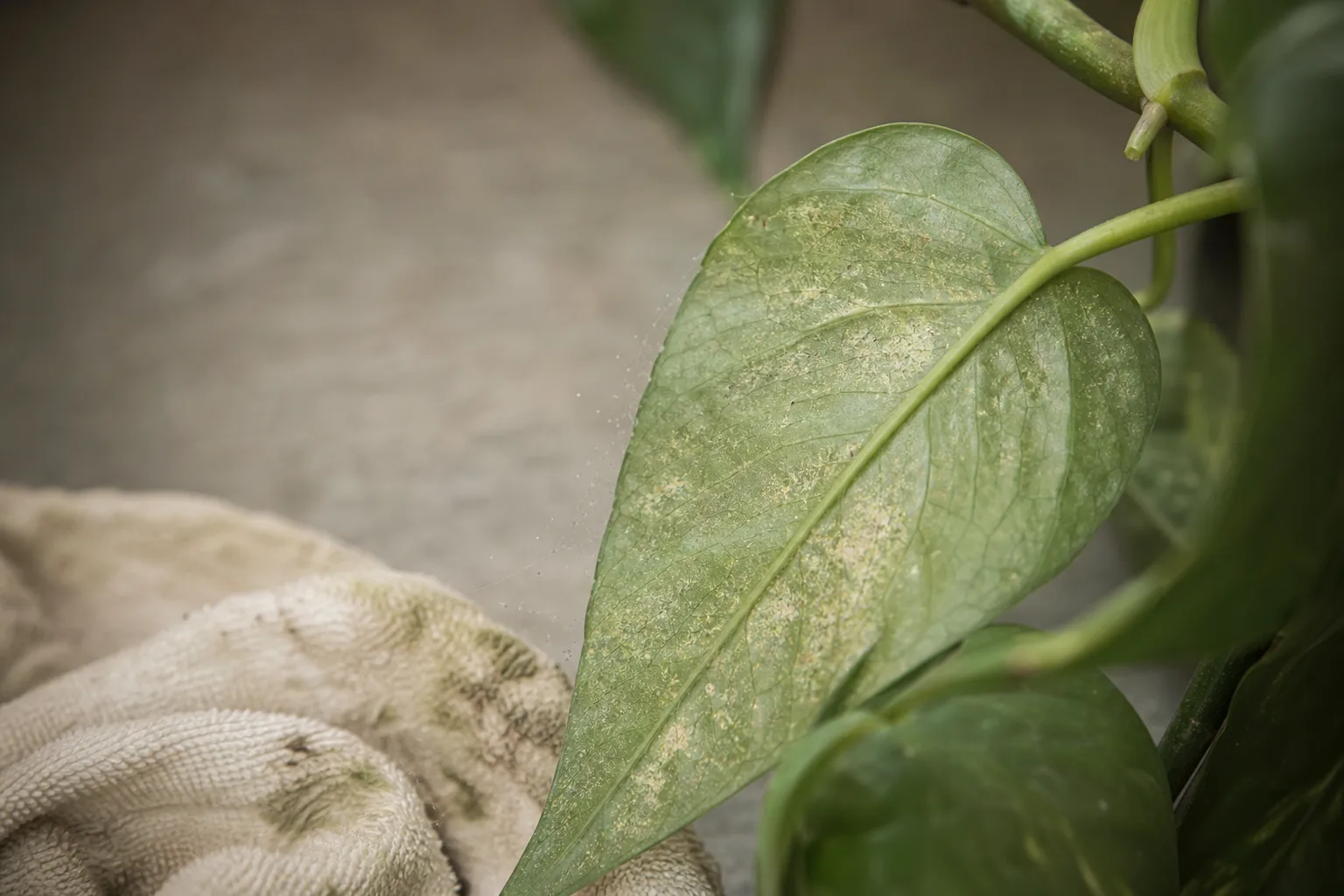
Bring tender plants and tropicals indoors before nighttime temperatures consistently fall below 50°F, ideally in the low 50s, and quarantine them away from houseplants for four weeks. Give them either a cool, low-light rest at 40° to 50°F or supplemental light for 12 to 14 hours, reduce watering, stop fertilizer and expect some yellow leaves to drop.
When should you bring tender plants indoors for winter?
Bring tender plants indoors when nighttime temperatures reach the low 50s and before they consistently fall below 50°F. Container roots are more exposed than roots in the ground, so a potted tropical needs to come inside sooner, not after the first cold snap has already damaged its leaves. Garden Design gives the same 50° to 55°F general rule.
For a fall job in Austin, I start watching the forecast in October. If the next seven nights are hovering at 51°F, I am not waiting for a heroic 48°F night to make the decision. Central Texas can give you a warm afternoon and then a cold north wind before breakfast. The plant does not admire the drama.
Tropical hibiscus is a useful warning plant. Many varieties begin declining once nighttime lows consistently fall below 50°F, with leaf drop and failed blooming arriving before worse damage in the mid-30s, according to Ohio Tropics. A slightly cold-tolerant cultivar buys a little time, not permission to leave it outside through a freeze.
If you are standing beside the pot now, check the next seven overnight lows, inspect the plant, and move it before the forecast reaches 50°F repeatedly. Tender plants are easier to acclimate before cold injury than after it.
Which plants are worth overwintering indoors?
Overwinter tender perennials and tropicals indoors when the plant is valuable, large enough to save, or likely to return strongly after a protected winter. Tropical hibiscus, elephant ears, bananas, mandevilla and similar tender plants can have a winter plan, but each needs enough light, space and pest inspection to justify the work.
The best candidates are plants already growing in containers, plants with healthy stems and roots, and plants you can place away from your established collection for at least four weeks. A small, vigorous plant is usually easier to inspect and recover than a six-foot specimen carrying three seasons of insects.
Elephant ears offer drama but take floor space, and dormant storage means less indoor display. Mandevilla can keep growing with strong light, but it may become lanky indoors. Hibiscus can retain leaves in bright conditions, though it may still drop foliage while adjusting. Every option asks for something.
Use the plant database to check the specific plant before you make a spot for it. The common name on a faded nursery tag is not a winter care plan.
Who is overwintering tender plants indoors for, and who should skip it?
Overwintering suits a gardener with a spare room, enclosed porch or bright utility area that can stay near the needed temperature and remain separate from houseplants for four weeks. Skip it for a badly infested plant, a pot with rotting soil, or a specimen that needs more space and light than your home can provide.
This method suits the Round Rock gardener with a cool sunroom and the Del Valle homeowner with a clean laundry room and a light fixture. It also suits anyone who would rather carry one hibiscus inside than buy another one in spring. That is a reasonable choice.
It is a poor fit if the only available location is above a radiator, beside a fireplace, in a hot draft, or in the middle of your existing plant shelf. A plant that arrives with mites can move through a room quickly, especially once dry indoor air and warm heating create easy conditions for trouble.
Ask yourself one plain question: can you inspect this plant every few days without forgetting it behind a door? If the answer is no, composting an exhausted annual or buying a new plant in spring may cost less than nursing a pest colony through February.
How do you quarantine an outdoor plant before bringing it near houseplants?
Place every incoming outdoor plant in a separate quarantine area for at least four weeks, inspect its leaves and stems repeatedly, and keep it away from established houseplants until you find no active insects or fungal problems. Clean leaves, replace contaminated soil when needed, and do not shorten quarantine because the plant looks fine on day one.
Before moving the pot, examine leaf undersides, stem joints and the soil surface for aphids, spider mites, other insects and fungal spores. A flashlight held from the side helps reveal fine webbing and pale stippling. Set the plant on a washable surface, not beside the kitchen basil or the grandmother plant you have kept for twelve years.
Wipe broad leaves with a damp cloth. It removes dust and gives you a close inspection, but it takes time and can tear tender foliage if you scrub. A mild neem spray is another cleaning option, though it can leave residue and may mark sensitive leaves, so test one leaf first and follow the product label.
If the soil is contaminated or waterlogged, repotting can remove a problem, but fresh soil and root disturbance add stress. Use a clean pot only when the old soil is genuinely suspect or the root system needs it. The goal is not to give every plant a larger pot in October.
Should overwintered tropicals rest in a cool, dark room or grow under lights?
Use a cool, well-ventilated location around 40° to 50°F with limited natural light if you want the plant to enter a semi-dormant rest, or use supplemental light if you want to keep it actively growing. Either route can work, but mixing warm indoor air with weak light is the failure mode that produces thin growth and stress.
Monrovia recommends a cool rest at 40° to 50°F with little or no light, where leaves gradually yellow and drop. That is not automatically a dying plant. It is the plant adjusting to less light and cooler conditions, provided the stems remain firm and the leaves are not turning mushy.
If your home stays near 70°F, the plant is not receiving the cool rest described above. Put it under a grow light for 12 to 14 hours, positioned to provide the supplied target of 1,500 to 2,000 µmol m⁻² s⁻¹ of photosynthetic flux. A grow light supports active growth, but it costs money, uses electricity and can add heat, so keep it away from dry drafts.
Natural winter light through a window may be inadequate for a tropical that is warm and still trying to grow. Turn the pot a quarter turn each week for even exposure, but do not keep moving it from room to room. Plants like consistency more than our furniture does.
How much watering and fertilizer do tropicals need indoors?
Water overwintered tropicals less often and let the soil dry between waterings, then stop fertilizing during the adjustment period. A plant in cool, low light uses water slowly, so a weekly watering rule can keep the root zone wet long enough to rot roots, especially in a large container.
Check the soil with your finger several inches down, not just at the surface. If it still feels damp, wait. If the plant is resting at 40° to 50°F with little light, it may need water much less often than it did outside, though the exact interval depends on pot size, soil and plant condition.
Water thoroughly when the soil has dried, then let excess water drain away. Do not leave the pot standing in a saucer of runoff. Wet soil followed by a cold night is how a healthy root ball becomes a repair job.
Stop fertilizer while the plant is adjusting or resting. Fertilizer encourages growth that the available light may not support, and soft, weak growth is not a prize. Resume feeding only after the plant shows stable new growth under adequate light.
How much leaf drop is normal after moving tropicals inside?
Some yellowing and leaf drop is normal after a tropical moves indoors, especially when it shifts from bright outdoor light to a cool, low-light location. Do not treat ordinary older-leaf loss as an emergency unless it becomes extreme, the stems weaken, or leaves turn mushy, which points to a more serious problem.
Expect the oldest foliage to yellow first because the plant is adjusting its water use and light level. Monrovia describes this gradual yellowing and drop during a cool rest. The plant is not obligated to preserve every leaf from August.
Wait about two weeks before pruning yellowing foliage unless a leaf is clearly dead or diseased. After that adjustment period, remove yellow and dead leaves to improve air circulation and make pest inspection easier. Clean pruners between plants if you are cutting suspicious tissue.
Mushy leaves, blackening stems, a sour-smelling pot or rapid collapse are not ordinary adjustment. Check moisture, drainage, temperature and pests immediately. A few yellow leaves are a seasonal response. A wet, soft plant is a different conversation.
How do you manage humidity, drafts and indoor air during winter?
Keep overwintered tropicals away from heating vents, radiators, fireplaces and cold drafts, and aim for 60% to 80% humidity during the adjustment period. A humidifier can raise humidity across a room, while pebble trays offer a smaller local increase, but neither replaces correct watering, airflow or pest inspection.
A humidifier works best when you can clean it regularly and monitor the room with a hygrometer. Its trade-off is maintenance: standing water and a dirty unit create their own problems. Pebble trays are inexpensive, but their effect is limited to the air immediately around the pot and they do not justify leaving the container sitting in water.
Ventilation matters because high humidity without moving air can encourage fungal trouble. Keep leaves from pressing against a cold window, and leave several inches between plants so you can see stems and leaf undersides. You are building a small winter climate, not a sealed terrarium.
A cool room at 40° to 50°F can support a resting plant, but a warm room under a heat vent changes the equation. Match watering and light to the temperature you actually have, not the temperature printed on the care tag.
What should you do during the first four weeks indoors?
During the first four weeks indoors, inspect the plant every few days, keep it quarantined, adjust watering to drying soil, provide the chosen light level, and watch whether leaf loss is gradual or sudden. Only move it beside established houseplants after the quarantine period and a clean inspection show no active pests or disease.
In week one, clean the foliage, check the soil and record the plant’s location and condition. In week two, prune yellow or dead leaves, inspect stems again and check the humidity. Do not make five changes at once, because then you will not know which mistake caused the trouble.
In weeks three and four, look for new webbing, clusters of aphids, sticky residue, spreading spots or a sudden increase in yellow leaves. If you find pests, keep the plant isolated and repeat the cleaning approach that the product label allows. Quarantine is not a punishment. It is cheaper than treating the whole room.
If you need help deciding whether the plant belongs in a cool rest or under active lighting, get a concept for your yard can help you plan the outdoor space around plants that fit your winter routine. Indoors, the honest answer may still be that one plant is too much plant.
What are the real indoor overwintering options?
The practical choices are cool dormancy, active growth under supplemental light, or leaving the plant outside until the forecast reaches the safe limit and then bringing it in. I prefer cool dormancy when the plant tolerates it because it uses less water and equipment, but active growth is better for warm rooms that cannot provide 40° to 50°F.
| Option | Best condition | What you do | Honest downside |
|---|---|---|---|
| Cool rest | A ventilated room at 40° to 50°F | Use limited light, reduce water, stop fertilizer | Leaf drop can look alarming, and not every tropical rests neatly |
| Active indoor growth | A warm room with strong supplemental light | Light 12 to 14 hours, let soil dry between watering, stop fertilizer during adjustment | Lights cost money and weak light still causes lanky growth |
| Late outdoor holding | Mild nights still in the low 50s | Monitor forecast and move before nights stay below 50°F | One sudden cold night can damage foliage and roots before you act |
Everyone says to put tropicals in the brightest window. In practice, a bright window in a warm room can still be weaker than the plant’s outdoor light, so it may stretch and shed leaves. The room temperature, light strength and watering schedule must agree.
I learned that lesson from my father’s tomatoes in a twelve-foot strip of clay along our New Jersey driveway, where frost was the deadline and April recovery was the question. In Austin, I build around the fifth week over 100°F, then bring the tender plants in before a mild-looking fall night turns sharp. Different weather. Same rule: read the conditions, not the wish.
How do you overwinter tender plants and tropicals indoors?
Bring tender plants indoors before nighttime temperatures consistently fall below 50°F, quarantine them for at least four weeks, and decide between a cool rest at 40° to 50°F or active growth under a grow light for 12 to 14 hours. Reduce watering, stop fertilizer, protect the plant from drafts and expect some older leaves to yellow and drop.
The order matters. Temperature first, quarantine second, light third, then water. If you skip quarantine because the leaves look clean, the insects may still be hiding under stems or in soil.
I would rather explain normal leaf drop than promise a tropical will look exactly as it did outside. Give it steady conditions, inspect it often and do not drown it out of fear. Plants are stubborn, but they are not magic.
Want a plan for your own yard?
Tell us the space and we will put a planting plan together for it. Start at get my concept, or browse what actually grows where you are over on plants.
Frequently asked questions
When should you bring tender plants indoors for winter?
Bring tender plants indoors when nighttime temperatures reach the low 50s and before they consistently fall below 50°F. Container roots are more exposed than roots in the ground, so a potted tropical needs to come inside sooner, not after the first cold snap has already damaged its leaves.
How do you quarantine an outdoor plant before bringing it near houseplants?
Place every incoming outdoor plant in a separate quarantine area for at least four weeks, inspect its leaves and stems repeatedly, and keep it away from established houseplants until you find no active insects or fungal problems. Clean leaves, replace contaminated soil when needed, and do not shorten quarantine because the plant looks fine on day one.
Should overwintered tropicals rest in a cool, dark room or grow under lights?
Use a cool, well-ventilated location around 40° to 50°F with limited natural light if you want the plant to enter a semi-dormant rest, or use supplemental light if you want to keep it actively growing. Either route can work, but mixing warm indoor air with weak light is the failure mode that produces thin growth and stress.
How much leaf drop is normal after moving tropicals inside?
Some yellowing and leaf drop is normal after a tropical moves indoors, especially when it shifts from bright outdoor light to a cool, low-light location. Do not treat ordinary older-leaf loss as an emergency unless it becomes extreme, the stems weaken, or leaves turn mushy, which points to a more serious problem.
How much watering and fertilizer do tropicals need indoors?
Water overwintered tropicals less often and let the soil dry between waterings, then stop fertilizing during the adjustment period. A plant in cool, low light uses water slowly, so a weekly watering rule can keep the root zone wet long enough to rot roots, especially in a large container.
How do you manage humidity, drafts and indoor air during winter?
Keep overwintered tropicals away from heating vents, radiators, fireplaces and cold drafts, and aim for 60% to 80% humidity during the adjustment period. A humidifier can raise humidity across a room, while pebble trays offer a smaller local increase, but neither replaces correct watering, airflow or pest inspection.
Free, no obligation
Ready to design your dream landscape? Start here.
Tell us where you are and we will start a free profile for you, with plants that actually survive your climate and a real sense of what the build would cost.