
Okra in Pots: How to Grow One Productive Plant
Grow okra successfully in a container by giving one plant a 12-inch pot, full sun, warm soil, and steady harvests. Here is the setup, timing, watering plan, variety choice, and fall advice I would use in Central Texas.
September 28, 2026
By Diego Navarro
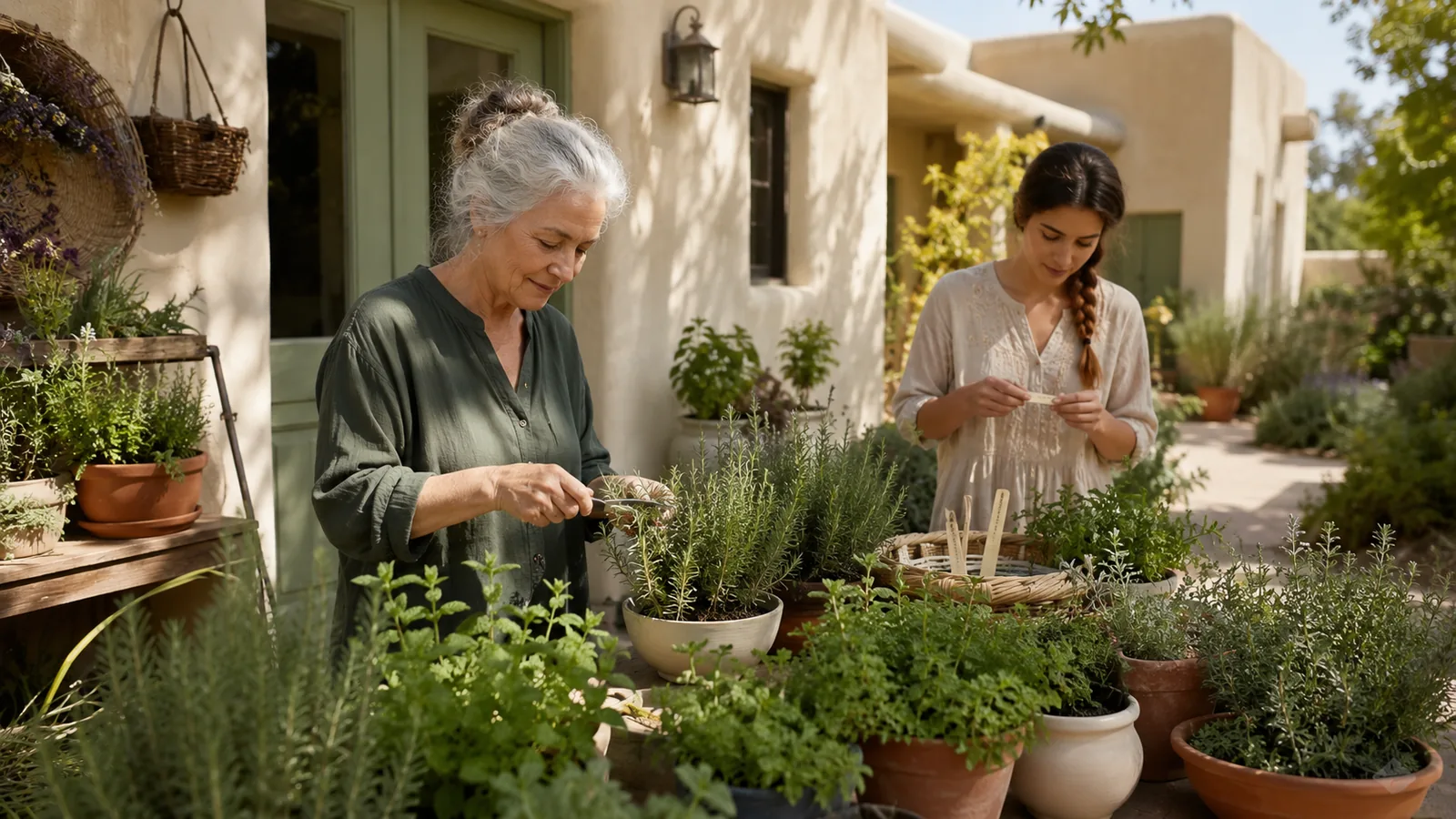
Grow one okra plant in a pot at least 12 inches wide and deep, with drainage holes, loose potting mix, full sun, and soil temperatures above 80°F for germination. In fall, only sow outdoors while warm weather remains, or grow an established plant indoors under strong light. That is the answer.
Can you grow okra in pots?
Yes, okra grows well in pots if you give one plant at least a 12-inch-wide, 12-inch-deep container, six to eight hours of direct sun, warm soil, and room for its upright stem and branches. A container gives you control over soil and drainage, but it also dries faster than garden ground. Harvest to Table recommends that minimum pot size and warns that soggy soil can quickly rot okra roots.
I would use a 15-gallon nursery pot if you have room. The 12-inch minimum works, but the larger volume gives the roots more moisture buffer during an Austin August and makes the plant less top-heavy.
Use a container with several drainage holes, not one decorative pot with a single hole pretending to be useful. Set it on pot feet or bricks so water can leave freely.
Okra is productive, but it is not a tiny patio herb. It can become a tall, branching plant, so place the pot where a 3-foot stalk will not block a walkway or lean into your screen door.
What should you plant in an okra pot this fall?
In fall, plant okra outdoors only if your remaining weather is warm, with daytime temperatures near 80°F or higher and nights staying above 65°F while the seedling establishes. In Central Texas, a September sowing can work during a warm stretch, but a late October start is usually a gamble because okra needs heat to germinate and mature.
If you are standing in the garden now and the soil is below 80°F, do not bury seed and hope. Start it indoors in a warm seed-starting mix, or wait for the next warm growing window. The seed may sit without doing much, which is the plant's way of filing a complaint.
The Seed Savers growing guide says okra germinates and grows best when soil warms above 80°F. That rule matters more than the calendar, especially in fall when a sunny afternoon can hide a cool night.
For a pot, I would choose ‘Baby Bubba Hybrid’, a compact variety listed at about 3 to 4 feet tall, 1 to 2 feet wide, and 53 days to maturity. Its smaller frame suits a container, though “compact” does not mean short enough to ignore staking or placement.
How big should an okra pot be?
Use a pot at least 12 inches wide and 12 inches deep for one okra plant, with enough drainage holes that water never sits around the roots. A 15-gallon container is the more forgiving choice for hot patios because it holds more soil and dries more slowly, although it costs more and becomes heavy to move.
Fill the container with a loose organic potting mix adjusted to about pH 6.5 to 7.5. Potting mix drains better than garden soil in a container, while garden soil compacts and leaves roots short of air.
Seed-starting mix is useful for germination because it is light and easy for young roots to penetrate, but it has little nutritional reserve. Move the seedling into regular potting mix after it is established, and do not leave it in a tiny starter cell for weeks.
Leave about 1 inch of space below the pot rim so watering does not wash soil onto your patio. I have watched black clay turn a perfectly reasonable container into a heavy mud brick. Keep that stuff in the ground, where it can argue with itself.
How do you plant okra seeds in a pot?
Sow two okra seeds about 1 inch deep in one pot, keep the seed-starting mix constantly moist, and expect sprouts in 7 to 10 days if the soil stays above 80°F. After germination, thin to one seedling by cutting the weaker plant at soil level, because pulling it can disturb the seedling you want to keep.
Place the pot in a warm, bright spot rather than a cool windowsill. Six to eight hours of direct light is the target, and a window can reduce usable light compared with an outdoor position, as Those Someday Goals explains.
If you start indoors, sow three to four weeks before the average last frost for spring planting. Okra dislikes root disturbance, so use a biodegradable peat pot if you plan to transplant, though peat pots can dry out quickly and sometimes leave roots circling if the rim stays above the soil.
For a fall start, transplant only a strong seedling with several true leaves and a warm forecast ahead. If the plant is already flowering and nights are dropping below 65°F, the season is almost finished no matter how much encouragement you give it.
How much sun and water does okra in pots need?
Give potted okra six to eight hours of direct sunlight and water deeply when the surface has dried, soaking until water exits the drainage holes. A mature plant may need a thorough watering every 7 to 10 days in moderate weather, but containers can require more frequent checks during flowering, pod development, and extreme heat.
Everyone says drought-tolerant plants need little water. In practice, a black pot on concrete can dry quickly because the container has a small root zone surrounded by hot air. Check the soil 2 inches down with your finger before watering instead of following a rigid calendar.
During flowering and pod development, do not let the plant wilt repeatedly. Water slowly until the root ball is fully wet, wait five minutes, then water again if the mix repels the first soak.
Use a drip emitter delivering about 1 gallon per hour if you automate the pot. Run it long enough to wet the full root ball, and adjust after checking the soil. A timer is helpful in August, but it cannot inspect the pot for you.
Which okra variety is best for a container?
‘Baby Bubba Hybrid’ is my first choice for a container because it stays around 3 to 4 feet tall and 1 to 2 feet wide, with a listed maturity of about 53 days. Its compact habit fits a pot better than a full-size variety, but it still needs sun, feeding, and regular harvesting.
Clemson Spineless is a familiar option, but a full-size okra can outgrow a small container and demand more water as its canopy expands. The trade-off is that larger plants may give you more pods, while the pot dries faster and becomes harder to support.
Buy seed from a reliable source and check the packet for days to maturity. Days to maturity are estimates from suitable growing conditions, not a promise made to your patio.
For several pots, space containers at least 2 feet apart. That gives branches room and improves access for picking, though it uses more floor space than lining pots tightly against a fence.
| Container approach | Best use | Honest downside |
|---|---|---|
| 12-inch pot with one plant | Small patio or first attempt | Dries quickly and can tip when the plant gets tall |
| 15-gallon pot with one compact plant | Hot patio and steadier moisture | Costs more and is heavy to move |
| Several individual pots | Staggered planting and easier replacement | Takes at least 2 feet per pot and needs more watering checks |
How do you fertilize okra growing in a pot?
Feed okra lightly with a balanced 10-10-10 fertilizer at planting, using a container-adjusted amount rather than blindly applying the field rate of 1 to 2 pounds per 100 square feet. Add a modest nitrogen feeding when fruiting begins, but avoid heavy nitrogen because it can produce leaves instead of pods.
The fertilizer label is the authority for a container dose. Granular fertilizer is easy to overapply in a small pot, and excess salts can damage roots, so measure it. More is not more. More is often just more cleanup.
Mix fertilizer into the upper layer without piling it against the stem, then water thoroughly. If you use a liquid feed, follow the label dilution and do not combine several products unless you have a specific reason.
A loose potting mix is helpful, but it does not feed the plant forever. Expect to monitor growth, leaf color, and pod production every week once the plant begins flowering.
Who should grow okra in pots, and who should skip it?
Potted okra suits you if you have a sunny balcony, a paved yard, poor caliche soil, limited garden space, or a place where deer pressure makes an in-ground crop frustrating. Skip it for a shaded porch, a cool fall garden, or a tiny pot you cannot water and check several times each week.
This is a good project for a first-time gardener who can provide one large container and a reliable sunny location. It is also useful in Central Texas where hitting limestone eight inches down turns a simple planting hole into a two-hour meeting with a rock bar.
A container is not maintenance-free. You trade digging for watering, soil preparation for pot selection, and garden weeds for checking whether the root ball is dry.
Would I grow it in a pot? Yes, especially with ‘Baby Bubba Hybrid’ and a 15-gallon container. I would not squeeze three plants into one 12-inch pot. That is not intensive gardening. That is three roommates fighting over one chair.
When and how do you harvest okra from a pot?
Harvest okra pods when they are 2 to 4 inches long, cutting them every other day to keep production steady. Remove oversized pods promptly because they become tough and signal the plant to slow new flowering, even if you are not planning to eat every pod immediately.
Wear gloves if the plant’s hairs bother your skin, and use clean snips or a knife to cut the pod rather than pulling on the stem. Check below the leaves because pods can hide along the stalk.
Once the plant starts producing, walk past it every two days. Waiting a week is how you end up with woody clubs that could be used to prop open a gate.
In fall, remove the plant after several cold nights or when growth stops and flowers fail to set. Empty the pot, inspect the roots, and store the container under cover if a freeze is forecast.
What should you do with okra in pots this fall?
If your fall weather is still warm, sow or transplant okra now only when soil is above 80°F and nights remain above 65°F for establishment. If temperatures are already falling, keep an existing plant in the sun and harvest what develops, but wait for spring rather than forcing a late seed crop.
Austin can hand you a hot afternoon and a cold morning in the same week. Protect a container from a brief cold snap by moving it against a south-facing wall, but do not mistake one protected night for a full growing season.
For next spring, start seed indoors three to four weeks before the average last frost, then move the plant outside after the soil has warmed. Choose the spring window because okra needs sustained heat, not one heroic weekend.
Use the plant database to check the mature size and growing details for the okra variety you are considering, and get a concept for your yard if you need to place a container among paths, seating, and existing sun patterns.
Can okra grow in a 12-inch pot?
Yes, one okra plant can grow in a 12-inch-wide and 12-inch-deep pot if the container has good drainage, loose potting mix, full sun, and regular watering. A 15-gallon pot is more forgiving because it holds more moisture, but it is heavier and costs more. Do not put multiple okra plants in the 12-inch pot.
How much sun does potted okra need?
Potted okra needs six to eight hours of direct sunlight each day for strong growth and pod production. Put the container outdoors in the brightest location available, because a window can reduce usable light. The trade-off is heat and faster drying, so check the soil 2 inches down during hot weather instead of watering by guesswork.
How often should I water okra in a pot?
Water potted okra deeply when the soil surface has dried, generally soaking the pot every 7 to 10 days in moderate weather. During flowering, pod development, or extreme heat, check more often because a container dries faster than garden soil. Water until it drains from the holes, then adjust the schedule to the actual soil moisture.
When should I harvest okra from a container?
Harvest okra pods when they are 2 to 4 inches long, usually checking the plant every other day once production begins. Cut pods with clean snips and remove oversized pods promptly. Large, tough pods can slow continued flowering, so frequent picking matters more than waiting for a large harvest all at once.
Can I grow okra in a pot during fall?
You can grow okra in a pot during fall only while soil stays above 80°F and nights remain above 65°F for establishment. In Central Texas, an early fall planting may work, but a late fall sowing usually runs out of heat before maturity. Keep an existing plant sunny, harvest developing pods, and plan the main crop for spring.
What is the best okra variety for a pot?
‘Baby Bubba Hybrid’ is a strong container choice because it reaches about 3 to 4 feet tall and 1 to 2 feet wide, with a listed maturity of 53 days. Its compact size reduces crowding, but it still needs a large pot, full sun, and regular water. A compact variety is easier, not effortless.
Want a plan for your own yard?
Tell us the space and we will put a planting plan together for it. Start at get my concept, or browse what actually grows where you are over on plants.
Frequently asked questions
Can okra grow in a 12-inch pot?
Yes, one okra plant can grow in a 12-inch-wide and 12-inch-deep pot if the container has good drainage, loose potting mix, full sun, and regular watering. A 15-gallon pot is more forgiving because it holds more moisture, but it is heavier and costs more. Do not put multiple okra plants in the 12-inch pot.
How much sun does potted okra need?
Potted okra needs six to eight hours of direct sunlight each day for strong growth and pod production. Put the container outdoors in the brightest location available, because a window can reduce usable light. The trade-off is heat and faster drying, so check the soil 2 inches down during hot weather instead of watering by guesswork.
How often should I water okra in a pot?
Water potted okra deeply when the soil surface has dried, generally soaking the pot every 7 to 10 days in moderate weather. During flowering, pod development, or extreme heat, check more often because a container dries faster than garden soil. Water until it drains from the holes, then adjust the schedule to the actual soil moisture.
When should I harvest okra from a container?
Harvest okra pods when they are 2 to 4 inches long, usually checking the plant every other day once production begins. Cut pods with clean snips and remove oversized pods promptly. Large, tough pods can slow continued flowering, so frequent picking matters more than waiting for a large harvest all at once.
Can I grow okra in a pot during fall?
You can grow okra in a pot during fall only while soil stays above 80°F and nights remain above 65°F for establishment. In Central Texas, an early fall planting may work, but a late fall sowing usually runs out of heat before maturity. Keep an existing plant sunny, harvest developing pods, and plan the main crop for spring.
What is the best okra variety for a pot?
‘Baby Bubba Hybrid’ is a strong container choice because it reaches about 3 to 4 feet tall and 1 to 2 feet wide, with a listed maturity of 53 days. Its compact size reduces crowding, but it still needs a large pot, full sun, and regular water. A compact variety is easier, not effortless.
Free, no obligation
Ready to design your dream landscape? Start here.
Tell us where you are and we will start a free profile for you, with plants that actually survive your climate and a real sense of what the build would cost.