
Native Does Not Automatically Mean Low Maintenance
Native plants can lower garden maintenance, but only after you match them to the sun, soil, drainage and moisture already present in your yard. Here is what to do this fall before you plant, water and mulch the wrong thing.
September 27, 2026
By Diego Navarro
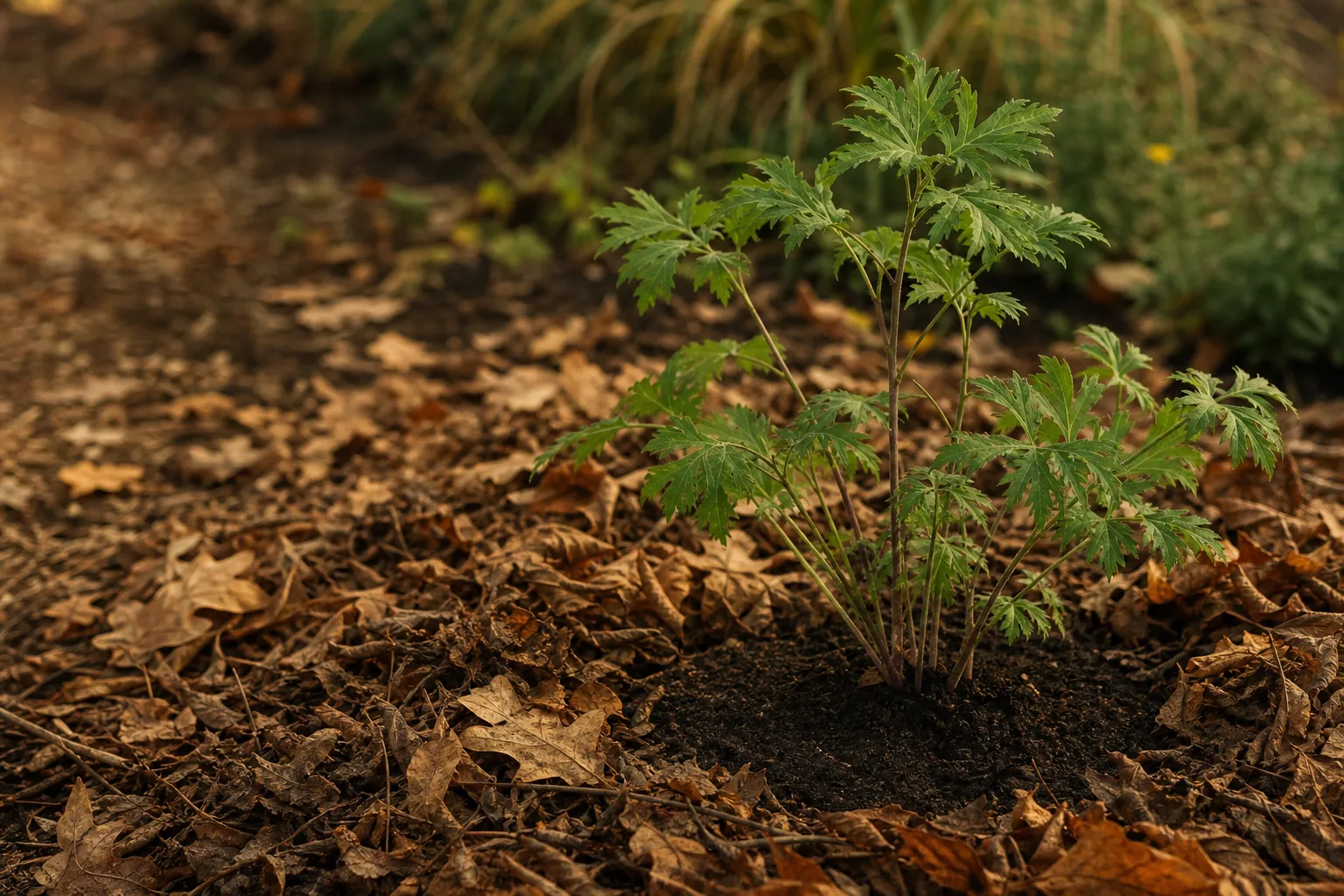
Native plants can become low maintenance, but only after you put the right plant in the right place and care for it through establishment. A native planted in wet clay, reflected heat or deep shade is still a bad match, and it will ask for water, pruning and replacement just like any other plant.
Are native plants automatically low maintenance?
Native plants are not automatically low maintenance because a home yard is not the same as the habitat where a plant evolved. Construction can compact soil, remove topsoil, add reflected heat and redirect runoff, so a native plant still needs a site assessment, proper planting and regular care through its first growing season. NC State Extension explains why native plants help create sustainable landscapes only when gardeners choose the right plant, place it correctly and care for it until established.
That is the position I take on every job: native is a strong starting point, not a maintenance warranty. The label tells you where the plant comes from. It does not tell you whether your side yard stays wet after a thunderstorm or turns into an oven beside a limestone wall.
I learned that lesson before I ever worked in Central Texas. My father grew tomatoes in a twelve foot strip of New Jersey clay along the driveway, and even those tomatoes had a preferred patch. The plant did not care about our plan. It cared about the ground.
Native plants can support native insects and wildlife because those relationships developed over long periods, but ecological value does not excuse poor placement. A plant that struggles will need more intervention and may produce less growth, fewer flowers or weaker cover.
What does right plant, right place mean in a native garden?
Right plant, right place means you assess the exact planting spot before choosing a native species, then match the plant to its daily sun, soil type, drainage and moisture. A native that suits dry limestone may fail in black clay that stays wet, while a shade plant may scorch beside a south-facing wall. Start with the site, not the plant tag.
Stand in the proposed bed this fall and watch it at 9 a.m., noon and 4 p.m. Write down whether the soil is bright and dry, shaded by a fence, or receiving reflected heat from masonry. A nursery label saying “sun” does not mean every sunny location behaves the same.
Dig a test hole 12 inches deep and 12 inches wide. If you hit limestone at 8 inches, note it. If the hole fills with water after rain and remains wet the next morning, note that too. The plant list comes after those facts.
Right plant, right place starts with understanding the sun, soil and moisture conditions of a particular area. That advice applies to natives, annuals and the rosebush your aunt gave you. Plants are not impressed by our intentions.
What should you check in the soil before planting natives this fall?
Before planting natives this fall, check soil texture, compaction, drainage and the depth of usable soil, then use a soil test if the bed has poor growth or uncertain construction fill. Do not automatically add rich compost to every native planting. Improve compacted soil carefully, preserve good drainage and avoid creating a soft pocket that holds water around the roots.
Squeeze a handful of soil after it is damp, not muddy. Black clay that forms a slick ribbon is workable only during a narrow window, and digging it wet can leave dense clods that shed water later. Caliche and limestone may require a rock bar, not a stronger opinion.
A soil test costs money and takes time, but guessing can cost more in dead plants and repeated irrigation. The tradeoff is that a test gives useful information only if you collect a proper sample from several spots in the same bed, not one spoonful beside the hose.
Compost can improve some compacted beds, but it is not a universal fix. Too much organic material can make the planting hole different from the surrounding soil, so water collects there after rain. I usually correct the broad bed in a shallow layer rather than filling one small hole with a treasure chest of amendments.
How much care do native plants need after planting?
Native plants usually need regular watering and observation through the first growing season, even though they may require less care after their roots establish. Water slowly enough to wet the root zone, check the soil before watering again, and adjust for heat, drainage and rainfall rather than following a permanent calendar. Native does not mean newly planted plants can fend for themselves.
For a fall planting in Austin, I would water the root zone immediately after planting, check it every two or three days for the first two weeks, then stretch the interval as cooler weather and rainfall allow. If the soil is dry 3 inches down, water deeply. If it is still wet, wait.
A drip line on a timer saves hand watering, but it can also hide a clogged emitter or water a plant that no longer needs that frequency. I prefer a slow system with roughly 1 gallon per hour emitters, then I inspect the soil instead of trusting the clock. Timers are helpful servants and poor supervisors.
The first growing season is the expensive part in attention. After establishment, maintenance may drop to seasonal cleanup, occasional pruning, weed removal and monitoring for aggressive spread, but drought, reflected heat and poor drainage can bring the work right back.
How should you space native plants if you want less maintenance?
Space native plants according to their mature spread, not the size of the nursery pot, because crowded plants compete for water and airflow while widely spaced plants leave room for weeds. Read the mature width, mark the bed and allow enough room for access. Correct spacing costs nothing at planting and saves pruning, division and replacement later.
If a plant matures 24 inches wide, I begin near 24 inches on center unless the design calls for faster closure and the site can support the competition. A 1 gallon pot may look lonely at that distance. It will not look lonely after two growing seasons.
Tighter spacing can reduce open soil, but it increases the number of plants you buy and may create a crowded bed sooner than expected. Wider spacing lowers the initial cost but leaves more bare ground for weeds. That is the honest tradeoff.
Plan paths and access before the planting fills in. If you cannot reach the back of a bed without stepping on the soil, you will either compact the bed or avoid the work until a small problem becomes a very visible one.
Should you mulch a native planting in fall?
Mulch can help a native planting retain moisture and suppress weeds, but use a thin, even layer that does not bury crowns or keep the stem base wet. Leaf litter or compost can fit a naturalistic planting, while wood mulch looks tidier but needs replenishment. Mulch reduces work; it does not replace watering, spacing or site selection.
I use about 2 inches of loose mulch over the root zone and keep it 3 inches away from stems. Piled mulch against a plant looks tidy for six minutes and creates a damp collar that can rot during cool, wet weather.
Leaf litter has an ecological advantage in a wildlife planting because it leaves cover and organic material in place, but it can look less formal and may blow into a walkway. Wood mulch gives a cleaner edge, but it has to be renewed and can hide weeds until they are well rooted.
This fall, pull weeds before spreading mulch. Mulch laid over existing weeds is a blanket, not a solution. If you can see green leaves above it, the bed is already negotiating with you.
Which native garden approach works best for your yard?
A tailored native bed suits homeowners who can observe their yard, match plants to several microclimates and provide regular care during the first growing season. It is a poor fit for a bed with unknown drainage, no irrigation access and a promise that nobody will weed or inspect it for twelve months. The answer is not abandoning natives. It is reducing the planting until the site can support it.
This approach suits a fall renovation where you can test the soil, mark sun patterns, plant in manageable groups and check moisture weekly. It also suits a small courtyard if you choose plants for reflected heat rather than copying a prairie plant list.
It does not suit a low spot that stays saturated, a narrow strip baked beside concrete, or a bed that must look perfectly tidy every week without pruning and cleanup. Those locations may still support native plants, but only species matched to those conditions and an honest maintenance plan.
| Approach | Best use | Honest downside |
|---|---|---|
| Matched native planting | A bed with known sun, soil and moisture | It needs research and first-season watering |
| General native mix | A broad area with similar conditions | Some plants will be too aggressive or poorly matched |
| Lawn replacement with native groundcovers | A visible area where mowing is the main burden | It may look unfinished while plants fill in |
| Container native planting | Patios, rentals and small spaces | Containers dry faster and need more frequent checks |
I would choose the matched native planting. The general mix is where good intentions become a jungle in one corner and a graveyard in the other.
How can you reduce native garden maintenance after establishment?
You reduce maintenance after establishment by matching plants to the site, spacing them for mature size, mulching correctly and monitoring the bed before small problems spread. Mature native plants may still need occasional pruning, seasonal cleanup, weed control and checks for aggressive spreading. Lower maintenance means fewer interventions over time, not a garden that takes care of itself.
Walk the bed once a month during the growing season and once in late fall. Look for stems leaning into paths, plants crossing their assigned space, bare soil where weeds can start and irrigation that is missing the root zone.
Do not cut every native plant to the ground in fall just because the bed looks untidy. Some seasonal structure can remain through winter, while other plants need cleanup to keep paths open or prevent unwanted spread. The correct choice depends on the plant and the design, not a universal haircut date.
Use the plant database to compare mature size, sun and moisture needs before buying. If your bed has three different conditions, make three plant zones instead of pretending one list will solve all of them.
What should you do in the garden this fall?
This fall, map the site, test drainage, remove weeds, prepare the planting area, install correctly spaced natives and water them consistently while roots establish. Do not buy first and investigate later. Mark the bed’s sun, soil and moisture conditions this week, because a few hours of observation can prevent a season of rescuing the wrong plants.
Here is my fall sequence: observe the light for three days, dig one test hole per planting zone, record wet and dry areas, decide the mature spacing, then buy only what fits. Plant before the ground cools too much for useful root growth in your area, and water immediately after installation.
If you are in Austin, remember that fall can give you pleasant afternoons followed by a dry week that feels like summer’s unpaid overtime. Check new plants at least twice a week until rainfall makes the soil reliably moist, then keep checking after every hot, dry stretch.
You can sketch those zones yourself, or get a concept for your yard before you buy plants. A concept will not change the soil, but it can stop you from putting a moisture-loving plant on the hottest corner of the patio.
What are the most common questions about native plant maintenance?
The most common native plant questions are about watering, soil preparation, spacing, mulch, pruning and whether a native plant can spread too far. The direct answers all point back to the same rule: identify the site first, then choose and care for plants that fit it. Native status helps, but placement determines whether the garden behaves.
Are native plants low maintenance after the first year?
Are native plants low maintenance after the first year? They can be, but only if they were matched to the site and established with regular care during the first growing season. After that, maintenance may include occasional pruning, seasonal cleanup, weed control, irrigation checks and monitoring for aggressive spreading. A poor match stays demanding.
How often should I water newly planted native plants?
How often should I water newly planted native plants? Check the soil every two or three days for the first two weeks, then water when the root zone is drying rather than following a fixed calendar. Water immediately after planting and adjust for heat, rain, drainage and soil texture. New natives still need dependable moisture while roots establish.
Should I amend soil before planting native plants?
Should I amend soil before planting native plants? Test uncertain soil first and correct compaction or poor structure across the bed instead of filling each hole with heavy amendments. Compost may help some beds, but too much can create a wet pocket around roots. Native plants still need soil that drains and supports roots in the actual yard.
How far apart should native plants be planted?
How far apart should native plants be planted? Use the plant’s mature width as your starting point, then adjust for the site and the design. A plant expected to reach 24 inches wide often starts about 24 inches from its neighbor. Crowding can increase competition and pruning, while wide spacing leaves more room for weeds.
Should I cut native plants back in fall?
Should I cut native plants back in fall? No single fall cleanup rule fits every native planting. Leave useful seasonal structure where it supports the design and wildlife, but trim plants that block paths, spread beyond their space or create a maintenance problem. Remove weeds before mulching, and do not bury plant crowns under mulch.
Can native plants spread too aggressively in a home garden?
Can native plants spread too aggressively in a home garden? Yes, some native plants can spread beyond the space you planned, so monitor edges and remove unwanted growth before it roots deeply or reaches a walkway. Aggressive spreading is a maintenance tradeoff, not a reason to reject native plants. Choose by mature behavior as well as flower color.
The best native garden is not the one with the most plant labels. It is the one where the plants fit the ground, the water reaches the roots, and you can still walk through the bed in October without apologizing to it.
Want a plan for your own yard?
Tell us the space and we will put a planting plan together for it. Start at get my concept, or browse what actually grows where you are over on plants.
Frequently asked questions
Are native plants low maintenance after the first year?
Are native plants low maintenance after the first year? They can be, but only if they were matched to the site and established with regular care during the first growing season. After that, maintenance may include occasional pruning, seasonal cleanup, weed control, irrigation checks and monitoring for aggressive spreading. A poor match stays demanding.
How often should I water newly planted native plants?
How often should I water newly planted native plants? Check the soil every two or three days for the first two weeks, then water when the root zone is drying rather than following a fixed calendar. Water immediately after planting and adjust for heat, rain, drainage and soil texture. New natives still need dependable moisture while roots establish.
Should I amend soil before planting native plants?
Should I amend soil before planting native plants? Test uncertain soil first and correct compaction or poor structure across the bed instead of filling each hole with heavy amendments. Compost may help some beds, but too much can create a wet pocket around roots. Native plants still need soil that drains and supports roots in the actual yard.
How far apart should native plants be planted?
How far apart should native plants be planted? Use the plant’s mature width as your starting point, then adjust for the site and the design. A plant expected to reach 24 inches wide often starts about 24 inches from its neighbor. Crowding can increase competition and pruning, while wide spacing leaves more room for weeds.
Should I cut native plants back in fall?
Should I cut native plants back in fall? No single fall cleanup rule fits every native planting. Leave useful seasonal structure where it supports the design and wildlife, but trim plants that block paths, spread beyond their space or create a maintenance problem. Remove weeds before mulching, and do not bury plant crowns under mulch.
Can native plants spread too aggressively in a home garden?
Can native plants spread too aggressively in a home garden? Yes, some native plants can spread beyond the space you planned, so monitor edges and remove unwanted growth before it roots deeply or reaches a walkway. Aggressive spreading is a maintenance tradeoff, not a reason to reject native plants. Choose by mature behavior as well as flower color.
Free, no obligation
Ready to design your dream landscape? Start here.
Tell us where you are and we will start a free profile for you, with plants that actually survive your climate and a real sense of what the build would cost.