
Do Native Bees Need Bare Ground in Your Garden?
About 70 percent of native bees nest in soil, so a small pesticide-free patch of exposed, well-drained ground may help your garden more than another decorative feature. Here is what to leave alone this fall, what to plant, and how to add nesting space without turning the yard into a bee exhibit.
September 23, 2026
By Diego Navarro
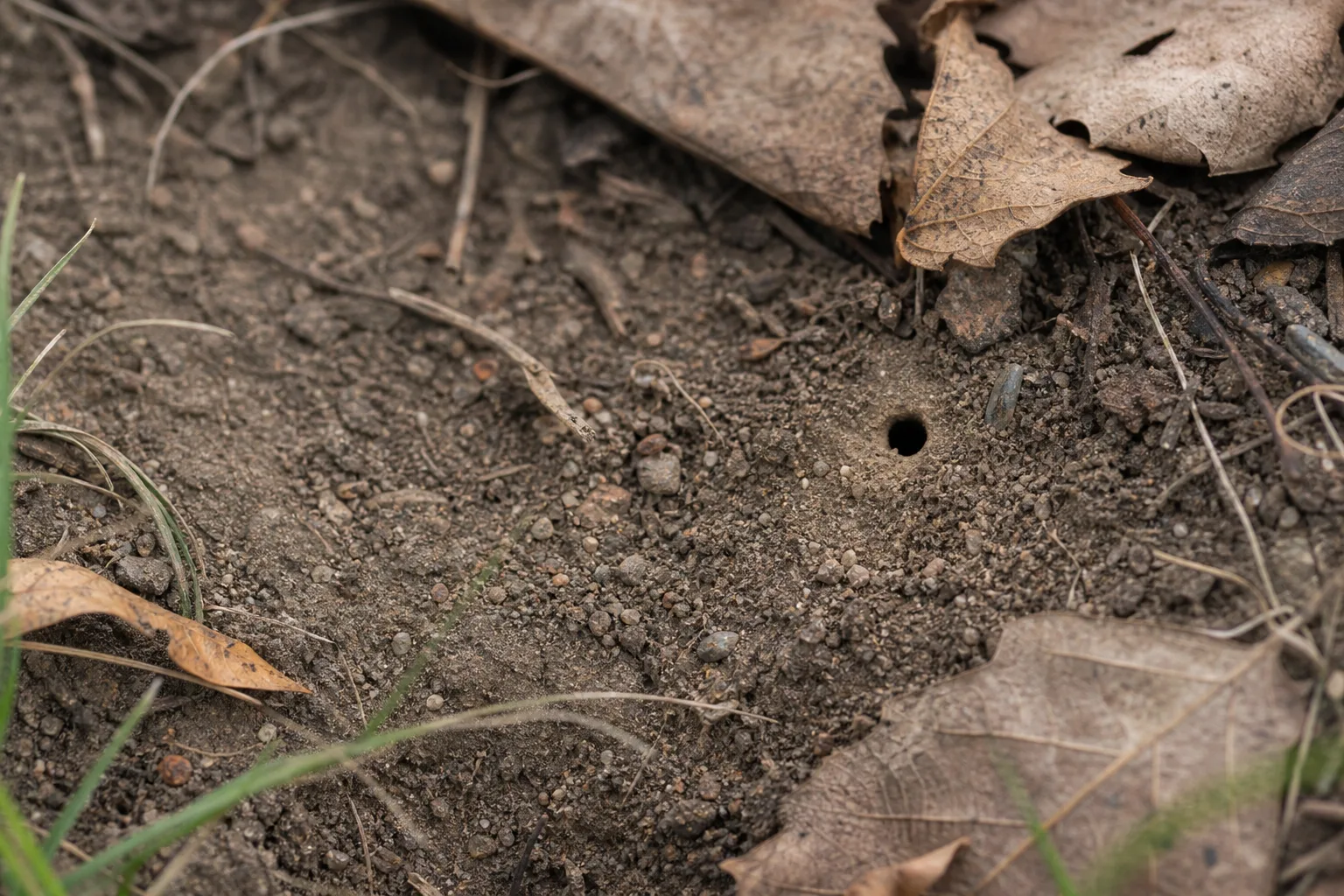
Do native bees really need bare ground?
Yes, about 70 percent of native bees build nests in bare or lightly compacted soil, so a small exposed patch can support more bees than another layer of mulch. Native bees are major garden pollinators, and ground nesting females need undisturbed soil where they can excavate, provision, and close individual nests. HowStuffWorks reports the roughly 70 percent figure.
That does not mean you should strip every bed down to dirt. It means you should stop treating every visible patch of soil as a problem to cover.
Choose one or two places near flowers but outside the main walking route. A patch two feet by three feet is enough to begin, and a larger garden can spare several patches without looking unfinished.
The ground should drain after rain rather than staying slick for days. In Austin, that distinction matters because caliche can sit a few inches below the surface, while black clay swells, shrinks, and seals over after a wet spell.
How should you prepare a bee nesting patch this fall?
Prepare a bee nesting patch by clearing mulch and dense plant growth from a two to four inch deep area, then leaving the exposed soil lightly compacted and undisturbed through winter. A mix of sand and loam gives ground-nesting bees usable soil, but regular digging, heavy foot traffic, and standing water can ruin the site.
Do not rototill the patch. Tilling may make the surface look tidy, but it breaks underground nests and changes the structure females selected for nesting.
If your soil is hard clay, do not automatically excavate a heroic hole. Scrape back mulch, loosen only the upper two to four inches, and add a modest amount of sand and loam if drainage is poor. Sand alone mixed into clay can make a dense mess, so the goal is a workable surface, not a construction project.
Put a small stone or short branch beside the patch so people notice it and step around it. That is cheaper than explaining to a delivery driver why the bee habitat has tire tracks through it.
I learned the value of leaving soil alone from my father’s twelve foot strip of clay along the driveway in New Jersey. His tomatoes grew in that stubborn ground because he worked with the strip instead of pretending it was a farm. The ground always tells you what it can do.
Is fall the right time to make bare ground for native bees?
Fall is a good time to make a bare-ground patch because you can remove mulch, stop disturbing the soil, and leave the site in place before the next flowering season. Do the work while the soil is workable, then avoid tilling and heavy traffic through winter and spring.
You do not need to wait for a warm day or install anything complicated. Clear the patch now, mark its edges, and let natural weather settle the surface.
Leave some leaf litter nearby, but do not cover the nesting patch itself. Leaf litter offers shelter around the ground, while a thick layer directly over the exposed soil defeats the purpose of the patch.
Fall is also the time to review what bloomed in your garden from September through November. If flowers disappeared in early October, plan a replacement for next season so adult bees can find nectar and pollen beyond spring.
Bumble bees add another reason to plan across seasons. Their habitat needs include nesting space, flowers for adults and larvae through spring and summer, and places for queens to overwinter, according to the New York Natural Heritage Program guide.
What flowers should support native bees through the year?
Use a succession of native, bee-friendly flowers with overlapping bloom periods from early spring through late fall, rather than planting one large flush that finishes in May. Flower abundance and plant diversity keep nectar and pollen available across the season, which supports both adult bees and developing young.
Start by writing down the first and last month your garden had open flowers this year. Then fill the longest gap, especially the stretch between late summer and fall when heat has finished many spring plantings.
Native flowers are not maintenance-free. They can spread, collapse under summer heat, or need water during establishment, so group plants by irrigation needs and reserve a drip zone for new plantings.
For an Austin yard, I would rather have three flowering groups that overlap by several weeks than one expensive bed that photographs beautifully in April and offers nothing in August. The five-week stretch above 100 degrees is where the garden tells the truth.
Use the plant database to check mature size, bloom timing, and site conditions before buying. Every flower has a tradeoff, whether that is summer water, aggressive reseeding, or a shape that needs support.
Should you use mulch or insecticide around nesting bees?
Keep mulch off the active bare-soil patch and avoid insecticides there, because mulch blocks access to ground nests and chemical treatments can harm foraging adults or developing brood. If you need pest control, use the least disruptive targeted treatment available and keep it away from open flowers and nesting areas.
Everyone says mulch is the answer to every garden problem. In practice, a blanket of mulch can remove the bare ground that many native bees require, and research summarized by Envirobites also connects reduced bee parasites with diverse flowers and less mulch around habitat. Read the research summary here.
That does not make mulch bad everywhere. Use it around shrubs or on paths where it controls weeds and protects soil, but stop its edge several inches from the nesting patch.
Insecticide is not a harmless reset button. A spray may reduce the insect you noticed, but it can also contact adult bees on flowers or affect brood in nests. The tradeoff is simple: accepting a few chewed leaves usually costs less than losing pollinators across the whole bed.
If a plant has a serious problem, identify the pest first, remove damaged growth when practical, and treat only the affected area. Do not spray an entire flowering garden because one leaf looks untidy.
Who is a bare-ground bee garden for, and who should ignore it?
A bare-ground bee garden suits homeowners with a sunny or lightly shaded corner, flowering plants nearby, and enough space to keep one patch free of mulch and traffic. It is a poor fit for a yard that must remain fully covered, is regularly tilled, or has drainage so poor that the soil stays saturated.
This approach is especially useful for a small vegetable garden, a pollinator border, or a low-maintenance side yard where you can protect a two by three foot patch. It also suits renters who can leave a small pot-free ground area undisturbed if the property owner agrees.
You should skip an exposed patch if children or pets use that exact ground for play, if water regularly pools there, or if a maintenance crew cannot reliably avoid it. Put the habitat somewhere safe instead of asking the household to navigate around a surprise rule.
You do not need to see bees every day for the patch to be worthwhile. Many native bees are solitary, with each female provisioning her own nest rather than defending a large colony, as this overview of ground-nesting bees explains.
If your yard cannot support bare soil, focus on overlapping flowers, dead wood, leaf litter, and a properly maintained bee hotel. That is a compromise, not a substitute for ground habitat.
Are bee hotels worth adding above ground?
A bee hotel can add nesting space for above-ground native bees, especially when it uses drilled holes or hollow reeds and is installed where it stays dry. It is not a replacement for bare soil, and it brings maintenance responsibilities because neglected holes can collect moisture, pests, or disease.
Use a simple block of untreated wood with holes or bundles of hollow reeds, and protect it from direct rain. The research provided does not establish one universal hole diameter or mounting height, so do not trust a decorative product simply because it has a bee painted on the front.
Inspect the hotel after the season. Replace damaged reeds, remove visibly moldy material, and keep the structure dry. The downside is real: a hotel that you never maintain can become a concentrated problem instead of useful habitat.
The NC State Extension guide explains bee hotels and notes that native bees provide important pollination even where honey bees are present. I would install one only after protecting soil, flowers, and shelter on the ground.
How do bare soil, bee hotels, and shelter compare?
Bare soil should be your first choice because it supports the nesting method used by most native bees and costs little to create. Bee hotels and natural shelter are useful additions for species that nest above ground or need protected material, but each requires more attention than simply leaving a suitable patch undisturbed.
| Habitat option | Best use | What to provide | Honest downside |
|---|---|---|---|
| Bare or lightly compacted soil | Ground-nesting native bees | Two to four inches of exposed, well-drained sand and loam | It must stay free of mulch, tilling, standing water, and foot traffic |
| Bee hotel | Above-ground nesting bees | Dry drilled holes or hollow reeds | It needs inspection and replacement, or it can hold moisture and pests |
| Leaf litter, twigs, and dead wood | Shelter near nesting areas and habitat for other species | A small undisturbed edge near the soil patch | It can look untidy and may hold moisture too close to the nest |
Place the options near flowers, but do not crowd them into one wet corner. A dry soil patch, a nearby sheltered edge, and flowers with overlapping bloom periods give bees choices instead of forcing every species into the same box.
A shallow dish with pebbles can provide water, but it must stay shallow and clean. The tradeoff is maintenance, because stagnant water and algae make the dish less useful and can attract unwanted insects.
If you want help laying out the distances, bloom sequence, and irrigation zones, get a concept for your yard before you buy materials. Valeria draws the clean version. I am the one who has to get a shovel through the ground.
What should you do this fall to help native bees next year?
This fall, protect one two by three foot patch of exposed, well-drained soil, keep mulch and insecticides away from it, leave nearby leaf litter and small dead wood, and plan flowers that overlap from early spring through late fall. That short list supports nesting, shelter, and food without requiring a major garden renovation.
First, mark the patch with stones so it does not disappear under a November cleanup. Second, remove only the mulch and dense growth covering the chosen soil. Third, stop digging there.
Next, list the months with no flowers and select native plants to close those gaps. Give new plantings consistent water during establishment, then adjust irrigation so the nesting patch does not become a wet basin.
Finally, decide whether a bee hotel fits your maintenance habits. If you will not inspect it after the season, skip the hotel and spend that money on a better flower sequence or a simple drip line.
Your garden does not need to look wild everywhere. It needs one honest place where soil, flowers, shelter, and time are allowed to work together.
Frequently asked questions about native bees and bare ground?
These questions cover the practical decisions you can make in fall, including how much bare soil to leave, whether mulch belongs nearby, and whether a bee hotel is necessary. Each answer starts with the direct choice, because you are probably standing beside the garden with a rake in your hand.
Do 70 percent of native bees nest in the ground?
Yes, about 70 percent of native bees nest in bare or lightly compacted soil, according to the research provided. Leave a small patch two to four inches deep, keep it well drained, and protect it from mulch, tilling, and foot traffic. Not every bee will use it, but the habitat matches the nesting needs of most native bees.
How large should a bare-ground bee patch be?
A two by three foot patch is a practical starting size for a home garden, with the exposed soil prepared two to four inches deep. Larger gardens can provide several patches near flowering plants. The patch must remain undisturbed, so a smaller protected area is better than a large section crossed by feet, tools, or mower tires.
Should I remove all mulch for native bees?
No, remove mulch from the selected nesting patch but keep it in places where it controls weeds or protects other soil. A thick mulch layer blocks access to bare ground, while nearby leaf litter can shelter bees and other useful wildlife. The useful rule is a clear nest patch beside, not under, the litter.
Do native bees need flowers in fall?
Yes, native bees benefit from flowers that overlap from early spring through late fall, so fall bloom matters when summer flowers have finished. Review your garden in October and note empty weeks before choosing additions. Flower abundance and species richness help maintain nectar and pollen for adults and developing young across the season.
Is a bee hotel enough if I do not have bare soil?
No, a bee hotel is not enough by itself because it serves above-ground nesters while about 70 percent of native bees nest in soil. Add a hotel only as a supplement, and provide flowers, shelter, and a pesticide-free area too. If bare ground is impossible, the hotel is still useful, but it is a compromise.
Should I use insecticide near a bee nesting patch?
Avoid insecticide near the patch whenever possible because treatments can harm foraging adults and developing brood. If a serious pest problem requires action, identify the pest and use a targeted treatment only on the affected area, away from open flowers and nests. Accepting minor leaf damage is often the safer garden choice.
Want a plan for your own yard?
Tell us the space and we will put a planting plan together for it. Start at get my concept, or browse what actually grows where you are over on plants.
Frequently asked questions
Do 70 percent of native bees nest in the ground?
Yes, about 70 percent of native bees nest in bare or lightly compacted soil, according to the research provided. Leave a small patch two to four inches deep, keep it well drained, and protect it from mulch, tilling, and foot traffic. Not every bee will use it, but the habitat matches the nesting needs of most native bees.
How large should a bare-ground bee patch be?
A two by three foot patch is a practical starting size for a home garden, with the exposed soil prepared two to four inches deep. Larger gardens can provide several patches near flowering plants. The patch must remain undisturbed, so a smaller protected area is better than a large section crossed by feet, tools, or mower tires.
Should I remove all mulch for native bees?
No, remove mulch from the selected nesting patch but keep it in places where it controls weeds or protects other soil. A thick mulch layer blocks access to bare ground, while nearby leaf litter can shelter bees and other useful wildlife. The useful rule is a clear nest patch beside, not under, the litter.
Do native bees need flowers in fall?
Yes, native bees benefit from flowers that overlap from early spring through late fall, so fall bloom matters when summer flowers have finished. Review your garden in October and note empty weeks before choosing additions. Flower abundance and species richness help maintain nectar and pollen for adults and developing young across the season.
Is a bee hotel enough if I do not have bare soil?
No, a bee hotel is not enough by itself because it serves above-ground nesters while about 70 percent of native bees nest in soil. Add a hotel only as a supplement, and provide flowers, shelter, and a pesticide-free area too. If bare ground is impossible, the hotel is still useful, but it is a compromise.
Should I use insecticide near a bee nesting patch?
Avoid insecticide near the patch whenever possible because treatments can harm foraging adults and developing brood. If a serious pest problem requires action, identify the pest and use a targeted treatment only on the affected area, away from open flowers and nests. Accepting minor leaf damage is often the safer garden choice.
Free, no obligation
Ready to design your dream landscape? Start here.
Tell us where you are and we will start a free profile for you, with plants that actually survive your climate and a real sense of what the build would cost.