
Does Interplanting Confuse Garden Pests Better Than Repellent Companion Plants?
Interplanting works best by making your crop harder for insects to find, not by surrounding it with plants advertised as natural repellents. Here is how to arrange a fall garden in Central Texas so mixed smells, shapes and host plants disrupt pest landing and egg laying.
September 29, 2026
By Diego Navarro
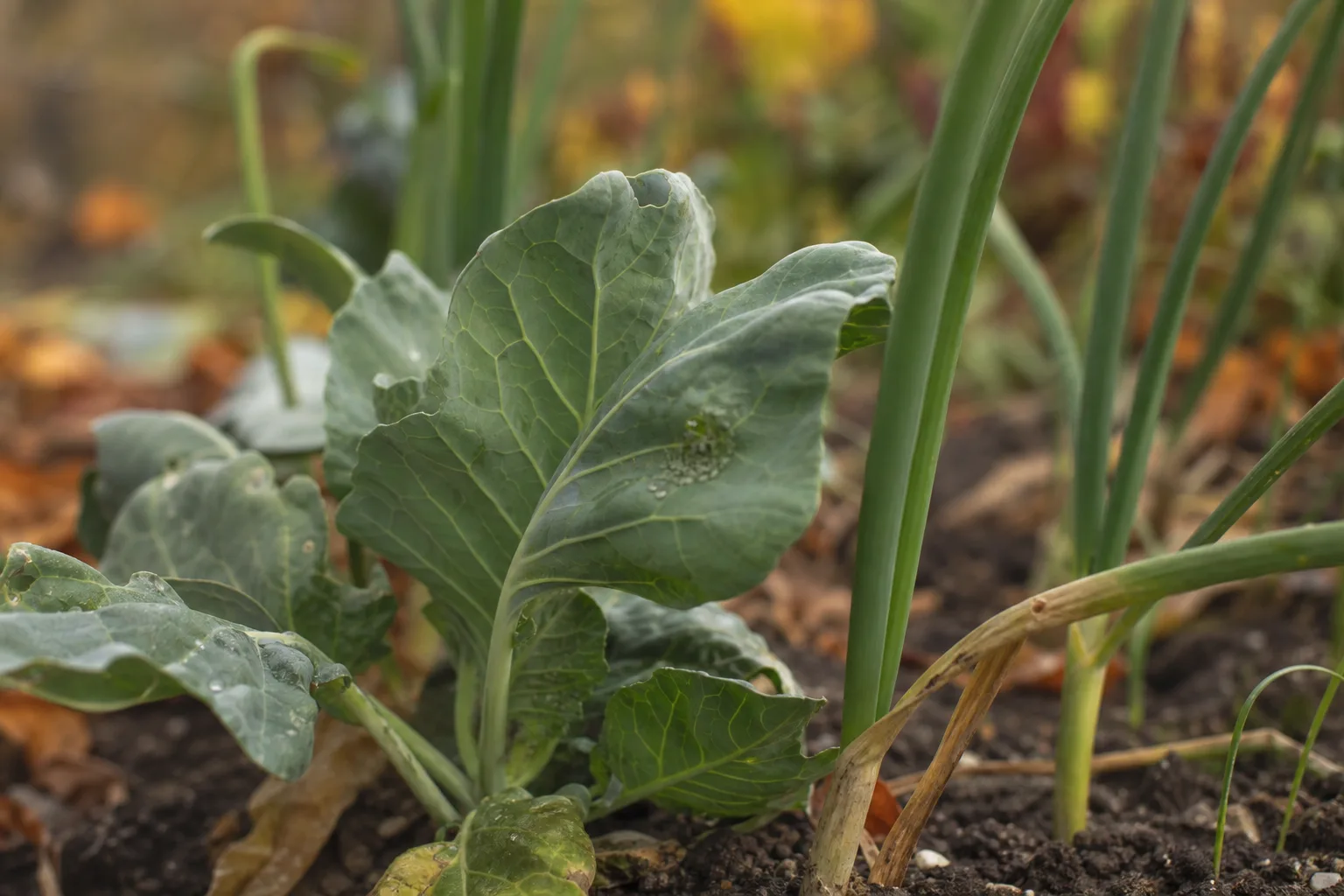
Does interplanting confuse garden pests better than repellent companion plants?
Interplanting is the better strategy because insects must first locate the right host plant before they can feed or lay eggs, and a mixed bed interrupts that search with non host plants and competing odors. Repellent plants alone make a bigger promise than the evidence supports. Build confusion first, then inspect and respond.
The useful mechanism is not a little force field around your cabbage. It is a messy olfactory and visual field. A pest flying over one solid block of cabbage gets a clear signal. A pest meeting cabbage, onion, basil and open soil has more decisions to make.
Research on companion plants describes intercropping as a way to disrupt host finding by giving insects both appropriate and non host choices, while volatile compounds from companion plants can mask the main crop's odor. Research on alternative pest control methods also lists behavior disruption and reduced host attractiveness among proposed mechanisms.
That is different from claiming that basil repels every aphid or that marigolds protect every tomato. They do not. A garden is not a scented candle with vegetables in it.
What should you plant together in a fall garden right now?
For a Central Texas fall bed, mix broccoli, kale or cabbage with onion, garlic, basil and flowering plants rather than planting one uninterrupted block of brassicas. Leave 12 to 18 inches between large vegetable centers, place non host plants through that space, and use at least three plant types in every 4 foot section.
Broccoli is useful as a fall target crop because its broad leaves create a clear host signal, but it needs about 18 inches of room and can shade smaller plants. Its tradeoff is that it still attracts caterpillars and aphids, so mixed planting lowers the odds of easy discovery without removing the need to look underneath leaves.
Onion gives you a narrow, upright non host among broad leaves and can be set 4 to 6 inches apart. Its tradeoff is slow growth in cool weather, and crowded onion plants do not make a reliable barrier. Garlic works similarly at 6 inch spacing, but fall planted cloves need months before producing a full bulb.
Basil adds a strong scent and can sit 12 inches from a brassica, though a first freeze will usually finish it. That is fine in October. Its tradeoff is a short fall window, so do not design the bed around basil surviving through January.
The goal is repeated interruption. One basil plant beside twelve cabbage plants is decoration. Four or five non host plants distributed through the same section are a pattern.
Why does pest confusion work better than a supposedly repellent plant?
Pest confusion works because insects have to find, recognize and accept a host before damage begins, while a diverse planting adds non host shapes and odors to that search. A repellent plant may affect behavior in some pairings, but it cannot be treated as universal protection because insect species and crop combinations differ.
Everyone says, “Plant marigolds to repel pests.” In practice, marigolds are more useful as one flowering component in a diverse bed than as a dependable shield. They may help add visual and scent variation, but they also occupy space, and their tradeoff is that they do not replace crop inspection or physical control.
Aphids are a good example of why I take the modest claim. Research lists onion and garlic with brassica crops under proposed repellency, deterrent and behavior disruption mechanisms, not as a guarantee that aphids will stay away. The review of alternative pest control methods supports using these plants as part of a system, not as magic.
The downside of confusion is that it can make scouting less tidy. You will have more plant shapes and more leaf undersides to check. That is labor, but it is cheaper than discovering a solid row has been hosting caterpillars for three weeks.
How far apart should mixed plants be in a fall bed?
Space fall vegetables by mature size, then fill the gaps with smaller non host plants instead of tightening everything into a crowded wall. Use 18 inches for broccoli, kale and cabbage, 6 inches for garlic, 4 to 6 inches for onion, and 12 inches for basil or marigold, with at least 3 feet of walking access around the bed.
If you plant cabbage at 12 inches because the nursery label looked optimistic, the leaves will overlap quickly. Overlap hides aphids and slows inspection. It also keeps the bed damp after watering, which is a poor bargain in Central Texas clay.
I prefer alternating short runs rather than a checkerboard of single plants. A practical 4 foot by 8 foot bed might hold a row of four brassicas at 18 inch centers, a row of onions at 6 inch centers, and scattered garlic and basil in the remaining spaces. The exact count depends on the mature spread.
Do not pack flowers against every vegetable. Marigolds need room for airflow and can compete for water, so their tradeoff is real. One plant every 18 to 24 inches is enough to break the visual rhythm without turning the bed into a root traffic jam.
A mixed bed still needs mulch, but keep mulch 2 inches away from each stem. Thick wet mulch touching a brassica stem creates a hiding place and makes the planting harder to inspect.
Should you mix plants in rows or use separate blocks?
Use short alternating rows or repeated small groups, not one vegetable block beside one companion block, because the pest still gets a clear landing zone in a solid crop patch. In a fall bed, repeat two or three brassicas, four to six onions, and one flowering plant across each 3 to 4 foot section.
Separate blocks are easier to harvest, but they preserve the odor and shape of the host crop. That arrangement has a tradeoff: it simplifies irrigation and crop rotation while giving insects a cleaner route to the vegetable they want.
Interplanting needs enough repetition to matter. One cabbage in a bed of onions is not the same design as twelve cabbages in a block with one marigold at the corner. The first has a strong mixed signal. The second has a large brassica signal with a flower mascot.
A good fall pattern is brassica, onion, brassica, garlic, brassica, then repeat. Add basil while temperatures remain mild and remove it after frost damage begins. If you use marigold, place it at the bed edge or in a gap where its mature width will not lean across a vegetable.
The plant database can help you check mature size before you choose companions, because nursery pots lie by omission. They show you the plant at six weeks, not the plant you will be pruning around in December.
Who is interplanting for, and who should ignore it?
Interplanting suits homeowners with small beds, moderate pest pressure and enough access to inspect leaves every five to seven days. Ignore it if you need perfectly straight harvest rows, cannot reach the middle of the bed, or expect companion plants to protect vegetables without scouting, watering and removing damaged leaves.
This works especially well for a 4 foot by 8 foot raised bed, a kitchen garden beside a patio, or a fall planting where you want several vegetables from limited ground. It also helps a gardener who can plant now, observe for six weeks and adjust the next round.
It is less suitable for a large production patch where machinery needs uninterrupted rows. It is also a poor fit for a neglected bed. Diversity does not cancel drought, deer pressure or a cabbage worm population that has already moved in.
Here in Austin, I have learned not to promise what August and September can take away. I grew up with my father's tomatoes in a twelve foot strip of New Jersey clay, where the question was whether a plant returned after frost. In Central Texas, the question is whether it is still alive after five weeks over 100 degrees. The bed has to be workable before it can be clever.
If you want a layout sized to your yard, you can get a concept for your yard, but keep the same rule: design for access first, then mix the crops.
What should you do if pests still find the crop?
If pests still find an interplanted crop, inspect the undersides of leaves, remove heavily infested leaves, wash small aphid colonies with a firm water spray, and record the date and location of the damage. Confusion lowers host finding success, but it is not a substitute for weekly observation or a response when damage rises.
Check fall beds every five to seven days, especially after a warm spell. Look for curled leaves, clusters of small insects, fresh chewing, eggs and sticky residue. Start at the outside plants, then inspect the crop center where air movement and visibility are worse.
A trap crop is another option, but it has a clear tradeoff: it can draw pests away from the main crop, yet it may also increase the number of pests on your property if you do not remove or manage the infested plants. Terroir Seeds describes trap cropping as a decoy approach that requires dealing with the pests once they gather.
Crop rotation can support the plan by changing where related crops grow, but it also has a tradeoff: a small home garden may not have enough space to move brassicas far enough each season. Use rotation when you can, but do not delay a fall planting waiting for a perfect four year map.
Should you spray a whole bed because you saw three aphids? No. Mark the plant, check it again in two days, and decide based on spread and damage.
Which pest management approach is best for a fall vegetable bed?
For a fall vegetable bed, I would choose diverse interplanting plus weekly scouting over repellent companion plants alone, because it addresses host finding while keeping the response proportional. Use a solid block only where access or harvest demands it, and use trap crops or rotation as supporting tools with their stated costs.
| Approach | Best use | Honest downside |
|---|---|---|
| Diverse interplanting | Small beds where mixed odors and non host plants can interrupt host finding | Harvesting and scouting take more attention |
| Repellent companion planting alone | Adding aromatic plants as one part of a mixed design | Results vary by insect and crop, and the companion does not form a protective wall |
| Trap cropping | Drawing pests toward a sacrificial plant that you can monitor | It can concentrate pests and fails if you do not manage the trap plant |
| Crop rotation | Reducing repeated pressure from pests tied to related crops | Small gardens may not have enough room for meaningful movement |
I favor interplanting because it gives you more than one useful effect without asking one plant to perform a miracle. It changes the crop's appearance, adds non host odors and creates more places for beneficial insects to work, although the research also warns that intercropping is not always a win for pest management. Cultural control research makes that caution plain.
The bed still needs sunlight, water and room to breathe. Confusion is a design tool, not a pardon for poor spacing.
What can you plant this fall to confuse pests?
This fall, plant brassicas with onion or garlic, add basil while temperatures remain above freezing, and include a few marigolds or other flowering plants as part of a varied layout rather than as promised repellents. Space each plant by mature size, repeat the mix every 3 to 4 feet, and scout every week.
For Round Rock, Austin and Del Valle, October is a practical time to establish cool season brassicas and alliums, though exact planting dates depend on the year's temperatures and nursery stock. If a late heat spell arrives, water deeply at the root zone and do not mistake wilt for pest damage.
On black clay, improve access before you add more plants. A 2 inch layer of finished compost can help the bed surface, but do not bury stems or assume compost fixes drainage. Clay that stays wet after a cold rain can still punish crowded roots.
On limestone or shallow caliche, build the bed above the rock rather than turning the planting plan into a two hour excavation with a rock bar. I have done that job. The rock won.
Plant the mix you can inspect, harvest and water. A diverse bed that you can reach is worth more than a perfect companion chart you cannot maintain.
Is companion planting the same as guaranteed pest control?
No, companion planting is not guaranteed pest control; it is a design strategy that may make host finding harder by mixing suitable and unsuitable plants and masking crop odors. Its tradeoff is uncertainty, because the effect varies with insect species, crop arrangement, weather and plant density.
Research on polyculture recommends focusing on diversity rather than specific magic pairings, with flowering plants used to support beneficial insects and multiple species used to make the garden more resilient. Skagit County Master Gardeners explain that diversity matters more than fixed companion recipes.
That is the honest promise I would make to a homeowner standing in the garden now: your cabbage may be harder for an insect to find, and the first landing or egg laying attempt may fail. I would not promise that every pest turns around at the gate.
Plant the mixed bed, check it on Saturday, and change the plan based on what is actually happening. The insects are already running their own experiment.
How many plant types should I mix in one fall bed?
Use at least three plant types in each 3 to 4 foot section of a fall bed, with a target vegetable, a non host such as onion or garlic, and a flowering or aromatic plant where space allows. More diversity can help, but crowding reduces airflow and makes scouting harder, so mature spacing still controls the design.
Does basil really repel pests from cabbage?
Basil may contribute a strong odor that masks or complicates host finding, but it does not reliably repel every pest from cabbage. Treat basil as one part of a mixed planting, place it about 12 inches from the brassica, and expect frost to end its usefulness in a Central Texas fall bed.
How often should I inspect an interplanted vegetable bed?
Inspect an interplanted vegetable bed every five to seven days during fall, checking leaf undersides, new growth and the center of the planting. Look again two days after finding a small colony or fresh chewing. Mixed beds interrupt pest movement, but they also require you to inspect more plant shapes and hiding places.
Are marigolds a reliable pest barrier?
Marigolds are not a reliable pest barrier. They can add flowers, scent and visual variety to an interplanted bed, but their tradeoff is that they occupy water and root space without guaranteeing protection. Plant one every 18 to 24 inches where it will not crowd vegetables, then keep scouting the crop.
Should I use a trap crop in a small home garden?
Use a trap crop in a small home garden only if you can inspect it frequently and remove or manage pests after they gather. Its benefit is concentrating damage away from the main crop, but its downside is concentrating pests on your property. For most small fall beds, diverse interplanting is my first choice.
Can interplanting replace crop rotation?
Interplanting cannot replace crop rotation, although it can help when a small garden lacks room to move crops far apart. Rotation changes where related crops grow, while interplanting disrupts host finding within the current bed. Use both when practical, but do not skip a timely fall planting because your rotation map is imperfect.
Want a plan for your own yard?
Tell us the space and we will put a planting plan together for it. Start at get my concept, or browse what actually grows where you are over on plants.
Frequently asked questions
How many plant types should I mix in one fall bed?
Use at least three plant types in each 3 to 4 foot section of a fall bed, with a target vegetable, a non host such as onion or garlic, and a flowering or aromatic plant where space allows. More diversity can help, but crowding reduces airflow and makes scouting harder, so mature spacing still controls the design.
Does basil really repel pests from cabbage?
Basil may contribute a strong odor that masks or complicates host finding, but it does not reliably repel every pest from cabbage. Treat basil as one part of a mixed planting, place it about 12 inches from the brassica, and expect frost to end its usefulness in a Central Texas fall bed.
How often should I inspect an interplanted vegetable bed?
Inspect an interplanted vegetable bed every five to seven days during fall, checking leaf undersides, new growth and the center of the planting. Look again two days after finding a small colony or fresh chewing. Mixed beds interrupt pest movement, but they also require you to inspect more plant shapes and hiding places.
Are marigolds a reliable pest barrier?
Marigolds are not a reliable pest barrier. They can add flowers, scent and visual variety to an interplanted bed, but their tradeoff is that they occupy water and root space without guaranteeing protection. Plant one every 18 to 24 inches where it will not crowd vegetables, then keep scouting the crop.
Should I use a trap crop in a small home garden?
Use a trap crop in a small home garden only if you can inspect it frequently and remove or manage pests after they gather. Its benefit is concentrating damage away from the main crop, but its downside is concentrating pests on your property. For most small fall beds, diverse interplanting is my first choice.
Can interplanting replace crop rotation?
Interplanting cannot replace crop rotation, although it can help when a small garden lacks room to move crops far apart. Rotation changes where related crops grow, while interplanting disrupts host finding within the current bed. Use both when practical, but do not skip a timely fall planting because your rotation map is imperfect.
Free, no obligation
Ready to design your dream landscape? Start here.
Tell us where you are and we will start a free profile for you, with plants that actually survive your climate and a real sense of what the build would cost.