
How to Identify and Treat Spotted Lanternfly and What to Report
Spotted lanternfly is a quarantine pest where reporting every sighting matters as much as control. Here’s how to recognize it at every life stage, treat infestations in your garden, and know exactly what and how to report so you don’t help it spread.
September 18, 2026
By Diego Navarro
What does spotted lanternfly look like at every life stage?
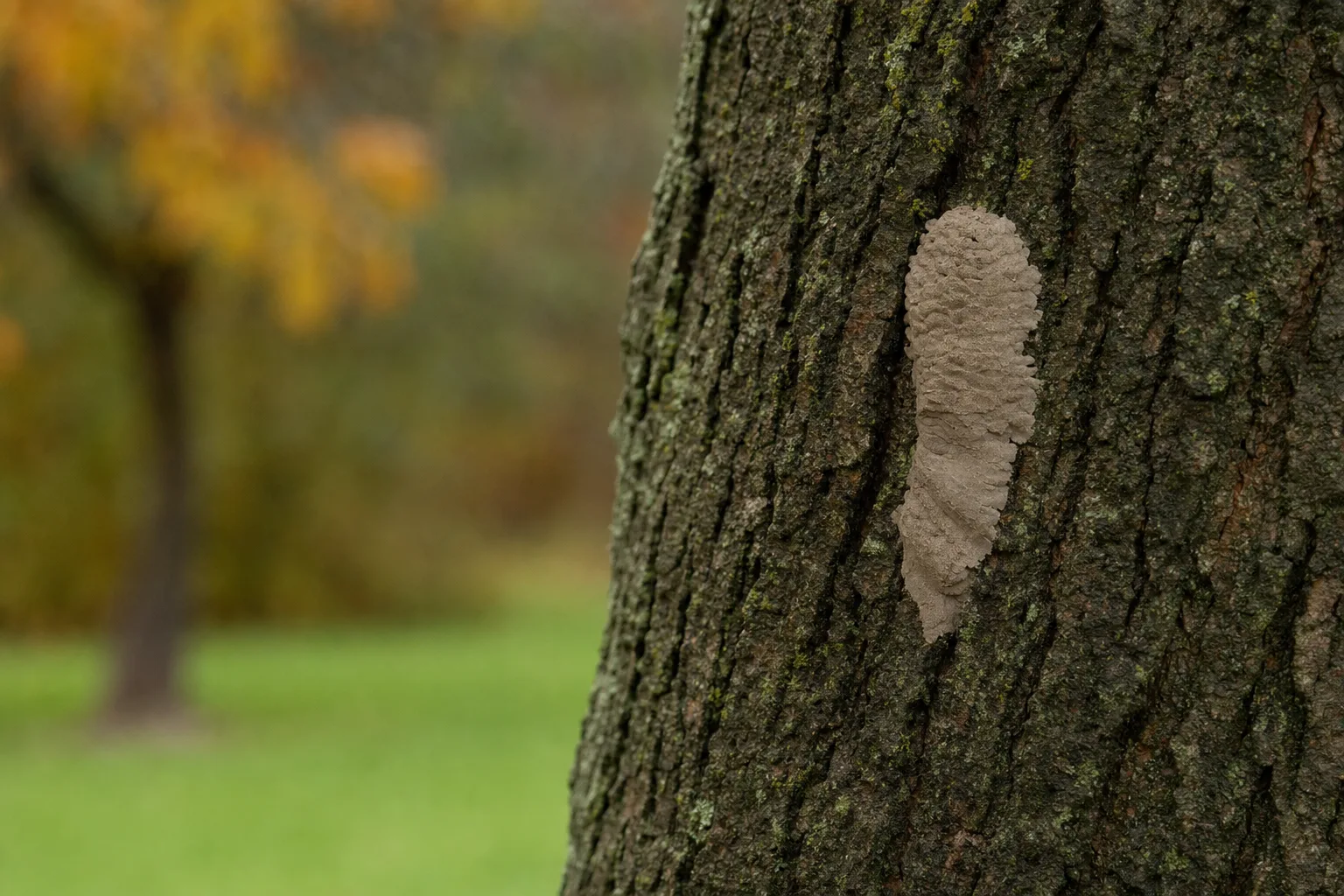
Spotted lanternfly changes appearance through the year, so you need to know all the forms: eggs are reddish-brown, mud-like patches with 30-50 eggs on tree bark, rocks, or outdoor gear; nymphs go from black with white spots to red with black and white patches; adults are 1-1.5 inches long, gray-blue with black spots, and show bright red underwings when startled.
Egg masses are easiest to spot from late fall through early spring, especially on smooth bark, stone, or even vehicles and lawn furniture. Nymphs hatch in late spring and go through four stages, the last one red and black. Adults show up midsummer through frost. Each stage looks different, if you see any of them, take a close photo before you act. Learn more from Maryland Extension.
How do you control spotted lanternfly in a home garden?
Physically destroy what you find: scrape egg masses into soapy water or alcohol, hand-pick or vacuum nymphs and adults and crush them in a sealed bag. Sticky traps and band traps can help catch nymphs, and horticultural oil or insecticidal soap can be used on egg masses in late winter or spring.
If you have a heavy infestation on grapevines, fruit trees, or ornamentals, use a registered, targeted low-impact insecticide (like neem or a labeled product for SLF). Always follow the label, and only treat high-value or heavily damaged plants. Don’t spray broadly, these bugs don’t chew leaves or damage wood, but they can stress plants by feeding on sap. See the full management guide from Penn State.
What exactly should you report, and how?
Report every sighting of spotted lanternfly, egg masses, nymphs, or adults, especially if you are outside the known quarantine zone. Take clear photos, note the date, time, and exact address, and send this to your state agriculture department or invasive species hotline. Include notes on the life stage you saw.
You should also report egg masses found on public property, on vehicles, or on anything that could be moved. Reports are most valuable when they include photographs and a precise location. Some states require online forms; others will take phone calls. Pennsylvania’s online reporting and hotline: 1-888-4BADFLY. Connecticut’s reporting form.
Why is reporting as important as killing the bugs?
Spotted lanternfly is a quarantine pest, every report helps track its spread and triggers new quarantine zones if it’s found outside known areas. Killing the bugs helps your yard, but reporting helps everyone by slowing the spread to new counties and states.
Without accurate reports, agriculture departments can’t update quarantine maps or target outreach. Missing even one egg mass on something like a camper or a stack of firewood lets the pest jump to a new area. If you’re in Central Texas, you know how fast an invader can take hold. If you find an SLF, report it before you destroy it.
What mistakes do people make with spotted lanternfly control?
The most common mistake is ignoring egg masses or thinking a single adult is no big deal. People also forget to check vehicles, firewood, and outdoor equipment for hitchhikers. Spraying broad-spectrum insecticides wastes money, kills pollinators, and doesn’t stop the spread.
Sticky traps can catch non-target insects and even birds or small mammals if not set up carefully. If you use them, check daily and place them in a way that minimizes harm to other wildlife. Remember, this pest jumps and flies, so it can show up anywhere, not just in your trees.
What are the best ways to prevent spotted lanternfly from spreading?
Always inspect and clean vehicles, trailers, firewood, and outdoor gear before moving them out of a known quarantine area. Don’t move firewood or outdoor equipment unless you’ve checked for egg masses and bugs. Prune or remove tree-of-heaven (Ailanthus altissima) and wild grape, which are favorite hosts.
Keep your garden plants healthy with regular watering and mulching to reduce stress. If you’re traveling, roll up your car windows and avoid parking under infested trees. Prevention is about breaking the cycle: if you catch an egg mass in fall, that’s 30-50 bugs you just stopped cold.
Who should be concerned about spotted lanternfly, and who shouldn’t worry?
If you live in or near a quarantine area, grow grapes, fruit trees, or have tree-of-heaven or wild grape nearby, you need to pay close attention to SLF. Anyone who moves vehicles, firewood, or outdoor gear between counties or states should check for egg masses and report any sightings.
If you’re far from any known infestations and don’t have high-value host plants, the risk is lower, but early detection helps your whole region. Spotted lanternfly doesn’t bite, sting, or damage structures, so you don’t need to panic if you find one in your yard, but you do need to act.
How do you recognize spotted lanternfly’s preferred host plants?
Tree-of-heaven is the big one, an invasive tree with smooth bark, compound leaves, and a strong peanut-butter odor when crushed. Wild grape, black walnut saplings, and maples can also host SLF. Adults and nymphs cluster on these plants, especially in late summer.
If you don’t know what’s growing in your yard, check our plant database for ID tips and photos. Removing or pruning tree-of-heaven reduces your yard’s attraction to SLF and helps prevent a breeding population.
What’s the difference between spotted lanternfly and lookalike insects?
Spotted lanternfly adults are unique: gray-blue front wings with black spots, bright red hind wings, and a body about 1-1.5 inches long. Nymphs start out black with white spots, then turn red with black and white patches. No US-native bug matches all these stages.
Don’t confuse them with boxelder bugs (smaller, orange, no spots) or moths (different wing shape and color). If you aren’t sure, take a photo and include it in your report. The state needs photos to confirm a new sighting. Connecticut’s ID guide is good for side-by-side comparisons.
What are the pros and cons of different spotted lanternfly treatments?
| Treatment Method | Pros | Cons / Downsides |
|---|---|---|
| Scraping Egg Masses | No chemicals, easy to do, stops 30-50 bugs | Missed masses will still hatch |
| Hand-picking/Vacuuming | Targets only SLF, no spray needed | Labor-intensive, may miss hidden bugs |
| Sticky/Band Traps | Reduces nymph/adult numbers | Can catch non-target wildlife, check daily |
| Horticultural Oil/Soap | Low-impact, safe for most plants | Must be applied directly to egg masses |
| Targeted Insecticides | Can control heavy infestations | Kills beneficials if misused, follow label |
What resources can help you identify, report, or manage SLF?
For plant ID and to check if you have host plants, use our plant database. For design changes that might reduce SLF habitat, you can get a concept for your yard and see if removing tree-of-heaven or wild grape makes sense.
State resources include online reporting forms, hotlines, and quarantine maps. Pennsylvania’s interactive map and hotline are updated regularly. Maryland, Connecticut, Ohio, and California all have dedicated SLF reporting and management pages. Always check your local extension office for the latest advice.
Frequently Asked Questions
What does a spotted lanternfly egg mass look like?
Spotted lanternfly egg masses look like muddy, gray-brown smears about 1.5 inches long, often on tree bark, rocks, vehicles, or outdoor gear. Each mass contains 30-50 eggs and is laid in rows, sometimes covered by a waxy coating. They’re most visible from fall through early spring.
How do I report a spotted lanternfly sighting?
Report a sighting by taking a clear photo, noting the date, time, and exact location, and submitting this information to your state agriculture department, extension office, or spotted lanternfly hotline. Online forms and phone hotlines are available in most states, such as 1-888-4BADFLY in Pennsylvania.
Can spotted lanternfly damage or kill my trees?
Spotted lanternfly does not directly kill mature trees but can stress them by feeding on sap, especially in heavy infestations. Young plants, vines, or already stressed trees are at greater risk for decline. Keeping plants healthy and reducing SLF numbers limits the damage.
What are the best ways to kill spotted lanternfly in my yard?
Physically removing and destroying spotted lanternfly at every life stage is most effective: scrape and destroy egg masses, hand-pick or vacuum nymphs and adults, and use sticky traps or low-impact sprays on high-value plants. Only use insecticides labeled for SLF and follow all directions closely.
How can I prevent spreading spotted lanternfly to new areas?
Always inspect and clean vehicles, firewood, and outdoor items before leaving a quarantine zone. Destroy any egg masses you find, and avoid moving outdoor gear that could be harboring SLF. Reporting any sighting helps quarantine authorities track and contain new outbreaks.
Are there any lookalikes I should worry about misidentifying?
Yes, but spotted lanternfly adults are distinctive with their gray wings and red underwings, while nymphs’ color patterns are unique. If you are unsure, take a photo and submit it with your report, experts will confirm the ID for you.
Want a plan for your own yard?
Tell us the space and we will put a planting plan together for it. Start at get my concept, or browse what actually grows where you are over on plants.
Frequently asked questions
What does a spotted lanternfly egg mass look like?
Spotted lanternfly egg masses look like muddy, gray-brown smears about 1.5 inches long, often on tree bark, rocks, vehicles, or outdoor gear. Each mass contains 30-50 eggs and is laid in rows, sometimes covered by a waxy coating. They’re most visible from fall through early spring.
How do I report a spotted lanternfly sighting?
Report a sighting by taking a clear photo, noting the date, time, and exact location, and submitting this information to your state agriculture department, extension office, or spotted lanternfly hotline. Online forms and phone hotlines are available in most states, such as 1-888-4BADFLY in Pennsylvania.
Can spotted lanternfly damage or kill my trees?
Spotted lanternfly does not directly kill mature trees but can stress them by feeding on sap, especially in heavy infestations. Young plants, vines, or already stressed trees are at greater risk for decline. Keeping plants healthy and reducing SLF numbers limits the damage.
What are the best ways to kill spotted lanternfly in my yard?
Physically removing and destroying spotted lanternfly at every life stage is most effective: scrape and destroy egg masses, hand-pick or vacuum nymphs and adults, and use sticky traps or low-impact sprays on high-value plants. Only use insecticides labeled for SLF and follow all directions closely.
How can I prevent spreading spotted lanternfly to new areas?
Always inspect and clean vehicles, firewood, and outdoor items before leaving a quarantine zone. Destroy any egg masses you find, and avoid moving outdoor gear that could be harboring SLF. Reporting any sighting helps quarantine authorities track and contain new outbreaks.
Are there any lookalikes I should worry about misidentifying?
Yes, but spotted lanternfly adults are distinctive with their gray wings and red underwings, while nymphs’ color patterns are unique. If you are unsure, take a photo and submit it with your report, experts will confirm the ID for you.
Free, no obligation
Ready to design your dream landscape? Start here.
Tell us where you are and we will start a free profile for you, with plants that actually survive your climate and a real sense of what the build would cost.