
Can You Harvest Food and Seeds From the Same Fruit?
A fruit cannot be harvested at its best eating stage and its best seed stage at the same time. Pick most of your crop for the kitchen, then leave a small, deliberate share on the plant until it fully ripens, hardens, and begins to dry.
September 21, 2026
By Valeria Navarro
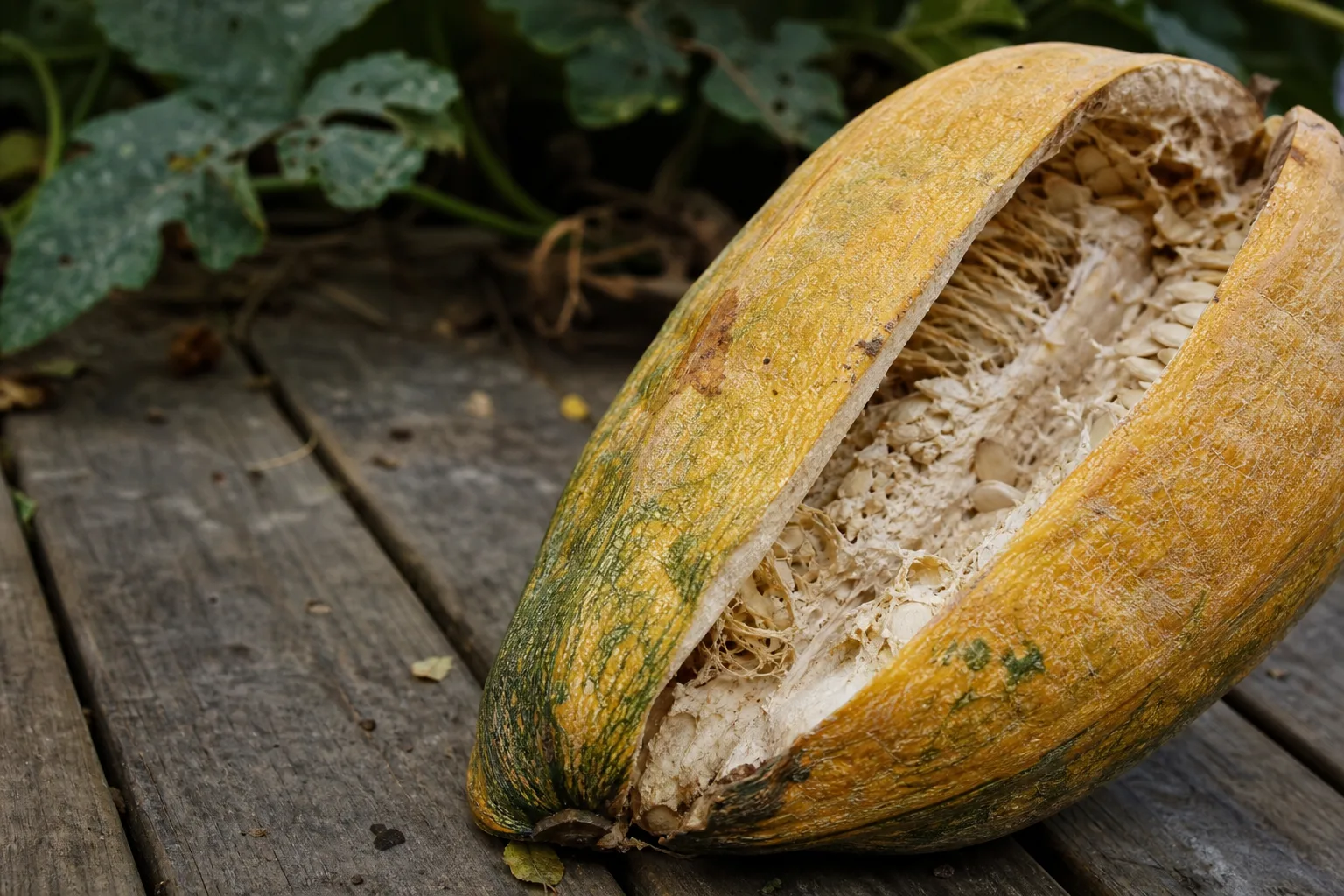
Pick a fruit for the kitchen while it is tender, firm, and at its best eating stage, or leave it on the plant until the flesh declines and the seed matures. You cannot harvest both goals from the same fruit, so reserve 5 to 10 percent for seed and enjoy the rest now.
Can you harvest food and viable seed from the same fruit?
You cannot harvest one fruit at its best eating stage and its best seed stage at the same time. Food harvest favors tender flesh, good texture, and developed flavor, while seed harvest requires the fruit to remain on the plant until the seeds finish maturing and the fruit begins to dry. Choose the goal before you cut.
That is the whole argument. Not every fruit needs to be sacrificed to the seed envelope. Most of the crop belongs in your kitchen, and a small portion belongs on the plant longer.
Pollination starts the process. Pollen reaches the flower’s stigma, the ovary enlarges into fruit, and seeds form inside it, as NC State Extension explains. A fruit that looks ready outside may still hold immature seed inside.
I learned this the annoying way with a summer squash I planned to save. I kept waiting for the seeds while the fruit became a pale, heavy club that Diego refused to call dinner. The seed was the point, but that fruit was not both things anymore.
Which fruits should you eat now and which should you leave for seed?
Eat the bulk of your crop at its normal food stage, and mark only a few fruits for seed. Eggplant should be glossy and deep purplish-black with a firm body and attached stem for eating, while zucchini is usually best at 6 to 8 inches; both become tougher as they stay on the plant for seed development.
For eggplant, cut with a short stem attached rather than tearing the fruit from the plant. The trade-off is clear: an eating eggplant gives you good texture now, but a seed fruit must stay far longer and will lose that kitchen quality.
Zucchini is especially sneaky in fall. It hides under broad leaves, then grows past the useful eating size in a day or two. The usual 6 to 8 inch harvest gives you tenderness, while an oversized fruit gives you more mature seed and a thicker, less pleasant rind, as Eckert’s notes.
Pepperoncini are another food-first crop if you want crisp pods for cooking. Their harvest timing depends on the variety and planting window, and the trade-off is that leaving pods longer for seed means fewer tender peppers for the table.
Use the plant database to check the normal eating stage for your exact variety, because a dark color, softening skin, or mature pod does not mean the same thing on every fruiting vegetable.
How many fruits should you reserve for seed?
Reserve about 5 to 10 percent of the total crop for seed and harvest the rest for food. If you have 30 fruits, leave 2 to 3 strong, healthy examples on the plant; if you have only 6 fruits, one carefully chosen fruit may be enough, but your seed supply will be smaller.
Choose fruit from a vigorous plant with no obvious disease, insect damage, or poor growth. A seed fruit carries the next season’s possibility, so do not reward the plant that struggled all summer just because its last fruit is convenient.
Mark the chosen fruit with a loose piece of weatherproof tape or a garden label. The trade-off is a little money and five minutes of marking, but that prevents the classic October mistake of picking the one fruit you meant to leave.
You also lose some harvest weight. That is not a failure. It is the cost of making seed. A 10 percent seed reserve is much cheaper than leaving every fruit to become tough, dry, and useless for dinner.
How do you know a fruit is ready for seed?
A seed fruit is ready when it has gone beyond the eating stage, the seeds have had time to mature, and the fruit begins to harden, dry, turn papery, or split. The exact outside color varies by crop, so judge the whole fruit rather than relying on one rule such as “leave it until it turns red.”
The fruit should look overripe by kitchen standards. That is the point. Eggplant may lose its glossy eating finish, zucchini may become large and hard-rinded, and a pod may dry on the plant before you cut it.
Do not yank the fruit at the first sign of color change. Seed maturity is an inside job, and the research guidance is to let reserved fruit fully ripen on the plant until the seed has finished and the fruit starts drying.
Watch the weather in Austin. A fall fruit left through a cold snap, heavy rain, or a hard freeze may rot before the seed is usable. You are balancing maturity against weather, not waiting forever for a magical final day.
Who is this harvest plan for, and who should ignore it?
This plan suits a gardener who wants fresh food now and a modest supply of seed for next season. It also suits small gardens where every fruit matters, because reserving only 5 to 10 percent protects most of the crop. Ignore it if you need every fruit for dinner or are growing a hybrid you do not expect to reproduce reliably.
Choose food-only harvesting if you are standing in the garden hungry, have a tiny crop, or do not yet know the variety. There is no virtue in turning your only good eggplant into a shriveled seed project when the better decision is supper.
Choose seed harvesting if you have enough fruit to spare, know which plant you want to continue, and can watch the reserved fruit for several weeks. The trade-off is time, space, and an ugly fruit that no longer earns its place in the skillet.
You can also do both across the whole plant. Pick the first 90 to 95 percent for food, then leave the final 5 to 10 percent for seed. That is the approach I use because it gives the kitchen priority without emptying the future garden.
What are the real choices for harvesting this fall?
You have three honest choices: harvest everything for food, reserve a small portion for seed, or leave the whole crop for seed. I recommend the middle choice because it protects the eating quality of most fruits while giving you mature seed without asking an entire plant to become a dry, forgotten mess.
| Harvest choice | Best use | What you gain | Honest downside |
|---|---|---|---|
| Harvest everything for food | A small crop or immediate meals | Maximum tenderness and flavor | No mature seed from that crop |
| Reserve 5 to 10 percent for seed | Most home gardens | Food for now and seed for next season | A few fruits become tough and inedible |
| Leave the whole crop for seed | A dedicated seed crop | The largest seed supply | Little useful food and more risk of rot |
Food-only harvesting is not wasteful if food is your goal. A seed-only crop is not wrong if seed is your goal. The waste happens when you expect a tender zucchini or glossy eggplant to remain excellent after you have left it on the plant long enough to mature seed.
If you want a simple layout for next year’s crop, get a concept for your yard before you plant. Put seed crops where you can reach them easily, because a hidden fruit is a missed harvest wearing a green disguise.
How should you cut and handle the seed fruit?
Cut the fully mature fruit from the plant rather than pulling it loose, then remove the seeds and clean away pulp before drying them. Spread the clean seeds on a screen in a warm, airy place for several days, and store them in a labeled envelope only after they are thoroughly dry.
A sharp knife or pruners gives you a clean cut, but the trade-off is that cutting tools need care and can spread problems between plants if they are dirty. Keep your cut deliberate, leave enough stem to handle the fruit, and do not crush the seed cavity.
Scoop or scrape the seeds from the mature fruit, depending on the crop. Remove clinging pulp because wet organic material slows drying and can encourage decay. The goal is not pretty seed. The goal is clean seed that dries evenly.
Use a screen rather than a solid plate when you can. Air movement helps, but the screen takes storage space and small seeds can fall through the openings, so place a clean tray underneath or choose a tighter mesh.
Spread the seeds in one layer. Stir them once each day for several days, then label the envelope with the plant name and harvest year. An unlabeled envelope is not a seed collection. It is a tiny future argument.
Can you save seeds from fruit that was picked too early?
Usually, you should not count on seed from fruit picked at the eating stage because the seeds may not be fully mature. If you picked it before deciding, use the fruit for food and reserve another fruit on the plant until it hardens, dries, or begins to split.
This is where the rule of thumb fails. Everyone says a mature-looking fruit must contain mature seed, but the outside can develop ahead of the seed, especially when you are harvesting for tenderness rather than reproduction.
A firm, glossy eggplant is a good eating harvest, not automatically a seed harvest. A 6 to 8 inch zucchini is a practical kitchen harvest, not the stage to trust for a full seed supply.
Do not toss the picked fruit into a warm corner and hope. Letting it sit off the plant may change its texture, but the research direction is to mature the selected fruit on the plant before cutting it.
What should you do in the garden today?
Today, harvest every fruit that is at its best eating stage, then choose and mark 5 to 10 percent of the strongest fruits to remain on the plant. Check those marked fruits every few days through fall, and cut them when they fully mature, harden, dry, or begin to split, before rot or a freeze takes over.
Start with a basket and a label. The basket is for dinner. The label is for the future. That small separation keeps your hands from making a decision your garden did not get to make.
In Austin, I would not leave a seed fruit unattended through a stretch of wet weather or a forecast near freezing. The February 2021 freeze taught every Central Texas gardener that “a few more days” is not always a harmless plan, and fall weather can turn a mature fruit into mush quickly.
Once the seed fruit comes inside, clean it promptly and dry the seeds for several days in moving air. Store only fully dry seed in a labeled envelope in a cool, dry place, then write down the variety and the harvest date while you still remember.
How many fruits should I leave for seed?
Leave about 5 to 10 percent of your crop for seed, choosing healthy fruits from vigorous plants. For 30 fruits, that means 2 to 3 reserved fruits. The trade-off is losing a little food now, but reserving the whole crop costs much more in meals and increases the chance of rot.
Can I eat part of a fruit and save the seeds from the rest?
You can remove some flesh, but you cannot count that same fruit as both a prime food harvest and a dependable seed harvest. Viable seed needs the fruit to remain on the plant until it fully ripens, hardens, and begins to dry, so reserve a separate fruit for seed instead.
When should I pick a zucchini for eating?
Pick zucchini at about 6 to 8 inches, checking the plant daily because hidden fruit can become oversized within 24 hours. Smaller zucchini usually gives you better tenderness, while a fruit left for seed becomes large, hard-rinded, and less useful in the kitchen, even though its seeds have more time to mature.
How do I dry seeds before storing them?
Clean the seeds, remove pulp, and spread them in one layer on a screen in a warm, airy place for several days. Stir them once daily so they dry evenly, then place them in a labeled envelope only when completely dry. Damp seed can deteriorate in storage, so patience matters more than speed.
Should I save seed from every plant in my garden?
No. Save seed from only a small, healthy portion of the crop unless you are deliberately growing a seed crop. Every reserved fruit costs you food and space, and varieties can cross-pollinate with related varieties, so a small home garden may produce seed that does not come true to the parent plant.
What should I do with the rest of the crop this fall?
Harvest the rest as food when each fruit reaches its best eating stage, then cook, share, or preserve it rather than leaving it to age on the plant. Keep the marked seed fruits separate, inspect them every few days, and bring them in before rot, heavy rain, or freezing weather ruins the seed.
The kindest harvest is the honest one. Eat what is ready, reserve what you truly need, and let each fruit do one job well.
Want a plan for your own yard?
Tell us the space and we will put a planting plan together for it. Start at get my concept, or browse what actually grows where you are over on plants.
Frequently asked questions
How many fruits should I leave for seed?
Leave about 5 to 10 percent of your crop for seed, choosing healthy fruits from vigorous plants. For 30 fruits, that means 2 to 3 reserved fruits. The trade-off is losing a little food now, but reserving the whole crop costs much more in meals and increases the chance of rot.
Can I eat part of a fruit and save the seeds from the rest?
You can remove some flesh, but you cannot count that same fruit as both a prime food harvest and a dependable seed harvest. Viable seed needs the fruit to remain on the plant until it fully ripens, hardens, and begins to dry, so reserve a separate fruit for seed instead.
When should I pick a zucchini for eating?
Pick zucchini at about 6 to 8 inches, checking the plant daily because hidden fruit can become oversized within 24 hours. Smaller zucchini usually gives you better tenderness, while a fruit left for seed becomes large, hard-rinded, and less useful in the kitchen, even though its seeds have more time to mature.
How do I dry seeds before storing them?
Clean the seeds, remove pulp, and spread them in one layer on a screen in a warm, airy place for several days. Stir them once daily so they dry evenly, then place them in a labeled envelope only when completely dry. Damp seed can deteriorate in storage, so patience matters more than speed.
Should I save seed from every plant in my garden?
No. Save seed from only a small, healthy portion of the crop unless you are deliberately growing a seed crop. Every reserved fruit costs you food and space, and varieties can cross-pollinate with related varieties, so a small home garden may produce seed that does not come true to the parent plant.
What should I do with the rest of the crop this fall?
Harvest the rest as food when each fruit reaches its best eating stage, then cook, share, or preserve it rather than leaving it to age on the plant. Keep the marked seed fruits separate, inspect them every few days, and bring them in before rot, heavy rain, or freezing weather ruins the seed.
Free, no obligation
Ready to design your dream landscape? Start here.
Tell us where you are and we will start a free profile for you, with plants that actually survive your climate and a real sense of what the build would cost.