
Growing Vegetables in Shade: What to Plant This Fall
A shady garden can still produce a useful fall harvest. Grow leafy greens and cool-season roots, improve the soil under trees, and stop wasting space on tomatoes, peppers, squash, and cucumbers that need far more sun.
September 27, 2026
By Diego Navarro
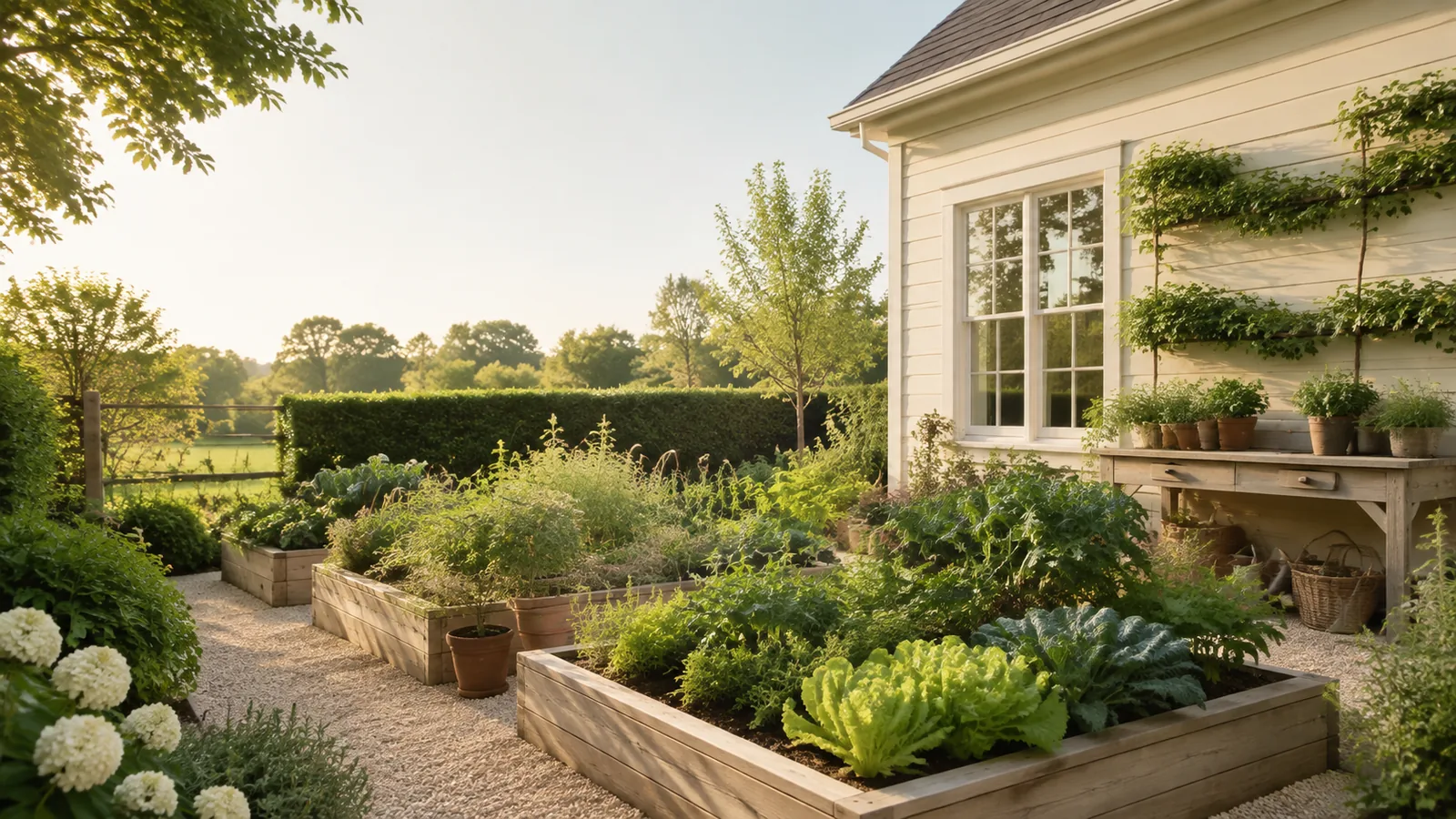
What vegetables grow in shade?
You can grow lettuce, spinach, arugula, kale, Swiss chard, mustard greens, collards, broccoli, cabbage, peas, beets, carrots, radishes, turnips, leeks, and garlic in a garden that receives 3 to 6 hours of direct sun. For fall, I would choose greens and radishes first because they give you food sooner and tolerate reduced light better than fruiting crops. That is the play.
The Garden Style lists these crops among vegetables suited to partial shade, but shade still slows growth. A lettuce head may take longer to size up, and a carrot may stay smaller than one grown in open sun.
Here is the honest trade-off for each useful group:
- Lettuce is quick and productive, but it can become loose and thin in low light.
- Spinach handles cool weather well, but it bolts once heat arrives.
- Arugula grows fast, but its peppery leaves can become too sharp if you wait too long.
- Kale, collards, mustard greens, and Swiss chard keep producing, but each takes more bed space than baby lettuce.
- Broccoli, cabbage, and Brussels sprouts tolerate shade, but they need patience and a longer harvest window.
- Radishes and turnips finish quickly, but their roots may stay smaller in shade.
- Carrots, beets, leeks, and garlic are workable, but reduced light can mean smaller roots or bulbs.
- Peas are worth trying along the brightest edge, but they need support and will not forgive a dry root zone.
Check the variety label for “shade-tolerant” or early-season production before you buy. The label will not perform a miracle, but it can keep you from asking a July tomato to do a winter green’s job.
How much sun does a shaded vegetable garden need?
Partial shade means 3 to 6 hours of direct sun each day, while leafy vegetables can manage with less light than crops grown for fruit. Stand in the proposed bed now and count uninterrupted direct-sun hours, rather than guessing from the amount of brightness your eye sees. Bright shade is still shade.
Track the bed from 8 a.m. to 4 p.m. for one clear day in fall, writing down when direct sunlight reaches the soil and when a tree, fence, house, or roof blocks it. Morning sun is useful, but six hours split by a long dark middle period will not act exactly like six steady hours.
A bed with 3 to 4 hours of sun belongs to lettuce, spinach, arugula, mustard greens, and baby kale. Those crops have a better chance of giving you repeated leaves than a large cabbage head.
A bed with 5 to 6 hours can handle the broader list, including beets, carrots, radishes, turnips, peas, broccoli, cabbage, leeks, and garlic. Root crops still need loose soil, and brassicas still need room.
Everyone says more shade means fewer vegetables. In practice, fall shade can stretch the life of cool-weather greens because the soil and leaves do not heat as quickly, though growth will be slower. The shade-garden guidance from ThriftyFun also places partial shade at 3 to 6 hours and identifies leafy crops as strong choices.
Can vegetables grow with only three hours of sun?
Yes, vegetables can grow with only three hours of sun, but choose baby lettuce, spinach, arugula, mustard greens, and small radishes rather than fruiting crops or large heads. Expect slower growth and smaller harvests, then sow a little more often to compensate. Three hours is a greens bed, not a tomato bed.
What should you plant in a fall shade garden?
For a fall garden, plant fast greens first, then add a few roots and hardy crops for later harvest. Sow radishes and arugula directly, set out lettuce and kale transplants, and reserve the brightest edge for peas, beets, carrots, broccoli, or cabbage. This order gives you something to cut within weeks instead of waiting for one ambitious crop.
Use this simple fall layout for a 4 by 8 foot bed:
| Crop | Spacing | Best use in shade | Honest downside |
|---|---|---|---|
| Lettuce | 8 inches | Repeated leaf harvest | Heads may stay smaller |
| Radish | 2 to 3 inches | Fast root crop | Roots can be undersized |
| Spinach | 6 inches | Cool-weather leaves | Slow in deep shade |
| Kale | 12 inches | Long harvest window | Occupies more space |
| Carrot | 3 inches | Brightest bed edge | Roots may take longer |
| Pea | 3 inches | Tall edge or trellis | Needs support and steady moisture |
Sow radish, arugula, lettuce, or spinach every 2 to 3 weeks while temperatures remain suitable for germination. Succession planting is more reliable than planting one huge row and hoping it all matures together.
Start seeds indoors 4 to 6 weeks before your last frost if you are planning spring crops, or buy sturdy fall transplants now. Indoor starts gain time, but they need a strong light and hardening off, and that is another small chore on the kitchen counter.
Do not spend your fall budget on tomatoes, peppers, squash, or cucumbers for this bed. These fruiting crops generally need 8 to 10 hours of full sun to set and mature fruit, so shade gives you tall plants, disappointing harvests, and a season of explaining the situation to yourself. Garden Betty makes the same distinction between leafy crops and fruiting vegetables.
What are the best vegetables to grow in shade during fall?
The best vegetables to grow in shade during fall are lettuce, spinach, arugula, kale, mustard greens, Swiss chard, radishes, turnips, beets, carrots, peas, broccoli, cabbage, leeks, and garlic. Start with leafy greens and radishes for quick harvests, then use the brightest strip for slower roots and brassicas that need more time.
How do you prepare soil under trees?
Prepare soil under trees with 2 to 3 inches of finished compost worked into the top 6 inches, while protecting major roots and keeping added soil away from trunks. Nearby tree roots compete for water and nutrients, so rich organic matter helps, but digging through a root mat is not a gardening victory. It is just a sore back.
In Central Texas, I test the bed with a shovel before I buy seed. Caliche can stop you eight inches down, and black clay can move a neat little bed over one wet winter. If the soil is hard, make a raised bed or use a 10 to 12 inch deep container rather than fighting limestone with hope.
Compost improves the planting mix, but too much can settle, dry unevenly, or leave you with a soft bed that needs topping up each season. Use finished compost that smells earthy, not hot or sour, and mix it into existing soil instead of filling the whole bed with compost.
Keep mulch 2 inches deep around plants, leaving 2 inches of open soil around each stem. Straw helps reduce splashing but can shelter slugs, while shredded leaves are useful and inexpensive but may mat if applied more than 3 inches deep.
Before planting, remove weeds and old foliage, break clods to a fine seedbed, and water the bed deeply. Do not pulverize wet clay. It becomes brick with a better publicist.
How should you arrange and water vegetables in shade?
Arrange rows east to west so taller plants follow the sun’s path without casting as much shade across shorter crops, and water at the root zone with drip irrigation or a soaker hose. Shaded soil often stays moist longer, but tree roots can pull water away quickly, so check 2 inches below the surface before watering again.
Put lettuce, spinach, and radishes on the south or brightest edge, then place kale, peas, broccoli, or cabbage behind them. A pea trellis gives you vertical production, but it also creates shade, so do not put it in front of your only light source.
Space the plants so air can move: lettuce at 8 inches, spinach at 6 inches, kale at 12 inches, radishes at 2 to 3 inches, and carrots at 3 inches after thinning. Crowding feels productive on planting day and looks like a damp pest nursery three weeks later.
Drip irrigation uses water efficiently at the root zone, but it costs more to install and clogged emitters can quietly kill one section of a bed. A soaker hose is cheaper and simple, though it can water unevenly if it is kinked or laid across compacted soil.
In Austin, I put irrigation on a timer before August arrives because August does not negotiate. For a fall bed, run it long enough to wet the top 6 inches, then check the soil after 24 hours instead of watering by calendar.
Who is growing vegetables in shade a good fit for?
Growing vegetables in shade suits you if your yard has a 3 to 6 hour sun pocket, a tree-root problem, or a small garden that needs useful greens instead of a perfect summer harvest. It is a poor fit for anyone expecting full-size tomatoes, peppers, squash, and cucumbers from a bed that never reaches 8 hours of sun.
This approach fits a north-side fence line, a courtyard with morning sun, or the space beneath a high-canopy tree where the soil can be improved without cutting major roots. It also suits a renter using containers that can move toward the brightest edge.
It does not fit a bed receiving only reflected light all day. Lettuce may survive there, but survival is not the same as a harvest you can put beside dinner.
Containers solve the light problem for sun-loving crops because you can move them as the season changes. The trade-off is water: a container dries faster than ground soil, heats at the roots, and may need checking every day in warm weather.
If you want a layout before you move soil, use get a concept for your yard to work out the sunny edge, walking space, and irrigation route. A drawing cannot remove a limestone shelf, but it can keep you from building over one.
Should I grow tomatoes in a shady vegetable garden?
You should not grow tomatoes in a shady vegetable garden unless you can move the plants to a spot with at least 8 to 10 hours of full sun. Tomatoes may grow leaves in partial shade, but they will set and mature less fruit. Use containers in the sunniest location instead, accepting that containers dry quickly and need closer watering.
How can you get more light and fewer pests?
Increase usable light by trimming overhanging branches where appropriate, moving obstacles, or placing a white wall, fence, or sheet nearby to reflect light toward the bed. Reduce shade-related pest trouble by keeping foliage tidy and using simple snail traps, but do not mistake a trap for a cure. The bed still needs airflow.
Only prune branches you can safely reach and identify, and never remove a large limb just to rescue a row of lettuce. A modest opening in the canopy can help, while aggressive pruning can stress the tree and create a much larger project than the vegetables deserve.
A white fence reflects more light than a dark fence, but it can glare, stain, and look odd if placed without thought. Use a clean white panel on the darkest side of the bed, then watch the plants for a week before building anything permanent.
For snails, set a shallow dish of beer or yeast-spiked water near the bed and empty it regularly. The dish can attract other insects and pets, so place it where children and animals cannot reach it, and remove it after the wet spell.
Remove yellow leaves, thin crowded seedlings, and clear fallen debris every few days. Tidy foliage improves airflow, but over-cleaning bare soil leaves roots exposed and makes moisture swing faster. Mulch lightly instead.
How do you keep harvesting from a shady garden?
Keep harvesting by sowing quick greens every 2 to 3 weeks, picking outer leaves instead of uprooting the whole plant, and replacing tired crops as soon as a gap opens. Shade slows the garden, so steady small plantings beat one large planting. Give each new row its own label and date.
Sow a 2 foot row of radishes this week, another 2 foot row in 2 weeks, and a final row 2 weeks after that. Harvest roots as they size up rather than waiting for every radish to mature at once.
Cut outer lettuce leaves when plants reach usable size, leaving the center intact. Pick spinach, kale, chard, and mustard greens from the bottom up, but stop stripping a plant if new growth becomes weak.
Every Sunday, check soil moisture at 2 inches, inspect the undersides of leaves, and measure whether the bed still receives the same light. A tree’s shadow changes as the season moves, and the place that looked bright in September may be dim by November.
Use the plant database to confirm mature size, spacing, and the light needs of varieties before you fill the next gap. The database will not make the sun appear. It can help you choose a plant that respects the sun you actually have.
How often should I plant vegetables in a shady garden?
You should plant quick-growing greens every 2 to 3 weeks in a shady garden while temperatures support germination and growth. Sow smaller batches of lettuce, spinach, arugula, radishes, or mustard greens instead of one large crop. Reduced light slows maturity, so succession planting spreads your harvest and keeps one disappointing planting from ending the season.
Can I grow root vegetables in partial shade?
You can grow beets, carrots, radishes, turnips, leeks, and garlic in partial shade, especially where the bed receives 5 to 6 hours of direct sun. Roots may mature more slowly or stay smaller than roots grown in full sun. Loosen the soil to 6 inches, thin seedlings carefully, and give the brightest edge to carrots and beets.
Do vegetables need less water in shade?
Vegetables usually need less frequent watering in shade because shaded soil stays moist longer, but nearby tree roots can remove water quickly. Check the soil 2 inches down before watering and wet the root zone deeply rather than sprinkling leaves. Drip irrigation saves hand watering, but clogged emitters and uneven lines are its weak spots.
Can I use containers for vegetables that need more sun?
You can use containers for vegetables that need more sun and move them toward the brightest edge as the season changes. Containers give you control over light and soil, but they dry and heat faster than garden beds. Use a container at least 12 inches deep, check moisture daily in warm weather, and provide drainage.
Should I start shade-tolerant vegetable seeds indoors?
You should start slower shade-tolerant vegetable seeds indoors 4 to 6 weeks before the last frost when you are planning the next cool season. Indoor starts give broccoli, cabbage, kale, and leeks extra time before transplanting, but they need strong light and hardening off. Direct sow radishes, carrots, peas, and many greens when conditions suit them.
Want a plan for your own yard?
Tell us the space and we will put a planting plan together for it. Start at get my concept, or browse what actually grows where you are over on plants.
Frequently asked questions
Can vegetables grow with only three hours of sun?
Yes, vegetables can grow with only three hours of sun, but choose baby lettuce, spinach, arugula, mustard greens, and small radishes rather than fruiting crops or large heads. Expect slower growth and smaller harvests, then sow a little more often to compensate. Three hours is a greens bed, not a tomato bed.
What are the best vegetables to grow in shade during fall?
The best vegetables to grow in shade during fall are lettuce, spinach, arugula, kale, mustard greens, Swiss chard, radishes, turnips, beets, carrots, peas, broccoli, cabbage, leeks, and garlic. Start with leafy greens and radishes for quick harvests, then use the brightest strip for slower roots and brassicas that need more time.
Should I grow tomatoes in a shady vegetable garden?
You should not grow tomatoes in a shady vegetable garden unless you can move the plants to a spot with at least 8 to 10 hours of full sun. Tomatoes may grow leaves in partial shade, but they will set and mature less fruit. Use containers in the sunniest location instead, accepting that containers dry quickly and need closer watering.
How often should I plant vegetables in a shady garden?
You should plant quick-growing greens every 2 to 3 weeks in a shady garden while temperatures support germination and growth. Sow smaller batches of lettuce, spinach, arugula, radishes, or mustard greens instead of one large crop. Reduced light slows maturity, so succession planting spreads your harvest and keeps one disappointing planting from ending the season.
Can I grow root vegetables in partial shade?
You can grow beets, carrots, radishes, turnips, leeks, and garlic in partial shade, especially where the bed receives 5 to 6 hours of direct sun. Roots may mature more slowly or stay smaller than roots grown in full sun. Loosen the soil to 6 inches, thin seedlings carefully, and give the brightest edge to carrots and beets.
Do vegetables need less water in shade?
Vegetables usually need less frequent watering in shade because shaded soil stays moist longer, but nearby tree roots can remove water quickly. Check the soil 2 inches down before watering and wet the root zone deeply rather than sprinkling leaves. Drip irrigation saves hand watering, but clogged emitters and uneven lines are its weak spots.
Free, no obligation
Ready to design your dream landscape? Start here.
Tell us where you are and we will start a free profile for you, with plants that actually survive your climate and a real sense of what the build would cost.