
Growing Peas in a Pot: A Simple Fall Container Plan
Grow a productive crop of peas in a 3 to 5 gallon container with a climbing variety, fresh potting mix, steady moisture and support installed before sowing. Here is the exact pot size, spacing, light, watering and harvest routine I would use for a fall container in Austin.
September 24, 2026
By Diego Navarro
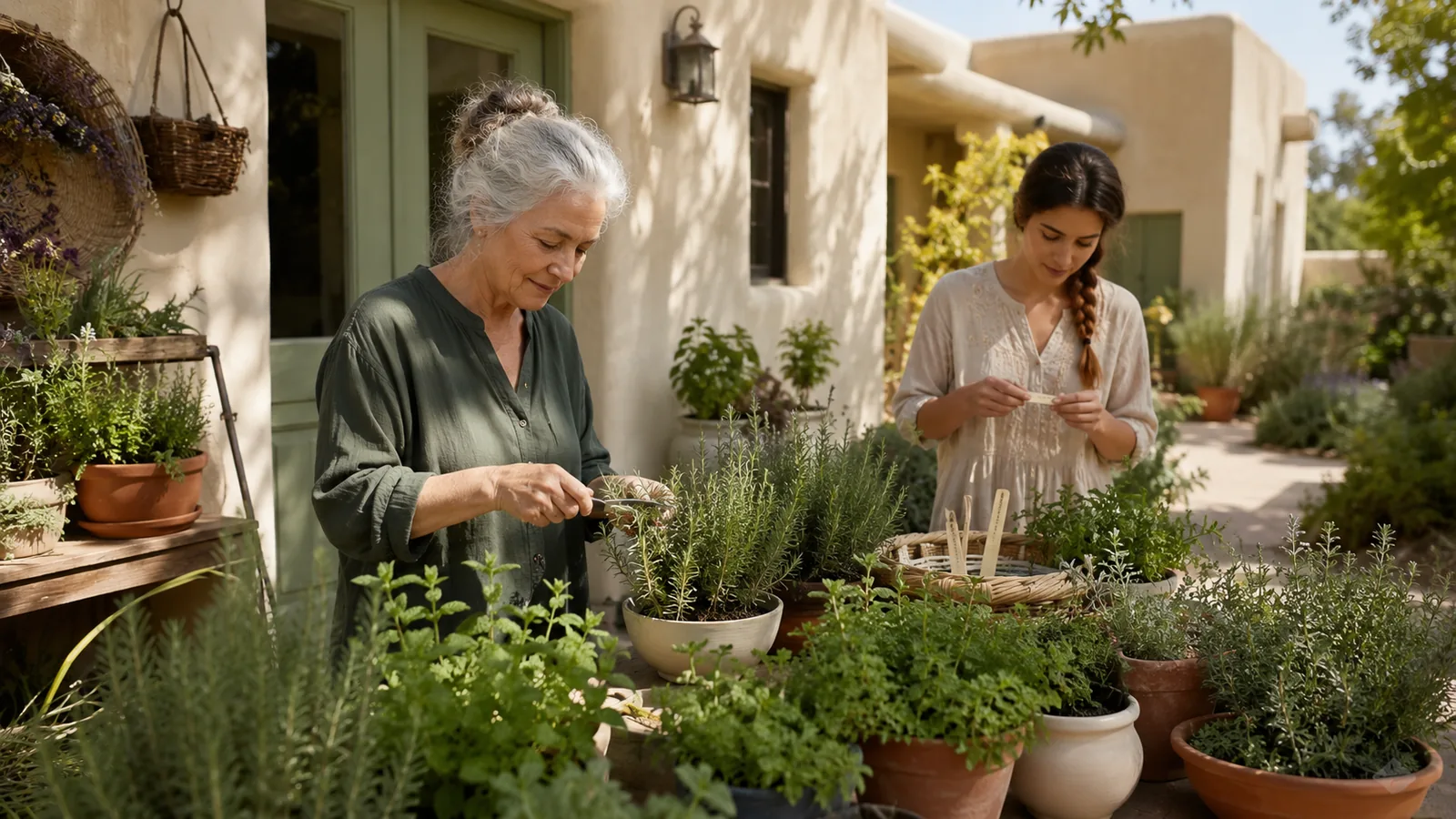
Use a climbing dwarf or snap-pea variety in a 3 to 5 gallon pot, sowing seeds 1 inch deep and 1 to 2 inches apart in well-draining mix. Put a sturdy trellis in the pot on planting day, keep the soil evenly moist in full sun, and harvest plump pods regularly so the plant keeps producing. That is the whole plan. The rest is how not to make it harder.
What size pot is best for growing peas in a pot?
The best pot for peas is at least 12 to 14 inches wide and 8 to 18 inches deep, holding roughly 3 to 5 gallons of mix. That gives a small crop enough root room without turning your patio into a farm supply store, and a 3 to 5 gallon container can hold about 3 to 6 pea plants. Homes and Gardens supports that container range.
Choose a pot with several drainage holes, not one decorative hole the size of a pencil. Pea seeds are prone to rot if the container stays wet, so a beautiful pot that drains badly is just an expensive puddle.
A plastic nursery pot is light and inexpensive, but it can dry faster in strong sun. A glazed ceramic pot holds moisture better, but it is heavy to move once filled. A fabric grow bag drains well, but it dries out quickly and may need more frequent watering.
Set the container where you want it before filling it. Three to 5 gallons of damp mix, plus the support, is awkward to carry and very good at exposing poor decisions.
Which pea variety should you grow in a container?
Choose a dwarf or snap-pea variety that climbs, because it fits the limited root space of a container while still giving you a useful vertical crop. Dwarf types are particularly suited to pots, and climbing frames help the vines use the space above the container rather than sprawled across the ground, according to Homes and Gardens.
For the seed packet, look for words such as “dwarf,” “container,” or “snap.” The packet should tell you the expected mature height, but the container plan stays the same: provide support before the stems begin reaching.
A climbing pea gives you more vertical use of a small footprint, but it requires a trellis and regular checking. A compact bush type may need less support, but you give up some of that upward growing space. I would choose the climbing type.
Do not plan on transplanting a mature pea seedling into the pot. Peas dislike root disturbance and are best direct-sown, as Empress of Dirt explains. The seed goes where the plant will live.
How do you prepare the potting mix for peas?
Fill the container with a well-draining vegetable potting mix enriched with garden compost, leaving about 2 to 3 inches below the rim for watering. Add a light application of balanced vegetable fertilizer or garden-tone at sowing, following the package directions, because peas need feeding but do not need a heavily fertilized pot.
Use a commercial vegetable potting mix rather than digging ordinary garden soil into the container. Garden soil can make a pot heavy and slow to drain, while potting mix is made for containers. The downside is cost, especially if you fill several large pots.
Compost improves the mix, but too much can hold excess moisture or make the container settle after planting. Add it as an enrichment, not as the entire growing medium. The roots need air as well as water.
Fertilizer helps correct the limited nutrient supply in a container, but excess fertilizer can push soft leafy growth and waste money. I add it once at sowing, then watch the plants rather than feeding on a schedule. The source experience for sugar snap peas also reports one fertilizer application at sowing in It's a Veg World After All.
How far apart should peas be planted in a pot?
Sow pea seeds about 1 inch deep and 1 to 2 inches apart, either in a ring around the inside edge of the pot or in a spaced group across the surface. For a 12 to 14 inch container, leave about 1 inch from the rim and allow roughly 3 to 6 plants in a 3 to 5 gallon pot.
Make a 1 inch deep hole with your finger, drop in one seed, and cover it gently. You can put two seeds in one hole and thin later, but thinning means removing a seedling you grew, so I prefer the wider spacing when I have enough seed.
The ring pattern works well because the stems grow toward the support in the centre. It's a Veg World After All describes sowing around the pot edge at about 1.5 to 2 inches apart, with seeds about 1 inch deep.
Water thoroughly after sowing, but do not turn the container into soup. The mix should be moist through the planting depth, not dripping from the bottom for ten minutes.
What support do peas need in a container?
Install a sturdy trellis, pea-stick structure, small climbing frame or upside-down tomato cage at planting time, with the support positioned in the centre of the pot. The support keeps vines off the ground and balances the crop as it grows, while early installation prevents you from stabbing through roots later.
A small trellis gives the cleanest arrangement, but it costs more than gathered sticks and may need to be anchored. Pea sticks are cheap and simple, but they can shift in loose mix and may not hold a heavy crop.
An upside-down tomato cage is practical for a round pot because the wide end sits around the rim and the narrower end rises from the centre. Its downside is that some cages are too flimsy, and a loaded vine can pull the whole pot off balance.
Use twine or soft ties only when the young vines need help finding the support. A smooth wall or railing is not enough by itself because pea runners may struggle to grip it, while a simple trellis gives them something to entwine around, as PlantVillage notes.
How much sun and water do potted peas need?
Place the pot in full sun and keep the mix evenly moist without waterlogging it. Peas grow best around 65 to 70 degrees Fahrenheit, and if you grow them indoors, provide a grow light for 8 to 12 hours; the research from Empress of Dirt gives that indoor light range.
Check the top of the mix with your finger each morning while the seeds are germinating, especially if the pot is in a sunny spot. Water slowly until a little drains from the holes, then empty any saucer that holds standing water.
A watering can is cheap and gives you control, but it is easy to splash seeds out of place. A drip line or adjustable emitter saves time, but it costs more and can clog. If you use drip, check the wetting pattern with your finger instead of trusting the timer like it has a conscience.
Yellowing leaves can signal water stress, so check moisture before adding fertilizer. In Austin, a warm fall afternoon can dry a small pot quickly, but frequent shallow watering can leave the deeper mix dry. Water deeply, then check again.
Who is growing peas in a pot a good fit for?
Growing peas in a pot suits a balcony, patio, small yard, rental home or kitchen-adjacent garden where you can give one container full sun and check it most days. It is a poor fit for a shaded corner, a pot without drainage, or anyone who cannot provide support and consistent moisture during the growing period.
This is a good project if you want a small fall or spring crop and can place the container near the kitchen for regular harvest. The container is manageable, but it is not maintenance-free. Plants still need water, a climbing structure and attention when pods appear.
It is also useful where the ground is difficult. Here in Central Texas, limestone can stop a shovel eight inches down, while black clay can swell and shrink enough to move a patio over one wet winter. A pot avoids that argument, though it introduces a watering schedule.
I learned the value of a small container from my titi's recao growing in a coffee can on a New Jersey fire escape. A pea pot is larger and more demanding, but the lesson holds: give a plant a place it can actually use.
What are the best container options for growing peas?
Choose the container based on how often you can water, how far you need to move it, and how firmly it can hold the support. My choice is a 3 to 5 gallon plastic pot with drainage holes because it balances price, weight and moisture control, even though it is not the prettiest option on the patio.
| Container option | Best use | Honest downside |
|---|---|---|
| Plastic pot, 3 to 5 gallons | Light, affordable, easy to move | Can dry quickly in strong sun |
| Glazed ceramic pot | Stable and attractive near a kitchen | Heavy and costly after filling |
| Fabric grow bag | Very free-draining container | Dries faster and needs closer checks |
| Wooden planter | Broad, stable base for a trellis | Takes more space and eventually decays |
A wide, heavy container can resist tipping when vines climb, but it is hard to relocate if the fall weather turns hot. A lightweight pot is easier to move, but a strong gust or a heavy crop can shift it.
Before buying anything, measure the spot for both the pot and the mature support. If the trellis blocks a walkway or leans into a door, you will stop harvesting. Then the plant will notice.
How do you harvest peas from a pot?
Harvest pods regularly once they are plump, using one hand to hold the vine while the other removes the pod. Frequent picking encourages continued production, and keeping the pot close to the kitchen makes that routine more likely, according to Homes and Gardens.
Check the vines every day or two once flowers and pods appear. Do not yank the pod free because the thin stems can bend or break. Snip or pinch carefully at the stem if it does not release cleanly.
Snap peas are harvested for tender pods, while other pea types may be left longer for fuller peas. Follow the seed packet for the intended harvest stage because the variety determines what “plump” means in your pot.
Are you wondering whether you need a second pot for a meaningful harvest? One pot can give you fresh pods for picking, but it will not supply a large household crop. Add another container rather than crowding more seeds into the first one.
What are the common questions about growing peas in a pot?
These answers cover the problems that usually decide whether a container crop succeeds: pot depth, direct sowing, indoor light, supports, watering and harvest timing. Use the plant database to check the pea entry and compare varieties before you buy seed, then use get a concept for your yard if you want help fitting containers and supports into a small outdoor space.
Can peas grow well in a 3 gallon pot?
Yes, peas can grow well in a 3 gallon pot if it is at least 12 to 14 inches wide, 8 to 18 inches deep, drains freely and holds a climbing variety. Keep the mix moist but not waterlogged, sow seeds 1 to 2 inches apart, and limit the crop to roughly 3 to 6 plants.
Do peas need a trellis in a pot?
Yes, climbing peas need a trellis, pea sticks, climbing frame or similar support in the pot. Install it at planting time and place it in the centre so the growing vines have something to grip and the crop stays balanced. A support adds cost or setup time, but unsupported vines waste the vertical space.
How deep should pea seeds be planted in containers?
Plant pea seeds about 1 inch deep in a container, then cover them gently with potting mix and water thoroughly without saturating the pot. Spacing them 1 to 2 inches apart gives each seed room to establish, while sowing two seeds in one hole is possible if you plan to thin later.
Can you grow peas indoors in a pot?
Yes, you can grow peas indoors in a pot under grow lights for 8 to 12 hours daily, using organic potting mix and watering as needed. Add a trellis as the vines develop, and understand that indoor plants may produce tender shoots or pods if they flower, as Empress of Dirt reports.
How often should you water peas in a container?
Water peas whenever needed to keep the potting mix evenly moist, checking the container rather than following a fixed calendar. Water thoroughly without leaving the pot waterlogged, because pea seeds are prone to rot in overly wet mix. In a hot, sunny location, check more often than in a cool sheltered one.
When should you harvest peas from a pot?
Harvest peas once the pods are plump and continue picking them regularly to encourage more production. Keep the container near the kitchen so you see the pods before they become overmature, and hold the vine while picking so you do not damage the stems.
More questions people ask about this
Can you grow peas indoors in a pot?
Yes, you can grow peas indoors in a pot under grow lights for 8 to 12 hours daily, using organic potting mix and watering as needed. Add a trellis as the vines develop, and understand that indoor plants may produce tender shoots or pods if they flower, as Empress of Dirt reports.
Want a plan for your own yard?
Tell us the space and we will put a planting plan together for it. Start at get my concept, or browse what actually grows where you are over on plants.
Frequently asked questions
Can peas grow well in a 3 gallon pot?
Yes, peas can grow well in a 3 gallon pot if it is at least 12 to 14 inches wide, 8 to 18 inches deep, drains freely and holds a climbing variety. Keep the mix moist but not waterlogged, sow seeds 1 to 2 inches apart, and limit the crop to roughly 3 to 6 plants.
Do peas need a trellis in a pot?
Yes, climbing peas need a trellis, pea sticks, climbing frame or similar support in the pot. Install it at planting time and place it in the centre so the growing vines have something to grip and the crop stays balanced. A support adds cost or setup time, but unsupported vines waste the vertical space.
How deep should pea seeds be planted in containers?
Plant pea seeds about 1 inch deep in a container, then cover them gently with potting mix and water thoroughly without saturating the pot. Spacing them 1 to 2 inches apart gives each seed room to establish, while sowing two seeds in one hole is possible if you plan to thin later.
Can you grow peas indoors in a pot?
Yes, you can grow peas indoors in a pot under grow lights for 8 to 12 hours daily, using organic potting mix and watering as needed. Add a trellis as the vines develop, and understand that indoor plants may produce tender shoots or pods if they flower, as Empress of Dirt reports.
How often should you water peas in a container?
Water peas whenever needed to keep the potting mix evenly moist, checking the container rather than following a fixed calendar. Water thoroughly without leaving the pot waterlogged, because pea seeds are prone to rot in overly wet mix. In a hot, sunny location, check more often than in a cool sheltered one.
When should you harvest peas from a pot?
Harvest peas once the pods are plump and continue picking them regularly to encourage more production. Keep the container near the kitchen so you see the pods before they become overmature, and hold the vine while picking so you do not damage the stems.
Free, no obligation
Ready to design your dream landscape? Start here.
Tell us where you are and we will start a free profile for you, with plants that actually survive your climate and a real sense of what the build would cost.